

Robot vending machine: 7 best proven types in the UK
Robotic arm and lift machines, robot coffee and pizza kiosks, costs, the best sites and whether a robot is worth it.
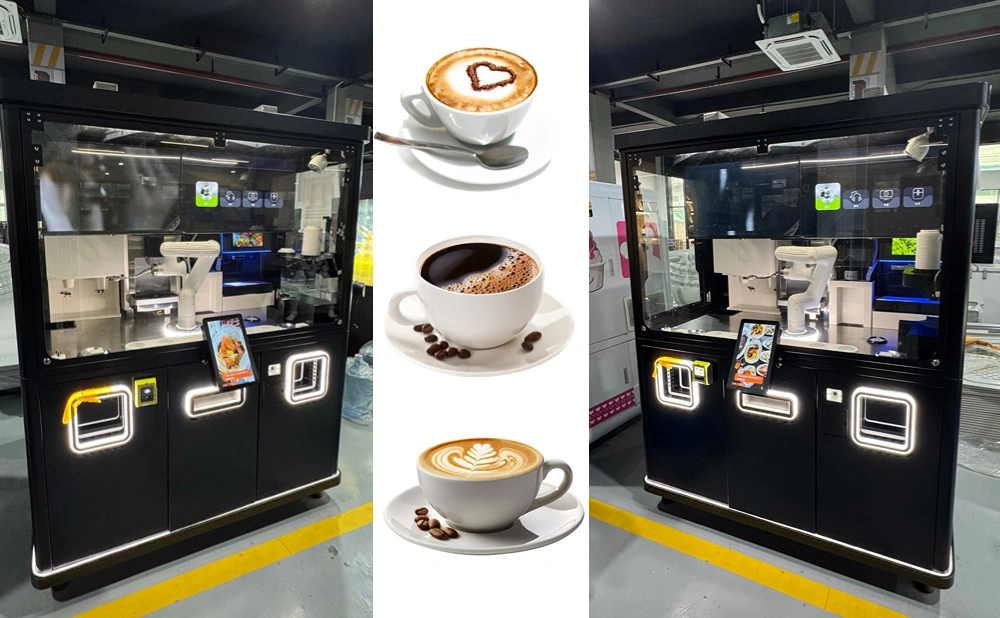
Robots are no longer just science fiction, and the robot vending machine is proof. A robot vending machine picks, moves or even makes products in front of the customer, turning a quick purchase into a small show.
This guide covers the main types of robot vending machine, what they sell, costs, the best sites, pros and cons, and whether a robot is worth it for your business.
Quick answer: A robot vending machine uses a robotic arm, lift or automated system instead of a simple spiral. It delivers items gently and adds a wow factor that draws attention.
Robot machines suit busy, high-visibility sites. For most ordinary sites, a standard machine with card payment gives a better return.
Robot delivery from Irelley
The smart robot combo machine with free UK delivery, installation and 0% payment plans.
View the Machine →What is a robot vending machine?
A robot vending machine uses robotics to handle products. Instead of a spiral pushing an item off a shelf, a robotic arm or lift collects it and brings it to the hatch.
Some robots go further and make products on the spot. Robot coffee kiosks, pizza machines and ice cream robots prepare food and drinks while customers watch.
Both types share one thing: they are designed to impress. Customers often stop just to watch the machine work.
Robot vending machine: 7 best proven types
1. Robot delivery combo machine
A robotic system picks snacks and drinks and delivers them gently to the hatch. Our smart robot combo machine is an example, suited to campuses, offices and modern venues.
2. Lift-delivery drinks machine
A lift collects bottles and lowers them to the hatch, so nothing is dropped. It suits glass bottles and premium drinks that could break or foam.
3. Robot coffee kiosk
A robotic arm acts as a barista, grinding, brewing and serving café-style drinks. These kiosks appear in shopping centres, stations and airports.
4. Robotic pizza machine
Some machines bake fresh pizzas in a few minutes, using pre-made bases and toppings. They suit busy public sites and late-night locations.
5. Ice cream robot
Robotic ice cream kiosks serve soft-serve or scooped ice cream with toppings. They are popular at attractions, cinemas and shopping centres.
6. Fresh food and salad robot
Automated kitchens assemble salads, bowls or noodles to order. They are still rare in the UK but growing in tech-forward locations.
7. Automated retail locker store
Robotic warehouses behind a screen pick items such as electronics, cosmetics or medicines. They suit airports and large stations.
Robot vs spiral machines
The biggest decision is whether a robot vending machine is worth the extra cost over a standard spiral machine.
| Factor | Robot or lift machine | Spiral machine |
|---|---|---|
| Product delivery | Gentle, no dropping | Items drop into a tray |
| Fragile items | Glass, fresh food, electronics | Best for snacks and cans |
| Wow factor | High | Low |
| Price | Higher | Lower |
| Moving parts | More | Fewer |
| Best for | Busy, high-visibility sites | Most everyday sites |
For a busy shopping centre or airport, a robot vending machine can pay for itself through extra attention and sales. For a small office, a spiral machine is usually the smarter choice.
What a robot machine can sell
Because a robot vending machine delivers items gently, it can sell products that would be risky in a spiral machine.
- Glass bottles: premium drinks that could break.
- Fresh food: sandwiches, salads and desserts.
- Electronics: chargers, earphones and cables.
- Cosmetics: beauty and travel products.
- Gifts: boxed items and souvenirs.
Higher-value products suit a robot vending machine, because the gentle delivery protects them and the theatre justifies a premium.
How much do robot machines cost?
A robot vending machine costs more than a standard machine, but prices vary widely by type.
| Type | Relative cost | Notes |
|---|---|---|
| Spiral combo machine | Lowest | Standard snacks and drinks |
| Robot or lift combo machine | Moderate | Gentle delivery, modern look |
| Robot coffee kiosk | High | Specialist equipment and installation |
| Robotic pizza or food machine | Very high | Needs food handling and regular servicing |
Ask for a full quote, including delivery, installation, warranty and servicing. Our vending machine cost guide explains what affects price.
Where robot machines work best
A robot vending machine earns most where crowds pass and people have time to watch.
| Site | Why it works |
|---|---|
| Shopping centres | High footfall and curious shoppers |
| Airports | Travellers with time to spare |
| Train stations | Busy commuters and visitors |
| Universities | Tech-savvy students |
| Tech offices | Modern image for staff and visitors |
| Visitor attractions | Families who enjoy the show |
See our guides to airport vending machines, station vending machines and vending machines for universities.
Pros and cons
| Pros | Cons |
|---|---|
| Strong wow factor that draws crowds | Higher purchase price |
| Gentle delivery for fragile items | More moving parts to maintain |
| Supports higher prices | Specialist repairs may take longer |
| Modern image for your business | Novelty can fade at regular sites |
| Can sell a wider range of products | Some types need more space |
A robot vending machine works best when the extra attention turns into extra sales. If customers walk past without stopping, the robot adds cost without benefit.
Robot vs smart vending machines
Smart vending machines and robot machines overlap, but they are not the same thing.
- Smart machine: touchscreen, card payment, remote data and stock alerts.
- Robot machine: all of the above, plus a robotic arm or lift that moves or makes products.
Most of the business value comes from smart features such as card payment and telemetry. The robot adds theatre and gentle delivery. Our smart vending machine guide explains the features in detail.
Robot coffee kiosks
Robot coffee kiosks are one of the most visible types of robot vending machine. A robotic arm grinds beans, steams milk and hands over the drink.
They can serve café-quality drinks around the clock without staff. However, they cost far more than a standard coffee machine and need regular cleaning and servicing.
For most offices, a bean-to-cup coffee machine gives similar coffee at a fraction of the cost. Our bean-to-cup vending machine guide explains more.
Robotic food machines
A robot vending machine for pizza, noodles or salads can prepare hot or fresh food on demand. They attract attention and suit late-night and high-footfall sites.
Food robots must meet the same food safety rules as any other food business, including temperature control, allergen information and cleaning. If you sell food regularly, you may need to register with your local council.
Our hot food vending machine and fresh food vending machine guides cover the practical side.
Safety and compliance
Every robot vending machine sold in Great Britain must meet product safety rules. Look for the right markings, such as UKCA marking or CE, and ask for the declaration of conformity.
- Moving parts should be fully enclosed behind glass or panels.
- Machines should stop safely if a door is opened.
- Electrical safety should be checked on installation.
- Food machines need clear cleaning and hygiene procedures.
If you are importing a machine, these checks are especially important. Our import vending machines from China guide explains the risks.
Maintenance and servicing
A robot vending machine has more moving parts than a spiral machine. Regular servicing keeps it reliable.
- Check the robotic arm or lift for smooth movement.
- Keep sensors and cameras clean.
- Update software when the manufacturer releases fixes.
- Agree response times for engineer visits.
Our vending machine maintenance and vending machine warranty guides explain what to look for.
Card payment and data
Almost every robot vending machine is cashless, using contactless card and phone payment. That suits the modern image and makes buying quick.
Remote data from a robot vending machine shows what sells, when and how often the machine is used. Our vending machine telemetry guide explains how to use this data to plan stock.
Pricing products
Because a robot vending machine draws attention, it can often support slightly higher prices. Premium products and the theatre of robotic delivery make customers more willing to pay.
Do not price too high, though. Customers still compare with nearby shops and cafés. Our vending machine pricing guide explains how to set prices.
Delivery robots
A related idea is the delivery robot, which brings orders to customers rather than waiting for them. Small sidewalk robots already deliver groceries in some UK towns, such as Milton Keynes.
These are not vending machines in the usual sense, but they show where automated retail is heading. In future, robot machines and delivery robots may work together on campuses and business parks.
A real-world example
Imagine a busy university library open late into the night. It installs a robot vending machine selling snacks, drinks and fresh sandwiches.
Students film the robot picking their orders and share clips with friends, which brings more people to the machine. Fresh food sells well because it is delivered gently and stays in good condition.
After a term, card data shows the machine is busiest between 9pm and midnight. The operator plans restocking for the afternoon so it is full for the evening rush.
Is a robot right for you?
Ask yourself a few simple questions before choosing a robot vending machine.
- Will enough people see and use it every day?
- Do you want to sell fragile or high-value items?
- Does a modern image matter for your site?
- Can you arrange regular servicing?
- Does the extra cost fit your budget?
If most answers are yes, a robot machine may be a smart choice. If not, a standard machine with card payment is likely to earn more.
Placing a robot machine on someone else’s site
Operators can place a robot vending machine at a shopping centre, station or campus and pay commission or rent. Landlords often welcome machines that attract visitors.
Agree power, space, insurance and servicing in writing. Our vending machine placement agreements guide explains the details.
How robot delivery works
Most robot and lift machines follow the same simple process. Understanding it helps with placement and servicing.
- Selection: the customer chooses a product on a touchscreen or keypad.
- Payment: they tap a card or phone.
- Picking: the robot or lift moves to the right shelf and collects the item.
- Delivery: the item is carried to the hatch without dropping.
- Collection: the hatch opens and the customer takes their product.
The whole process usually takes only a few seconds longer than a spiral machine. Many customers enjoy the wait because they can watch every step happen.
Space, power and placement
A robot vending machine can be larger and heavier than a standard machine. Check the site carefully before ordering.
- Measure doorways, lifts and corridors for delivery.
- Check the floor can take the weight.
- Provide a suitable power socket close by.
- Choose a spot with good visibility and space for people to stop and watch.
- Allow access for servicing and restocking.
Our vending machine dimensions guide helps check whether a machine will fit.
Marketing your robot machine
The wow factor of a robot vending machine is a marketing tool in itself. Make the most of it.
- Place it where people can see the robot working, ideally near an entrance.
- Use a bold wrap or signs that say what the machine does.
- Encourage customers to share videos on social media.
- Run launch offers to get people trying it.
A short video of the robot in action can attract new customers to your site. Our vending machine wrap guide explains branding options.
Security
Robot machines are often in busy public places and carry valuable products. Cashless payment reduces the risk of break-ins.
Place the machine in view of staff or CCTV, and ask about tamper alerts and remote monitoring. Our vending machine security guide has more tips.
Insurance
Because a robot vending machine costs more, insuring it properly matters. Cover should include theft, damage and public liability.
Check whether your landlord or host site requires specific cover. Our vending machine insurance guide explains the options.
The future of robotic retail
Robotics in retail is moving quickly. Machines are becoming cheaper, smarter and more reliable each year.
- AI cameras: recognising products and spotting stock levels automatically.
- Personalised menus: suggesting drinks or snacks based on time of day.
- Fresh food: more automated kitchens making meals to order.
- Lower costs: robot delivery becoming common in mid-priced machines.
Our AI vending machine guide looks at how artificial intelligence is changing vending.
Questions to ask a supplier
Before buying any robotic machine, ask the supplier clear questions and get the answers in writing.
- What does the warranty cover, and for how long?
- How quickly can an engineer attend if it breaks down?
- Are spare parts held in the UK?
- Does it carry UKCA or CE marking?
- Is installation and training included?
- Can it take contactless card and phone payments?
A good supplier will answer these quickly and confidently. Vague answers are a warning sign, especially for complex and expensive machines.
Accessibility
Robotic machines should be easy for everyone to use. Check that the screen, payment point and collection hatch are at a reachable height for wheelchair users.
Clear on-screen instructions, good contrast and simple menus help older customers and anyone unfamiliar with the technology. A machine that confuses people loses sales, however impressive it looks.
Restocking and stock control
Robotic machines often hold products on trays or shelves that the arm or lift can reach. Loading them is usually as quick as a spiral machine once staff are trained.
Telemetry shows exactly what has sold before each visit, so you carry the right stock. Our restock a vending machine guide explains how to plan efficient restocking routes.
Common mistakes
- Buying a robot for a quiet site where nobody sees it.
- Choosing an imported machine without proper safety markings.
- Skipping servicing on complex moving parts.
- Pricing products far above nearby shops.
- Not checking space, power and access before delivery.
- Expecting the novelty alone to keep sales high forever.
The verdict on robot vending machines
A robot vending machine brings theatre, gentle delivery and a modern image to busy sites. It costs more than a standard machine, so it works best where crowds pass and products are premium.
Check safety markings, plan servicing and choose the right site. View our smart robot combo machine, browse all vending machines for sale or contact our team to find the right robot vending machine for you.
FAQ
Frequently asked questions
A robot vending machine uses a robotic arm, lift or automated system to pick and deliver products, or to make food and drinks, instead of dropping items from a spiral.
Simple lift and robot-delivery combo machines cost more than standard spiral machines. Robot coffee kiosks and robotic food machines are specialist equipment and cost far more.
They can be at busy, high-visibility sites where the wow factor and gentle delivery lift sales. At ordinary sites, a standard machine with card payment usually gives a better return.
Robot and lift machines can sell glass bottles, fresh food, electronics and fragile items. Specialist robots can make coffee, pizza, ice cream or salads.
They have more moving parts than spiral machines, so regular servicing matters. A good warranty and quick engineer support are important.
Shopping centres, airports, stations, universities, tech offices and visitor attractions, where people enjoy watching the machine work.
Machines sold in Great Britain must meet product safety rules and carry the right markings, such as UKCA or CE. Moving parts should be fully enclosed.
Yes. Our smart robot combo machine uses robotic delivery to bring items gently to the hatch.
Yes. Most modern robot machines are cashless, with contactless card and phone payment.
A smart vending machine has features such as touchscreens and remote data. A robot vending machine also uses a robotic arm or lift to move or make products.
Want a machine that stands out?
Smart and robot delivery machines with free UK delivery, installation and 0% payment plans.