

Vending machine dimensions: 7 critical tips, best picks
Typical sizes and weights for every machine type, plus how to measure your space, doors and delivery route.
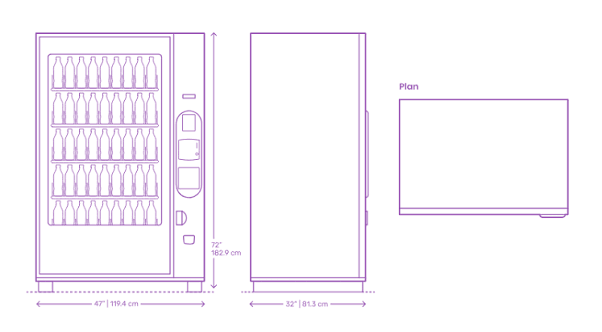
Vending machine dimensions decide whether a machine fits your site, gets through the door and works safely once it’s in place. Getting the size wrong can mean a machine stuck in a corridor, blocked ventilation or a fire exit narrowed below the legal minimum.
This guide explains typical vending machine dimensions in the UK, including heights, widths, depths and weights for each machine type, plus 7 critical tips for measuring your space, door access, ventilation and accessibility.
Find a machine that fits
Full-size, compact and outdoor machines, delivered and installed free anywhere in the UK within 24 hours.
View Machines For Sale →Why vending machine dimensions matter
A vending machine is one of the largest and heaviest pieces of equipment most sites will ever install. It needs a clear route in, a solid floor, a nearby socket and space to breathe.
Many problems on installation day come down to size. The machine won’t fit through a door, can’t turn a corner, or leaves too little room in a walkway.
Checking vending machine dimensions before you buy saves time, money and frustration. It also protects floors, walls and the machine itself.
Typical vending machine dimensions by type
Sizes vary by model and manufacturer, but most machines fall into clear ranges. The figures below are typical guides only, so always check the exact specification on the product page.
Full-Size
Snack, Drinks and Combo
- Height: around 180 to 195cm
- Width: around 90 to 120cm
- Depth: around 75 to 90cm
- Weight: often 250 to 400kg empty
- Best for: offices, factories, gyms, stations
Compact
Slim and Tabletop
- Height: around 70 to 185cm
- Width: around 40 to 75cm
- Depth: around 50 to 80cm
- Weight: often 40 to 200kg
- Best for: small offices, salons, receptions
Full-size vending machine dimensions
These are the most common machines. They’re tall, wide and heavy, with glass fronts and spiral shelves for snacks and drinks.
Drinks vending machine dimensions
Drinks machines are similar in height and width to snack machines. Refrigeration adds weight and needs extra ventilation space.
Coffee vending machine dimensions
Freestanding coffee machines are usually narrower, often 55 to 65cm wide. Tabletop coffee machines sit on a counter or base cabinet.
Compact vending machine dimensions
Slim machines are designed for tight spaces, often 60 to 75cm wide. They hold less stock but fit corridors, small rooms and receptions.
Outdoor vending machine dimensions
Outdoor units with canopies are wider and deeper than indoor machines, as they include shelter and often two machines side by side.
Reading vending machine dimensions on a spec sheet
Most product pages list vending machine dimensions as height × width × depth, usually in millimetres or centimetres. Some also list weight empty and weight full.
Check whether the depth includes the coin return, payment reader or door handle. These can add a few centimetres that matter in a tight doorway.
If the listed vending machine dimensions are unclear, ask the supplier. A quick question before ordering can save a failed delivery.
Vending machine dimensions and capacity
Bigger machines hold more stock, which means fewer restocking visits. A full-size combo might hold several hundred items, while a slim machine holds far fewer.
Choose vending machine dimensions that balance space and capacity. A busy factory needs a large machine, but a small office may be better served by a compact one restocked weekly.
Our guide on how to choose the right vending machine covers capacity and footfall in more detail.
7 critical tips for vending machine dimensions
Use these tips to make sure your machine fits and works safely.
1. Measure the final position
Measure the floor area, ceiling height and any nearby obstacles where the machine will stand.
2. Measure the whole route
Check every door, corridor, corner, stair and lift between the delivery vehicle and the final position.
3. Allow for ventilation
Refrigerated machines need a gap behind them, often 10 to 15cm, to vent heat.
4. Leave room for the door to open
The machine’s front door must swing fully open for restocking and repairs.
5. Check the floor
Full-size machines are heavy. The floor must be level, solid and strong enough.
6. Keep exits and walkways clear
The machine and its queue must never narrow fire exits or escape routes.
7. Think about accessibility
Buttons, screens and payment readers should be easy to reach for all users.
“Most installation problems aren’t about the machine. They’re about a door that’s two centimetres too narrow. Check vending machine dimensions against the whole route, not just the final spot.”
How to measure your space for vending machine dimensions
Grab a tape measure, a notepad and a helper, and measure everything in centimetres for accuracy. Write everything down and take clear photos of each doorway and corner.
- Floor space: width and depth of the spot where the machine will stand
- Ceiling height: including beams, pipes, lights and sloping ceilings
- Side clearance: space to each side for access and cleaning
- Front clearance: room for the door to open and customers to stand
- Rear gap: space behind for ventilation and cables
- Socket position: distance from the machine to the nearest power point
Compare your measurements with the vending machine dimensions listed on the product page. Add a safety margin of a few centimetres on every side.
Door access and delivery routes
The delivery route is where most sizing problems happen. Measure the clear opening of every single door, not the door frame or the door leaf itself.
Many internal doors give around 70 to 75cm of clear width once the door is open. A machine 80cm deep may still fit if moved on its side or with the door removed, but check before delivery day.
Remember handles, door closers, radiators and tight corners. A long, deep machine may struggle to turn from a narrow corridor into a doorway.
Stairs and lifts
Stairs add real difficulty. Full-size machines are heavy and awkward on stairs, and many delivery teams need a stair climber or extra people.
If there’s a lift, check its internal width, depth, height and weight limit. Some passenger lifts are too small or too weak for a full-size machine.
Always tell your supplier about any stairs, steps and lifts well before delivery. It affects the equipment and team they send.
Weight, floor loading and vending machine dimensions
Weight matters as much as size. A stocked full-size machine can weigh well over 300kg, concentrated on four small feet.
Most ground-floor concrete floors in offices, shops and factories cope easily with this load. Raised floors, suspended timber floors and upper floors in older buildings may need checking.
Protect delicate flooring with boards or mats during delivery. Our vending machine maintenance guide covers keeping machines level once installed.
Ventilation space
Drinks machines, combo machines and fresh food machines all have compressors that release heat. Without airflow, they work harder, use more power and wear out sooner.
Allow a gap behind the machine, often 10 to 15cm, and avoid boxing it into an alcove with no airflow. Check the manufacturer’s guidance for your model.
Good ventilation also keeps running costs down. Our guide to vending machine electricity costs explains why.
Accessibility and vending machine dimensions
Machines in public buildings should be usable by as many people as possible, including wheelchair users and people with limited reach.
The government’s Approved Document M sets out statutory guidance on access to and use of buildings in England. While it focuses on building design, it’s a useful reference when planning where machines go and how people reach them.
Choose machines with screens, buttons and payment readers at a reachable height, and keep a clear, level space in front. Touchscreen models can help, as products are selected from one central panel.
Vending machine dimensions for small spaces
Small offices, salons, clinics and receptions often have very little floor space. That doesn’t rule out vending.
Slim floor-standing machines and tabletop coffee machines are designed for tight spots. Compare their vending machine dimensions with alcoves, corridor widths and the space beside reception desks.
Remember that narrow corridors still need clear walking space. A machine that fits physically may still be in the wrong place if it narrows a busy route.
Vending machine dimensions for outdoor sites
Outdoor machines need more room than indoor ones. Canopies, bollards, bins and lighting all take up space around the machine.
Plan for level hard standing, a safe power supply and enough space for customers to stand without stepping into traffic. Outdoor vending machine dimensions should include the full footprint of any shelter, not just the machine.
Check whether you need permission from the landlord or council for outdoor structures. Our vending machine regulations guide covers the wider rules.
Vending machine dimensions and placement
Size affects where a machine can go, but placement affects how well it sells. The best spot is visible, easy to reach and close to where people gather.
Measure several possible spots and compare vending machine dimensions against each one. Sometimes a slightly smaller machine in a better spot will outsell a large machine tucked away.
Our guide to vending machine locations explains how to choose the best position on any site.
Installation day
On delivery day, clear the route of furniture, boxes and people. Prop doors open safely and protect floors where needed.
Have your measurements and photos ready in case the team needs to check anything. Irelley delivers and installs free anywhere in the UK, so our team handles the heavy lifting and positioning.
Once in place, the machine should be levelled, plugged into a suitable socket and tested. Allow time for refrigerated machines to cool before loading chilled stock.
Vending machine dimensions checklist
- Measure floor space, ceiling height and clearances
- Measure every door, corridor, corner, stair and lift
- Check the floor is level and strong enough
- Allow a ventilation gap behind refrigerated machines
- Leave space for the front door to open fully
- Keep fire exits and walkways clear
- Check the socket is within cable reach
- Compare everything with the listed vending machine dimensions
Follow this checklist and your machine will fit first time, with no surprises on delivery day.
Planning a bank of machines
Busy sites often place two or three machines side by side, such as a snack machine, a drinks machine and a coffee machine. This creates a small refreshment point that serves more people at once.
Add up the vending machine dimensions of every unit, plus small gaps between them for ventilation and door swing. A bank of three full-size machines can need well over three metres of wall space.
Check that the front area can handle several people queuing at once without blocking corridors or doors.
Power supply and sockets
Every machine needs a suitable power supply, usually a standard 13A socket close to the final position. Avoid long extension leads, which can overheat and create trip hazards.
Refrigerated and hot drinks machines draw more power, so a dedicated socket is often best. When you measure for vending machine dimensions, note the socket position and cable length too.
If there’s no socket nearby, arrange for a qualified electrician to install one before delivery day.
Vending machine dimensions on placement sites
If you’re an operator placing machines on someone else’s premises, agree the exact spot and the vending machine dimensions in writing. Hosts like to know how much space they’re giving up.
Send the host the machine’s size, weight, power needs and a photo or mock-up. It shows professionalism and avoids disputes later.
Our guides to placement agreements and pitching a vending machine help you agree clear terms.
Moving a machine later
Sites change over time, and machines sometimes need to move to a new spot or building. The same vending machine dimensions that mattered on delivery day matter again.
Empty the machine first, as stock adds a lot of weight. Measure the new route and position just as carefully as the first time.
Refrigerated machines should stay upright where possible and be left to settle before switching on, following the manufacturer’s guidance.
Size, cost and value
Larger machines usually cost more up front, but they hold more stock and need fewer visits. Smaller machines cost less but may need restocking more often.
Match vending machine dimensions to expected sales, not just to available space. Our vending machine profit calculator helps you compare options.
Vending machine dimensions for home use
Some people buy a machine for a games room, garage or home bar. Homes have narrower doors, tighter corners and more stairs than most businesses, so measuring matters even more.
Compact and retro-style machines often suit homes best. Check vending machine dimensions against hallway widths, door openings and the floor, especially upstairs or on suspended timber floors.
Think about noise too. Refrigerated machines hum gently, which is fine in a garage but may be noticeable in a quiet living space.
Insurance and safety
Large, heavy machines must be stable. Make sure the machine stands level on all four feet and, where needed, is fixed to the wall or floor to prevent tipping.
Our vending machine insurance guide explains the cover you’ll need, including public liability for machines in public spaces.
Keep the area around the machine clean and dry, and check cables regularly for damage. Our guide to cleaning a vending machine covers the routine.
Machines to consider by size
Here are options for different spaces, from tight corners to busy halls, grouped by vending machine dimensions.
Large spaces
Our large black combo with six shelves and silver triple combo station suit busy sites with plenty of room.
Standard spaces
Our white touchscreen combo and black combo machine fit most offices and staff rooms.
Tight spaces
Our compact slim machine is built for narrow corridors and small rooms.
Outdoor
Our outdoor dual vending station with canopy needs more floor space but protects machines and users from the weather.
Our take: always compare vending machine dimensions with your measured space and the full delivery route. If in doubt, send us photos and measurements and we’ll recommend a machine that fits.
Common vending machine dimensions mistakes
The first mistake is measuring only the final position and forgetting doors, corners and stairs on the way in.
The second is pushing refrigerated machines tight against the wall, which blocks ventilation.
The third is placing a machine where its queue narrows a fire exit or busy corridor.
The fourth is guessing rather than measuring. Rough estimates of vending machine dimensions and door widths lead to failed deliveries, extra costs and wasted days.
The fifth is forgetting the ceiling. Low beams, pipes and sloping ceilings can stop a tall machine standing upright.
Buying from Irelley
Irelley payment plans start with a 25% deposit, then up to 12 months at 0% with no credit check. Start-ups can begin from a 20% deposit.
Browse our vending machines for sale, or contact our team with your measurements. We deliver and install free anywhere in the UK, within 24 hours, and every machine comes with a 12-month warranty covering parts and remote support.
FAQ
Frequently asked questions
A typical full-size snack or drinks machine is around 180 to 195cm tall, 90 to 120cm wide and 75 to 90cm deep. Compact machines are often 60 to 75cm wide. Always check the exact specification of the model you choose.
Full-size machines often weigh 250 to 400kg empty, and more when stocked. Compact and tabletop machines weigh much less.
Often yes, if the machine’s depth or width is less than the clear door opening. Many internal doors give around 70 to 75cm of clear width, so measure carefully and check whether doors or handles can be removed.
Allow a gap of around 10 to 15cm behind refrigerated machines for ventilation, plus enough space in front for the door to open fully and for customers to queue.
Tabletop and countertop machines are the smallest, followed by slim floor-standing models around 60cm wide. They suit small offices, salons and reception areas.
Find a machine that fits
Full-size, compact and outdoor machines, delivered and installed free anywhere in the UK.
[…] space is tight, a compact model or slim combo is often the answer. Our guide to vending machine dimensions lists typical sizes for every machine type. Tell us the measurements and we’ll suggest […]
[…] guide to vending machine dimensions lists typical sizes for each machine type. Send us your measurements and we’ll suggest […]