

Station vending machines: 7 critical tips, best picks
Coffee, drinks and snacks for commuters and travellers at train and bus stations, with robust design and the right approvals.
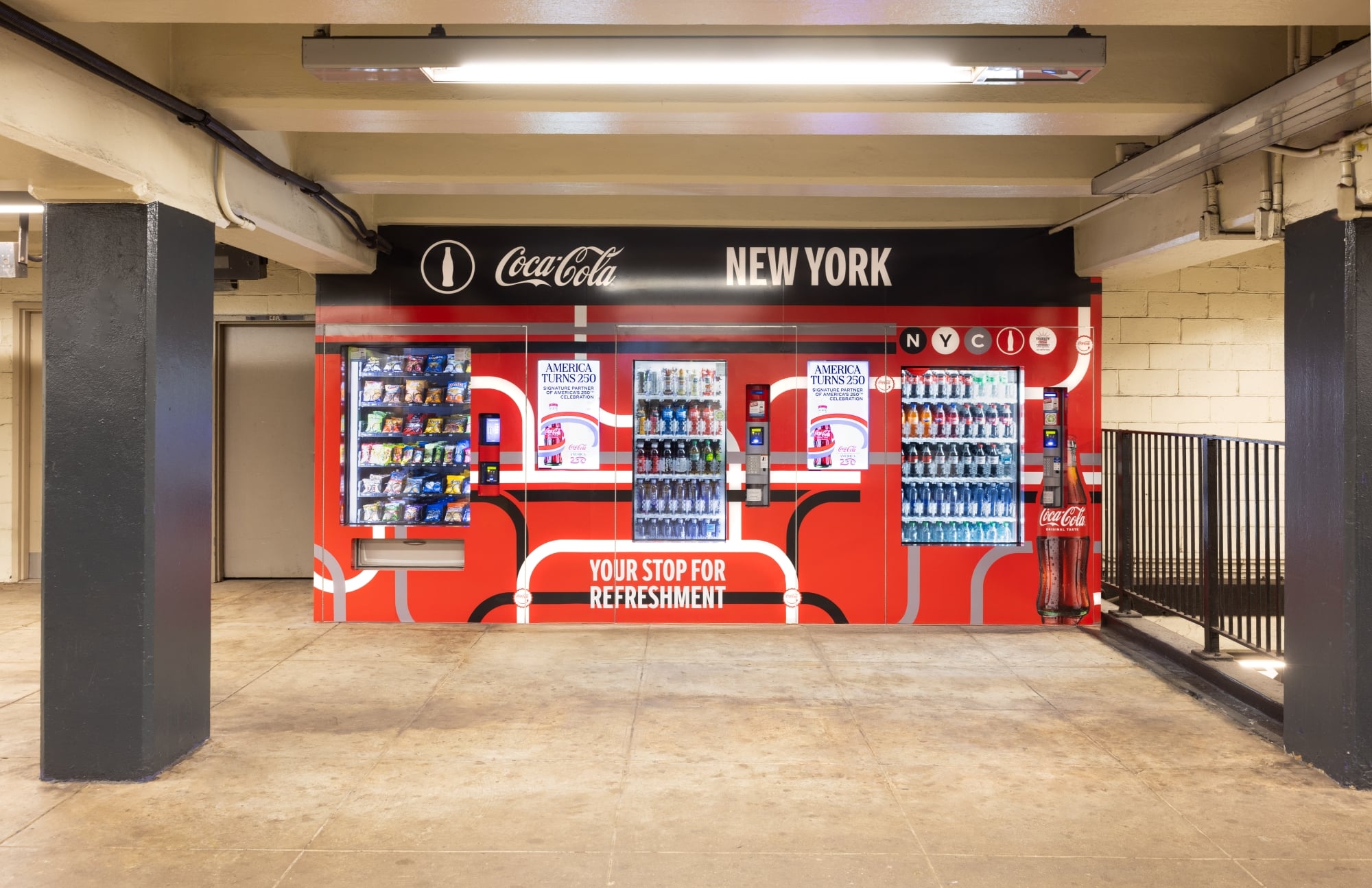
Station vending machines serve one of the busiest audiences in the UK. Commuters, travellers and students pass through train and bus stations every day, and many have a few minutes to wait and a need for coffee, water or a snack.
This guide covers 7 critical tips for station vending machines: footfall and peaks, what to stock, robust design, placement, approvals and licences, payment and the best machines to consider.
Machines for busy public spaces
Coffee, combo and smart machines with card payment, delivered and installed free anywhere in the UK.
View Machines For Sale →Benefits for station operators
Station vending machines add income from space that might otherwise sit empty. They also improve the passenger experience, especially at stations without a café.
Machines serve passengers early, late and during disruption, when staffed outlets may be closed. That supports customer satisfaction scores and complaints targets.
For operators managing many stations, a reliable vending partner can cover several sites under one agreement.
Why station vending machines sell
Stations combine high footfall with waiting time, which is why station vending machines sell so well. Passengers arrive early, trains and buses run late, and connections leave gaps of a few minutes to an hour.
The Office of Rail and Road publishes estimates of station usage, which show just how many journeys start and end at busy stations each year. Smaller stations may have no shop or café at all.
Station vending machines serve passengers when cafés are closed, queues are long or there’s simply nowhere else to buy.
Commuter patterns
Commuters follow predictable routines. They pass through stations at the same times every weekday, often in a hurry, and many buy the same coffee or snack each morning.
Station vending machines need to be full and working before the morning rush starts. A sold-out coffee machine at 7.30am frustrates regulars and loses sales that won’t come back.
Evening peaks bring tired commuters who want a drink or snack for the journey home. Restock between peaks where possible.
7 critical tips for station vending machines
Use these tips to set up station vending machines that sell well and stand up to heavy daily use.
1. Plan for peaks
Commuter rushes create intense bursts of demand for station vending machines. Machines must be fully stocked before morning and evening peaks.
2. Lead with coffee and water
Hot drinks for early commuters and water for travellers are core sellers in station vending machines. Add snacks and sandwiches for longer journeys and connections.
3. Choose robust machines
Stations are busy public spaces, sometimes unstaffed for long periods. Strong cabinets, secure anchoring and CCTV coverage protect the machine.
4. Make payment fast
Passengers using station vending machines are used to tapping cards and phones. Quick contactless payment keeps queues short at busy times.
5. Place machines on passenger routes
Concourses, waiting rooms and platform entrances see the most traffic for station vending machines. Keep machines well clear of exits, stairs and safety routes.
6. Get the right approvals
Station operators have commercial teams and clear requirements. Expect to agree a licence, insurance levels and service standards before installation.
7. Stock travel essentials
Phone chargers, tissues and other small essentials can sell surprisingly well alongside food and drink.
“At a station, every minute counts. The best station vending machines are full, fast and impossible to miss.”
Getting station vending machines approved
Who approves station vending machines depends on the station. Major stations are often managed by Network Rail, while most others are run by train operating companies.
Bus stations and interchanges with station vending machines may be owned by councils, transport authorities or bus companies. Each will have a process for commercial space, which may include tenders, licence fees or commission.
Expect to provide insurance details, machine specifications and a clear servicing plan. Our guides to placement agreements and vending machine contracts explain what to look for.
Leisure and long-distance travellers
Weekend, holiday and long-distance travellers behave differently from commuters. They arrive earlier, wait longer and often buy more, including sandwiches and drinks for the journey.
Station vending machines at mainline and interchange stations benefit most from this trade. School holidays, bank holidays and major events can bring big spikes.
Bus stations and interchanges
Bus stations often have waiting areas but limited retail. Passengers waiting for connections, especially late at night, appreciate a coffee or snack.
Station vending machines at bus stations should be robust, well lit and covered by CCTV. Many bus stations are owned by councils or transport authorities, so approvals follow their processes.
Coach stations and park and ride sites have similar needs, with longer waits that suit hot drinks and food.
Unstaffed stations
Many smaller stations have no staff for much of the day. Station vending machines can be the only refreshment option for passengers waiting on the platform.
These sites need the most robust machines, secure anchoring and cashless payment. Remote alerts are essential, because no one is there to spot a fault.
Weather protection matters a great deal on open platforms, and good lighting helps passengers feel safe after dark.
Events and match days
Stations near stadiums, arenas and festival sites see huge crowds before and after events. Demand for drinks and snacks can rise many times over.
Check event calendars and restock station vending machines the day before big fixtures or concerts. Extra water and quick snacks sell especially well.
After the event, check machines for damage or faults, as large crowds can be rough on equipment.
Night travel
Late trains, night buses and early-morning services carry shift workers, students and night-time travellers. Cafés are usually closed at these times.
Station vending machines can be the only option for these passengers. Keep machines stocked and lit through the night, with hot drinks for cold early mornings.
Good lighting and CCTV help passengers feel safe using machines late at night.
Students and young travellers
Stations near colleges and universities see lots of students, especially at the start and end of term. They often pay by phone and look for value.
Affordable snacks, water and meal-deal style bundles suit this group. Station vending machines near student routes can be especially busy on Friday and Sunday evenings.
What to stock
- Hot drinks: coffee, tea and hot chocolate for early commuters
- Cold drinks: water, soft drinks and juices
- Snacks: crisps, chocolate, cereal bars and nuts
- Food: sandwiches and wraps for longer journeys
- Essentials: phone chargers, cables and tissues
England plans to ban high-caffeine energy drinks from all vending machines from April 2027, subject to Parliamentary approval. Coffee and tea are exempt.
Seasonal demand
Hot drinks peak in autumn and winter, when cold platforms make coffee especially welcome. Water and cold drinks lift in summer, particularly during heatwaves.
Holiday periods bring more leisure travellers and luggage-laden families. Adjust station vending machines stock to match these patterns.
Machines to consider
Coffee machines
Our premium gourmet coffee machine suits busy concourses and early commuter peaks.
Smart and touchscreen combos
Clear menus and fast payment suit busy passengers. Our grey touchscreen combo and smart robot combo offer a modern experience.
Water and drinks
Our Crane water bottle machine keeps travellers hydrated, especially in summer.
Travel essentials
Our custom retail machine can sell chargers, tissues and other small items.
Large Station
Concourse Setup
- Machines: Coffee, combo and essentials
- Footfall: Very high
- Peaks: Commuter rush hours
- Approvals: Formal commercial process
- Best for: City and interchange stations
Small Station
Platform Setup
- Machines: One combo or drinks machine
- Footfall: Moderate
- Peaks: Morning and evening
- Approvals: Operator agreement
- Best for: Unstaffed and local stations
Fresh food at stations
Larger stations with long-distance travellers can support fresh food vending, such as sandwiches, wraps and salads. These need chilled machines and frequent restocking.
A chilled cabinet like our fresh produce vending machine keeps products at the right temperature. Start small and expand only if sales are steady.
Choosing the right size
Large stations need high-capacity machines that can cope with peak rushes without selling out. Smaller stations often do well with a single compact combo or drinks machine.
Think about space too. Concourses can be crowded, so slim machines that don’t block walking routes are often preferred by operators.
If one machine regularly sells out between visits, add capacity rather than restocking more often. A second machine can also reduce queues at peak times.
Ask the operator about planned works or changes to the station layout before choosing a spot. A position that’s ideal today might be blocked by refurbishment next year.
Placement
The best spots for station vending machines are busy concourses, waiting rooms, ticket halls and platform entrances. Machines should be clearly visible from the main walking routes.
Keep machines clear of exits, stairs, lifts, emergency routes and platform edges. Station operators will have rules about where equipment can go.
Outdoor or exposed platforms need proper weather protection. Our outdoor dual vending station shelters machines and passengers.
Our take: station vending machines thrive with coffee, fast contactless payment, robust cabinets and placement on main passenger routes. Get approvals sorted early.
Accessibility
Stations must be accessible to everyone, and so should the machines. Make sure controls, payment panels and collection trays are reachable from a wheelchair.
Clear displays, good contrast and simple menus help passengers with limited sight or those in a hurry. Leave plenty of space around the machine for wheelchairs, luggage and buggies.
Branding and passenger information
Some operators like station vending machines to match the station’s look. A tidy wrap in neutral or operator-approved colours helps the machine fit in.
Irelley’s vinyl wraps cost from £100 to £300 for a DIY kit or £350 to £950 for a full turnkey wrap, excluding VAT. Clear signage such as “Hot coffee” helps passengers spot the machine quickly.
Sustainability
Station operators often have environmental targets. Recyclable cups, cans and packaging, plus recycling bins near machines, support those goals.
Energy-efficient station vending machines with LED lighting and energy-saving modes cut power use during quiet overnight periods.
Security and robustness
Stations can be unstaffed late at night and early in the morning, so station vending machines need extra protection. Choose robust machines, anchor them securely and position them within CCTV coverage.
Cashless payment removes the main reason anyone would break in. Our vending machine insurance guide explains the cover you’ll need.
Restocking at stations
Restocking station vending machines can be tricky, with busy concourses, limited access times and security rules. Agree access arrangements, including any security passes, with the operator in advance.
Restock outside peak hours, ideally early morning before commuters arrive or late evening. Telemetry shows exactly which machines need attention.
Our guides to restocking a vending machine and vending machine maintenance cover the routine.
Pricing
Passengers expect convenience pricing at stations, but they also compare with nearby cafés and shops. Keep station vending machines competitive on everyday items like water.
Premium coffee can carry a higher price if the quality is genuinely good. Card payment lets you set exact prices without worrying about coins.
Cleaning and presentation
Busy station machines get dirty quickly. Clean screens, payment panels and collection trays regularly, and keep the area around the machine tidy and litter-free.
A clean, bright machine looks trustworthy, modern and inviting. Our guide to cleaning a vending machine sets out a routine.
Disruption days
Delays, cancellations and strikes leave passengers stuck at stations for longer. Demand for station vending machines can rise sharply on these days.
Keep an eye on travel news and remote stock levels. A well-stocked machine during disruption earns real goodwill as well as sales.
Station staff
Station staff work early and late shifts, often in places with few food options. A machine near the staff mess room or ticket office supports them too.
Some operators like station vending machines to serve both passengers and staff. Discuss whether a staff-only machine or a shared one makes more sense.
Owning or partnering
Station operators can buy machines themselves or work with a vending operator. Most choose a partner who supplies, stocks and maintains station vending machines in return for a licence fee or commission.
Operators bidding for station space should present a strong service plan. Our guides to commission rates and pitching a vending machine help you prepare.
Clear terms on servicing times, response to faults and reporting make a big difference in competitive processes.
Working with station teams
Good relationships with station staff make everything easier. They can tell you about busy periods, report faults and help passengers with simple problems.
Introduce yourself to the station manager and share your contact details. Agree how faults should be reported and how quickly you’ll respond.
Small gestures, such as keeping the area around machines tidy and fixing problems quickly, build trust with station teams. That trust often leads to more opportunities across the operator’s network.
Payment and data
With Irelley, card payments with telemetry cost £10 a month plus 2% per transaction, as our contactless vending machine guide explains. Remote stock data helps you restock before commuter peaks.
Customer service
Passengers in a hurry have little patience for faulty machines. Display a contact number or QR code for refunds, and respond quickly.
Let station staff know exactly who to contact if a machine has a problem. A fast response protects both your reputation and the operator’s.
Measuring success
Track sales by hour and day to understand commuter and leisure patterns. Compare stations to see which perform best and work out why.
Share results with the operator. Good data strengthens the relationship and can open the door to more station vending machines across their network.
Checklist before you install
- Approval from the station operator or owner
- Insurance at the level the operator requires
- A position on a main passenger route, clear of exits and safety routes
- Robust, anchored machines within CCTV coverage
- Contactless payment and remote alerts
- An agreed restocking and access plan
Ticking every box makes station vending machines safe, compliant and profitable.
Keep copies of all approvals, insurance certificates and agreements in one place, as operators may ask to see them at any time.
Getting started
Start by identifying stations with high footfall and limited retail, then contact the station operator’s commercial team. Smaller stations are often much easier to approach first.
Use our vending machine profit calculator to model income, and see our guide to how much vending machines make for benchmarks.
Prepare a clear proposal covering machines, servicing, insurance and commission. A professional approach helps station vending machines get approved faster.
Common mistakes
The biggest mistake with station vending machines is restocking after the morning rush instead of before it. Empty machines at peak times lose the most sales.
The second is placing machines away from main routes, where passengers won’t see them.
The third is underestimating approvals. Station processes take time, so start early.
The last is ignoring smaller stations. They’re often easier to secure and can be steady earners for station vending machines with little competition.
Buying from Irelley
Browse our vending machines for sale, or contact our team to plan station vending machines. We deliver and install free anywhere in the UK, within 24 hours, and our payment plans spread the cost at 0%.
Every machine comes with a 12-month warranty covering parts and remote support.
FAQ
Frequently asked questions
It depends on the station. Major stations are often managed by Network Rail, while many others are run by train operating companies, each with their own commercial or retail teams.
Coffee, water, soft drinks, snacks and sandwiches are core sellers, with phone chargers and travel essentials useful at busy stations.
Usually, yes. Stations are busy public spaces, often unstaffed at times, so robust cabinets, anchoring, CCTV and cashless payment are important.
Station operators often require public liability insurance at a specified level. Check the requirements with the operator before applying.
Yes. Bus stations and interchanges have steady footfall and waiting passengers, especially where there’s no café or shop.
Serve every journey
Coffee, combo and smart machines, delivered and installed free anywhere in the UK.