

Import vending machines from China: 7 best proven steps
UK import duty, VAT, shipping, safety marks, payment systems and the real total cost compared with buying in the UK.
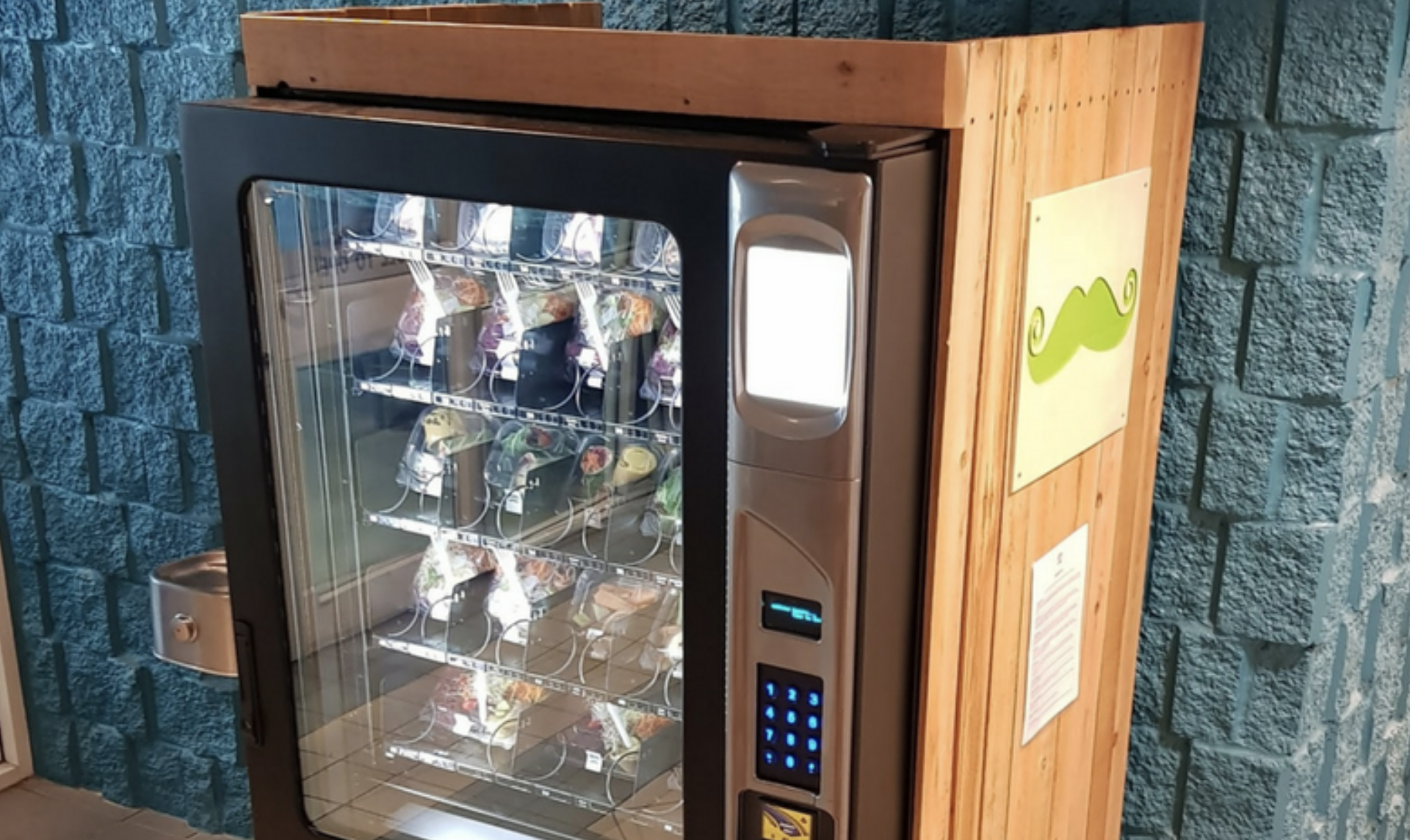
Online marketplaces are full of vending machines from Chinese factories at prices that look hard to beat. It is natural to wonder whether you should import vending machines from China yourself rather than buy from a UK supplier.
This guide explains how to import vending machines from China, the real costs including import duty and VAT, the safety and payment hurdles, and when buying in the UK makes more sense.
Quick answer: Vending machines currently carry 0% UK import duty under heading 8476, but you still pay 20% import VAT, shipping, customs fees and the cost of UK payment systems and modifications.
For one or two machines, the savings often disappear once every cost is added. Importing suits larger operators buying in volume.
UK-ready machines, delivered
Machines with UK card readers, English software, free UK delivery, installation and 0% payment plans. No customs, no waiting.
Browse Machines →Why people import vending machines from China
Many UK operators look to import vending machines from China because it is the world’s biggest producer of vending machines. Factories make everything from basic snack machines to smart fridges and robotic coffee kiosks.
Listed factory prices can look much lower than UK retail prices, which is why so many people search how to import vending machines from China. That makes it tempting to import vending machines from China, especially for new operators trying to keep costs down.
But when you import vending machines from China, the factory price is only the starting point. Our vending machine brands UK guide shows how the main makers compare. Shipping, tax, modifications and support all add to the final bill.
Import vending machines from China: 7 best proven steps
1. Get an EORI number
Any business importing goods into Great Britain needs a GB EORI number. It is free and quick to apply for online.
2. Choose a reliable supplier
Before you import vending machines from China, check the factory’s track record, reviews and export experience. Ask for photos, videos and references from UK or European buyers.
3. Confirm UK specifications
Make sure the machine runs on UK voltage, has a UK plug or can be fitted with one and accepts UK payments. Ask for English software and manuals.
4. Check safety marks and paperwork
Ask for UKCA or CE marking and the declaration of conformity. Electrical machines must meet UK safety and electromagnetic rules.
5. Arrange shipping and insurance
Agree the shipping terms, known as Incoterms, so you know who pays for each stage. Insure the shipment against damage and loss.
6. Clear customs
Most people who import vending machines from China use a customs broker or freight forwarder to submit the import declaration. They classify the machine, calculate VAT and arrange release.
7. Plan UK delivery and set-up
Arrange transport from the port to your site, plus installation and testing. Heavy machines need a tail-lift vehicle and at least two people.
Import duty on vending machines
Vending machines fall under commodity heading 8476 in the UK Trade Tariff. Under the UK Global Tariff, these machines currently carry a 0% customs duty rate.
| Commodity code | Description | Duty (UK Global Tariff) |
|---|---|---|
| 8476 21 00 00 | Drinks machines with heating or refrigerating devices | 0% |
| 8476 29 00 00 | Other drinks machines | 0% |
| 8476 81 00 00 | Other machines with heating or refrigerating devices | 0% |
| 8476 89 90 00 | Other vending machines | 0% |
| 8476 90 | Parts | 0% |
Tariff rates can change, and the correct code depends on the exact machine. Always check the UK Trade Tariff or ask a customs broker before you import vending machines from China.
Import VAT
Even with 0% duty, import VAT of 20% applies when you import vending machines from China. It is calculated on the customs value, which includes the machine price, shipping and insurance to the UK.
VAT-registered businesses can usually use postponed VAT accounting. This lets you declare and reclaim import VAT on the same VAT return, so you don’t pay it upfront.
If you are not VAT-registered, import VAT is a real cost. Our vending business tax guide explains how it affects your accounts. Our vending machine VAT guide explains how VAT works for operators.
The real cost of importing
To see whether it pays to import vending machines from China, add up every cost. The machine price is often less than half the story.
| Cost | What it covers |
|---|---|
| Machine price | Factory price, often quoted ex-works or FOB |
| Sea freight | Container or shared shipping to a UK port |
| Insurance | Cover for damage or loss in transit |
| Customs clearance | Broker fees and port charges |
| Import VAT | 20% of the customs value |
| UK haulage | Port to site with a tail-lift vehicle |
| Payment hardware | UK card reader, coin mechanism and note reader |
| Modifications | Plugs, software, labels and safety checks |
| Spare parts | Stock of common parts in case of faults |
Hidden costs such as storage, delays and damaged machines can add more when you import vending machines from China. Our vending machine cost UK guide shows typical UK prices for comparison.
Payment systems: the biggest hurdle
Payment is the biggest hurdle when you import vending machines from China, as many machines are built for local payment apps that UK customers don’t use. Others accept coins and notes from other countries.
To work in the UK, a machine needs a coin mechanism for UK coins, a note reader for UK notes or, most importantly, a UK card reader. Most UK card readers connect through a standard interface called MDB.
If the imported machine doesn’t support MDB, fitting a UK card reader can be difficult or impossible. Check this carefully before you import vending machines from China.
Our contactless vending machine guide explains UK card payment options.
Safety and legal requirements
Machines used in Great Britain must be safe and meet UK product rules. When you import vending machines from China, you take on legal responsibilities as the importer.
- Electrical safety: machines must meet the Electrical Equipment (Safety) Regulations.
- EMC: machines must not cause electrical interference.
- Marking: UKCA or CE marking with a declaration of conformity.
- Plugs: UK three-pin plugs must meet British standards.
- Refrigerants: chilled machines must use permitted refrigerants.
- WEEE: importers of electrical equipment may have producer obligations.
If paperwork is missing or the machine fails safety checks, it may be unsafe to use and difficult to insure.
Shipping times and logistics
It takes time to import vending machines from China. A realistic timeline helps you plan.
| Stage | Typical time |
|---|---|
| Production | 2–6 weeks |
| Sea freight | 4–8 weeks |
| Customs clearance | A few days to a week or more |
| UK delivery and set-up | Several days |
| Total | Often 2–4 months |
Delays at ports, holidays such as Chinese New Year and shipping disruptions can add weeks. Plan well ahead if you import vending machines from China for a specific site or contract.
Warranty and spare parts
Every vending machine eventually needs repairs. When you import vending machines from China, warranty claims and spare parts can be slow and expensive.
Parts may need to be shipped from overseas, leaving the machine out of action for weeks. Technical support may also be limited by time zones and language.
A UK supplier can usually send parts quickly and offer phone or remote support. Our vending machine troubleshooting guide covers common faults.
A worked cost example
Here is a simplified example of what it might cost to import vending machines from China, compared with a UK-ready machine. The figures are illustrative only.
| Item | Imported single machine |
|---|---|
| Factory price | £900 |
| Share of sea freight and insurance | £300–£600 |
| Customs broker and port fees | £150–£300 |
| UK haulage to site | £150–£300 |
| UK card reader and fitting | £250–£450 |
| Plug, software and safety checks | £100–£250 |
| Import VAT (if not reclaimable) | 20% of the customs value |
| Rough total before VAT | £1,850–£2,800 |
Once every cost is added, a cheap import can cost as much as or more than a UK-ready machine. That is before any delays, damage or repairs.
Single machines vs container loads
Shipping costs depend heavily on volume when you import vending machines from China. A single machine shipped on its own, or in a shared container, carries a high cost per machine.
Operators who import vending machines from China by the container spread freight and clearance costs across many machines. That is why importing tends to suit larger businesses.
A standard 20-foot container holds a limited number of machines, depending on their size and packing. Ask your freight forwarder for a quote based on exact dimensions and weights.
Using a customs broker
You can submit customs declarations yourself, but most first-time importers use a broker. Customs rules are detailed, and mistakes can lead to delays or penalties.
- The broker classifies the machine under the right commodity code.
- They submit the import declaration and arrange VAT.
- They deal with any customs checks or queries.
- They can arrange delivery from the port.
Broker fees vary, so get quotes before your goods arrive. Keep copies of all import documents for your records.
Smart fridges and robotic kiosks
Some operators import vending machines from China because they want advanced machines, such as smart fridges, robotic coffee kiosks or touchscreen machines. These carry extra risks.
Smart machines often rely on cloud software, apps and payment systems run from China. They may not work properly in the UK, and data protection can be a concern.
Check that the software, payments and support work in the UK before ordering. Our smart vending machine guide explains what to look for.
Damage and insurance
Vending machines are heavy, with large glass fronts and delicate electronics. Long sea journeys, port handling and road transport all create a risk of damage.
If you import vending machines from China, insist on strong crating and corner protection. Photograph each machine on arrival before signing for it, and report any damage straight away.
Check exactly what your cargo insurance covers. Some policies exclude damage caused by poor packing, which is a common problem with cheaper suppliers.
Your legal responsibility as importer
When you import vending machines from China and use or sell them in the UK, you take on responsibilities that a UK supplier would normally carry. If a machine causes injury or fire, you may be held responsible.
Keep all safety certificates, test reports and declarations of conformity. Make sure your business insurance covers imported equipment and product liability.
If you plan to resell machines, the obligations are greater still. Speak to a trade body, customs adviser or solicitor if you are unsure.
Common problems with imports
- Machines arriving damaged after long sea journeys.
- Payment systems that don’t work with UK cards or coins.
- Software only available in Chinese.
- Missing or incorrect safety paperwork.
- Machines that look different from the photos.
- Unexpected customs and storage fees.
- No local support when something breaks.
When importing makes sense
The decision to import vending machines from China can work well in the right circumstances. It is usually best for larger operators who know exactly what they need.
- You are buying a full container of machines.
- You have experience with customs and freight.
- You have engineers who can modify and repair machines.
- You need a specialist machine not available in the UK.
- You can wait several months for delivery.
When buying in the UK is better
For most new and small operators, buying from a UK supplier is simpler than trying to import vending machines from China, and often cheaper overall. The benefits are easy to overlook when comparing headline prices.
| Factor | Import from China | Buy from a UK supplier |
|---|---|---|
| Headline price | Often lower | Higher |
| Total landed cost | Adds shipping, VAT, fees, parts | Usually all-in |
| Delivery time | 2–4 months | Often within days |
| UK payments | May need adding | Ready to use |
| Safety paperwork | Your responsibility | Handled by the supplier |
| Support and parts | Slow and remote | Local and fast |
| Finance | Pay upfront | Payment plans available |
Many UK machines are themselves made overseas, but the supplier does the work to import vending machines from China or elsewhere, then checks and adapts them. You get a UK-ready machine without the risk.
Questions to ask a Chinese supplier
If you still plan to import vending machines from China, ask these questions before paying.
- Does the machine support MDB for UK card readers?
- Can you supply UKCA or CE certificates and a declaration of conformity?
- Is the software available in English?
- What voltage and plug does it use?
- What warranty do you offer, and how are parts supplied?
- How will the machine be packed for sea freight?
- Can you provide references from UK buyers?
Paying safely
Paying an overseas supplier is one of the biggest risks when you import vending machines from China. Protect yourself with sensible payment terms.
- Use secure payment methods with buyer protection where possible.
- Pay a deposit, with the balance after inspection.
- Consider a third-party inspection before shipping.
- Get a written contract with specifications and delivery terms.
Scams do happen when people import vending machines from China, especially with suppliers found through social media. Be wary of prices far below the market.
Refurbished and UK alternatives
If price is your main reason to import vending machines from China, consider a refurbished machine from a UK supplier. Refurbished machines are tested, UK-ready and often cheaper than a new import once all costs are added.
Read our refurbished vending machines buyers guide and vending machine leasing vs buying guide for other ways to save.
New operators: start simple
If you are just starting out, the extra work to import vending machines from China can distract from finding good sites and building a route. A UK-ready machine lets you start earning sooner.
Our start a vending machine business guide covers the first steps.
Buying from Irelley
Irelley machines arrive UK-ready, with English software and modern payment options. We deliver and install free anywhere in the UK, usually within 24 hours.
Spread the cost with our 0% payment plans, or browse our vending machines for sale. Our tap-to-pay glass-front machine comes with card payment built in.
Common mistakes
- Comparing factory prices with UK prices without adding all costs.
- Forgetting import VAT and customs fees.
- Buying machines that don’t support UK card readers.
- Skipping safety paperwork checks.
- Not planning for spare parts and repairs.
- Underestimating delivery times.
The verdict on importing
You can import vending machines from China with 0% duty, but import VAT, shipping, fees, payment hardware and support quickly add up. For larger operators buying in volume, importing can work.
For most operators, a UK-ready machine from a UK supplier is faster, safer and better value overall. If you want help comparing options, contact our team.
FAQ
Frequently asked questions
Under the UK Global Tariff, vending machines under commodity heading 8476 currently carry a 0% customs duty rate. Import VAT at 20% still applies, and rates can change, so check the UK Trade Tariff before you ship.
Yes. Import VAT of 20% is charged on the value of the machine plus shipping and insurance. VAT-registered businesses can usually account for it through postponed VAT accounting and reclaim it.
Automatic goods-vending machines fall under heading 8476. Machines with heating or refrigerating devices for drinks use 8476 21, and other chilled machines use 8476 81.
Yes. You need a GB EORI number to import goods into Great Britain as a business. It is free to apply on GOV.UK.
Sea freight usually takes around 4 to 8 weeks from port to port, plus time for production, customs clearance and UK delivery. Air freight is faster but very expensive for heavy machines.
Not always out of the box. You may need a UK plug and voltage check, UK coin and note mechanisms, a UK card reader and English software.
Yes. Electrical machines sold or used in Great Britain must meet UK safety rules, and generally need UKCA or CE marking with proper documentation.
The machine price can be lower, but shipping, VAT, customs fees, payment hardware, modifications and spare parts often close the gap. For one or two machines, a UK supplier is often better value.
Warranty claims and spare parts from overseas factories can be slow and costly. A UK supplier can usually repair or replace parts far faster.
Usually yes. If you import electrical equipment and place it on the UK market, you may count as the producer under the WEEE Regulations.
Skip the customs hassle
UK-ready machines with free delivery, installation and 0% payment plans.