

Frozen food vending machine: 9 proven ideas & best picks
What to sell, the temperature and food rules, the best UK sites and how to choose a freezer machine.
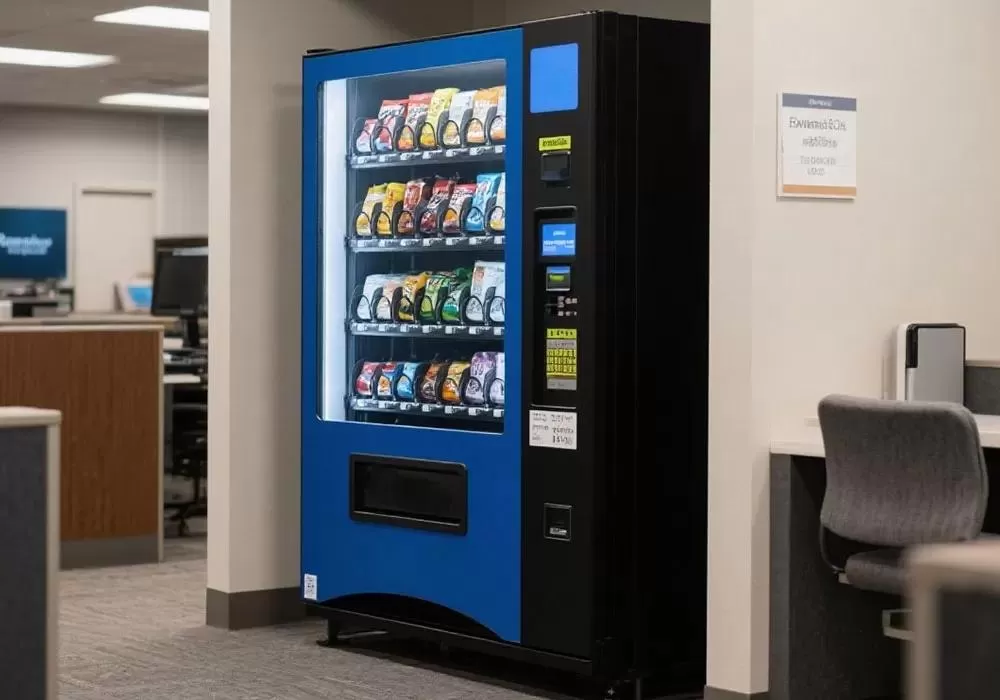
Vending isn’t just crisps and cans. A frozen food vending machine lets you sell ice cream, ready meals, farm produce and more, 24 hours a day, without staff.
This guide explains what a frozen food vending machine is, nine of the best products to sell, the temperature and food rules in the UK, the best sites and how to choose a machine.
Quick answer: A frozen food vending machine keeps products at -18°C or colder and sells them through a payment system with no staff needed.
Ice cream is the biggest seller, but ready meals, farm meat, bagged ice, frozen bait and raw pet food also work. You’ll usually need to register as a food business with your council at least 28 days before trading.
Freezer vending machines in stock
Ice cream and freezer machines, tested and delivered free anywhere in the UK.
View the Ice Cream Freezer Machine →What is a frozen food vending machine?
A frozen food vending machine is a freezer combined with a payment system and a way to deliver products to the customer. It works like any other vending machine, but holds stock at freezer temperatures.
Most machines use one of three designs. Some use spirals like a snack machine, some use a lift that carries the product gently to the hatch, and some use individual locker doors.
Lift and locker designs are kinder to fragile products such as ice cream cones and ready meals. Spirals suit sturdy packs such as lollies and bagged ice.
Frozen food vending machine: 9 proven ideas
1. Ice cream and lollies
Ice cream is the classic frozen food vending machine product. Tubs, cones, sticks and lollies sell well wherever families and young people gather. Our ice cream vending machine guide covers this in depth.
2. Beaded ice cream
Branded beaded ice cream such as Dippin’ Dots and Mini Melts sells at a premium and stands out. It needs much colder storage, at around -40°C.
3. Frozen ready meals
Ready meals suit hospitals, factories and offices with night shifts. Place a microwave nearby and staff can have a proper meal at any hour.
4. Farm meat and produce
Farms and farm shops sell frozen beef, lamb, pork, sausages and burgers through vending machines. It lets customers buy outside opening hours.
5. Frozen desserts and cakes
Cheesecakes, gateaux and desserts work well at farm shops, bakeries and holiday parks. They make a good add-on to fresh produce.
6. Bagged ice
Bags of ice sell well at campsites, marinas, holiday parks and forecourts in summer. They’re cheap to stock and simple to sell.
7. Frozen bait
Anglers buy frozen bait such as sandeel, squid and mackerel. A freezer machine at a fishing lake or tackle shop sells around the clock.
8. Raw pet food
Raw dog food is growing in popularity. A frozen food vending machine at a pet shop, groomer or kennels serves owners after hours.
9. Frozen pizza and snacks
Pizza, pies and frozen snacks suit student accommodation and late-night sites, especially where a microwave or oven is available.
Frozen food vending machine temperature rules
Frozen food should be kept at -18°C or colder. The Quick-frozen Foodstuffs (England) Regulations 2007 allow retail display cabinets to run warmer than -18°C only in line with good storage practice, and never warmer than -12°C.
That means a frozen food vending machine must hold a steady temperature, even when it’s opened for restocking. Choose a machine with a clear temperature display and, ideally, an alarm.
Beaded ice cream needs far colder storage, at around -40°C. Check the machine’s specification before buying for that use.
Registering as a food business
Selling food, including frozen food, usually means registering as a food business. GOV.UK says you should do this with your local authority at least 28 days before you start trading, and that registration is free.
You can read the details in the GOV.UK guidance on starting a food business. Your council may also inspect your setup and give you a food hygiene rating.
Our vending machine regulations guide covers the wider rules that apply to all machines in the UK.
Labelling and allergens
Every product in a frozen food vending machine must be properly labelled. That includes a name, ingredients, allergens, a use-by or best-before date and storage instructions.
Pre-packed products from a manufacturer will already carry this. If you pack your own, such as farm meat, you must label it yourself, including the 14 major allergens.
Customers can’t ask a member of staff, so make allergen information easy to find. A sign on the machine pointing to labels or a website helps.
Best sites for a frozen food vending machine
The right site makes all the difference. A frozen food vending machine works best where people want food outside normal shop hours, or where there’s no shop at all.
- Farms and farm shops: meat, desserts and ice cream after hours.
- Hospitals: ready meals for night-shift staff. See vending machines for hospitals.
- Factories and warehouses: meals for shift workers. See vending machines for warehouses.
- Holiday parks and campsites: ice, ice cream and easy meals. See caravan park vending machines.
- Leisure centres: ice cream and lollies. See leisure centre vending machines.
- Fishing lakes: frozen bait at any hour. See our live bait vending machine guide.
Frozen food vending machine for farms
Farms were among the first in the UK to adopt frozen food vending. A machine at the farm gate lets customers buy meat, eggs and dairy products whenever they pass.
A frozen food vending machine works well beside a chilled machine for fresh produce. Our Fresh Produce Vending Machine suits chilled lines such as vegetables, eggs and cheese.
Outdoor sites need weather protection. A canopy or small shelter keeps the machine dry and out of direct sun, which also cuts running costs.
Frozen food vending machine for hospitals and night shifts
Hospital canteens often close in the evening, leaving night staff with few hot options. A frozen food vending machine stocked with ready meals, next to a microwave, solves the problem.
The same idea works in factories, distribution centres and call centres with 24-hour shifts. Frozen meals last far longer than chilled sandwiches, so there’s less waste.
For hot meals served ready to eat, see our hot food vending machine guide.
Bagged ice at campsites and marinas
Bagged ice is one of the simplest frozen products to sell. Campers, boat owners and people hosting barbecues all need it, often late in the day when shops are shut.
Ice is cheap to buy or make, light to restock and sells strongly through summer. A freezer near the site entrance or shower block catches most buyers.
Raw pet food after hours
Raw feeding has become a popular choice for dog owners, and many buy in bulk from local suppliers. A frozen food vending machine outside a pet shop, groomer or kennels lets them collect food at any time.
Pet food packs are usually sturdy and flat, which suits vending well. Clear labels showing weight and protein type help owners choose quickly.
Keep pet food separate from human food in its own machine. It avoids any confusion and keeps food safety simple.
Frozen food vs chilled and hot food vending
Each type of food vending suits different needs. The table below compares them.
| Type | Temperature | Shelf life | Best for |
|---|---|---|---|
| Frozen food | -18°C or colder | Months | Ice cream, meals, meat, ice |
| Chilled food | Below 8°C | Days | Sandwiches, salads, dairy |
| Hot food | Heated to serve | Varies | Ready-to-eat meals |
A frozen food vending machine has the big advantage of long shelf life. You waste less stock and visit less often than with chilled food. Our fresh food vending machine guide covers chilled options.
Choosing a frozen food vending machine
Several features matter more than price when choosing a frozen food vending machine.
- Temperature range: -18°C or colder for most frozen food; around -40°C for beaded ice cream.
- Dispensing method: lift or locker designs for fragile items, spirals for sturdy packs.
- Capacity: enough stock for your busiest day.
- Payment: card and phone payments are essential.
- Telemetry: alerts for stock levels and temperature faults.
- Indoor or outdoor: outdoor machines need weather protection.
Our guide to choosing the right vending machine walks through the wider decision.
Frozen food vending machine costs
Prices depend on size, temperature range and dispensing method. Irelley’s Dippin’ Dots Ice Cream Machine costs £1,095, and other freezer machines are listed in our vending machines for sale.
Running costs are higher than a snack machine, because the freezer runs around the clock. Our guide to vending machine electricity costs explains how to estimate them.
Card payment with telemetry on Irelley machines costs £10 a month plus 2% per transaction. Payment plans are available with 0% interest.
Pricing frozen products
Products from a frozen food vending machine usually sell for more than snacks, which helps margins. Ice cream, ready meals and farm meat can all carry healthy prices.
Price in line with local shops, adding a little for convenience at out-of-hours sites. Our vending machine pricing guide explains how to set prices that sell.
To estimate profit per machine, see how much vending machines make.
Restocking a frozen food vending machine
Restocking needs care so products stay frozen. Bring stock in insulated boxes or a freezer van, and keep the machine door open for as short a time as possible.
Rotate stock so older products sell first. Check dates on every visit and remove anything past its use-by date.
Because frozen products last for months, a frozen food vending machine usually needs fewer visits than a chilled one. Our restocking guide covers the basics.
Keeping the machine running
Freezers work hard, so regular care keeps them reliable. Check door seals, keep vents clear and defrost the machine on a schedule.
A temperature alarm or telemetry alert warns you before a fault spoils stock. If the temperature rises above safe levels for too long, the food may need to be thrown away.
Our vending machine maintenance guide covers routine checks, and our cleaning guide explains how to keep food machines hygienic.
Insurance and power cuts
A power cut can spoil a full machine of frozen stock. Check whether your insurance covers stock loss from breakdowns or power failures.
Our vending machine insurance guide explains the main types of cover. Telemetry that alerts you when power drops can help you act fast.
Frozen food vending machine ideas by season
Demand shifts through the year. Ice cream, ice and lollies peak in summer, while ready meals, pies and desserts hold up better in winter.
Christmas brings its own opportunities, from frozen desserts and party food to festive ice cream flavours. Bank holidays and school holidays also lift demand at family sites, so plan bigger orders ahead of them.
Swap some lines with the seasons to keep sales steady. A frozen food vending machine with a mixed range smooths out quiet months.
Packaging that works in vending
Packaging matters more in a machine than on a shop shelf. Products need to be sturdy enough to drop, slide or lift without breaking, and sized to fit the columns or lockers.
Flat boxes, trays and sealed bags work best. Loose items, thin film wraps and glass jars are more likely to cause jams or damage.
Clear labels on the front of the pack help customers choose through the glass. Bright colours and large product names catch the eye from a distance.
Working with local producers
Local butchers, bakers and farms often look for new ways to sell. A frozen food vending machine gives them a 24-hour outlet without opening a shop.
Some operators buy stock outright, while others agree a commission with the producer. Our vending machine commission rates guide explains how these deals usually work.
Local products also make a machine stand out. Customers enjoy buying meat, pies or ice cream made nearby.
Payments and security
Frozen products often cost more than a snack, so card and phone payments are essential. Few customers carry enough coins for a ready meal or a pack of steaks.
Our contactless payment guide explains the options. Outdoor machines also need strong locks and good lighting; see our vending machine security guide.
Questions site hosts ask
Will it need much space? Most machines take up about the same floor space as a large fridge. Allow room around the back and sides for air to flow.
Who handles food safety? The operator usually registers the business and manages stock, labels and temperatures. Agree responsibilities in writing before installation.
What if the power goes off? A well-sealed freezer stays cold for several hours if the door stays closed. Telemetry alerts help the operator respond quickly.
Getting started step by step
- Choose your products and check the temperatures they need.
- Find a site with steady demand and space for the machine.
- Pick a frozen food vending machine with the right dispensing method.
- Register as a food business at least 28 days before trading.
- Arrange reliable stock supply and an insulated way to transport it.
- Set prices, install the machine and track sales for the first month.
Our guide to starting a vending machine business covers the wider setup, from budgets to finding sites.
Common mistakes to avoid
- Choosing a machine that can’t hold a steady -18°C.
- Forgetting to register as a food business.
- Selling own-packed products without proper labels and allergens.
- Placing an outdoor machine in full sun with no shelter.
- Overstocking slow lines that sit for months.
- Having no plan for power cuts or breakdowns.
Frozen food vending machines from Irelley
Irelley stocks several freezer machines, including the Ice Cream Freezer Machine with custom wrap, the Dippin’ Dots Ice Cream Machine and the Mini Melts Ice Cream Machine. For bait and specialist products, see the Live Bait Specialty Machine and our Custom Retail Machine.
Every machine is tested before dispatch, delivered and installed free anywhere in the UK, and covered by a 12-month warranty. Ask our team which frozen food vending machine suits your products and temperatures.
The verdict
A frozen food vending machine opens up products that ordinary vending can’t touch, from ice cream to farm meat and ready meals. Long shelf life means less waste and fewer restocking visits.
Get the temperature, labelling and registration right, choose a site with steady demand and you have a strong, low-maintenance income stream. Browse our vending machines for sale or contact our team for advice.
FAQ
Frequently asked questions
A frozen food vending machine is a freezer with a built-in payment system and dispensing mechanism. It keeps products such as ice cream, ready meals, meat or ice at freezer temperatures and sells them without staff.
Frozen food should be kept at -18°C or colder. Under the Quick-frozen Foodstuffs Regulations, retail display cabinets can rise above -18°C only briefly and never above -12°C.
Yes, in most cases. GOV.UK says you should register a food business with your local authority at least 28 days before you start trading. Registration is free.
Ice cream and ice lollies are the biggest sellers. Ready meals, farm meat, bagged ice, frozen bait and raw pet food also work well at the right sites.
Farm shops, hospitals, workplaces with night shifts, holiday parks, campsites, fishing lakes, leisure centres and student accommodation.
Prices vary with size and features. Irelley’s Dippin’ Dots Ice Cream Machine costs £1,095, and other freezer machines are priced on our shop page.
Not directly. Some sites place a microwave next to the machine so customers can heat frozen ready meals, while hot food vending machines are a separate type.
Frozen stock lasts much longer than chilled, so many machines need restocking weekly or less. Busy sites in summer may need more frequent visits.
They use more than a snack machine because they run a freezer around the clock. Good door seals, shade and ventilation keep costs down.
Freezer vending machines
Tested machines with free UK delivery and installation.
[…] frozen food vending machine guide covers freezer machines in more […]