

Vending machines for hospitals: 7 critical tips for 2026
How to choose, stock and place machines for NHS and private hospitals, where staff, patients and visitors need food and drink around the clock.
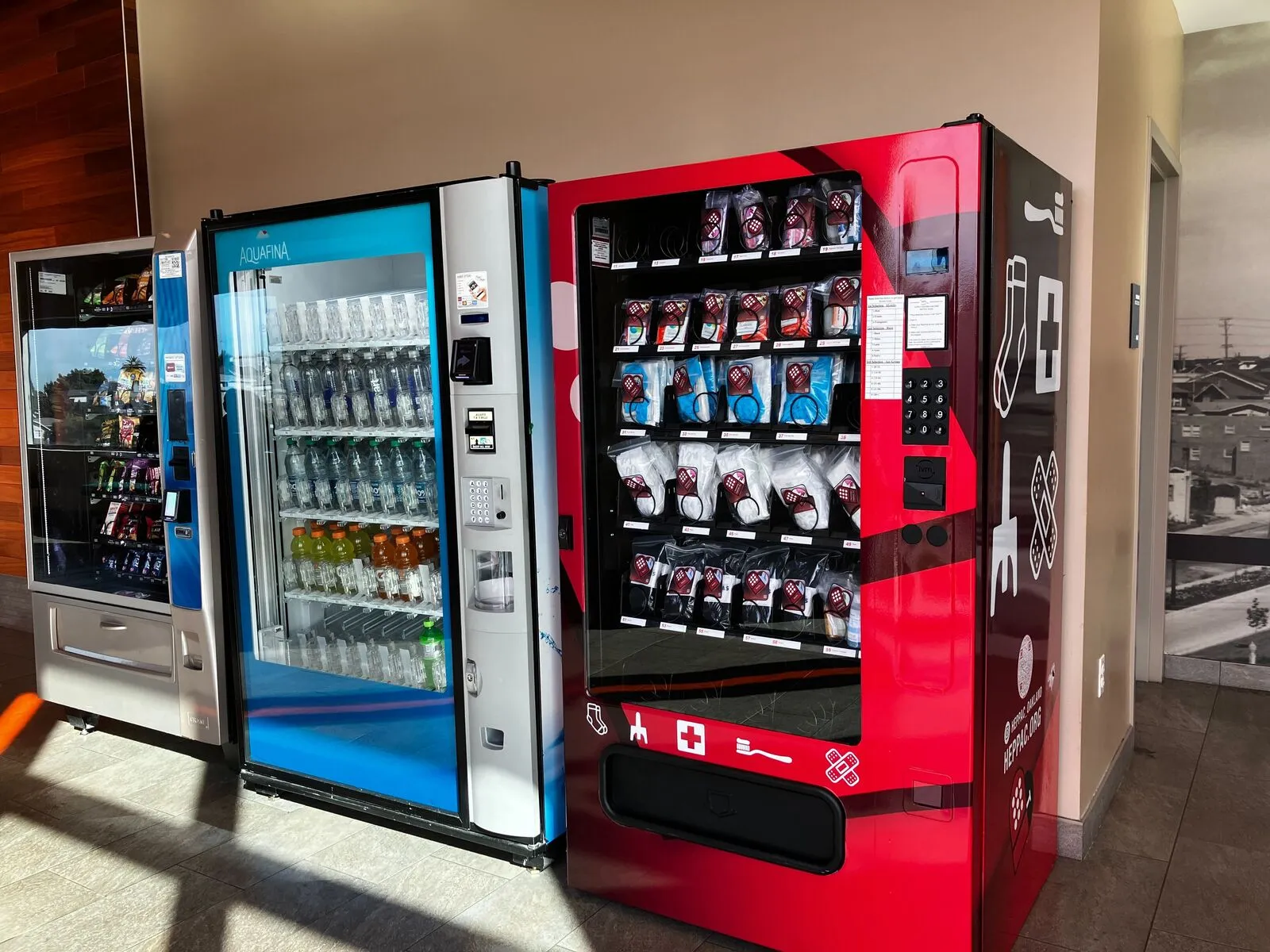
Vending machines for hospitals do a job few other sites ask of them. They serve night-shift nurses at 3am, worried relatives in A&E and outpatients waiting for appointments, often when every café on site is closed.
This guide covers 7 critical tips for vending machines for hospitals, the healthier vending rules many NHS trusts follow, the best machine types, placement, hygiene and costs.
Browse hospital-ready machines
Water, coffee, healthy combo and fresh produce machines, delivered and installed free anywhere in the UK.
View Machines For Sale →Why vending machines for hospitals matter
Hospitals never close. Staff work 12-hour shifts through the night, and visitors arrive at all hours, often without planning to stay long.
Cafés and shops usually close in the evening, leaving vending machines for hospitals as the only source of food and drink for many hours. For night staff, a working machine can be the difference between a proper break and none at all.
For patients’ families, a hot drink or a bottle of water during a long wait is a small comfort that matters. That’s why reliability counts for more in a hospital than almost anywhere else.
Patients who are mobile use them too, especially on long stays. A short walk to a machine for a favourite drink can lift someone’s day, provided it fits any dietary advice from their care team.
Good vending machines for hospitals also take pressure off staff. Fewer requests to fetch drinks or snacks from elsewhere means more time for patient care.
7 critical tips for vending machines for hospitals
Use these tips to plan vending machines for hospitals that serve staff, patients and visitors well.
1. Follow the trust’s healthier food policy
Many NHS trusts limit sugary drinks and less healthy snacks in their shops and vending machines. Check the trust’s policy and contract terms before choosing a range.
2. Plan for 24-hour use
Machines must stay stocked through nights and weekends. Schedule restocking so vending machines for hospitals are full before evening and weekend peaks.
3. Put night staff first
A machine in or near staff rest areas makes a real difference on long shifts. Hot drinks, water and filling, healthier snacks are the priorities.
4. Make payment easy
Visitors often arrive in a hurry with no cash. Card and phone payment is essential, and our contactless vending machine guide explains what to look for.
5. Choose easy-clean machines
Infection control matters in every hospital. Smooth, wipeable surfaces, touchscreens and card readers that can be cleaned often are a must.
6. Keep corridors clear
Beds, trolleys and equipment move through hospital corridors constantly. Place vending machines for hospitals in alcoves, waiting areas or entrances, never where they narrow a route.
7. Fix faults fast
A broken machine at 2am can’t wait until Monday. Agree clear response times and make sure staff know who to call.
“On a night shift, the vending machine is often the only thing open in the building. That’s a responsibility, not just a sales opportunity.”
Healthier vending in the NHS
NHS England has pushed for years to cut sugary drink sales across hospital shops, canteens and vending machines. Its consultation on sugar-sweetened drinks on NHS premises set out options ranging from fees on sugary drinks to outright bans.
Since then, many trusts have written healthier food and drink rules into their catering and vending contracts. In practice, that often means more water and sugar-free drinks, fewer high-sugar products and calorie information on display.
Rules vary from trust to trust, so always ask for the current policy. Building vending machines for hospitals around it from the start avoids awkward changes later.
What to stock
The best-selling items in vending machines for hospitals reflect long waits and long shifts. A typical healthier range includes:
- Water: still and sparkling, always the core of the range
- Hot drinks: coffee, tea and hot chocolate, especially at night
- Sugar-free soft drinks: in smaller sizes where the trust allows
- Healthier snacks: nuts, seeds, protein bars and lower-calorie options
- Fresh food: sandwiches, salads and fruit where chilled machines are used
Clear calorie and allergen labelling helps staff and visitors make quick choices. It’s also increasingly expected in vending machines for hospitals.
Best machine types for hospitals
Most hospitals need a mix of vending machines for hospitals, spread across public and staff areas.
Coffee machines
In vending machines for hospitals, hot drinks are vital for night staff and visitors alike. Our premium gourmet coffee machine delivers quality coffee around the clock.
Water machines
Water is the simplest, healthiest product in vending machines for hospitals. Our Everest ice water machine suits busy waiting areas and entrances.
Healthy combo machines
Snacks and drinks in one cabinet, stocked to the trust’s policy. Our healthy vending combo is built for exactly this.
Fresh food machines
Chilled machines with fruit, salads and sandwiches give night staff a proper meal option. Our fresh produce vending machine is a good starting point.
Public Areas
Visitors and Patients
- Machines: Water, coffee and healthy combo
- Focus: Quick drinks and light snacks
- Placement: Entrances, A&E and outpatients
- Payment: Card, phone and coin
- Peak times: Visiting hours and evenings
Staff Areas
Night and Day Shifts
- Machines: Coffee and fresh food
- Focus: Filling meals and hot drinks
- Placement: Staff rest rooms
- Payment: Card and phone
- Peak times: Overnight and weekends
Placement in a hospital
The busiest spots for vending machines for hospitals are main entrances, A&E waiting areas, outpatient clinics and maternity units. These are where people wait longest and have least choice.
Staff rest rooms are just as important, especially on wards far from the main concourse. Vending machines for hospitals close to the ward save precious minutes on a short break.
Check fire routes, accessibility and power before installing vending machines for hospitals. The estates team will usually need to approve the exact location. Our guide to vending machine locations in the UK has more general placement advice.
Hygiene and infection control
Wipe keypads, touchscreens, card readers and collection trays on vending machines for hospitals frequently, using cleaning products approved by the site. Keep a hand sanitiser point nearby.
Check product dates at every restock, and keep chilled machines at a steady, safe temperature. Our guide to cleaning a vending machine covers the basics in more detail.
Our take: start with card-ready water and coffee machines in the busiest waiting areas and staff rooms. Stock them strictly to the trust’s healthier food policy, and keep them working around the clock.
Private hospitals and clinics
Private hospitals, day-surgery centres and larger clinics have many of the same needs on a smaller scale. Vending machines for hospitals in the private sector often lean towards premium coffee and a curated healthy range.
Waiting times can still be long, especially for day-case patients’ relatives. A water and coffee machine in reception often covers most needs.
Smaller clinics may only need one compact machine. Our compact snack and drink machine is a neat option where space is limited.
Peak demand and winter pressure
Winter brings the busiest months for most hospitals, with longer A&E waits and more visitors. Stock vending machines for hospitals more heavily from November to March, especially hot drinks.
Summer heatwaves shift demand to cold water and chilled drinks. Check chilled machines are holding temperature and restock more often in hot weather.
Remote sales monitoring helps you spot these swings early. It keeps vending machines for hospitals full when demand jumps without warning.
Sustainability
Many NHS trusts now have net zero and waste targets. Energy-efficient vending machines for hospitals, with LED lighting and good insulation, help cut running costs and emissions.
Recyclable packaging and a recycling point next to the machine also help. Our guide to vending machine electricity costs explains what affects running costs.
Working with NHS trusts
NHS trusts usually buy vending services through procurement, often as part of wider catering contracts. Expect to provide evidence of food hygiene standards, insurance and how you’ll meet the trust’s healthier food rules.
Private hospitals and clinics can move faster when buying vending machines for hospitals, but they’ll still expect a healthy range and reliable service. Our vending machine insurance guide and vending machine regulations guide cover what you’ll need.
If you’re pitching to a smaller hospital or clinic, our vending machine pitch guide has a script you can adapt. Lead with 24-hour service and reliability.
Whatever the setting, keep clear records of stock, cleaning and repairs. Trusts value suppliers of vending machines for hospitals who can show their standards on paper.
Buying from Irelley
Browse all our vending machines for sale, then contact our team to talk through vending machines for hospitals and clinics.
We deliver and install free anywhere in the UK. See how our vending machine delivery and installation works, check our vending machine warranty, or spread the cost with our vending machine payment plans.
FAQ
Frequently asked questions
Many NHS trusts limit or remove sugary drinks from shops, canteens and vending machines. Rules vary by trust, so check the trust’s healthier food policy before stocking vending machines for hospitals.
Usually the trust’s estates, facilities or catering team, often through a contract with the operator. Healthier food and drink requirements are commonly written into those contracts.
Busy public areas such as main entrances, outpatient waiting areas and A&E, plus staff rest rooms for night shifts. Keep them clear of corridors used by beds and equipment.
In most hospitals, yes. Night staff, visitors and patients’ families often rely on vending machines for hospitals when cafés and shops are closed.
Card and phone payment are essential, as many visitors arrive without cash. Keeping a coin option can still help older visitors.
Round-the-clock vending
Water, coffee and healthy machines for hospitals and clinics, delivered and installed free anywhere in the UK.