

How to clean a vending machine: step-by-step hygiene guide.
A dirty vending machine loses sales, damages your reputation, and risks food safety complaints. A clean one sells more, lasts longer, and keeps site managers happy. Here is exactly how to clean a vending machine properly.
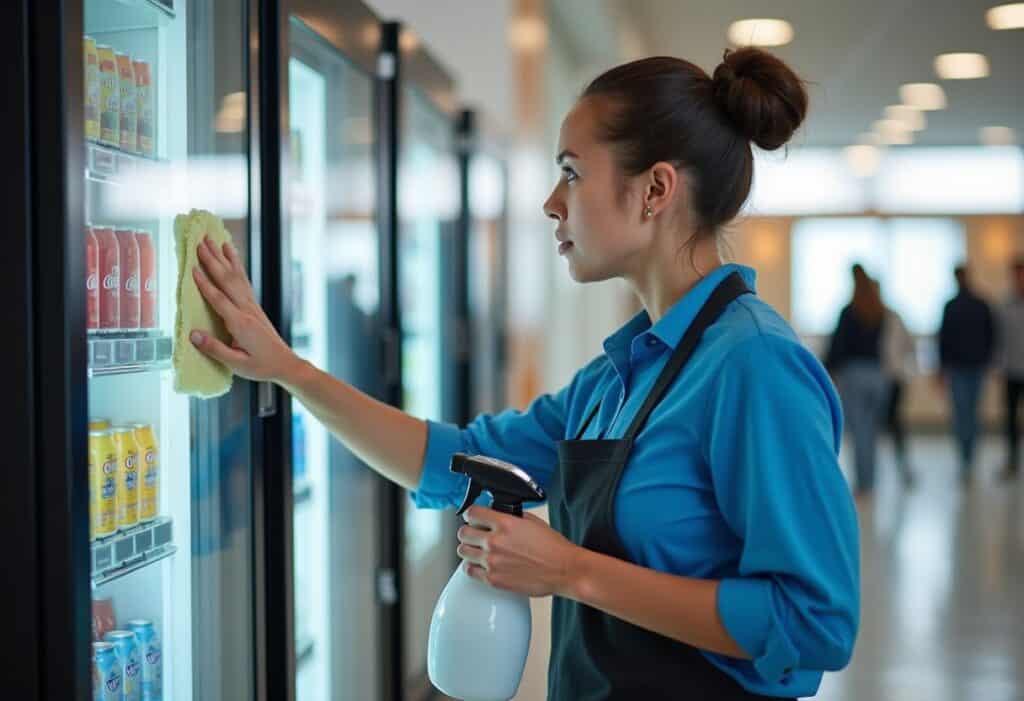
Clean a vending machine regularly and it sells more, lasts longer, and keeps your placement agreements intact. Neglect it and you get a machine with smudged glass that nobody wants to buy from, sticky buttons that customers avoid touching, a delivery bin with crumb buildup that looks unhygienic, and a site manager who is one complaint away from asking you to remove it. Cleaning is not glamorous work, but it is some of the highest-ROI time a vending operator can spend — because a visibly clean machine outsells a dirty one by a significant margin, even when the products inside are identical.
This guide covers exactly how to clean a vending machine inside and out: what products to use, what to avoid, how often each area needs attention, the food safety considerations that matter in the UK, and the cleaning schedule that keeps your machines looking professional without consuming your entire restocking visit. The hygiene principles here are consistent with general food safety guidance from the Automatic Vending Association (AVA).
How to clean a vending machine — what you need
- Microfibre cloths: At least 3–4 per machine. Use different colours for exterior, interior, and delivery bin to prevent cross-contamination. Microfibre lifts dirt without scratching glass or plastic.
- Food-safe surface cleaner: An antibacterial spray that is approved for use around food. Standard kitchen surface sprays from Dettol or similar brands work well. Avoid anything with bleach or strong solvents near food-contact surfaces.
- Glass cleaner: For the front display window. A streak-free formula makes the products inside look more appealing — this is the single most visible surface on the machine.
- Warm water and mild detergent: For general wiping of interior shelves and trays. Nothing aggressive — warm soapy water handles most residue.
- Small brush or vacuum: For clearing crumbs and debris from the delivery bin, coin mechanism, and hard-to-reach crevices.
- Disposable gloves: For handling the delivery bin and coin box areas, which accumulate the most bacteria.
- Bin bag: For expired products and waste collected during cleaning.
Never use abrasive cleaners, steel wool, or solvent-based products on any part of a vending machine. Abrasives scratch the glass and plastic, solvents can damage electronic components and payment readers, and harsh chemicals near food products create a health risk. When you clean a vending machine, gentle and food-safe is always the right approach.
How to clean a vending machine — the exterior
The exterior is what customers see and touch. It forms their first impression of the machine and, by extension, of you as an operator. Clean a vending machine’s exterior at every restocking visit — it takes 3–5 minutes and has a direct impact on sales.
Front glass/display window
Spray glass cleaner onto your microfibre cloth — not directly onto the glass, which can drip into the mechanism below. Wipe in smooth, overlapping strokes from top to bottom. Remove fingerprints, smudges, dust, and any dried liquid spots. A crystal-clear window makes the products inside look fresh and appealing. This single step is the most impactful part of learning how to clean a vending machine.
Selection panel and buttons
Spray food-safe antibacterial cleaner onto a cloth and wipe every button, keypad digit, and touchscreen surface. These are the most-touched surfaces on the machine and accumulate bacteria, skin oils, and grime rapidly. Pay attention to the edges around buttons where dirt collects. If the machine has a touchscreen, use a screen-appropriate cleaner to avoid damaging the display.
Card reader and coin slot
Wipe the contactless payment area with a dry or slightly damp microfibre cloth. Do not spray liquid directly onto electronic payment components. For coin slots, use a small brush to clear any debris blocking the mechanism. A card reader that looks clean gives customers confidence to tap their card — a grimy one makes them hesitate.
Delivery bin
The delivery bin is the area where purchased products land for collection. It accumulates crumbs, spilled liquids, wrapper fragments, and occasionally items that customers decided not to take. Remove all debris by hand or with a small brush, then wipe thoroughly with antibacterial cleaner. This is a food-contact surface — when you clean a vending machine, the delivery bin deserves the most attention.
Side panels and top
Wipe down the side panels and top of the machine with a damp cloth. These surfaces collect dust, and in kitchens or break rooms they may also accumulate grease or cooking residue. A dusty machine top is visible to anyone taller than the machine — and it signals neglect.
Looking for machines that are easy to maintain?
Many of our units feature removable trays, easy-access interiors, and smooth surfaces designed for quick cleaning.
Browse Machines →How to clean a vending machine — the interior
Interior cleaning is deeper work that does not need to happen at every visit but should be done at least monthly — or more frequently for machines that vend fresh food, sandwiches, or refrigerated products. Here is how to clean a vending machine interior properly:
Shelves and product trays
Remove all products from the shelves. Wipe each shelf or tray with warm soapy water, then dry thoroughly before replacing products. Look for sticky residue from leaked drinks, melted chocolate, or crushed packaging. Removable trays can be taken out and washed at a sink — if your machine has this feature, use it.
Vend motors and spirals
The spiral coils that push products forward accumulate residue from packaging — chocolate smears, crisp crumbs, and wrapper fragments. Wipe each spiral with a damp cloth. Check that they rotate freely and are not obstructed by debris. A stuck spiral means a failed vend, a refund request, and a frustrated customer.
Interior walls and floor
Wipe the interior walls and floor of the machine cabinet with a damp cloth and mild detergent. Crumbs and debris fall to the bottom of the machine over time — use a small brush or handheld vacuum to clear them. This prevents pest attraction and keeps the interior hygienic.
Refrigeration unit (cold drink and food machines)
Check the condenser coils and air vents for dust buildup. Dusty coils reduce cooling efficiency, increase electricity consumption, and shorten the lifespan of the refrigeration unit. A quick vacuum or brush of the condenser area during your monthly interior clean keeps the system running efficiently. Do not use water near electrical components — a dry brush or vacuum only.
Every visit
Quick Clean (3–5 min)
- Front glass: Streak-free wipe
- Buttons/keypad: Antibacterial wipe
- Card reader: Dry microfibre wipe
- Delivery bin: Clear debris, antibacterial wipe
- Exterior panels: Quick dust/wipe
Monthly
Deep Clean (20–30 min)
- All shelves/trays: Remove, wash, dry
- Spirals/motors: Wipe clean, check rotation
- Interior walls/floor: Wipe and vacuum
- Condenser/vents: Brush or vacuum dust
- Coin mechanism: Clear jams and debris
How to clean a vending machine — food safety considerations
If your machine vends food — whether packaged snacks, chilled sandwiches, or fresh items — food safety is not optional. UK food hygiene regulations apply to vending machines just as they apply to shops and restaurants. Understanding how to clean a vending machine in a food-safe manner protects your customers, your business, and your placement agreements.
- Temperature monitoring: Refrigerated machines should maintain a temperature of 5°C or below for chilled food. Check and record the temperature at every visit. If the machine cannot maintain temperature, remove perishable products immediately and arrange repair.
- Expiry date checks: Remove any products past their use-by or best-before date at every restocking visit. This is a legal requirement for use-by dates and a quality requirement for best-before dates.
- Allergen information: Ensure allergen information is visible and accurate for all food products. UK law requires this for pre-packed food sold through vending machines.
- Cleaning records: Keep a simple log of when each machine was cleaned and by whom. This is good practice for your own records and may be required if your local authority inspects your vending operation.
- Pest prevention: Crumbs and food debris attract pests. Regular interior cleaning — particularly the floor of the machine cabinet — is your first line of defence. If you notice signs of pest activity (droppings, gnaw marks, dead insects), deep clean immediately and notify the site manager.
“A clean vending machine is a selling machine. Customers make split-second decisions — if the glass is smudged, the buttons are sticky, or the delivery bin has crumbs in it, they walk past. If it looks clean and well-maintained, they buy. The correlation between cleanliness and sales is direct and measurable.”
How to clean a vending machine — common mistakes
Spraying cleaner directly onto the machine
Always spray onto the cloth, never directly onto the machine surface. Liquid can drip into electronic components, payment mechanisms, and product slots — causing malfunctions, short circuits, or contamination. This is the most common mistake operators make when learning how to clean a vending machine.
Using harsh chemicals
Bleach, ammonia-based cleaners, and solvent-based degreasers have no place near a vending machine. They damage plastic surfaces, corrode metal components, leave chemical residues near food, and produce fumes in enclosed break rooms. Food-safe antibacterial spray and warm soapy water handle every cleaning task a vending machine requires.
Skipping the delivery bin
The delivery bin is the last thing a customer touches before walking away with their purchase. If it is dirty, that is their lasting impression of your machine — and of your business. Three seconds of wiping after clearing debris makes a disproportionate difference to customer perception.
Cleaning only when it looks dirty
By the time a machine looks dirty to you, it has looked dirty to dozens of customers who chose not to buy. Clean a vending machine at every restocking visit regardless of whether it looks like it needs it. Preventive cleaning is faster and more effective than reactive cleaning.
Forgetting the condenser
A dusty condenser does not look dirty from the outside — but it silently reduces cooling efficiency, increases electricity costs by 10–15%, and shortens the lifespan of the refrigeration unit. A two-minute brush or vacuum during the monthly deep clean prevents a £300–£500 repair bill.
The fastest way to lose a placement is a dirty machine. Site managers notice. Customers notice. Competitors notice. When you clean a vending machine consistently — exterior at every visit, interior monthly — you protect the asset, protect the placement, and protect the revenue it generates. Five minutes of cleaning is cheaper than finding a new location.
Common questions — clean a vending machine
Machines that are built to be easy to maintain.
Browse our stock of 70+ tested machines — many featuring removable trays, easy-access interiors, and smooth surfaces designed for quick cleaning.