

Vending machine contactless payment UK: complete setup guide.
Vending machine contactless payment UK is no longer optional — it is essential. Over 65% of vending transactions are now cashless, and that number is climbing every month. Here is exactly how to set it up, what it costs, and which system to choose.
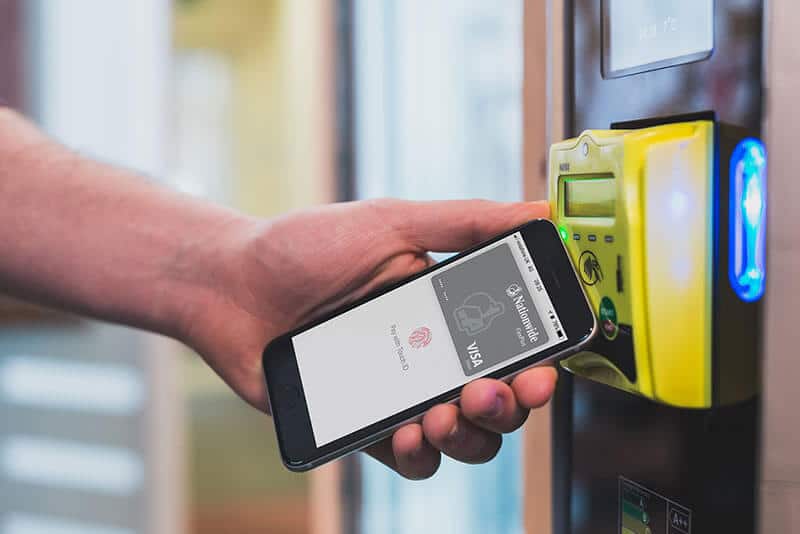
Vending machine contactless payment UK is the single highest-ROI upgrade you can make to any vending machine — new or refurbished. The data is unambiguous: machines with contactless card readers consistently earn 15–25% more revenue than cash-only machines. In a market where over 65% of all vending transactions are now cashless, operating a machine that only accepts coins is not just leaving money on the table — it is actively turning away the majority of potential customers who expect to tap and pay.
This guide walks you through everything you need to know about vending machine contactless payment UK: how it works, which systems are available, what it costs to set up, and a step-by-step installation process. Whether you are upgrading a refurbished machine or specifying a new one, this is the definitive guide to going cashless. The information here is consistent with current industry standards from the Automatic Vending Association.
Vending machine contactless payment UK — why it matters now
The shift to cashless vending in the UK has accelerated dramatically since 2020. Before the pandemic, roughly 30–40% of vending transactions were cashless. Today that figure sits at 65–70% and is still rising. For operators, this means that a cash-only machine is invisible to two-thirds of potential customers — people who carry no coins, pay for everything by card or phone, and will simply walk past your machine if it does not accept contactless.
The revenue impact of adding vending machine contactless payment UK is immediate and measurable:
- 15–25% increase in gross revenue — documented consistently across UK operators who upgrade from cash-only to cashless
- Higher average transaction value — customers spend slightly more per transaction when paying by card versus counting out coins
- Reduced cash handling — fewer coin collection visits, less risk of theft, and no more jammed coin mechanisms
- Real-time sales data — most contactless systems include telemetry that reports sales, stock levels, and machine status to your phone or dashboard
The bottom line: If your vending machine does not accept contactless payment, you are losing 15–25% of potential revenue every single month. For a machine earning £400/month cash-only, adding vending machine contactless payment UK could add £60–£100 in monthly revenue — paying for the hardware within 2–4 months.
Vending machine contactless payment UK — how it works
The technology behind vending machine contactless payment UK is simpler than most people expect. A card reader unit connects to your vending machine’s existing payment interface — the same port that the coin mechanism uses — and communicates with card networks via a built-in mobile SIM card. Here is the process in plain English:
- Customer taps: The customer holds their card, phone, or watch near the reader. The reader detects the NFC signal and communicates with the payment network.
- Authorisation: The payment processor checks the card has sufficient funds and authorises the transaction. This takes 1–3 seconds.
- Machine vends: The reader sends a “payment accepted” signal to the vending machine via the MDB interface, exactly as if a coin had been inserted. The machine dispenses the product.
- Settlement: The payment amount (minus transaction fees) is deposited into your nominated bank account, typically within 1–3 business days.
The reader handles Visa, Mastercard, American Express, Apple Pay, Google Pay, and Samsung Pay. There is no setup required on the customer’s side — they simply tap and go, the same way they would at any shop.
Vending machine contactless payment UK — which system to choose
There are several vending machine contactless payment UK providers, each with different pricing models, features, and telemetry capabilities. Here are the main options:
| Provider | Hardware cost | Monthly fee | Transaction fee | Telemetry included |
|---|---|---|---|---|
| Nayax | £200–£350 | £10–£15 | 1.8–2.5% | Yes — full dashboard |
| Payter | £150–£280 | £8–£12 | 1.5–2.5% | Yes — basic |
| Crane CPI | £250–£400 | £12–£20 | 2.0–3.0% | Yes — advanced |
| Vendman | £180–£300 | £10–£15 | 1.8–2.5% | Yes — mid-tier |
Best for beginners
Nayax
- Why: Most widely used in UK vending
- Dashboard: Excellent mobile app and web portal
- Support: Strong UK-based support team
- Telemetry: Real-time sales, stock alerts, remote pricing
- Best for: Operators wanting full visibility from day one
Best value
Payter
- Why: Lowest hardware and monthly costs
- Dashboard: Basic but functional reporting
- Support: Good, slightly smaller UK team
- Telemetry: Sales data and alerts
- Best for: Cost-conscious operators, 1–5 machines
Vending machine contactless payment UK — step-by-step setup
Step 1: Check your machine’s payment interface
Before ordering any vending machine contactless payment UK hardware, confirm that your machine has an MDB (Multi-Drop Bus) or Executive payment interface. This is the standard communication protocol used by virtually all commercial vending machines manufactured in the last 20 years. If your machine currently accepts coins, it almost certainly has an MDB interface — the card reader connects to the same bus.
Step 2: Choose your provider and order the hardware
Based on the comparison above, select the provider that matches your budget and needs. Order the reader directly from the provider or through your vending machine supplier. Many suppliers — including Irelley — can supply and pre-install card readers on machines before delivery.
Step 3: Install the reader
Installation of vending machine contactless payment UK readers is straightforward and typically takes 30–60 minutes per machine:
- Mount the reader: Most units attach to the machine’s front panel using the existing mounting points or adhesive brackets. Position it at a height where customers can easily reach and see it.
- Connect to MDB: Plug the reader’s cable into the MDB harness — this is usually a simple plug-and-play connection alongside the existing coin mechanism.
- Power: The reader draws power from the machine’s internal supply via the MDB connection. No separate power source is needed.
- Activate the SIM: The built-in SIM card activates automatically when powered on. Confirm mobile signal strength at the machine’s location.
Step 4: Configure pricing and products
Log into your provider’s dashboard or app and set the price for each product slot. Most vending machine contactless payment UK systems allow you to set different prices for cash and card if you want to pass on transaction fees or keep pricing identical across both payment methods. We recommend keeping prices the same — customers dislike seeing a higher price for card payment.
Step 5: Test and go live
Run a test transaction with your own card to confirm everything works — payment accepted, product dispensed, transaction appears in your dashboard. Check that the reader displays correctly (usually a pulsing light or screen prompt inviting customers to tap). Once confirmed, your machine is live and accepting vending machine contactless payment UK-wide.
Need a machine with contactless already fitted?
Many of our new machines come with card readers pre-installed. We can also fit readers to refurbished machines before delivery.
Browse Machines →Vending machine contactless payment UK — understanding the costs
The total cost of vending machine contactless payment UK breaks down into three components:
| Cost type | Amount | Notes |
|---|---|---|
| Hardware (one-off) | £150–£400 | Or rent at £10–£25/month to avoid upfront cost |
| Monthly service fee | £5–£20 | Covers SIM data, platform access, and support |
| Transaction fee | 1.5–3% per sale | Deducted from each card payment before settlement |
For a machine doing £400/month in cashless sales at a 2% transaction fee, the total ongoing cost is approximately £8 in transaction fees plus £10–£15 in monthly service — roughly £20–£25 per month. Against the 15–25% revenue increase that contactless typically delivers, the return on investment is overwhelmingly positive.
Vending machine contactless payment UK — common mistakes to avoid
Hiding the reader where customers cannot see it
If customers do not know your machine accepts cards, they will assume it is cash-only and walk away. Mount the reader prominently, ensure it has a visible “tap here” prompt, and consider adding a small sticker or label saying “Contactless Accepted” near the product selection area. Visibility drives usage.
Not checking mobile signal before installation
Vending machine contactless payment UK readers need mobile data to process transactions. If your machine is in a basement, a metal-clad building, or an area with poor mobile coverage, the reader may fail to connect. Always check signal strength at the exact machine location before installing. If signal is weak, ask your provider about external antenna options or WiFi connectivity.
Ignoring the dashboard data
One of the biggest benefits of vending machine contactless payment UK systems is the telemetry data they provide — real-time sales, product performance, peak buying times, and stock levels. Operators who use this data to optimise product mix, pricing, and restocking schedules consistently outperform those who install the reader and never log in. The data is there — use it.
Removing the coin mechanism entirely
While cashless is dominant, roughly 30–35% of vending customers in the UK still pay with cash. Removing the coin mechanism to go fully cashless cuts off a third of your potential revenue. The best approach is dual payment — keep both the coin mechanism and the contactless reader operational. Let customers choose how they want to pay.
“Adding vending machine contactless payment UK was the single best investment we made in our fleet. Revenue went up 22% across all machines within the first month, and the telemetry data transformed how we managed restocking. It paid for itself in 6 weeks.”
The verdict: Vending machine contactless payment UK is not a nice-to-have — it is a must-have. The hardware pays for itself within 2–4 months, revenue increases are immediate and sustained, and the telemetry data alone is worth the monthly fee. If you are operating a cash-only machine in 2026, you are leaving money on the table every single day.
Common questions — vending machine contactless payment UK
Ready to go cashless?
Browse machines with contactless pre-installed, or get in touch and we’ll upgrade your existing machine.