

Vending machine myths: 12 busted with proven facts
Passive income, any location works, cash only, junk food and high bills: the common myths, and the real facts behind them.
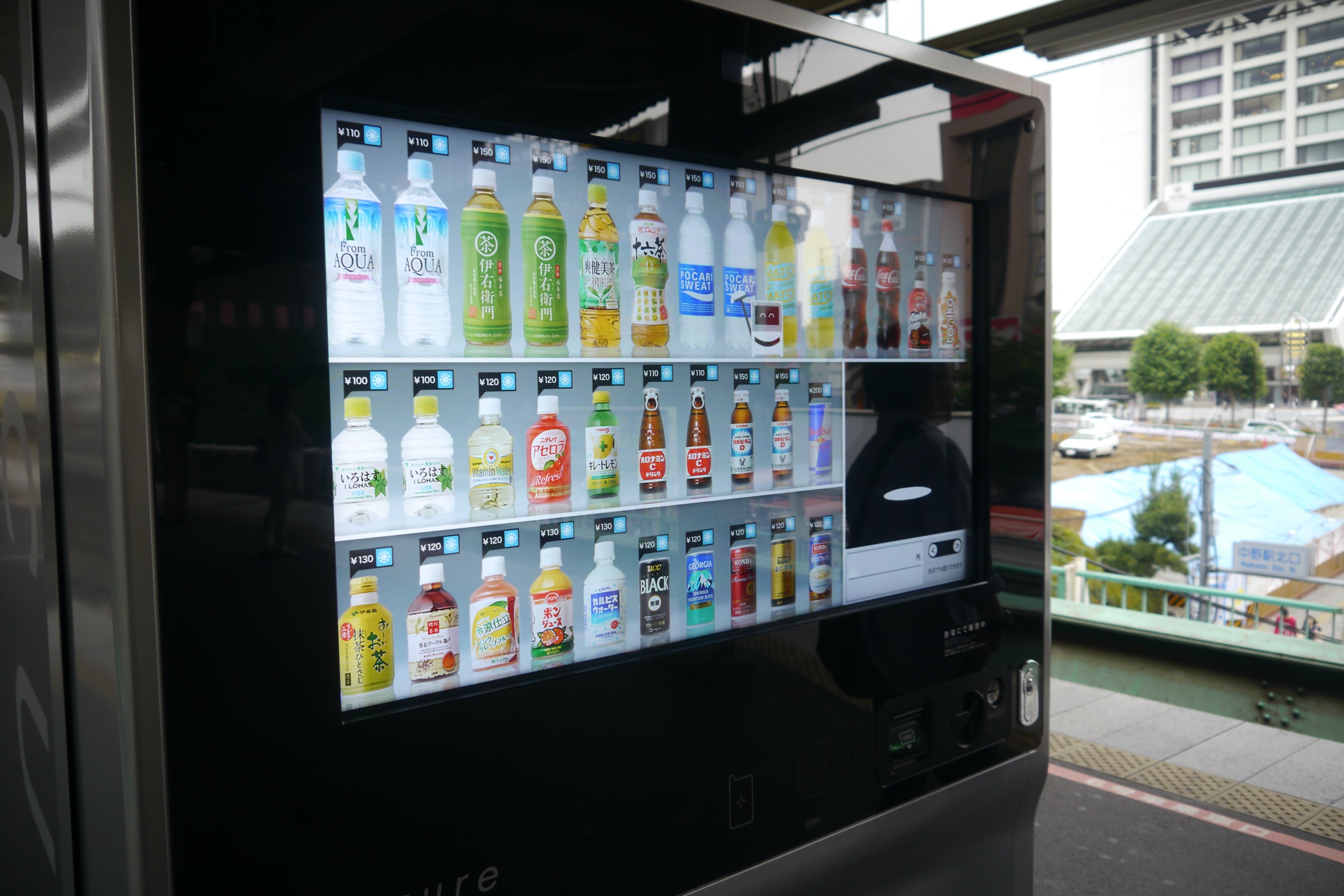
Vending has more myths around it than almost any other small business, and vending machine myths spread fast online. Some make it sound like easy money for doing nothing. Others make it sound like a dying trade full of broken machines.
This guide busts 12 common vending machine myths with proven facts. It’s for anyone thinking of buying a machine, starting a vending business or putting a machine in their workplace.
Quick answer: The biggest vending machine myths are that it’s passive income, that any location works and that machines are expensive to start and run. In reality, vending takes regular work, location decides profit, machines start from £695 and running costs are modest. Card payment, healthy ranges and telemetry have also changed the industry.
Start with the facts
Tested machines from £695, free UK delivery and installation, and payment plans with no credit check.
View Machines For Sale →Vending machine myths about making money
Myth 1: vending is 100% passive income
This is the most common of all vending machine myths. Vending can fit around a job, but it isn’t hands-off. You need to restock, clean, collect cash, rotate stock, handle refunds and look after the site relationship.
Telemetry and card payment cut the work a lot, because you only visit when machines need it. Our guide to running a vending machine business part time shows what a realistic week looks like.
Myth 2: every machine makes the same money
Two identical machines can earn very different amounts, which busts one of the oldest vending machine myths. One in a busy warehouse might sell all day, while one in a quiet office barely covers its costs.
Footfall, opening hours, nearby shops and product choice matter far more than the machine. Our guide to how much vending machines make explains the real numbers.
Myth 3: you get rich fast
Vending is a steady business, not a quick win, whatever vending machine myths on social media suggest. Most operators grow one site at a time, reinvesting profit into the next machine. Our vending machine profit calculator helps you set realistic expectations.
Vending machine myths about starting out
Myth 4: you need thousands to start
Machines vary widely in price, but you don’t need a fortune, despite common vending machine myths about start-up costs. Irelley machines range from £695 to £4,495 at the time of writing, with free delivery and installation.
Our payment plans start from a 25% deposit, with the balance spread over up to 12 months at 0% and no credit check. Start-ups can ask about a 20% deposit. See our pick of cheap vending machines under £1,000.
Myth 5: any location will do
Of all the vending machine myths, this one costs new operators the most. A great machine in a poor site will struggle.
The best sites have steady footfall, long hours and few nearby shops: warehouses, factories, gyms, hospitals, universities and busy offices. Our guide to vending machine locations UK explains how to find and assess them.
Myth 6: bigger machines always earn more
A large machine holds more stock, but it only earns more if the site has the demand. In a small office, a slim combo often sells just as well and fits the space. Our guide to compact vending machines covers smaller options.
Vending machine myths about payment
Myth 7: cash is still king
Many UK customers rarely carry cash, so this is one of the most outdated vending machine myths. Machines without card payment lose sales every day.
With Irelley, card payment with telemetry costs £10 a month plus 2% per transaction. For most sites, the extra sales are worth far more than the fees. Our vending machine contactless payment UK guide explains the details.
Myth 8: vending machines steal money
Customers often believe machines are set up to keep money. In reality, lost money is almost always caused by a jam, a failed drop or a card hold. Owners lose far more from unhappy customers than they gain from a stuck coin.
Vending machine myths about products
Myth 9: vending only sells junk food
Crisps and chocolate still sell well, but modern machines sell far more than vending machine myths suggest. Water, protein snacks, fresh sandwiches, hot meals, coffee, eggs, milk and PPE are all sold from machines across the UK.
Healthier ranges are now common in gyms, hospitals and workplaces. Our healthy vending combo and guide to food vending machines show what’s possible.
Myth 10: one range suits every site
A gym, a warehouse and a school need very different products. Tailoring your range to each site is one of the easiest ways to lift sales. See our guides to the best snacks for vending machines and best vending machine products UK.
Vending machine myths about running costs
Myth 11: machines cost a fortune in electricity
Electricity is one of the most exaggerated vending machine myths. Modern machines with LED lighting and low-power modes are far more efficient than older ones. A chilled machine typically costs around £30–£80 a month to run, while an unchilled snack machine costs much less.
Many site owners cover electricity in return for the convenience. Our vending machine electricity cost guide has the full figures.
Myth 12: machines break down constantly
Tested machines that are loaded and cleaned properly are reliable, so this is one of the vending machine myths that comes from old or poorly kept machines. Most faults are simple: a jam, a sticking spiral or a payment reader setting.
Every Irelley machine is tested before dispatch and covered by a 12-month warranty for parts and remote support. Our guide to vending machine maintenance covers a simple routine.
Vending machine myths about technology
“Telemetry is only for big operators”
Telemetry helps one-machine owners as much as large operators. It shows what’s selling and when stock is low, so you visit only when needed. Our guide to vending machine telemetry explains the benefits.
“You can’t add card payment to an older machine”
Many older machines can take a card reader, because most use a standard connection between the controller and payment devices. Check compatibility before you buy.
“Touchscreens are a gimmick”
Touchscreens can show product details, allergens and promotions, which helps in offices, gyms and receptions. They aren’t essential everywhere, but they’re more than a gimmick.
Vending machine myths about security
Some people think every machine gets broken into. Modern machines have steel cabinets, high-security locks, toughened glass and anti-theft trays.
Placing machines in staffed, well-lit areas with CCTV and going cashless reduce the risk further. Our guide to vending machine security covers more ways to protect your machines.
Vending machine myths about food safety
Many people believe selling fresh food from a machine is too risky. With the right machine and routine, it’s straightforward.
- Choose a machine with temperature control and alerts.
- Keep chilled food at 8°C or below, with 5°C recommended.
- Check use-by dates on every visit.
- Show allergen information clearly.
Our guides to food vending machines and the fresh food vending machine explain the details.
Vending machine myths about the 2027 changes
Two changes due in 2027 have created a new set of vending machine myths.
“Machines won’t be able to sell drinks after the deposit return scheme”
Not true. From October 2027, many drinks containers will carry a 20p deposit, which is added to the price and refunded when customers return the empty.
Machines can still sell drinks. Our guide to reverse vending machines UK explains how it works.
“Energy drinks will be banned from vending”
The planned rules in England, due from April 2027 subject to Parliamentary approval, stop sales of high-caffeine energy drinks to under-16s, including through vending machines. Sites used by adults can still sell them, as long as the rules on under-16s are met.
Vending machine myths about contracts and commission
“Sites always want a big cut”
Commission varies. Many workplaces just want a reliable service for staff, while busy public venues may ask for a share of sales.
Work out your profit after commission before you agree. Our guide to vending machine commission rates UK explains typical arrangements.
“A handshake is enough”
It’s one of the riskier vending machine myths. A short written agreement covering commission, electricity, access, notice and who handles refunds protects both sides. See our guide to vending machine placement agreements.
Vending machine myths about niche machines
Some people think vending only works for snacks and drinks in offices. Specialist machines prove otherwise.
- Farm produce: eggs, milk and vegetables sold straight from the farm gate.
- PPE: gloves, masks and earplugs on construction sites and in factories.
- Home and games rooms: retro-style drinks machines for personal use.
Our guides to farm shop vending machines, the milk vending machine and a vending machine for home show how wide the market has become.
Vending machine myths vs facts
| Myth | Fact |
|---|---|
| Passive income | Low-hours, but regular work is needed |
| Same money everywhere | Location decides profit |
| Get rich fast | Steady growth, site by site |
| Needs thousands | From £695 with payment plans |
| Any location works | Footfall, hours and competition matter |
| Bigger is better | Match the machine to demand and space |
| Cash is king | Card payment lifts sales |
| Machines steal money | Lost money is usually a fault |
| Junk food only | Healthy, fresh and specialist ranges |
| One range fits all | Tailor products to each site |
| Huge electricity bills | Typically £30–£80 a month chilled |
| Constant breakdowns | Reliable when tested and maintained |
Vending machine myths about tax and rules
Some people assume small vending income doesn’t need declaring. That’s one of the riskier vending machine myths.
- Income tax: vending income is taxable. Sole traders usually report it through Self Assessment.
- VAT: registration is required once taxable turnover passes £90,000 in a rolling 12 months.
- Food registration: if you sell food, register with your local council at least 28 days before trading.
- Food safety: chilled food must be kept at 8°C or below in England.
Our guides to vending machine VAT UK and vending machine regulations UK cover the details.
Is vending a dying industry? The biggest myth of all
Some people believe vending is in decline, one of the most repeated vending machine myths. The facts say otherwise. An industry census reported over 420,000 machines in the UK in 2019, selling around seven billion items a year.
The industry has changed rather than shrunk. Card payment, telemetry, healthier ranges, fresh food and specialist machines have all grown. Our vending machine industry trends UK guide looks at where the market is heading.
Vending machine myths for site owners
Businesses thinking about a machine for staff or customers hear their own set of vending machine myths.
“A free machine is always the best deal”
Free placement suits sites that want an amenity without work. But if your site has steady footfall, buying a machine means you keep the profit and choose the range and prices. Our guide to getting a free vending machine for your business compares both routes.
“Machines are noisy and messy”
Modern machines are quiet, and a regular clean keeps them tidy. Placing a machine with space for ventilation also keeps it running quietly.
“Staff won’t use it”
Staff use machines that stock what they actually want and take card payment. Ask staff what they’d buy before choosing the range.
Vending machine myths about used machines
Many new operators assume a used machine is always the bargain. It can be, but untested machines sold as seen often need repairs, a new card reader or a new cooling part.
Compare the full cost, including delivery, installation and any repairs. Our refurbished vending machines buyer’s guide explains what to check.
Vending machine myths customers believe
Customers have their own vending machine myths too. Busting them helps owners build trust.
“Vending is always more expensive”
Prices vary by site, but many workplace machines are priced close to local shops. Owners set prices to match demand, so a fair price sells more.
“Hitting the machine frees a stuck snack”
It rarely works and can injure you or damage the machine. Most modern machines detect a failed drop and retry or refund.
“Vending food is never fresh”
Well-run machines are restocked regularly, and fresh food machines keep chilled products at safe temperatures.
If you ever lose money, our guide on what to do when a vending machine took my money explains the real causes.
How to spot vending machine myths online
Social media is full of vending machine myths, often from people selling courses or cheap machines. Watch out for:
- Claims of large monthly profits with no mention of location or costs.
- Promises of completely passive income.
- Machine prices far below the market with no warranty.
- No mention of tax, food rules or card fees.
If it sounds too good to be true, check the numbers yourself and ask for the full costs in writing.
Why vending machine myths matter
Believing the wrong vending machine myths leads to poor decisions: the wrong machine, the wrong site or unrealistic expectations. Knowing the facts helps you plan properly and avoid disappointment.
- Choose your site before your machine.
- Budget for stock, card payment and running costs.
- Expect steady work, not passive income.
- Fit card payment from day one.
- Keep records for tax from the start.
Our guide to starting a vending machine business UK walks through each step.
Questions to ask before you believe a vending claim
Whenever you hear a bold claim about vending, ask a few simple questions. They cut through most vending machine myths in minutes.
- Where is the machine, and how many people use the site each day?
- What are the full costs, including stock, card fees, electricity and commission?
- How many hours a week does it really take?
- Is the income before or after tax and costs?
- What happens when the machine needs a repair?
Honest sellers and operators will answer clearly. If the answers are vague, treat the claim with caution and run the numbers yourself.
The truth behind vending machine myths
Vending is a real business with real potential. It rewards operators who pick good sites, stock the right products, take card payment and look after their machines. Most vending machine myths fall apart once you look at how successful operators actually work.
Ready to start with the facts? Browse our vending machines for sale or contact our team for honest advice on the right machine for your site.
FAQ
Frequently asked questions
No. It’s low-hours compared with many businesses, but you still need to restock, clean, collect cash, fix faults and manage sites. Telemetry and card payment reduce the work, but they don’t remove it.
They can, at the right site with the right products and prices. Profit depends far more on footfall and location than on the machine itself.
Not necessarily. Irelley machines start at £695 at the time of writing, and payment plans start from a 25% deposit, with up to 12 months at 0% and no credit check.
No. An industry census reported over 420,000 machines in the UK in 2019. The industry has changed, with more card payment, healthier products and fresh food, but it’s still large.
No. Machines now sell water, healthy snacks, fresh food, hot meals, coffee, eggs, milk, PPE and much more.
Less than many people think. A chilled machine typically costs around £30–£80 a month to run, while an unchilled snack machine costs much less.
Yes. Vending income is taxable like any other business income, and you may need to register for Self Assessment or set up a company. VAT registration applies once taxable turnover passes the threshold.
No. Most UK customers expect to tap a card or phone, and card payment usually lifts sales. Card fees are small compared with the extra sales they bring.
Not if they’re tested, maintained and loaded correctly. Most faults are simple jams or settings that are quick to fix.
No. Location is the biggest factor in profit. Sites with steady footfall, long hours and few nearby shops perform best.
Start with the facts
Tested machines from £695, a 12-month warranty and free UK delivery and installation.