

Vending machine industry trends UK 2026: what’s changing and what it means for you.
The UK vending industry is evolving faster than ever. Cashless payments, smart telemetry, healthy options, and micro markets are reshaping what it means to operate vending machines in 2026. Here’s what every operator needs to know.
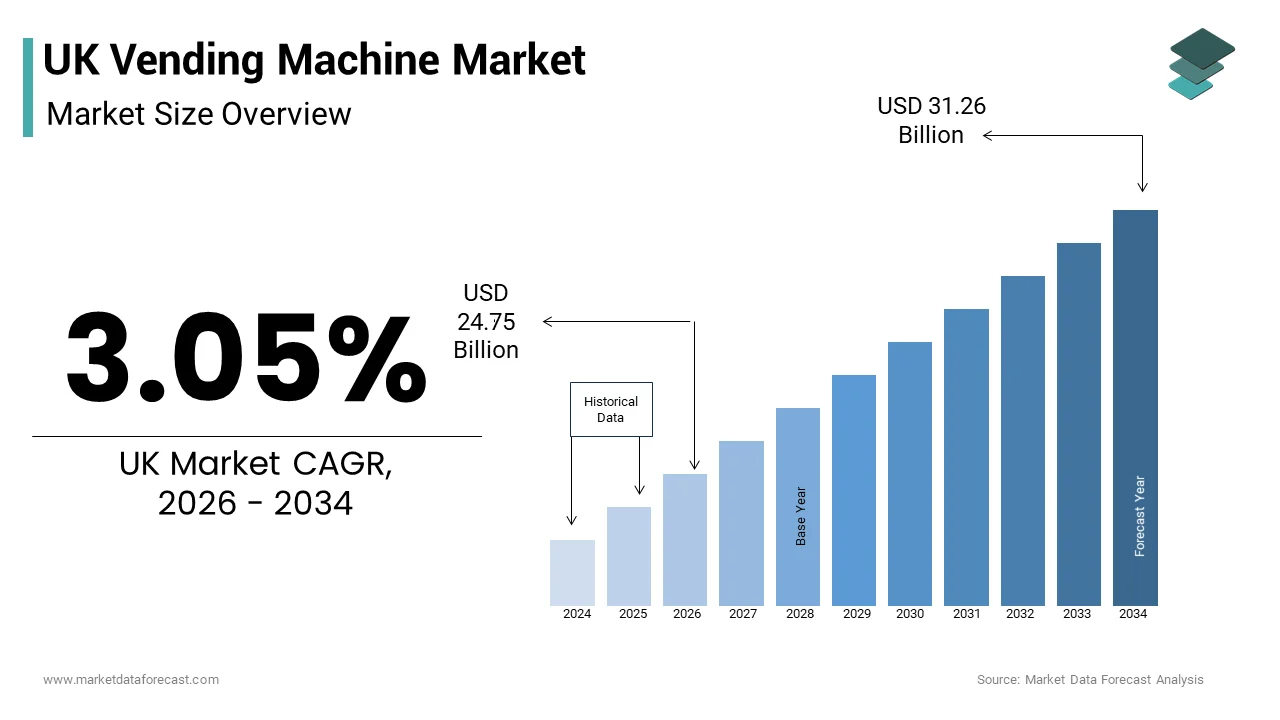
Vending machine industry trends UK operators should be watching in 2026 are not subtle shifts — they are fundamental changes to how machines are built, how customers pay, what they expect to buy, and how operators manage their routes. The UK vending market is worth over £1.7 billion and serves millions of transactions daily, but the machines doing those transactions in 2026 look and behave very differently from the machines that dominated five years ago. Understanding these vending machine industry trends UK-wide is essential whether you are a first-time buyer placing your first unit or an experienced operator managing a fleet.
This guide breaks down the six most significant vending machine industry trends UK operators are seeing in 2026, explains what each means for your business, and tells you how to position yourself on the right side of each shift. The industry data referenced here is consistent with reporting from the Automatic Vending Association (AVA), the UK’s leading trade body for the vending sector.
Vending machine industry trends UK 2026: the cashless payment revolution
Cash is no longer king
The single biggest shift among vending machine industry trends UK-wide is the move from cash to cashless payments. Contactless card and mobile payment transactions now account for the majority of vending purchases in the UK. The trend accelerated during the pandemic and has not reversed — in fact, it has strengthened every year since. Many consumers now expect to tap and pay the same way they do in shops, on buses, and in car parks. A machine that only accepts coins is a machine that misses sales.
What this means for operators
- Contactless readers are no longer optional: If your machine does not accept card and mobile payments, you are losing sales to the operator down the road who does.
- Average transaction value increases: Studies consistently show that cashless customers spend 20–30% more per transaction than cash customers. They are not constrained by the coins in their pocket.
- Cash handling costs drop: Fewer coin collections, less cash counting, reduced theft risk, and lower insurance premiums. The operational savings from going cashless are significant for fleet operators.
- Retrofit is affordable: If you have an older machine without contactless, retrofit card readers typically cost £150–£300 and can be fitted in under an hour. The ROI on this upgrade is measured in weeks, not months.
If you take one action from this entire article, it should be this: ensure every machine in your fleet accepts contactless payment. Among all vending machine industry trends UK operators are tracking, this is the one with the most immediate, measurable impact on revenue.
Vending machine industry trends UK 2026: smart telemetry and remote management
The second transformative trend among vending machine industry trends UK operators are adopting is smart telemetry — technology that connects your machines to the internet and sends real-time data to your phone or dashboard. Telemetry systems track sales, stock levels, machine health, temperature, and payment processing — all remotely, all in real time.
Why telemetry changes everything
- Restock based on data, not guesswork: Instead of visiting every machine on a fixed schedule (whether it needs restocking or not), telemetry tells you exactly which machines need which products and when. This eliminates wasted visits and prevents lost sales from empty slots.
- Reduce downtime: Telemetry alerts you the moment a machine goes offline, jams, or develops a fault. You can respond before the site manager calls to complain — or before you lose a day of sales.
- Optimise your product mix: Real-time sales data shows you exactly what is selling and what is not in each location. Swap underperformers for better options without guessing.
- Route planning efficiency: For multi-machine operators, telemetry transforms route planning from “visit everywhere” to “visit where needed.” The fuel, time, and labour savings are substantial.
Machines with smart features built in
Browse our range — many units come with telemetry and contactless payment as standard.
Browse Machines →Vending machine industry trends UK 2026: the healthy vending boom
Consumer demand for healthier options is one of the strongest vending machine industry trends UK-wide. The days when vending meant crisps, chocolate, and fizzy drinks are not over — those products still sell well — but the fastest-growing product categories in UK vending are protein bars, flavoured water, fresh fruit, yoghurt pots, salads, and functional drinks. Locations like gyms, hospitals, universities, and corporate offices increasingly require or prefer machines that offer at least 50% healthier options.
The business case for healthy vending
- Access to premium locations: Many corporate and public sector sites now include healthy product requirements in their vending contracts. If you cannot offer healthy options, you cannot compete for these placements.
- Higher margins on healthy products: Protein bars, cold-pressed juices, and premium snacks command higher retail prices and often deliver better per-unit margins than traditional confectionery.
- Customer expectations are changing: The consumer who buys a green juice at Pret in the morning expects healthy options in their workplace vending machine too. Meeting this expectation drives loyalty and repeat purchases.
- Government direction: UK regulations continue to push toward healthier food environments — particularly in NHS properties, schools, and local authority buildings. This vending machine industry trend UK-wide is not optional in these sectors.
Vending machine industry trends UK 2026: micro markets and unattended retail
Micro markets — small, self-service retail spaces with open shelving, fridges, and a self-checkout kiosk — are the fastest-growing format in the UK vending sector. They are not vending machines in the traditional sense, but they are operated by vending companies, placed in the same types of locations, and serve the same customer base. Among vending machine industry trends UK operators should understand, micro markets represent the biggest expansion of what “vending” means.
Traditional
Vending Machines
- Format: Enclosed machine, automated dispensing
- Product range: 30–60 SKUs per machine
- Space needed: 1–2 sq metres
- Experience: Transactional, quick
- Best for: Any location with foot traffic
Emerging
Micro Markets
- Format: Open shelving + self-checkout kiosk
- Product range: 100–300+ SKUs
- Space needed: 5–15 sq metres
- Experience: Retail-like, browse and choose
- Best for: Large offices, factories, campuses
For operators, micro markets are not a replacement for traditional vending — they are an additional revenue stream. A factory with 200 staff that currently has two vending machines might be better served by a micro market that offers fresh sandwiches, salads, hot food, and beverages alongside traditional snacks. The revenue per location is typically 3–5 times higher than traditional vending.
Vending machine industry trends UK 2026: sustainability and energy efficiency
Sustainability is becoming a commercial differentiator among vending machine industry trends UK operators are leveraging. Corporate clients increasingly ask about energy consumption, recyclability of packaging, and environmental policies as part of their vending procurement process. Operators who can demonstrate environmental responsibility win contracts that purely price-driven operators cannot.
- Energy-efficient machines: Modern machines use LED lighting, smart cooling systems that power down during low-demand periods, and R290 refrigerant (which has a vastly lower global warming potential than older refrigerants). Energy costs per machine are dropping significantly.
- Packaging preferences: Locations are requesting fewer single-use plastics, more recyclable packaging, and products from brands with strong sustainability credentials.
- Waste reduction: Telemetry-driven restocking reduces food waste by ensuring perishable products are stocked based on actual demand rather than fixed schedules.
“Sustainability is no longer a nice-to-have — it is a procurement requirement. The operators who take it seriously are winning contracts. The ones who do not are being excluded from tenders they could have won three years ago.”
Vending machine industry trends UK 2026: what this means for new operators
If you are entering the UK vending market in 2026, these vending machine industry trends UK-wide shape your buying decisions from day one:
- Buy machines with contactless payment: Either built in or retrofittable. Cash-only machines are a shrinking market.
- Consider telemetry-ready machines: Even if you do not activate telemetry immediately, buying a machine that supports it means you can upgrade later without replacing the unit.
- Stock a mix of traditional and healthy products: Do not go 100% healthy unless the location demands it — but having healthy options available opens doors to locations that would otherwise be closed to you.
- Think about energy costs: A machine that costs £15/month in electricity versus one that costs £25/month makes a real difference to your margins over 5–10 years.
- Stay informed: The industry is evolving. Joining the AVA, attending trade shows, and reading industry publications keeps you ahead of the curve.
The UK vending industry in 2026 rewards operators who adapt. The vending machine industry trends UK operators are seeing are not threats — they are opportunities. Cashless payments increase revenue. Telemetry cuts costs. Healthy options open new locations. Sustainability wins contracts. The operators who embrace these trends will outperform those who resist them.
Common questions — vending machine industry trends UK
Ready to invest in the future of vending?
Browse our stock of 70+ machines — many with contactless, telemetry, and smart features built in. Or get in touch for advice on your first placement.