

Food vending machines: 7 best types for easy profit
Snack, combo, fresh, hot, healthy, bakery and frozen machines compared, with UK costs, food hygiene rules and the best sites for each.
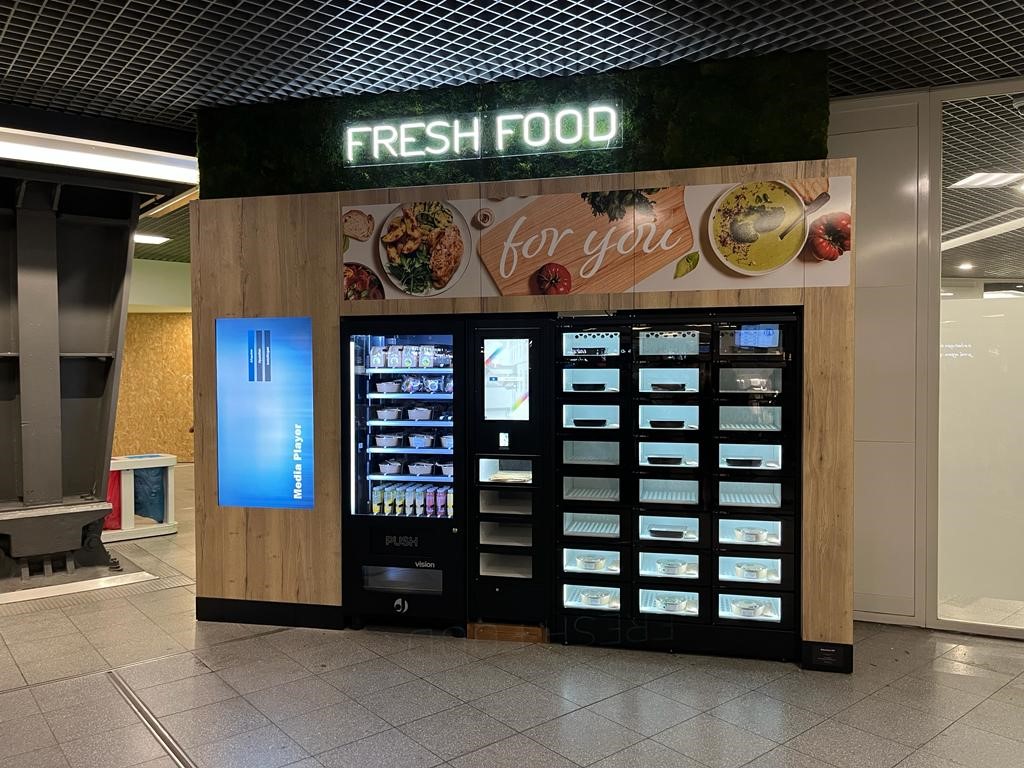
Food vending machines let any business serve snacks and meals around the clock without a café, a kitchen or staff behind a counter. They range from simple spiral snack machines to chilled fridges full of sandwiches and hot meal machines that heat food in minutes.
This guide compares the 7 main types of food vending machines in the UK. It covers what each one sells, what it costs, the food hygiene rules you need to follow and the best sites for each type.
Quick answer: food vending machines sell snacks, sandwiches, meals and other food from a self-service machine. The main types are snack, combo, chilled fresh food, hot food, healthy, bakery and frozen machines. Irelley machines cost from £695 to £4,495, and if you sell food you must register as a food business with your local authority.
Browse food vending machines
Snack, combo, fresh and specialist machines, delivered and installed free anywhere in the UK.
View Machines For Sale →What are food vending machines?
Food vending machines are self-service machines that sell food instead of, or as well as, drinks. Customers choose an item, pay by coin, card or phone, and the machine dispenses it.
The simplest models use spirals to push packaged snacks forward. More advanced food vending machines use lifts, lockers, robotic arms or heated compartments to handle sandwiches, salads and hot meals without damaging them.
Most modern machines also include card readers and telemetry. That means you can see sales and stock levels from your phone and only visit when the machine actually needs filling.
7 types of food vending machines compared
Each type of machine suits a different site, budget and level of effort. Here is a side-by-side view of the main food vending machines on the UK market.
| Type | What it sells | Effort | Best sites |
|---|---|---|---|
| Snack machine | Crisps, chocolate, biscuits, bars | Low | Offices, warehouses, schools |
| Combo machine | Snacks and cold drinks | Low | Small sites with room for one machine |
| Chilled fresh food | Sandwiches, salads, wraps, yoghurts | Medium–high | Hospitals, large offices, factories |
| Hot food | Pizza, pasta, soups, ready meals | High | Night shifts, hospitals, transport hubs |
| Healthy vending | Protein bars, nuts, fruit, low-sugar snacks | Low–medium | Gyms, schools, wellbeing-focused offices |
| Bakery | Bread, pastries, cakes | Medium | Villages, bakeries, farm shops |
| Frozen | Ice cream, frozen desserts | Medium | Leisure centres, parks, holiday sites |
1. Snack machines
Snack machines are the most common food vending machines in the UK. They sell packaged items with long shelf lives, so waste is low and restocking is simple.
Models such as our classic black snack machine and large dark grey snack machine suit offices, warehouses and schools. Our guide to the best snacks for vending machines covers what to stock.
2. Combo machines
Combo machines sell snacks and cold drinks from one cabinet. They are ideal for smaller sites that only have room for a single machine.
A compact white combo machine is a popular starting point, while larger touchscreen combos suit busier sites.
3. Chilled fresh food machines
Chilled food vending machines keep sandwiches, salads, wraps and yoghurts at a safe temperature. They turn a vending area into a proper lunch option for staff and visitors.
They need more frequent restocking because fresh food has short use-by dates. Our guide to fresh food vending machines covers stock control and the best sites.
4. Hot food machines
Hot food vending machines heat pizzas, pasta, soups or ready meals on demand. They are popular with night-shift workers, hospital staff and anyone working when canteens are closed.
These are the most complex food vending machines to run. Read our guide to hot food vending machines before you buy.
5. Healthy vending machines
Healthy machines focus on protein bars, nuts, dried fruit, low-sugar snacks and water. They suit gyms, schools and employers who want to support staff wellbeing.
Our healthy vending combo machine sells both healthy snacks and drinks from one unit.
6. Bakery machines
Bakery machines sell fresh bread, pastries and cakes. They let bakeries, cafés and farm shops keep selling after closing time.
See our custom bakery vending machine for an example with a branded wrap.
7. Frozen food and ice cream machines
Frozen machines sell ice cream and frozen desserts. Sales peak in summer and at leisure sites such as parks, swimming pools and holiday parks.
Our ice cream freezer machine and Mini Melts ice cream machine are two options.
How much do food vending machines cost in the UK?
The price of food vending machines depends on the type, size, condition and features. Machines in our range cost from £695 to £4,495, with free UK delivery and installation.
| Cost | What to budget |
|---|---|
| Machine | £695–£4,495 (Irelley range) |
| Card payment with telemetry | £10 a month + 2% per transaction |
| First stock | Typically £100–£300, depending on machine size |
| Electricity | Varies by type; chilled and hot machines use more |
| Insurance | Public liability and machine cover |
Snack and compact combo machines sit at the lower end of the range. Chilled, hot and large touchscreen food vending machines cost more to buy and run, so they need busier sites to pay their way.
You don’t have to pay all at once. Our vending machine payment plans start with a 25% deposit, then spread the balance over up to 12 months at 0%, with no credit check. Start-ups can ask about a 20% deposit.
Food hygiene rules for food vending machines
Selling food from a machine is still selling food. Food vending machines in the UK must follow the same basic food safety rules as a shop.
Register as a food business
If you sell food, you must register with your local authority at least 28 days before you start trading. Registration is free, and your council may inspect your operation.
Keep chilled food cold
In England, chilled food must be kept at 8°C or below by law, and 5°C or below is widely recommended. Check and record the temperature at every visit, and remove food if the machine has been too warm.
Manage use-by dates
Remove anything past its use-by date at every visit. Rotate stock so the oldest items sell first.
Show allergen information
Pre-packed food must carry full ingredient and allergen labelling. Make sure labels are visible to customers through the glass or on screen.
Keep the machine clean
Clean food vending machines at every visit and deep clean monthly. Our guide on how to clean a vending machine has a full schedule, and our guide to vending machine regulations in the UK covers the wider rules.
Food safety is non-negotiable: food vending machines that run warm or sell out-of-date stock risk complaints, council action and losing the site. Simple routines at every visit prevent almost every problem.
Best sites for food vending machines
The best sites for food vending machines have steady footfall, long hours and limited access to other food. Here are the strongest options:
- Offices: snacks and drinks all day, with chilled lunches in larger buildings.
- Factories and warehouses: shift workers need food when canteens are closed.
- Hospitals: staff, patients and visitors need food around the clock.
- Schools and universities: students buy snacks between lessons and late at night.
- Gyms and leisure centres: healthy snacks, protein bars and drinks.
- Transport hubs: travellers want quick food at any hour.
- Farm shops and villages: fresh produce, eggs, bakery and local food.
Match the machine to the site. A chilled fresh food machine in a quiet office will waste stock, while a busy hospital corridor can support several food vending machines. Our guide to vending machine locations in the UK goes into more detail.
How to choose food vending machines for your site
Before you buy, answer these questions. They will point you to the right type of machine.
- How many people use the site each day? Under 50 people usually suits a snack or combo machine. Larger sites can support fresh or hot food.
- What hours is it open? Long hours and night shifts favour hot and chilled food vending machines.
- Is there other food nearby? A café next door means you should focus on snacks and drinks rather than meals.
- How often can you restock? Fresh food needs visits several times a week. Snacks can often go a week or more.
- How much space and power is there? Measure the spot and check for a nearby socket before ordering.
- What is your budget? Start with a snack or combo machine if funds are tight, then add others once sales prove the site.
Our guide on how to choose the right vending machine walks through the decision in more depth.
Snack machine or fresh food machine?
This is the most common choice buyers face. Both work well, but they suit different sites and different levels of effort.
Lower effort
Snack Machine
- Shelf life: weeks or months
- Restocking: weekly at most sites
- Waste: very low
- Average sale: £1–£2
- Best for: first machines and smaller sites
Higher value
Fresh Food Machine
- Shelf life: a few days
- Restocking: several times a week
- Waste: needs careful control
- Average sale: £3–£6
- Best for: busy sites with no canteen
Many operators start with a snack or combo machine to learn the site. Once sales show steady demand at lunchtime, adding a chilled machine becomes a much safer bet.
How much can food vending machines earn?
Earnings depend far more on the site than the machine. Footfall, opening hours, prices and competition all matter.
As a simple example, a snack machine selling 25 items a day at £1.20 takes about £900 a month. After stock at around half the selling price, card fees and other costs, that leaves a few hundred pounds before any commission to the site.
Fresh and hot food sell for more per item, but waste and extra visits eat into the margin. For realistic figures, read how much vending machines make in the UK and test your own numbers with our vending machine profit calculator.
Buying a machine or getting one placed free
Site owners have two routes. You can buy a machine and keep all the profit, or let an operator place one for free and take a small commission or nothing at all.
Buying gives you control of the range, prices and service. Free placement costs nothing upfront, but the operator decides what to stock and how often to visit.
Our guide to getting a free vending machine for your business compares the two, and our guide to vending machine commission rates explains what site owners typically receive.
Running food vending machines day to day
A simple routine keeps machines full, clean and safe. Most operators follow the same steps at every visit.
- Check telemetry first: see what has sold and what needs refilling before you leave.
- Remove out-of-date stock: check every use-by date, especially in chilled machines.
- Rotate stock: move older items to the front so they sell first.
- Refill and tidy: fill each spiral or shelf and make sure labels face forward.
- Clean and check: wipe the glass, buttons and delivery bin, and record the temperature.
- Test a vend: make one test purchase by card to confirm everything works.
Our guides on how to restock a vending machine and vending machine maintenance cover each step in more detail. If anything goes wrong, our vending machine troubleshooting guide helps you fix common faults.
Card payment and telemetry for food vending machines
Food often costs more than a can of drink, and few customers carry enough coins for a £4 sandwich or meal deal. Card payment is essential for most food vending machines.
With Irelley, card payment with telemetry costs £10 a month plus 2% per transaction. Telemetry shows stock levels and temperature alerts on your phone, which matters most when you are selling chilled food.
Our contactless vending machine guide and vending machine telemetry guide explain both in more detail.
What sells best in food vending machines?
The bestsellers depend on the site, but some products sell well almost everywhere. Start with these, then use your sales data to adjust.
- Crisps and savoury snacks: reliable sellers at every type of site.
- Chocolate bars: strong impulse buys, especially in the afternoon.
- Protein and cereal bars: popular in gyms and health-conscious offices.
- Sandwiches and wraps: the core of chilled food vending machines at lunchtime.
- Meal deals: a sandwich, snack and drink bundle lifts the average sale.
- Hot meals: pizza, pasta and soup for night shifts and cold days.
Keep a mix of price points. A few low-cost snacks keep the machine busy, while higher-value food items lift your takings per visit.
Placing a food machine well
Even the right machine can struggle in the wrong spot. A few practical checks make a big difference to sales.
- Visibility: place the machine where people naturally pass, such as entrances, break rooms and corridors.
- Power: use a dedicated socket where possible, especially for chilled and hot machines.
- Ventilation: leave space behind and around the machine so the fridge can breathe.
- Accessibility: make sure buttons, screens and the delivery bin are easy to reach for everyone.
- Lighting: a well-lit spot makes food look fresher and more appealing.
Ask the site owner where staff and visitors take breaks. That is usually where a food machine will sell best.
Packaging, waste and sustainability
Customers and employers increasingly care about waste. Small changes can make a machine more sustainable without hurting sales.
Choose products with recyclable packaging where you can, and place a recycling bin next to the machine. For fresh food, order carefully so less goes to waste, and use sales data to cut slow sellers.
Energy use matters too. Modern machines with LED lighting and efficient fridges cost less to run, and our guide to vending machine electricity costs explains what to expect.
Common mistakes with food vending machines
Choosing fresh food for a quiet site
Fresh food needs enough customers to sell before use-by dates. At a quiet site, start with snacks and add fresh food later if demand is there.
Ignoring temperature checks
A chilled machine that runs warm can make food unsafe. Check and record the temperature at every visit, and use telemetry alerts where possible.
Overstocking on day one
Filling every slot with fresh food before you know what sells leads to waste. Start with a smaller range and build up.
Forgetting to register
Food vending machines selling food need a food business registration. It is free and quick, so do it before the first machine goes live.
Buying food vending machines from Irelley
Browse our vending machines for sale to see every snack, combo, fresh and specialist machine currently in stock. Then contact our team with your site details and we’ll help you choose.
We deliver and install free anywhere in the UK, usually within 24 hours. Every machine comes with a 12-month warranty covering parts and remote support, as set out in our vending machine warranty.
FAQ
Frequently asked questions
Food vending machines can sell packaged snacks, sandwiches, salads, hot meals, pastries, ice cream, fresh fruit and local produce. The right range depends on the machine type, the site and how often you can restock.
Irelley machines range from £695 to £4,495. Snack and compact combo machines sit at the lower end, while chilled fresh food, hot food and large touchscreen machines cost more.
There is no specific vending licence, but if you sell food you must register as a food business with your local authority at least 28 days before you start trading. Registration is free.
By law in England, chilled food must be kept at 8°C or below, and 5°C or below is widely recommended. Check and record the temperature at every visit.
They can be. Packaged snacks are the simplest and lowest-risk option, while fresh and hot food machines can earn more per sale but need closer stock control to avoid waste.
Yes. Hot food vending machines store meals chilled or frozen and heat them on demand, usually in a couple of minutes. They suit night shifts, hospitals and transport hubs where canteens close early.
Snack machines usually need restocking weekly, depending on sales. Chilled fresh food machines need visits several times a week to replace items before their use-by dates, and telemetry helps you time each visit.
A combo machine selling snacks and drinks suits most offices. Larger offices with long hours can add a chilled fresh food machine for lunches and a coffee machine.
Find the right food vending machine
Snack, combo, fresh and specialist machines, delivered and installed free anywhere in the UK.