

How vending machines work: 7 easy steps explained
Payment, the controller, spirals, drop sensors, refrigeration and telemetry, explained step by step in plain English.
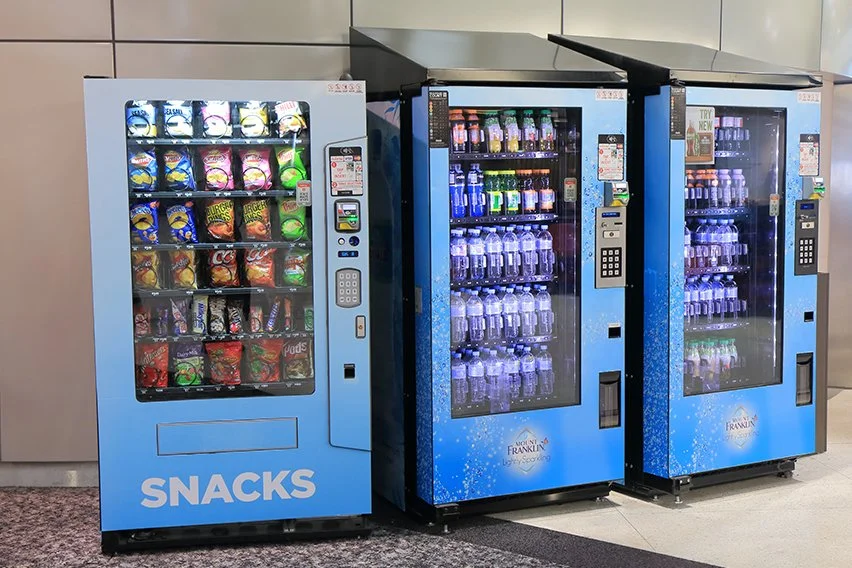
Most people never stop to think about how vending machines work. You tap a card, press a button and a snack drops into the tray. Behind that simple moment is a surprising amount of engineering.
This guide explains how vending machines work, step by step. It covers payment, the controller, spirals and motors, drop sensors, refrigeration, telemetry and the different types of machine, in plain English.
Quick answer: Here is how vending machines work. You choose a product and pay by coin, note, card or phone, and the payment system confirms it to the machine’s controller. The controller then runs a motor that turns a spiral or lift, pushing your product into the collection tray, while a sensor checks it dropped.
Looking for a machine?
Tested snack, drinks, combo and coffee machines from £695, delivered and installed free.
View Machines For Sale →How vending machines work: 7 easy steps
Every sale follows the same basic cycle, whatever the machine. Here is how vending machines work from the moment you walk up to the moment you take your product.
- You choose: you check the price and enter a selection code on the keypad or touchscreen.
- You pay: by coins, notes, contactless card or phone.
- Payment is checked: the coin mechanism, note reader or card reader confirms the payment.
- The controller decides: the machine’s control board checks the selection is in stock and the payment covers the price.
- A motor runs: the controller powers the motor for that selection.
- The product drops: the spiral turns and pushes the product off the shelf.
- The sale completes: a sensor confirms the drop, change is given if needed, and the sale is recorded.
That cycle takes a few seconds. The rest of this guide on how vending machines work looks at each part in more detail.
The main parts inside a vending machine
To understand how vending machines work, it helps to know the main parts. Most machines share the same building blocks, and how vending machines work depends on them working together.
- Cabinet: the steel body, usually with a glass front and a locking door.
- Controller: the main circuit board, or brain, that runs everything.
- Keypad or touchscreen: where customers make their selection.
- Payment systems: coin mechanism, note reader and card reader.
- Trays and spirals: the shelves and coils that hold and push products.
- Motors: one per spiral, turning it on command.
- Drop sensor: checks the product fell into the tray.
- Refrigeration unit: on chilled machines, keeps products cold.
- Lighting: usually LED, to show off the products.
- Collection tray: the flap at the bottom where you take your product.
How vending machines work: the controller
The controller is the brain of the machine. It stores the prices, tracks which selection is linked to which motor and decides when to release a product.
When you press a selection, the controller checks the price and the credit available. If the payment covers it, the controller sends power to the right motor. It also records each sale, which is how vending machines work out totals for the owner.
Most modern machines connect the controller to payment devices using a standard vending protocol. That is why a card reader can usually be added to a machine that originally took only coins.
How vending machines work with coins and notes
Coin mechanisms
A coin mechanism checks each coin as it rolls through. It measures size, thickness, weight and the coin’s metal using electromagnetic sensors. If a coin matches an accepted profile, it’s counted as credit, and if it doesn’t, it drops straight to the return slot.
Accepted coins go into tubes used to give change. Once the tubes are full, extra coins fall into a cash box.
Note readers
Note readers pull the note in and scan it with optical and magnetic sensors. They check the size, printing and security features against stored patterns. Valid notes are stacked, and unrecognised notes are pushed back out.
How vending machines work with card payment
Card readers have changed how vending machines work in the UK more than anything else. Most customers now expect to tap a card, phone or watch.
- You tap your card or phone on the reader.
- The reader asks the bank to approve the payment, usually over a mobile data connection.
- Once approved, the reader tells the controller you have credit.
- The controller vends the product.
- If the product doesn’t drop, the payment is usually cancelled or refunded.
With Irelley, card payment with telemetry costs £10 a month plus 2% per transaction. Our vending machine contactless payment UK guide and cashless payment guide explain the options.
How vending machines work: spirals, motors and drop sensors
Most snack machines use spirals, also called coils. Each product sits between the loops of a spiral. When the motor turns the spiral one full rotation, the front product is pushed off the edge and falls.
Spirals come in different sizes and pitches to suit different products. A tight spiral holds slim items such as chocolate bars, while a wide spiral holds crisps or bottles.
Drop sensors
Many machines have an infrared beam across the bottom of the cabinet. When a product falls, it breaks the beam, and the controller knows the sale was successful. If the beam isn’t broken, the machine can turn the spiral again, offer another selection or return the money.
This feature is one of the main reasons modern machines rarely “eat” money. Knowing how vending machines work here also helps you load products so they drop cleanly.
How drinks vending machines work
How vending machines work for drinks depends on the design. There are three common systems.
- Spiral shelves: bottles and cans sit in spirals, like a snack machine.
- Stack or column systems: cans or bottles are stacked in columns and released one at a time from the bottom.
- Lift systems: some glass-front machines use a lift or elevator that collects the bottle and lowers it gently to the tray.
Lift systems reduce shaking, which is useful for fizzy drinks and glass bottles. Our guide to the drinks vending machine covers the main options.
How vending machines work to keep products cold
Chilled machines use the same basic cycle as a home fridge. A refrigerant gas is compressed, releases heat through the condenser at the back, then expands and absorbs heat inside the cabinet through the evaporator.
A thermostat switches the compressor on and off to hold the set temperature. Fans move cold air around the products so every shelf stays cool.
- Drinks: usually kept cold enough to be refreshing, set by the owner.
- Chilled food: must be kept at 8°C or below in England, with 5°C or below recommended.
- Frozen products: freezer machines hold products at freezing temperatures.
Machines need space around them for air to flow, or the refrigeration works harder and costs more. Our vending machine electricity cost guide explains running costs.
How coffee vending machines work
How vending machines work for hot drinks is different, because coffee machines make each drink fresh.
- Ingredients: coffee, milk powder, chocolate and sugar are stored in canisters, or whole beans in a hopper on bean-to-cup machines.
- Water: a boiler heats water to brewing temperature.
- Mixing or brewing: the machine measures ingredients and mixes them with hot water, or grinds and brews fresh coffee.
- Cup: a cup drops into place and the drink is dispensed.
Our premium gourmet coffee machine is a good example of how vending machines work for hot drinks in offices.
How food and frozen machines work
How vending machines work for food adds extra controls. Chilled food machines watch the temperature and can block sales if it rises too high. Some use lockers or rotating carousels instead of spirals, so larger items such as sandwiches and meals can be collected safely.
Many freezer and ice cream machines use a picking arm that lifts the product from the freezer and delivers it to the customer. This keeps the freezer closed as much as possible. Our guides to food vending machines and hot food vending machines explain more.
How telemetry works on vending machines
Telemetry is a newer part of how vending machines work. It connects the machine to the internet, usually through a mobile data connection in the card reader or a separate device. It sends sales, stock levels and fault alerts to an online dashboard.
This changes how vending machines work for owners. Instead of visiting every machine to check it, you can see what has sold and restock only when needed. Our guide to vending machine telemetry explains the benefits.
How vending machines work to save energy
Energy saving is now built into how vending machines work. Modern machines are far more efficient than older ones. Common features include:
- LED lighting: uses less power and produces less heat than older tubes.
- Low-power modes: lights dim and cooling eases when the site is quiet.
- Better insulation: keeps cold air in.
- Efficient compressors and fans: run less often to hold temperature.
The ENERGY STAR criteria for refrigerated vending machines set limits on daily energy use and require low-power modes, which shows the standard efficient machines are measured against.
How owners program and service a machine
Owners and engineers control how vending machines work through a service mode. It’s usually reached with a button on the controller inside the locked cabinet.
- Prices: set a price for each selection.
- Selections: link selection codes to the right motors.
- Temperature: adjust the cooling set point.
- Sales data: view totals by selection.
- Fault codes: check errors and clear them once fixed.
Knowing how vending machines work in service mode makes everyday jobs quick. Our guides to restocking a vending machine and vending machine maintenance cover the routine.
How vending machines work to stay secure
Security is a big part of how vending machines work. They are designed to protect the products and the cash inside.
- Steel cabinets: heavy and hard to force.
- High-security locks: often a T-handle lock on the door.
- Toughened glass: resists knocks and vandalism.
- Anti-theft trays: stop hands reaching up into the machine.
- Cashless payment: means less cash on site to steal.
Our guide to vending machine security covers more ways to protect a machine.
What happens when something goes wrong
Knowing how vending machines work makes faults easier to fix. Most problems come from one of a few causes: a product catching on the spiral, a coin jam, a card reader losing signal or a cooling fault. The controller usually shows an error code that points to the cause.
Because the controller and sensors check each step, the machine often stops a bad sale before money is lost. Our vending machine troubleshooting guide explains common faults and fixes.
How vending machines work: old machines vs modern machines
Older machines were mostly mechanical. A coin’s weight and size triggered levers that released a product, with no electronics, no card payment and no sales data.
Modern machines are run by electronics from start to finish. That is how vending machines work today: a controller, sensors, card readers, LED lighting and often an internet connection.
Older machines
- Coins only
- No drop sensor
- Fluorescent lighting
- Manual stock checks
Modern machines
- Card, phone, coins and notes
- Drop sensors and refunds
- LED lighting and low-power modes
- Telemetry and remote sales data
How vending machines work with touchscreens
Touchscreen machines replace the keypad with a screen. Customers can browse products, see prices, read product details and sometimes view allergen or nutrition information before buying.
Behind the screen, how vending machines work is much the same. The screen sends the selection to the controller, the payment is confirmed and a motor or lift releases the product. Our grey touchscreen combo machine is one example.
How vending machines work for customers: getting a refund
Understanding how vending machines work helps when a sale goes wrong. If a product doesn’t drop:
- Wait a moment: the machine may try again or offer another selection.
- Press the coin return: if you paid by cash and no product dropped.
- Check your card: card payments are often cancelled or refunded automatically.
- Contact the owner: most machines show a phone number or email on a sticker.
Never rock or tilt a machine to free a stuck product. Machines are very heavy and can fall.
How vending machines work as a business
For owners, the technology is only half the story. The machine earns money because it sells around the clock without staff.
Profit depends on the site, the products and the prices. Our guides on how much vending machines make and how to start a vending machine business explain the numbers.
How vending machines work by type
| Machine type | How it dispenses |
|---|---|
| Snack machine | Spirals push products off the shelf |
| Drinks machine | Spirals, stacked columns or a lift |
| Combo machine | Spirals for snacks and drinks in one cabinet |
| Coffee machine | Mixes or brews each drink into a cup |
| Chilled food machine | Spirals, lockers or a carousel with temperature control |
| Freezer machine | Often a picking arm from a closed freezer |
Our snack machine buying guide and guide to compact vending machines help you compare machine types.
How vending machines work in the UK today
UK machines follow the same principles as machines anywhere, with a few local points. Coin mechanisms are set up for UK coins, and card readers work with UK contactless cards, Apple Pay and Google Pay.
Rules also shape how vending machines work here. Chilled food must be kept at 8°C or below in England, food sellers must register with their council, and products need clear allergen information. The deposit return scheme due in October 2027 will also add a 20p deposit to many drinks containers.
Now you know how vending machines work
From the coin mechanism to the drop sensor, every part has one job: make the sale quick, accurate and safe. Understanding how vending machines work helps you choose, run and fix a machine with confidence.
If you’re thinking of buying one, browse our vending machines for sale or contact our team. Every machine is tested before dispatch, delivered and installed free, and covered by a 12-month warranty.
FAQ
Frequently asked questions
Here is how vending machines work in simple terms. You choose a product and pay. The machine checks the payment, then its controller turns a motor that pushes your product forward until it drops into the collection tray.
The coin mechanism measures each coin’s size, thickness, weight and metal content as it passes through. Coins that don’t match an accepted profile are rejected and returned.
The card reader takes the contactless payment and asks the bank to approve it. Once approved, it tells the machine’s controller to release the product. Most readers connect to the controller through a standard vending protocol.
Many machines have a drop sensor that checks the product actually fell. If it didn’t, the machine tries again or lets you pick another item, and card payments are usually refunded or not charged.
A refrigeration unit with a compressor, condenser and evaporator removes heat from the cabinet, much like a fridge. A thermostat switches it on and off to hold the set temperature.
Everything runs automatically through the controller. Telemetry can also send sales and fault alerts to the owner, so they know when to restock or fix something without visiting.
They store ingredients such as coffee, milk powder and chocolate in canisters, or beans in a hopper. When you choose a drink, the machine heats water, measures the ingredients, mixes or brews them and dispenses the drink into a cup.
The touchscreen replaces the keypad and shows products, prices and details. It sends your choice to the controller, which confirms payment and releases the product just like a keypad machine.
It depends on the machine. Chilled machines use the most, typically costing £30–£80 a month, while unchilled snack machines cost much less. LED lighting and low-power modes cut the cost.
Machines with telemetry can. They track sales by selection and send the data online, so the owner can see which products are running low.
Most machines have a service mode reached with a button or key inside the cabinet. The owner then uses the keypad or touchscreen to set prices for each selection.
Ready to buy a vending machine?
Tested machines, a 12-month warranty and free UK delivery and installation.
[…] almost all of these problems. If you’re curious about what happens inside, our guide to how vending machines work explains the […]
[…] standard machine simply releases the product you select. If you’re new to the basics, our how vending machines work guide explains the […]
[…] checks that the product has dropped, and modern machines retry or refund if it hasn’t. Our how vending machines work guide explains the mechanics in more […]