

Drinks vending machine: 7 critical tips, best picks
Cold drinks sell all year. Here is how to choose, stock and run a drinks machine that earns, including the sugar levy changes ahead.
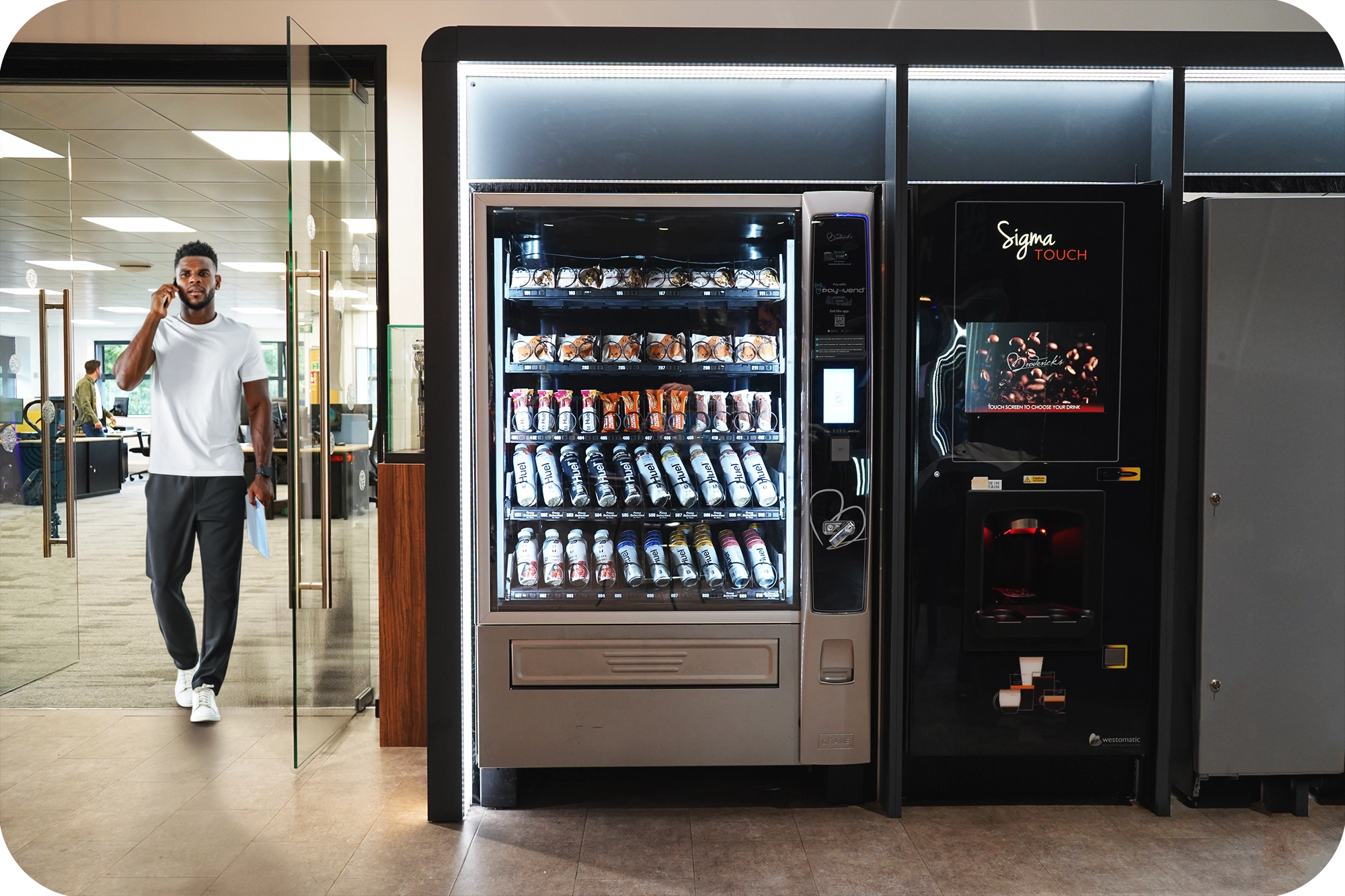
A drinks vending machine is one of the simplest and most reliable ways to start in vending. Cold drinks sell all year, stock lasts for months and almost every busy site has people who get thirsty.
This guide covers 7 critical tips for choosing and running a drinks vending machine in the UK: machine types, cooling, capacity, stock, the sugar levy changes, payment, placement and the machines we recommend.
Cold drinks machines ready to ship
Drinks, water and combo machines, delivered and installed free anywhere in the UK within 24 hours.
View Machines For Sale →What is a drinks vending machine?
A drinks vending machine is a refrigerated unit that stores and sells cold drinks. Customers choose a drink, pay and collect it from a hatch at the bottom.
Most machines sell cans and plastic bottles, such as water, cola, juice, flavoured water and sports drinks. Some also handle glass bottles or cartons.
Unlike snack machines, a drinks vending machine needs constant cooling. That affects its size, power use and where it can go.
Types of drinks vending machine
There are three main designs, and each suits different sites.
Glass-front spiral machines
Drinks sit on spirals behind a glass window. Buyers can see every product, which helps sales, and you can mix cans and bottles easily.
Stack-vend machines
Drinks stack in columns behind a solid branded front. They hold lots of stock in a small footprint and drop drinks quickly, but range is more limited.
Lift and robot machines
A lift collects each drink and lowers it gently to the hatch. This suits glass bottles and premium drinks that shouldn’t be dropped.
Our guide on how to choose the right vending machine compares designs in more detail.
Is a drinks vending machine profitable?
A drinks vending machine can be very profitable in the right location. Drinks have good margins, long shelf lives and steady demand.
Sales rise sharply in warm weather, so summer months often carry the year. Gyms, factories, warehouses and outdoor sites benefit most.
Use our vending machine profit calculator to model your numbers, and read how much vending machines make for realistic benchmarks.
4.5g
New lower sugar threshold per 100ml for the Soft Drinks Industry Levy, planned from 1 January 2028
7 critical tips for a drinks vending machine
Use these tips to choose and run a drinks vending machine that sells steadily.
1. Match capacity to footfall
A busy factory needs a large machine. A small office can manage with a compact one.
2. Check the cooling
Drinks should be cold within hours of loading and stay cold all day. Weak cooling loses sales fast.
3. Lead with water
Water is often the top seller in any drinks machine, especially at gyms and outdoor sites.
4. Plan for the sugar levy changes
Lower-sugar and zero-sugar drinks are growing, and levy changes will push prices on sugary drinks.
5. Go cashless
Card and phone payment boosts sales and cuts cash handling.
6. Allow space for ventilation
Refrigerated machines need a gap behind them to vent heat. Too tight a space strains the compressor.
7. Brand it to stand out
A bright, branded front tells people from a distance that cold drinks are available.
“People don’t plan to buy a cold drink. They see one when they’re thirsty. A drinks vending machine in the right spot catches that moment every time.”
The sugar levy and your drinks vending machine
The Soft Drinks Industry Levy already applies to many sugary drinks. The government plans to strengthen it, according to its policy paper on changes to the Soft Drinks Industry Levy.
From 1 January 2028, the lower threshold is planned to fall from 5g to 4.5g of total sugar per 100ml. Pre-packaged milk-based drinks with added sugar, such as bottled milkshakes and coffee drinks, will also lose their exemption.
The levy is paid by producers and importers, not vending operators. But it can raise wholesale prices on sugary drinks, so expect more brands to cut sugar and plan your range around that.
Choosing the right size drinks vending machine
Size is one of the biggest decisions. Too small and you’ll restock constantly; too big and money sits tied up in stock.
As a rough guide, a compact drinks vending machine suits sites with up to 50 regular users. Medium machines suit 50 to 150 people, and large machines suit busy factories, gyms and public sites.
Think about how often you can visit. If the site is far from home, a larger machine means fewer trips and lower fuel costs.
Check the space too. Measure the floor area, door widths and stairs before ordering, and allow a gap behind for airflow.
Cans, bottles and selection numbers
Most UK buyers want a mix of 330ml cans and 500ml bottles. A good drinks vending machine lets you adjust spirals or columns to fit both.
More selections give buyers more choice, but each slot needs enough depth to last between visits. Six to ten strong lines often beat twenty weak ones.
Put your two or three best sellers in more than one slot. That way, one empty spiral doesn’t cost you the sale.
What to stock in a drinks vending machine
A balanced range sells best. Keep proven sellers in the most visible slots.
- Water: still and sparkling, in 500ml bottles
- Soft drinks: regular and zero-sugar colas, lemonades and fruit drinks
- Flavoured water: popular with health-conscious buyers
- Juices and smoothies: for offices, schools and hospitals
- Sports drinks: for gyms and leisure centres
- Iced coffee and milk drinks: for offices and campuses
England plans to ban high-caffeine energy drinks from all vending machines from April 2027, subject to Parliamentary approval. Tea and coffee are exempt, but canned energy drinks above the limit will need to come out.
Our guide to the best vending machine products covers wider stock ideas.
Best locations for a drinks vending machine
A drinks vending machine works best where people are active, warm or stuck on site for long periods.
- Gyms and leisure centres: water and sports drinks sell all day
- Factories and warehouses: physical work and long shifts
- Offices: steady weekday demand
- Stations and transport hubs: high footfall and travellers
- Schools and colleges: healthy drinks only, under school food rules
- Outdoor sites: sports grounds, parks and car parks in summer
Our guide to vending machine locations explains how to judge any site before you commit.
Machines to consider
Here are the drinks machines we recommend for different sites and budgets.
Large capacity
Our large blue cold drinks machine holds plenty of stock for factories, gyms and busy sites.
Branded machines
Our Coca-Cola modern drinks machine and Pepsi retro bottle machine use famous branding to draw buyers in.
Sports drinks
Our Powerade sports drink machine suits gyms, leisure centres and sports clubs.
Water
Our Crane water bottle machine focuses on bottled water for high-demand sites.
Outdoor
Our outdoor dual vending station with canopy protects machines and buyers from the weather.
Glass Front
Spiral Machine
- Stock: Mixed cans and bottles
- Display: Every product visible
- Capacity: Medium to high
- Flexibility: Easy range changes
- Best for: Offices, gyms, stations
Branded
Stack-Vend Machine
- Stock: Mainly cans or one bottle size
- Display: Branded front panel
- Capacity: High in a small footprint
- Flexibility: Fewer product types
- Best for: Factories, outdoor sites
Our take: most new operators should start with a glass-front drinks vending machine. It shows every product, handles mixed stock and makes it easy to test what sells.
Pricing drinks in your machine
Vending prices are usually a little higher than supermarket prices but below cafe prices. Buyers accept that for convenience.
As a guide, cans often sell for £1 to £1.50, 500ml water for £1 to £1.50 and premium drinks for £1.80 to £2.50. Adjust for the site, as station prices can run higher than office prices.
Review prices when wholesale costs rise. Our guide to restocking a vending machine covers buying stock efficiently.
Seasonal sales patterns
A drinks vending machine has a clear seasonal rhythm. Sales can jump sharply during heatwaves and dip in the coldest months.
Plan for summer by filling machines fuller and visiting more often. In winter, add more lower-temperature options like flavoured milk or iced coffee, which sell steadily indoors.
Watch the weather forecast in spring and early summer. A sudden hot spell can empty machines in days, and sites remember when you ran out at the worst moment. Keep spare stock at home or in a lock-up so you can respond quickly.
If you have several machines, use the summer peak to build cash reserves for quieter months.
Drinks vending machine or combo machine?
A dedicated drinks vending machine gives you more drink capacity and better cooling. A combo machine sells snacks and drinks together in one footprint.
Choose a dedicated machine where drinks clearly dominate, such as gyms and factories. Choose a combo where space is tight or the site wants both in one place.
Some operators place a drinks machine next to a snack machine. This bank of two often sells more than a single combo in busy sites.
Placing a drinks vending machine with a host
Most operators place machines on someone else’s premises. Agree commission, power supply, access hours and notice periods in writing first.
Our guides to vending machine placement agreements and pitching a vending machine help you secure good sites.
Hosts like a drinks vending machine because it gives staff and visitors a free perk with no work on their side. That makes it one of the easiest machines to place.
Recycling and deposit returns
The UK is preparing a deposit return scheme for drinks cans and plastic bottles, planned from October 2027. Buyers will pay a small deposit and get it back when they return the container.
Keep an eye on how the scheme will apply to vending, as it may affect pricing and labelling. In the meantime, place a recycling bin beside every drinks vending machine to keep the site tidy.
Hosts notice litter. A clean area around your machine helps you keep the site for years.
Security and insurance
Drinks machines are heavy, but outdoor and public sites still need security. Anchor the machine and choose a spot with CCTV or staff nearby.
Going cashless removes the cash box as a target. Our vending machine insurance guide explains the cover you’ll need.
Who should buy a drinks vending machine?
A drinks vending machine suits first-time operators because stock is simple, long-lasting and easy to source. There are no use-by dates to chase every few days, unlike fresh food.
It also suits businesses buying for their own staff. A factory, gym or office can run a machine as a staff perk, set low prices and still cover costs.
Our guide on how to start a vending machine business explains the first steps if you’re new to vending.
New or refurbished?
A new drinks vending machine gives you the latest cooling, lower power use, modern payment and a full warranty. A refurbished machine costs less up front but may use more electricity and need more repairs.
Cooling systems are the part most likely to wear, so check the compressor’s age and history on any used machine. Our refurbished vending machines buyer’s guide explains what to look for.
Chilled milk drinks and food safety
Milk drinks, smoothies and some juices need to stay at 8°C or below. If you stock them, check your drinks vending machine can hold that temperature reliably, even when the door is opened often.
Telemetry with temperature alerts helps here. You’ll know quickly if cooling fails, before stock spoils.
Cans of soft drinks and bottled water are more forgiving, which is why they make up most of the range in a typical drinks vending machine.
Quick start checklist
- Pick a busy site with thirsty, active people
- Agree terms with the host in writing
- Measure the space, including ventilation gaps
- Choose a size that matches footfall and visit frequency
- Fit card and phone payment with telemetry
- Stock water, zero-sugar and best-selling soft drinks
- Add a recycling bin beside the machine
- Review sales after a month and adjust the range
Follow this checklist and your drinks vending machine will be ready to sell from the day it’s switched on.
Payment
Most drinks sell for £1 to £2.50, and many buyers no longer carry coins. Card and phone payment lifts sales noticeably.
With Irelley, card payments with telemetry cost £10 a month plus 2% per transaction. Telemetry also shows stock levels remotely. Our contactless vending machine guide explains more.
Running costs of a drinks vending machine
Cooling is the main running cost. A drinks vending machine uses more power than an ambient snack machine because the compressor runs throughout the day.
Modern machines with LED lighting, good insulation and eco modes use much less than older units. Our guide to vending machine electricity costs shows how to estimate the bill.
Other costs include stock, card fees, insurance and any commission paid to the site host.
Using telemetry to sell more
Telemetry sends live sales and stock data from your drinks vending machine to your phone or laptop. You can see which lines sell, which sit still and when each spiral will run empty.
That data helps you plan routes, so you only visit sites that need stock. It also shows the hours when sales peak, which helps when you talk to hosts about results.
Over time, telemetry lets you swap slow sellers for better lines. Small changes, like adding a second slot of still water before summer, can lift weekly takings noticeably.
Many operators say telemetry pays for itself within months through fewer wasted trips and fewer lost sales. For anyone running more than one drinks vending machine, it quickly becomes essential rather than optional.
It also helps you prove value to hosts. Sharing simple monthly reports on sales and uptime shows you run a professional service, which makes renewing agreements much easier.
Maintenance
Keep the condenser coils clean, as dust makes the compressor work harder. Check door seals every visit and wipe up any spills quickly, before sticky residue attracts pests or jams the delivery hatch.
Our guides to cleaning a vending machine and vending machine maintenance cover the routine in full.
Common drinks vending machine mistakes
The first mistake is pushing a machine tight against a wall, which traps heat and shortens its life.
The second is stocking too many sugary drinks while buyers increasingly choose zero-sugar options and water.
The third is running cash only, which loses sales from buyers who only carry cards and phones.
Buying a drinks vending machine from Irelley
Irelley payment plans start with a 25% deposit, then up to 12 months at 0% with no credit check. Start-ups can begin from a 20% deposit.
Browse our vending machines for sale, or contact our team for advice. We deliver and install free anywhere in the UK, within 24 hours, and every machine comes with a 12-month warranty covering parts and remote support.
FAQ
Frequently asked questions
A drinks vending machine is a refrigerated machine that sells cold canned and bottled drinks, such as water, soft drinks, juices and sports drinks, usually by card, phone or coins.
Prices depend on size, condition and features. Irelley offers payment plans from a 25% deposit, then up to 12 months at 0% with no credit check, plus free UK delivery and installation.
It can be in the right location. Cold drinks sell all year in busy sites like gyms, offices, factories and stations, with strong demand in summer.
Many modern machines handle both. Spiral or glass-front machines take mixed cans and bottles, while stack-vend machines are built mainly for cans or one bottle size.
England plans to ban high-caffeine energy drinks from all vending machines from April 2027, subject to Parliamentary approval. Plan your range around water, soft drinks and lower-caffeine options.
Start selling cold drinks today
Drinks, water and combo machines, delivered and installed free anywhere in the UK.