

Emergency services vending: 7 critical tips, best picks
Food and drinks around the clock for fire, police and ambulance crews, with secure access and healthy stock built in.
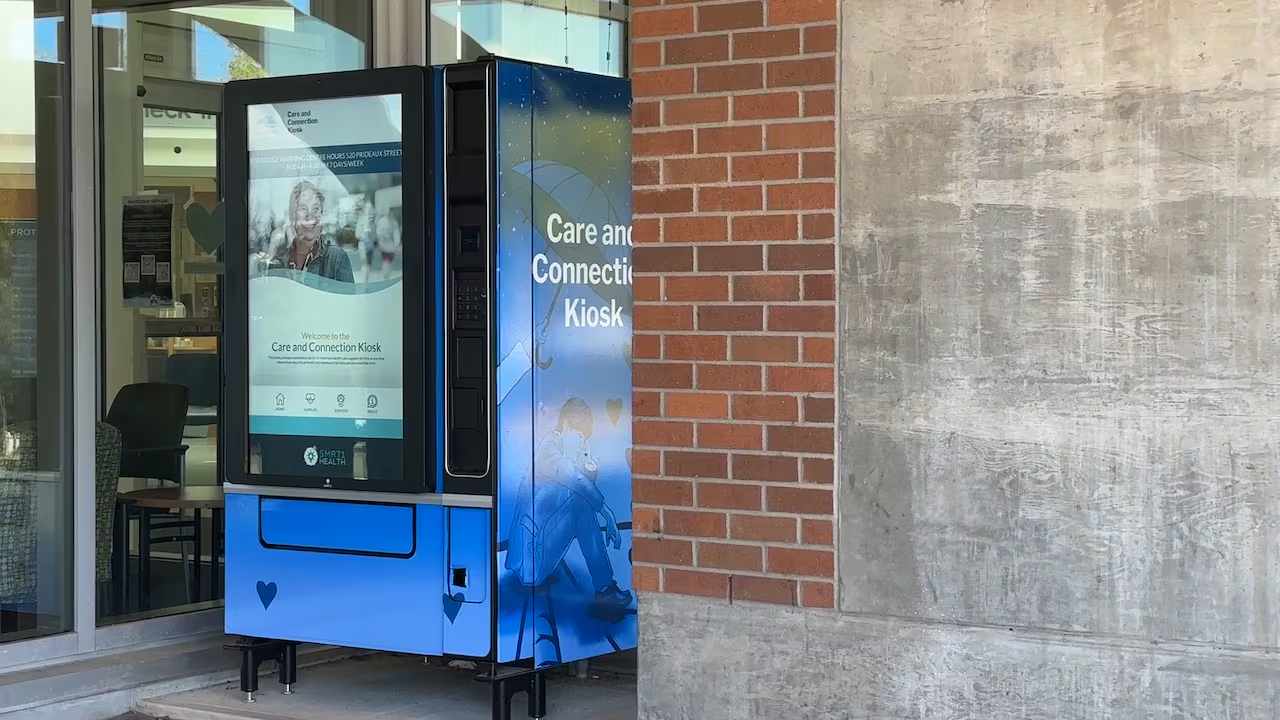
Emergency services vending gives fire crews, police officers, paramedics and control room staff food and drinks at any hour, without leaving the station. When a 12-hour night shift can be interrupted by a call at any moment, a stocked machine down the corridor makes a real difference.
This guide covers 7 critical tips for emergency services vending in the UK: where machines work best, what to stock, secure access, payment, procurement and the machines we recommend for blue light sites.
Machines for 24/7 workplaces
Combo, hot drinks and healthy vending machines, delivered and installed free anywhere in the UK within 24 hours.
View Machines For Sale →What is emergency services vending?
Emergency services vending means placing vending machines in sites used by blue light services. That includes fire stations, police stations, ambulance stations, control rooms, custody suites, training centres and coastguard stations.
These sites run around the clock, but most have no canteen open at night. Staff often can’t leave in case a call comes in.
A machine fills that gap. It gives crews a meal, a hot drink or a snack between jobs, any time of day or night.
Why emergency services vending matters
Blue light work is physically and mentally demanding. Long shifts, irregular breaks and night work make it hard to eat well.
Many stations sit on industrial estates or roadsides with no shops nearby. Even where there is a shop, a crew on standby can’t walk away from the appliance.
Emergency services vending means staff can refuel on site in minutes. That supports wellbeing, morale and readiness for the next call.
30,601
Full-time equivalent firefighters employed by fire and rescue services in England on 31 March 2025
How big is the emergency services vending market?
The workforce is large and spread across the country. Government figures show fire and rescue services in England alone employed 30,601 full-time equivalent firefighters on 31 March 2025, according to the Fire and rescue workforce and pensions statistics.
Add police officers, police staff, ambulance crews, call handlers and volunteers, and you have hundreds of thousands of people working shifts at blue light sites.
Many of these sites are open every hour of every day. That gives emergency services vending steady demand, even if each individual station is small.
7 critical tips for emergency services vending
Use these tips to set up emergency services vending that crews actually use.
1. Plan for 24/7 use
Machines must be reliable at 3am as well as 3pm. Choose robust machines and use telemetry to spot faults early.
2. Put healthy options first
Crews need fuel that lasts. Stock protein bars, nuts, fruit, water and lower-sugar drinks alongside treats.
3. Include hot drinks
Tea and coffee are essential on night shifts and cold winter calls.
4. Agree secure access early
Police and fire sites are secure. Agree restocking times, escorts and any vetting before installation.
5. Go cashless
Card and phone payment saves staff hunting for coins between calls.
6. Keep prices fair
Staff are buying out of necessity. Fair prices build goodwill and steady sales.
7. Use telemetry to cut visits
Remote stock and sales data means fewer trips into secure sites and fewer empty spirals.
“A crew can be called out mid-meal at any moment. Emergency services vending means there’s always something to eat when they get back, whatever the hour.”
Best sites for emergency services vending
Not every blue light site has the same needs. Match the machine to the people using it.
Fire stations
Wholetime stations with 24/7 crews are strong sites. Crews often cook together, but a machine covers snacks, drinks and missed meals after long incidents.
Police stations
Larger stations have officers, staff, detainees’ visitors and solicitors coming and going. A machine in the staff area and one in the public waiting area can both work.
Ambulance stations and hubs
Paramedics often spend whole shifts on the road, returning only briefly. Fast, grab-and-go stock suits them best.
Control rooms
Call handlers and dispatchers can’t leave their desks for long. A machine close to the control room is one of the most valued forms of emergency services vending.
Training centres
Training sites host courses and recruits all day. They behave more like offices, with peaks at breaks and lunchtime.
Our guide to vending machine locations explains how to judge footfall and dwell time at any site.
Emergency services vending for night shifts
Night shifts are where emergency services vending earns its place. Canteens close, shops shut and takeaways stop delivering, but calls keep coming in.
Crews working nights often eat at odd times, sometimes after midnight when they return from a long job. A stocked machine means they don’t have to choose between a proper snack and their next call.
Stock slow-release foods like oat bars, nuts and wholegrain snacks for nights. Sugary snacks give a quick lift, but crews soon crash, which isn’t ideal before a 4am shout.
Hot drinks and soups are especially popular after midnight. A reliable coffee machine is often the most-used part of any emergency services vending setup.
Staff wellbeing and emergency services vending
Services increasingly focus on staff wellbeing, from mental health support to fitness and nutrition. Emergency services vending can support that work rather than undermine it.
A machine full of fizzy drinks and chocolate sends the wrong message. A balanced range with water, fruit and protein shows the service cares about how crews feel on shift.
Ask the station or wellbeing team what they’d like to see. Some services set healthy stock targets, such as a share of lower-sugar items, and a good operator should meet them.
Clear labelling helps too. Staff can make quick choices when calories or protein are shown on the screen or shelf strip.
What to stock
A good emergency services vending range balances healthy fuel with comfort food for tough shifts.
- Drinks: water, sparkling water, milk drinks and lower-sugar soft drinks
- Hot drinks: tea, coffee, hot chocolate and soup
- Protein: protein bars, jerky, nuts and protein shakes
- Healthy snacks: fruit, cereal bars, rice cakes and popcorn
- Meals: sandwiches, wraps and pots in chilled machines
- Treats: chocolate, crisps and biscuits for night shifts
- Essentials: phone chargers, painkillers where allowed and hand wipes
England plans to ban high-caffeine energy drinks from all vending machines from April 2027, subject to Parliamentary approval. Tea and coffee are exempt, so a good hot drinks machine matters even more.
Plan the range around the seasons too. In summer, crews returning from wildfires and long road traffic collisions want cold water and electrolyte drinks. In winter, soups, hot chocolate and warming snacks sell faster, and a well-run emergency services vending machine shifts its stock to match.
Our guide to the best vending machine products covers wider stock ideas.
Secure access and vetting
Blue light sites hold sensitive information, equipment and, in police stations, detainees. Security comes first.
Expect the service to control who enters, when and where. Some sites may require escorted visits, signing in, ID checks or vetting for anyone restocking regularly.
Agree these rules in writing before you install. Emergency services vending works best when restocking fits around the station routine rather than disrupting it.
Telemetry is a big help here. You can see exactly what needs refilling and plan fewer, faster visits.
Procurement and approvals
Emergency services are public bodies, so buying decisions often follow procurement rules. Larger services may run tenders or use framework agreements for catering and vending.
Smaller decisions, such as a single machine at one station, may be handled locally by a station manager or facilities team. It’s worth asking who holds the budget before you pitch.
Our guide on how to pitch a vending machine helps you present a clear, professional case.
Expect questions about electrical safety, insurance, food hygiene and how faults are fixed. Have answers ready, as our vending machine contracts guide explains.
Machines to consider for emergency services vending
Choose reliable emergency services vending machines that cover food, drinks and hot drinks without taking up too much space.
Healthy combo
Our healthy vending combo puts nutritious snacks and drinks in one machine, ideal for staff wellbeing.
Snack and drink combo
Our black combo machine and white touchscreen combo cover the core range in a single footprint.
Hot drinks
Our premium gourmet coffee machine and Nescafé hot drinks machine keep crews going through night shifts.
Water
Our Crane water bottle machine helps crews rehydrate after hot, physical incidents.
Compact sites
Our compact slim machine fits small retained fire stations and rural police offices.
24/7 Station
Full Setup
- Machines: Combo plus hot drinks
- Stock: Healthy snacks, meals, drinks
- Payment: Card and phone
- Restocking: Weekly, booked slots
- Best for: Wholetime fire, large police, ambulance hubs
Small Site
Compact Setup
- Machines: One compact combo
- Stock: Drinks and long-life snacks
- Payment: Card, phone and coins
- Restocking: Fortnightly
- Best for: Retained stations, rural offices
Our take: emergency services vending works best with a healthy combo and a hot drinks machine, cashless payment, telemetry and restocking slots agreed with the station in advance.
Other blue light and rescue sites
Emergency services vending isn’t limited to the big three services. Several other sites have similar needs.
- Coastguard stations: volunteer teams called out in all weather
- Lifeboat stations: crews and fundraisers using the station day and night
- Mountain and cave rescue bases: teams returning cold and hungry from long searches
- NHS 111 and patient transport hubs: call handlers and drivers on shifts
- Highways and traffic officer depots: crews working nights on motorways
Many of these are smaller, volunteer-led sites. A compact machine with long-life stock suits them better than a large combo.
Public waiting areas
Some police stations and ambulance hubs have public front counters or waiting rooms. Visitors, witnesses and family members may wait for hours.
A machine in the public area is a separate form of emergency services vending. It needs a tougher, vandal-resistant design, cashless payment and simple stock like water, hot drinks and snacks.
Always agree public placement with the station. Machines must not block exits or create a security risk, and some custody areas won’t allow them at all.
Retained and on-call stations
Retained or on-call firefighters respond from home or work when paged. Their stations may only be busy on drill nights and during incidents.
Emergency services vending at these sites needs long-life stock and low running costs. A compact ambient machine with drinks, snacks and a few hot drink options often works best.
Sales will be lower, so many operators bundle several retained stations into one restocking route. That keeps each visit worthwhile.
Setting up emergency services vending: step by step
- Speak first to the station manager or the facilities team
- Find out who holds the budget and any procurement rules
- Agree the location, power supply and access rules
- Choose machines for food, drinks and hot drinks
- Fit card and phone payment with telemetry
- Agree a healthy stock range with the wellbeing team
- Book regular restocking slots that suit the local shift pattern
- Review sales and feedback after the first month
Follow these steps and your emergency services vending service will be trusted by crews and managers from the start.
Sustainability and emergency services vending
Many fire, police and ambulance services have carbon and waste targets. Emergency services vending can help by cutting waste and travel.
Telemetry reduces wasted restocking trips, as you only visit when stock is low. Energy-efficient machines with LED lighting and smart cooling also keep electricity use down.
Offer recycling bins next to the machine and choose drinks in cans or recyclable bottles. Some hot drinks machines also let staff use their own reusable cups.
Our guide to vending machine electricity costs shows how to estimate running costs if the station asks.
Getting feedback from crews
The people using emergency services vending every day know exactly what’s missing. Ask them.
A simple QR code on the machine linking to a short form lets staff request products or report faults. Fire stations run several watches, so feedback from every shift gives a fuller picture.
Act on what you hear. When crews see their requests appear in the machine, they use it more, and sales rise.
Share simple results with the station manager every few months. Top sellers, healthy item sales and any faults fixed show the service is getting real value, which makes renewing the agreement much easier when the time comes.
Payment
Most staff carry a phone or card rather than cash, so emergency services vending should be cashless. Card and phone payment keeps transactions fast between calls.
With Irelley, card payments with telemetry cost £10 a month plus 2% per transaction. Our contactless vending machine guide explains how it works.
Some services choose to subsidise prices as a wellbeing benefit. A machine can be set to lower prices or even free vend for set items if the service agrees to cover the cost.
Free, bought or financed?
There are three main ways to set up emergency services vending. An operator can place a machine free and keep the profits, the service can buy its own machine, or the service can finance one.
Our guide to free vending machines for business explains how operator-run deals work. If you share revenue, our commission rates guide explains typical splits.
Irelley payment plans start with a 25% deposit, then up to 12 months at 0% with no credit check. Start-ups can begin from a 20% deposit.
Is emergency services vending profitable for operators?
For operators, emergency services vending offers steady, predictable sales rather than huge volumes. Shift patterns mean the same staff buy regularly, which makes stock easy to forecast.
Large stations and control rooms can sell well. Small retained stations, where crews only attend for calls and drill nights, sell much less.
Use our vending machine profit calculator to model a site, and read how much vending machines make for realistic benchmarks.
Hygiene and maintenance
Stations are busy, and emergency services vending machines get heavy use. Keep touchscreens, buttons and delivery hatches clean, especially during winter illness season.
Check use-by dates on chilled stock and rotate items on every visit. Our guides to cleaning a vending machine and vending machine maintenance cover the routine.
Faults matter more at blue light sites, as crews can’t go elsewhere. Every Irelley machine comes with a 12-month warranty covering parts and remote support.
Common emergency services vending mistakes
The first mistake is stocking a standard office range of crisps and fizzy drinks. Crews want proper fuel, and healthy options sell well.
The second is turning up unannounced at a secure site. Agree restocking slots and access rules first.
The third is letting machines run completely empty overnight, when crews need them most. Telemetry alerts help you restock before the night shift notices.
Buying from Irelley
Browse our vending machines for sale, or contact our team to plan emergency services vending for your station or service. We deliver and install free anywhere in the UK, within 24 hours.
Every machine comes with a 12-month warranty covering parts and remote support.
FAQ
Frequently asked questions
Emergency services vending means vending machines placed in fire stations, police stations, ambulance stations, control rooms and other blue light sites, so crews can get food and drinks at any hour.
Crews work 24/7 shifts and often can’t leave the station or get to a shop, especially at night. A machine gives them food, drinks and hot drinks on site, around the clock.
Water, hot drinks, healthy snacks, protein bars, fruit, sandwiches where chilled machines allow, and some comfort snacks for long night shifts.
Yes, but access must be agreed with the service. Restocking visits may need vetting, escorts or set time slots, and telemetry helps keep visits to a minimum.
Some sites qualify for a free-on-loan machine run by an operator, while others buy their own. Irelley also offers payment plans with 0% finance for up to 12 months.
Keep every crew fuelled
Combo, hot drinks and healthy vending machines, delivered and installed free anywhere in the UK.