

Bean-to-cup vending machine: 7 best proven tips
How it works, costs, cost per cup, milk options, cleaning, the best sites and bean-to-cup vs instant.
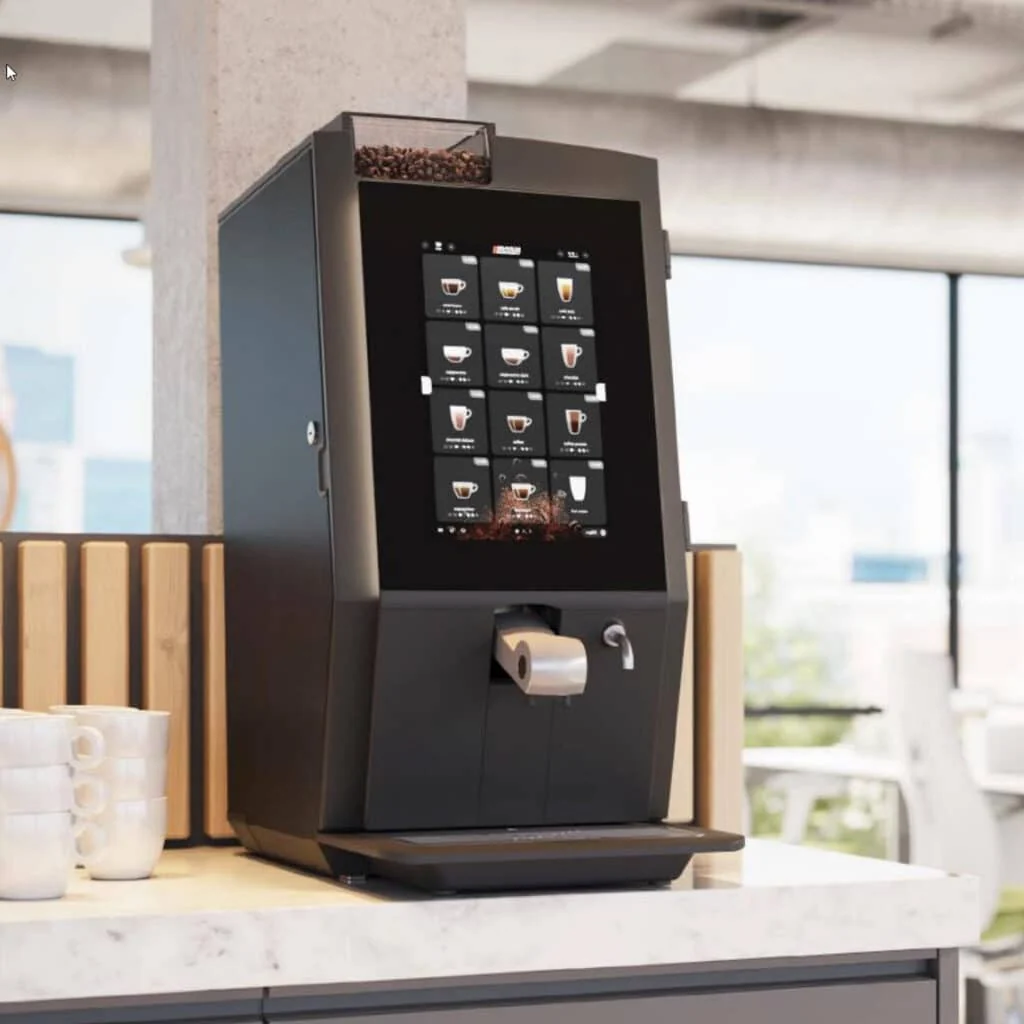
Coffee drinkers have higher standards than ever, which is why the bean-to-cup vending machine has become so popular. A bean-to-cup vending machine grinds fresh beans for every drink, giving customers café-style coffee without the café.
This guide covers how a bean-to-cup vending machine works, what it costs, cost per cup, milk options, cleaning, the best sites and how bean-to-cup compares with instant.
Quick answer: A bean-to-cup vending machine grinds whole beans and brews fresh espresso-based drinks on demand. It costs more than an instant machine but supports higher prices and happier customers.
It suits offices, hospitals, campuses and public sites where people want real coffee and there is no café nearby.
Bean-to-cup coffee from Irelley
The Premium Gourmet Coffee Machine with free UK delivery, installation and 0% payment plans.
View the Machine →What is a bean-to-cup vending machine?
A bean-to-cup vending machine stores whole coffee beans in a hopper. When a customer chooses a drink, it grinds the exact amount needed, brews it and adds milk or hot water.
The result is a fresh espresso-based drink in under a minute. Lattes, cappuccinos, flat whites, Americanos and hot chocolate are all common options, and many machines also offer tea and hot water.
Instant machines, by contrast with a bean-to-cup vending machine, use soluble coffee and milk powder. They are simpler and cheaper, but the taste is closer to a quick office drink than a café coffee.
How it works
Every bean-to-cup vending machine follows the same basic steps. Understanding them helps with cleaning and troubleshooting.
- Grinding: beans are ground fresh for each drink.
- Tamping: the grounds are pressed in the brewing unit.
- Brewing: hot water is forced through the coffee at pressure.
- Milk: fresh or powdered milk is heated and frothed if needed.
- Waste: used grounds drop into a waste bin for emptying.
Because each drink is made from scratch, the coffee tastes noticeably fresher than instant.
Bean-to-cup vending machine: 7 best proven tips
1. Choose quality beans
Beans make the biggest difference to taste. A medium roast suits most customers, and vending-specific blends are designed to grind and brew consistently.
2. Decide on fresh or powdered milk
Fresh milk tastes better but needs a fridge and daily cleaning. Powdered milk is easier and lasts longer, which suits sites without staff on hand.
3. Plan water and power
Check whether the machine needs mains water or a tank, and make sure a suitable socket is close by. A water filter protects the machine and improves taste.
4. Keep it clean
Daily rinsing and regular cleaning of the brewing unit keep coffee tasting good. A dirty bean-to-cup vending machine quickly produces bitter drinks.
5. Price for the site
Offices and hospitals often charge less, while stations and leisure sites can charge café-style prices. Card payment is essential at higher prices.
6. Offer a short, popular menu
Lattes, cappuccinos, Americanos, flat whites and hot chocolate cover most demand. Too many options slow customers down.
7. Place it where people pause
Receptions, waiting rooms, staff rooms and break areas work best. People buy coffee when they have a moment to wait.
Our bean-to-cup machine
The Premium Gourmet Coffee Machine (£2,495) is our bean-to-cup vending machine. It grinds fresh beans and takes payment, making it suitable for offices, receptions and public sites.
If you need a simpler, lower-cost option, our instant machines may suit you better. The touchscreen coffee vending machine (£2,295) is built for free office drinks, while the Nescafé vending machine (£1,995) and Brucafe tabletop machine (£1,095) use instant ingredients.
See all coffee vending machines or read our coffee vending machine for business guide.
Bean-to-cup vs instant
The choice between a bean-to-cup vending machine and an instant machine depends on your site, budget and customers.
| Factor | Bean-to-cup | Instant |
|---|---|---|
| Taste | Fresh, café-style | Quick and consistent |
| Machine price | Higher | Lower |
| Cost per cup | Higher | Lower |
| Selling price | Can charge more | Usually lower |
| Cleaning | More involved | Simpler |
| Best for | Offices, public sites, premium venues | Staff rooms, budget sites, free vend |
Many businesses find a bean-to-cup vending machine pays for itself through higher prices and happier staff. Others prefer instant for its simplicity and low running costs.
Cost per cup and pricing
Ingredient costs for a bean-to-cup vending machine are higher than for instant, but so are selling prices. The figures below are examples only.
| Drink | Example ingredient cost | Example price | Gross profit |
|---|---|---|---|
| Americano | 20p | £1.80 | £1.60 |
| Latte | 35p | £2.20 | £1.85 |
| Cappuccino | 35p | £2.20 | £1.85 |
| Hot chocolate | 30p | £2.00 | £1.70 |
Costs include beans, milk, sugar, cups and lids. Prices vary by region and site, so check local café prices before setting yours.
Hot drinks are standard-rated for VAT, and card fees take a small cut. Our vending machine pricing and vending machine VAT guides explain both.
Fresh milk vs powdered milk
Milk is one of the biggest choices for a bean-to-cup vending machine. It affects taste, cleaning and running costs.
| Factor | Fresh milk | Powdered milk |
|---|---|---|
| Taste | Creamier, café-like | Good, but less rich |
| Storage | Needs a fridge | Ambient, long shelf life |
| Cleaning | Daily milk system cleaning | Less frequent |
| Waste | Short shelf life | Very low |
| Best for | Sites with daily staff | Unattended sites |
Plant-based milks are popular too. Some machines can offer oat or soya options, which widens your audience.
Cleaning and maintenance
A clean bean-to-cup vending machine makes better coffee and breaks down less. Build a simple routine.
- Daily: rinse cycle, empty grounds bin and drip tray, wipe outlets.
- Weekly: clean the brewing unit and canisters.
- Milk system: clean daily if using fresh milk.
- Descaling: as needed, based on local water hardness.
- Filter: change the water filter on schedule.
Hard water areas need more frequent descaling. Our clean a vending machine and vending machine maintenance guides go into more detail.
Water, power and placement
Before buying a bean-to-cup vending machine, check the space carefully. Coffee machines need more than a plug socket.
- A suitable power socket close to the machine.
- A mains water connection, or room to refill a tank.
- Space for bins, cups and cleaning access.
- A level, stable surface or base cabinet.
- Somewhere customers can wait without blocking walkways.
Our vending machine dimensions guide helps check whether a machine will fit.
Where bean-to-cup machines sell best
A bean-to-cup vending machine earns most where people want good coffee and there is no café close by.
| Site | Why it works |
|---|---|
| Offices | Staff want quality coffee without leaving the building |
| Hospitals | Staff and visitors need coffee at all hours |
| Universities | Students drink coffee all day and night |
| Car dealerships and garages | Customers wait for service or test drives |
| Hotels | Guests want coffee outside breakfast hours |
| Gyms and leisure centres | Members relax after a session |
See our guides to vending machines for offices, vending machines for hospitals and vending machines for universities.
Free vend for staff
Many offices set a bean-to-cup vending machine to free vend as a staff perk. Good coffee on site saves time, keeps people in the building and is a popular benefit.
The business pays for the machine and ingredients, then staff help themselves. Compared with coffee shop trips, it can save a lot of time across a team.
Our vending machine vs staff kitchen guide compares the options for workplaces.
Allergens and labelling
Milk in a bean-to-cup vending machine is one of the 14 major allergens, and some syrups or toppings may contain others. Customers must be able to find allergen information easily.
Display allergen details on or near the machine, and keep ingredient labels up to date. The Food Standards Agency allergen guidance explains what food businesses must provide.
Our vending machine allergens guide covers the rules for vending.
Card payment
At café-style prices, card payment is essential. A bean-to-cup vending machine without a card reader will miss many sales.
Card readers on a bean-to-cup vending machine also show which drinks sell best and when, which helps you plan stock and cleaning. Our contactless vending machine guide explains the options.
Cups, lids and sustainability
Paper cups and lids add to the cost per drink of a bean-to-cup vending machine. Some sites encourage reusable cups by offering a small discount.
- Choose recyclable or compostable cups where possible.
- Put a cup recycling bin next to the machine.
- Offer a reusable cup option for regular customers.
- Use energy-saving modes outside busy hours.
Used coffee grounds from a bean-to-cup vending machine can also be composted, which some offices and hospitals like to do as part of their green plans.
Seasonal patterns
Coffee sells all year, but demand still shifts. A bean-to-cup vending machine usually sells most in autumn and winter.
- Winter: lattes and hot chocolate peak.
- Summer: sales dip at outdoor sites but stay steady in offices.
- Term time: campus machines are busiest.
- Mornings: the busiest time at most sites.
A real-world example
Imagine an office with 120 staff and no café nearby. The company installs a bean-to-cup vending machine and sets lattes and Americanos at low prices.
Staff stop leaving the building for coffee, saving time every day. The machine quickly becomes the busiest spot in the office.
Card data shows lattes sell most in the morning and Americanos after lunch. The team plans bean and milk deliveries around those patterns.
Running costs
A bean-to-cup vending machine costs more to run than a snack machine. The main costs are simple to plan.
- Beans, milk, sugar, chocolate and cups.
- Electricity for heating water and the display.
- Water filters and descaling products.
- Cleaning time.
- Card payment fees.
Our vending machine electricity cost guide and vending machine profit calculator help estimate profit.
Placing a machine on someone else’s site
Operators can place a bean-to-cup vending machine at a host business and pay commission on sales. The host gets quality coffee, and the operator keeps the rest.
Agree who handles cleaning, water, power and restocking in writing. Our vending machine placement agreements guide explains the details.
Choosing beans
The beans you load into a bean-to-cup vending machine shape every drink. A few simple choices make a big difference.
- Roast: medium roasts suit most tastes; darker roasts suit milky drinks.
- Blend: vending blends are made to grind and brew consistently.
- Freshness: buy in amounts you will use within a few weeks.
- Storage: keep beans sealed, cool and away from light.
- Ethics: Fairtrade or Rainforest Alliance beans appeal to many customers.
Ask for samples and run a taste test with staff or customers before committing to a supplier.
Menu ideas
A short, well-chosen menu keeps a bean-to-cup vending machine quick and easy to use. Most demand comes from a handful of drinks.
| Drink | Who buys it |
|---|---|
| Latte | The most popular choice at most sites |
| Cappuccino | Classic choice for office workers |
| Americano | Black coffee drinkers |
| Flat white | Younger customers and coffee fans |
| Hot chocolate | Children, families and non-coffee drinkers |
| Tea | A must in the UK |
Add a decaf option and one seasonal drink, such as a caramel latte in winter, to keep things interesting.
Buying vs leasing vs free placement
There are three main ways to get a bean-to-cup vending machine. Each suits different businesses.
- Buy outright: you own the machine and keep all the profit.
- Payment plan: spread the cost with monthly payments, such as our 0% payment plans.
- Free placement: an operator installs and runs the machine and pays you commission.
Owning usually earns the most over time. Our free vending machine for business guide explains how placements work.
Troubleshooting
Most bean-to-cup vending machine problems have simple causes. Check these first before calling an engineer.
- Weak coffee: grinder setting too coarse or beans running low.
- Bitter coffee: dirty brewing unit or old beans.
- No milk froth: blocked milk system that needs cleaning.
- Slow drinks: limescale build-up that needs descaling.
- Error messages: full grounds bin or empty water tank.
Our vending machine troubleshooting guide covers more common faults.
Hygiene and food safety
Coffee machines handle milk and hot water, so hygiene matters. A neglected milk system can grow bacteria quickly.
- Keep fresh milk chilled at all times and replace it daily.
- Follow the manufacturer’s cleaning programme exactly.
- Record cleaning in a simple log.
- Train anyone who looks after the machine.
If you sell drinks regularly, you may need to register as a food business with your local council. Our vending machine regulations guide explains the rules.
Training staff and users
A bean-to-cup vending machine runs best when a named person looks after it. That person handles daily cleaning, refills and simple faults.
Short instructions on or near the machine help customers too. Show how to choose a drink, add extra shots and pay, especially if the machine has a touchscreen.
Clear signs reduce mistakes, spills and wasted drinks. They also cut down on calls about simple issues such as a full grounds bin.
Warranty and servicing
Coffee machines have more moving parts than snack machines, so servicing matters. Ask what the warranty covers and how quickly faults are fixed.
Regular servicing keeps grinders, pumps and heating elements in good shape. Our vending machine warranty guide explains what to look for.
Is a bean-to-cup machine worth it?
For sites where people value good coffee, a bean-to-cup vending machine usually pays its way. Higher prices per drink and steady daily demand can recover the extra cost over instant.
It is less suited to very small sites, places with no one to clean it, or locations where customers only want the cheapest possible drink. In those cases, an instant machine may be the smarter choice.
Think about how many drinks a day you expect, what customers will pay and who will look after the machine. Those three answers usually make the decision clear.
Common mistakes
- Skipping daily cleaning, which ruins the taste.
- Ignoring hard water and descaling.
- Choosing fresh milk at a site with no staff to clean it.
- Too many drink options that confuse customers.
- Coin-only payment at café-style prices.
- No allergen information near the machine.
The verdict on bean-to-cup vending machines
A bean-to-cup vending machine brings café-quality coffee to sites without a café. It costs more than instant to buy and run, but higher prices and happier customers usually make up the difference.
Choose good beans, plan your milk, keep it clean and place it where people pause. View our Premium Gourmet Coffee Machine or contact our team to find the right bean-to-cup vending machine for your site.
FAQ
Frequently asked questions
A bean-to-cup vending machine grinds whole coffee beans for every drink and brews it fresh. It makes espresso-based drinks such as lattes, cappuccinos and Americanos at the touch of a button.
Irelley’s Premium Gourmet Coffee Machine, a bean-to-cup model, costs £2,495. Delivery and installation are free, and 0% payment plans are available.
Bean-to-cup gives fresher, café-style coffee and supports higher prices. Instant machines are cheaper to buy and run, and simpler to maintain.
Ingredient costs depend on your beans, milk and cup size. As an example, many operators work on roughly 20p to 40p per drink for coffee, milk and a cup.
Many sites charge between £1.50 and £3, depending on location and drink. Offices and hospitals often charge less, while stations and leisure venues can charge more.
Some are plumbed into the mains water supply, while others use a water tank. Plumbed machines need less attention but must be near a water supply.
Most need a daily rinse and wipe-down, regular cleaning of the brewing unit and milk system, and descaling based on water hardness.
Some machines use fresh milk from a chilled container, while others use milk powder. Fresh milk tastes better but needs refrigeration and more cleaning.
Offices, hospitals, universities, gyms, car dealerships, hotels and transport hubs, especially where there is no café nearby.
Yes. Many offices set machines to free vend as a staff perk, while public sites charge per cup with a card reader.
Ready for real coffee?
Bean-to-cup and instant coffee machines with free UK delivery, installation and 0% payment plans.
[…] bean-to-cup vending machine guide and our coffee vending machine for business guide explain each type in more […]