

Cake vending machine: 9 proven ideas & best setup
What to sell, chilling rules, allergen labels, packaging, best UK sites and machine costs.
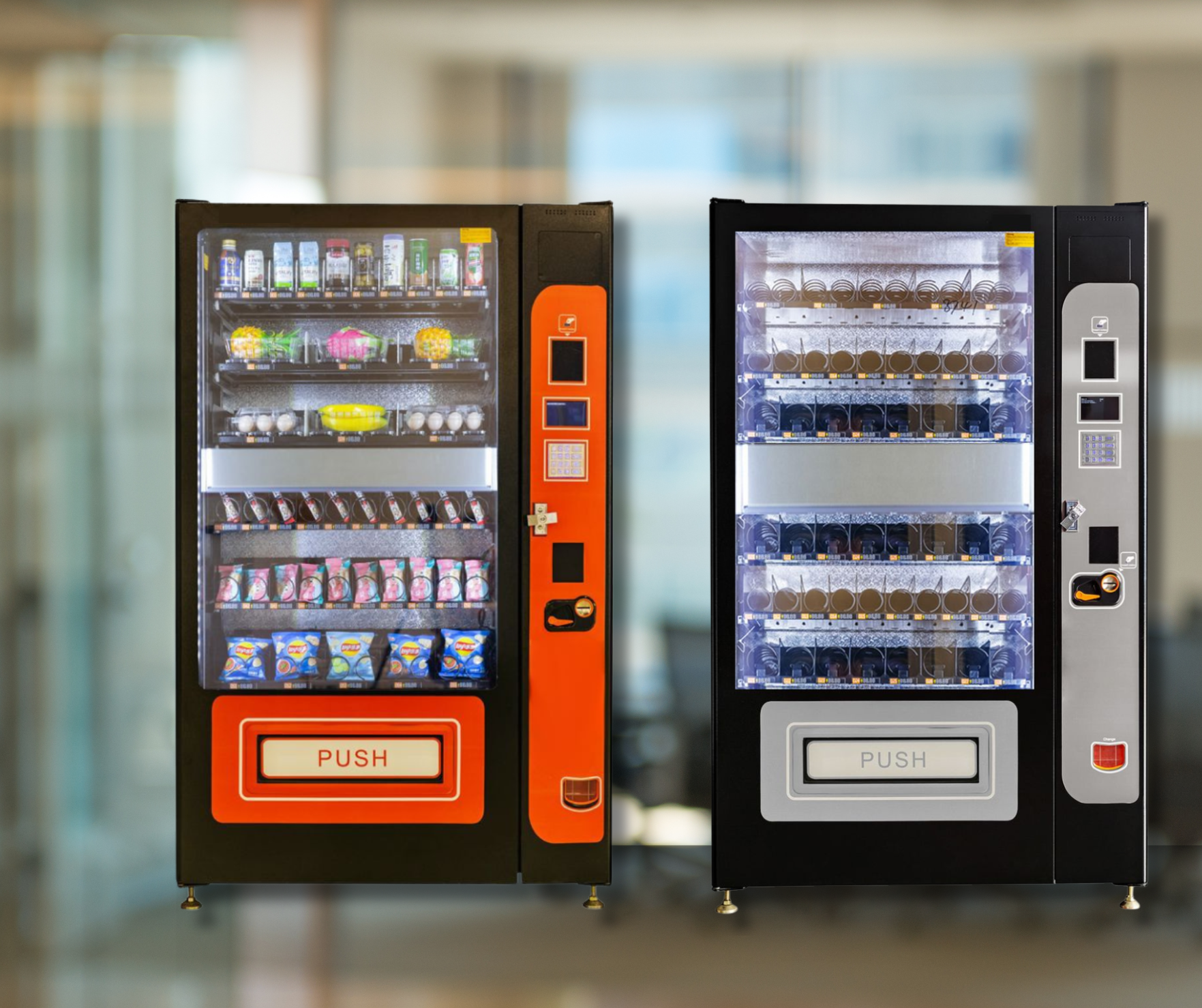
People want cake at all hours: a birthday treat on the way home, a slice with coffee after the café has shut, a cupcake for the kids on a Sunday. A cake vending machine sells them when your shop can’t.
This guide covers what a cake vending machine is, nine ideas for what to sell, the chilling and labelling rules, packaging, the best UK sites and what a machine costs.
Quick answer: A cake vending machine sells cakes, slices, cupcakes and sweet bakes around the clock. Cream cakes need chilling at 8°C or below, while many sponges and brownies can be sold from an ambient machine.
Every cake needs proper labelling with allergens. Bakeries, cafés and busy public sites are the best homes for a machine.
Sell cakes 24/7
The Custom Bakery Vending Machine, tested and delivered free anywhere in the UK.
View the Bakery Machine →What is a cake vending machine?
A cake vending machine is a vending machine stocked with cakes and sweet bakes instead of crisps or drinks. Customers choose a cake, pay by card or cash and collect it from the hatch.
Some machines are chilled, which suits fresh cream cakes and cheesecakes. Others are ambient, which suits brownies, flapjacks, sponges and cookies.
The idea isn’t new. Sprinkles, a bakery in Beverly Hills, made headlines in 2012 with a 24-hour cupcake ATM that it restocked with fresh cupcakes every few hours.
Cake vending machine: 9 proven ideas
1. Cupcakes
Cupcakes are the classic cake vending machine product. They’re individually portioned, easy to box and look great through the glass.
2. Cake slices
Slices of Victoria sponge, carrot cake, lemon drizzle and chocolate cake sell well with coffee. Each slice needs a sturdy box or clamshell.
3. Brownies and blondies
Brownies travel well, last longer than cream cakes and usually don’t need chilling. They’re a reliable seller.
4. Whole celebration cakes
Small whole cakes for birthdays and anniversaries sell at higher prices. They’re popular in the evenings and at weekends when bakeries are shut.
5. Cheesecakes and cream cakes
These need a chilled machine. Individual pots or slices work best.
6. Cookies
Large, freshly baked cookies in bags or boxes sell well to students and shoppers.
7. Traybakes and flapjacks
Traybakes are easy to portion and package. Flapjacks last well and suit ambient machines.
8. Doughnuts
Filled and iced doughnuts sell strongly in the morning and after school. Cream-filled ones need chilling.
9. Free-from cakes
Gluten-free, vegan and dairy-free cakes serve customers who often struggle to find options. Keep them clearly labelled and separate.
Chilled or ambient cake vending machine?
The type of cake decides the type of machine. Chilled food must be kept at 8°C or below, and fridges are best set at 5°C or lower, according to GOV.UK guidance on chilling food.
Cakes with fresh cream, cream cheese frosting, custard or fresh fruit usually need a chilled cake vending machine. Brownies, flapjacks, cookies and many sponges can be sold from an ambient machine.
If you want to sell both, choose a chilled machine. Ambient cakes are fine in the fridge, but cream cakes can’t go in an ambient machine.
| Cake type | Usually needs chilling? | Typical shelf life |
|---|---|---|
| Fresh cream cakes | Yes | 1–2 days |
| Cheesecakes | Yes | A few days |
| Cupcakes (buttercream) | Often not | 2–3 days |
| Sponge slices | Often not | 2–4 days |
| Brownies and flapjacks | No | Several days |
| Cookies | No | Several days |
Shelf lives vary with recipe and packaging, so always follow your own use-by or best-before dates.
Cake vending machine allergen labelling
Cakes often contain several of the 14 major allergens, including gluten, eggs, milk, nuts, soya and sesame. Every cake in a cake vending machine needs a clear label.
If a bakery packs its own cakes on site for direct sale, they usually count as prepacked for direct sale. That means a label with the name of the food and a full ingredients list with allergens emphasised.
Customers can’t ask a member of staff at a machine, so labels must be easy to read through the glass or on the box. Our bakery vending machine guide explains labelling in more detail.
Packaging for a cake vending machine
Cakes are fragile, so packaging matters more than in most vending. Icing, cream and decorations can be damaged if a cake drops or slides.
Clear, rigid boxes and clamshells protect cakes and show them off. Lift or locker-style machines are gentler than spirals for delicate items.
Good packaging also keeps cakes fresh for longer and carries the allergen label. Ask your packaging supplier for boxes sized to the machine’s columns or lockers.
Best sites for a cake vending machine
- Outside bakeries and cafés: sell after closing time.
- Shopping centres: steady footfall and treat-minded shoppers.
- Hospitals: visitors and night staff. See vending machines for hospitals.
- Train stations: commuters buying gifts or treats. See station vending machines.
- Universities: students and late-night study. See vending machines for universities.
- Offices: celebrations and afternoon treats. See vending machines for offices.
Our guide to vending machine locations explains how to judge footfall before you commit.
Cake vending machine for bakeries
For a bakery, a cake vending machine extends opening hours without extra staff. It sells to people passing after closing time, early in the morning and on days the shop is shut.
It also helps reduce waste. Cakes that didn’t sell during the day can go into the machine for evening buyers, as long as they’re within date.
A machine outside the shop needs weather protection and good security. A wall recess or canopy works well.
Celebration cakes after hours
Forgotten birthdays happen. A cake vending machine stocked with small celebration cakes catches buyers who need a cake tonight.
Candles, cards and simple decorations can sit alongside the cakes. Together they turn a quick purchase into a ready-made celebration.
Cake vending machine for train stations and shopping centres
Busy public places suit cake well. Commuters pick up a treat on the way home, and shoppers grab something sweet between stores.
Footfall is high but competition can be strong, so a distinctive range helps. Local bakes, seasonal flavours and free-from options stand out against chain cafés.
Talk to the site owner about commission and opening hours before you commit. Our vending machine commission rates guide explains typical deals.
Free-from and dietary options
Gluten-free, vegan and dairy-free cakes are hard to find outside specialist bakeries. A few free-from lines can make a machine the go-to choice for customers with dietary needs.
Keep free-from cakes sealed and clearly labelled. Make sure “free from” claims are accurate, because cross-contamination in the kitchen can make a claim untrue.
Promoting your machine
Tell people the machine exists. Post photos of new cakes on social media, add the location to your Google Business Profile and put a sign in your shop window.
Limited flavours and weekend specials give regulars a reason to come back. A simple “new this week” card on the machine works well.
Food safety and registration
Selling cakes from a machine usually means registering as a food business with your local council at least 28 days before you start trading. Registration is free.
Keep the machine clean, check temperatures if it’s chilled and remove anything past its date. Our vending machine regulations guide covers the wider rules.
Restocking and freshness
Cakes don’t last as long as packaged snacks, so restock little and often. Many bakeries refill the machine daily, or more often on busy days.
Rotate stock so older cakes sell first. Telemetry shows which cakes sell fastest, so you can bake the right amounts.
Our restocking guide and vending machine telemetry guide explain both in more detail.
Pricing cakes
Cakes carry good margins, especially homemade and premium bakes. Price a cake vending machine in line with your shop, perhaps with a small premium for out-of-hours convenience.
Bundles can lift sales too. A cake vending machine offering two cupcakes for a set price, or a slice with a cookie, encourages bigger baskets without extra effort.
Cupcakes and slices sell as treats, while whole cakes sell as gifts at higher prices. Our vending machine pricing guide explains how to set prices that sell.
Branding and display
Cakes sell on looks. Bright lighting, clean glass and well-arranged products make a cake vending machine far more tempting.
A custom wrap in your bakery’s colours turns the machine into an advert. Irelley wraps cost from £100 to £300 for a DIY kit or £350 to £950 fully fitted, excluding VAT.
Cake vending machine for cafés and coffee shops
Cafés sell most cake alongside coffee during the day. A cake vending machine outside lets them keep selling after closing, when commuters and evening walkers pass by.
Pairing it with a coffee machine creates a 24-hour coffee and cake corner. Our coffee vending machine guide covers hot drink options.
Cake vending machine for hospitals
Hospital cafés close in the evening, but visitors and night staff still want a treat. A chilled cake vending machine near the main entrance or staff areas fills the gap.
Wrapped slices and cupcakes suit visitors who want something small and comforting during a long wait.
Many hospitals have healthy food standards, so check what’s allowed. Smaller portions and lower-sugar options may help. Our healthy vending machine guide has ideas.
Cake vending machine for offices
Offices celebrate birthdays, leaving dos and team wins. A cake vending machine means nobody has to rush to the shop at lunchtime.
Individual slices and cupcakes suit afternoon breaks, while small whole cakes suit celebrations. Card payments make it easy for staff to buy for colleagues.
Home bakers and small cake businesses
Home bakers and small cake makers often sell through markets and social media. A cake vending machine at a busy local spot gives them a permanent shop front without rent.
They’ll still need to register as a food business, follow food hygiene rules and label every cake properly. Our guide to starting a vending machine business covers the wider setup.
Seasonal cakes
Seasons give a cake vending machine fresh reasons to buy. Mince pies and Christmas cake in December, hot cross buns and simnel cake at Easter, and pumpkin bakes in autumn all draw attention.
Valentine’s Day, Mother’s Day and Father’s Day are strong for small celebration cakes. Plan your range around the calendar and promote it on social media.
Reducing waste
Cakes have short shelf lives, so waste is the biggest risk to profit. Start with small quantities and increase them as you learn what sells.
A cake vending machine with telemetry shows sales by product and time. Bake more of what sells and drop the slow lines.
Cakes nearing their date can be discounted in the machine or donated to food charities, where safe and legal to do so.
Payments
Cakes cost more than a bag of crisps, so most buyers pay by card or phone. Contactless is essential for any cake vending machine.
Our contactless payment guide explains the options. Card payment on Irelley machines costs £10 a month for telemetry plus 2% per transaction.
Cleaning and hygiene
Crumbs, icing and cream can build up inside a machine. Clean shelves, trays and the delivery hatch regularly, and wipe the glass so cakes stay visible.
Chilled machines also need their seals and drains checked. Our cleaning guide explains how to keep food machines hygienic.
Questions buyers ask
Can one cake vending machine hold different cake sizes? Yes, if the columns or lockers can be adjusted. Locker machines are the most flexible.
Does it need a power supply? Yes, for lighting, payment and, in chilled machines, the fridge.
Can it go outdoors? Yes, with weather protection, good security and shade from direct sun.
Choosing cakes that travel well
Not every cake suits a machine. Tall layer cakes, delicate meringues and heavily decorated bakes are easily damaged when they move.
Flat, sturdy bakes in rigid boxes are the safest choice. Cupcakes in individual pods, slices in clamshells and brownies in sealed bags all hold up well.
Test a few products before launch. Load them, dispense them and check how they look when they reach the hatch.
Working with local bakeries
Operators who don’t bake can partner with a local bakery. The bakery supplies fresh cakes, and the operator runs the machine and the site.
Agree who handles labelling, delivery times and unsold stock before you start. Some deals use a fixed wholesale price, while others share sales.
Local branding helps both sides. Customers like knowing their cake came from a bakery down the road.
Outdoor machines
A machine outside a bakery or farm shop needs protection from rain, wind and direct sun. Heat can melt icing and spoil chocolate, even in an ambient machine.
A canopy, wall recess or small shelter keeps the machine cooler and drier. Our outdoor vending machine guide explains what to look for.
Costs to plan for
- The machine itself, or payment plan instalments.
- Packaging and labels for every cake.
- Electricity, especially for chilled machines.
- Card fees and telemetry.
- Waste from unsold cakes.
- Site commission, if the machine sits on someone else’s premises.
Payment plans spread the machine cost over up to 12 months at 0% interest. See our payment plans for details.
Getting started
Pick your range, decide whether you need chilled or ambient storage and choose a site with steady footfall. Register as a food business, sort out labels and packaging, then start small.
A soft launch helps. Stock a handful of best-sellers for the first fortnight, then add new lines once you know the machine is working smoothly.
Track sales for the first month and adjust. The best ranges grow from what customers actually buy.
Common mistakes
- Putting cream cakes in an ambient machine.
- Missing or unclear allergen labels.
- Using flimsy packaging that crushes cakes.
- Overstocking cakes with short shelf lives.
- Placing the machine where few people pass.
Cake vending machines from Irelley
Irelley’s Custom Bakery Vending Machine suits cakes, pastries and bakes, with a bold design that catches the eye. For a tailored layout, our Custom Retail Machine can be configured to suit your range.
Every machine is tested before dispatch, delivered and installed free anywhere in the UK, and covered by a 12-month warranty. Card payment with telemetry costs £10 a month plus 2% per transaction.
The verdict on the cake vending machine
A cake vending machine lets bakeries and operators sell treats around the clock, with good margins and little extra staff time. Getting chilling, labelling and packaging right is what makes it work.
Choose the right machine for your cakes and a site with steady footfall. Browse our vending machines for sale or contact our team for advice.
FAQ
Frequently asked questions
A cake vending machine is a chilled or ambient vending machine stocked with cakes, slices, cupcakes, brownies and other sweet bakes. Customers pay by card or cash and the machine dispenses the cake, often 24 hours a day.
It depends on the cakes. Cakes with fresh cream, cream cheese frosting or custard must be kept chilled at 8°C or below, while many sponges, brownies and flapjacks can be sold from an ambient machine.
Cupcakes, brownies, cake slices, cookies and celebration cakes tend to sell well, especially at weekends and on special occasions.
Yes. Cakes packed by a bakery on its own premises for direct sale usually count as prepacked for direct sale, which needs the name of the food and a full ingredients list with the 14 allergens emphasised.
Outside bakeries and cafés, in shopping centres, hospitals, train stations, universities, offices and busy high streets.
It varies by recipe. Fresh cream cakes may last only a day or two, while brownies and sponges can last several days. Always follow the use-by or best-before date.
Cake vending has a long history, but Sprinkles, a bakery in Beverly Hills, made headlines in 2012 with a 24-hour cupcake ATM.
Usually, yes. Selling food generally means registering as a food business with your local council at least 28 days before you start trading.
Sell cakes around the clock
Tested machines with free UK delivery and installation.
[…] our guides to the first aid vending machine, cake vending machine and frozen food vending […]