

Vending machine planogram: 7 critical steps, best layout
How to map your machine, place best sellers, match spirals and use sales data to build a layout that sells.
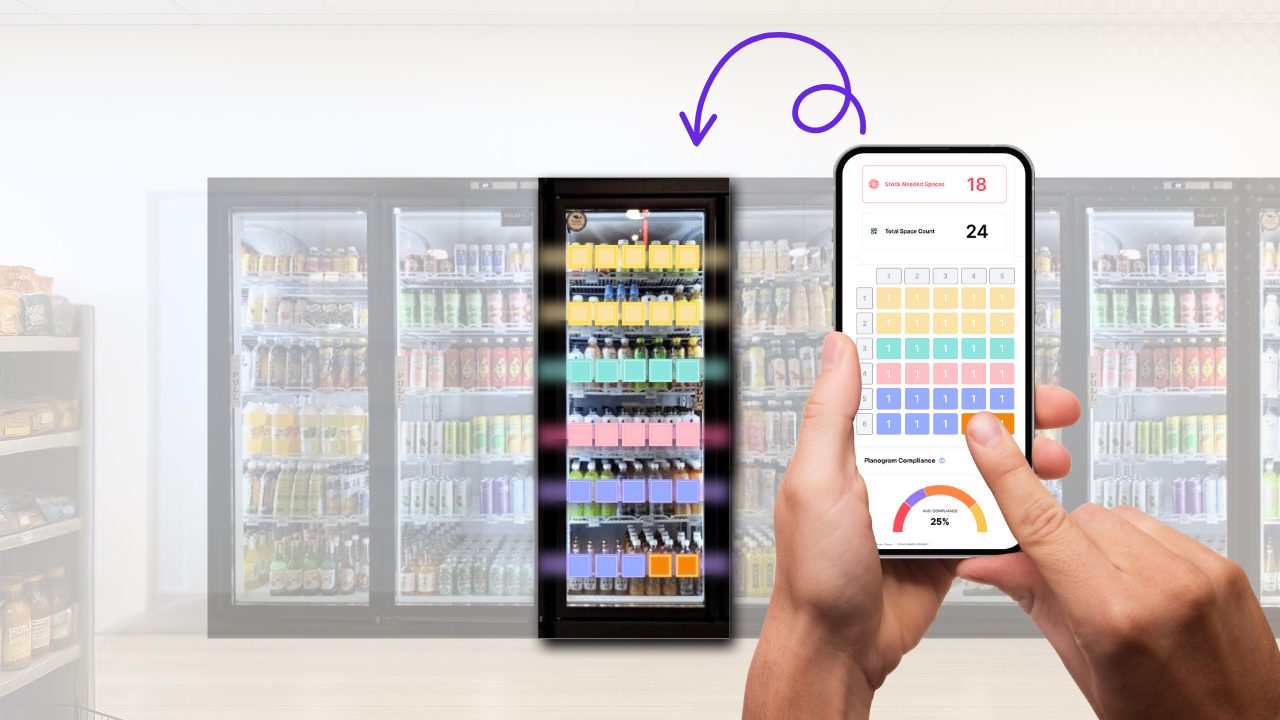
A vending machine planogram is the plan that decides what goes where in your machine. It sounds like a small detail, but the right layout can lift sales, reduce sell-outs and make restocking faster.
This guide covers 7 critical steps to set up a vending machine planogram: mapping your machine, placing best sellers, matching spirals, planning capacity, grouping products, placing healthy options and reviewing the layout with real sales data.
Machines built for great layouts
Snack, drinks and combo machines with flexible spirals, delivered and installed free anywhere in the UK.
View Machines For Sale →What is a vending machine planogram?
A vending machine planogram is a simple map of your machine. It shows each slot or column, the product in it, the price, the spiral size and how many items it holds.
Retailers have used planograms for decades to decide shelf layouts. In vending, the same idea helps you put the right product in the right place every time.
A good planogram also makes restocking easier. Anyone loading the machine can follow it, so the layout stays consistent and customers always find their favourites.
Why it matters
Without a vending machine planogram, products end up wherever they fit. Best sellers hide in corners, spirals get mismatched and columns run empty at different times.
With a planogram, every load looks the same and customers learn where to find their favourites. That familiarity builds trust and repeat sales.
A vending machine planogram also makes it easier to hand restocking to someone else, train staff and compare performance between sites.
7 critical steps to set up a vending machine planogram
Follow these steps to build a vending machine planogram that sells.
1. Map the machine
Draw a grid of every shelf and column, noting spiral sizes and capacity. Label each slot clearly with its selection number.
2. Choose your range
List the products you plan to sell, using sales data or local knowledge. Our guide to the best snacks for vending machines helps you pick a strong range.
3. Put best sellers at eye level
Customers look at eye level first, before scanning up or down. Place your top sellers there, and give the very best more than one column.
4. Match spirals to products
Every product needs the right spiral size. A loose fit causes jams and a tight fit stops products dropping.
5. Plan capacity around demand
Fast sellers need more space than slow ones, even if that means fewer different products. Allocate columns so nothing sells out long before the next restock.
6. Group similar products
Keep crisps together, chocolate together and healthy options together. Grouping helps customers compare and choose quickly, which matters when they’re in a hurry.
7. Review and adjust
Use sales data to update the vending machine planogram every month or two. Swap slow lines and give winners more room.
“A vending machine planogram turns guesswork into a plan. The same machine can sell far more just by putting the right products in the right places.”
Variety or focus?
It’s tempting to fill every slot with a different product. But too much choice slows customers down, and slow lines take space from best sellers.
Most strong vending machine planogram layouts balance a core of proven favourites with a few rotating options. Give the favourites more columns and keep the extras to a handful.
Our guide to the best vending machine products shows which lines usually earn a place in the core range.
A starter layout
If you’re starting from scratch, a simple vending machine planogram for a typical snack machine might look like this:
- Top shelf: lighter impulse items, such as mints, gum and small sweets
- Upper middle: chocolate bars and popular treats
- Eye level: your top crisps and best-selling snacks, doubled where needed
- Lower middle: healthier options, biscuits and cereal bars
- Bottom shelf: larger or heavier items, such as sharing bags
Treat this as a starting point, not a rule. Within a few weeks, your sales data will show how to improve the vending machine planogram for your site.
Eye level and the golden zone
The area at and just below eye level is often called the golden zone. Products here get the most attention and the most sales.
Put high-margin best sellers in the golden zone. Lower shelves suit heavier items and products people look for specifically, such as a favourite brand of crisps.
Top shelves can work well for lighter, impulse items such as mints and gum. Experiment and let your sales data show what works best at each site.
Spirals, sizes and capacity
Spirals come in different pitches, meaning the gap between each turn. Small items like chocolate bars need a tight spiral, while bigger items like crisps or bottles need a wider one.
Your vending machine planogram should record the spiral size for every slot. That stops mistakes when someone new restocks the machine.
Capacity matters too. If a column holds 12 items and sells 15 between visits, it will run empty, so double up or restock more often.
Good Planogram
Planned Layout
- Best sellers: At eye level, often doubled
- Spirals: Matched to every product
- Grouping: Clear categories
- Capacity: Based on real sales
- Result: Fewer sell-outs, more sales
No Planogram
Random Layout
- Best sellers: Wherever they fit
- Spirals: Often mismatched
- Grouping: Mixed and confusing
- Capacity: Guesswork
- Result: Jams, gaps and lost sales
Vending machine planogram by site type
Every site has different customers, so each needs its own vending machine planogram.
Offices
Offices favour coffee, chocolate, crisps and healthier snacks. Place mid-morning and mid-afternoon favourites in the golden zone.
Gyms
Gyms want water, sports drinks and protein snacks at eye level. A gym vending machine planogram puts recovery products front and centre.
Schools
Schools must follow food standards, so the vending machine planogram focuses on water, plain milk and permitted healthier snacks.
Hospitals
Hospitals serve staff, patients and visitors around the clock. A balanced layout with healthier options at eye level suits most hospital sites.
Transport hubs
Travellers want quick, familiar choices. Big brands, water and grab-and-go snacks should be easy to spot.
Drinks machine planograms
Drinks machines have fewer columns but still benefit from a vending machine planogram. Water and best-selling soft drinks should be easiest to reach.
Mix still and sparkling, sugar-free and regular, so every customer finds something. Machines like our Coca-Cola modern drinks machine and large blue cold drinks machine make it easy to give popular drinks several columns.
Combo machine layouts
Combo machines hold snacks and drinks in one cabinet, so the vending machine planogram covers both. Drinks usually sit in the chilled section, often lower down, with snacks above.
Place popular drinks where they’re easy to see, and pair snacks and drinks visually to encourage two-item purchases. Our black combo machine and healthy vending combo are good examples of flexible layouts.
Touchscreens and digital layouts
On touchscreen machines, the vending machine planogram covers both the physical slots and the digital menu. The screen can show categories, images and allergen details.
Feature best sellers and offers on the first screen, and keep categories simple. Our grey touchscreen combo lets you change the on-screen layout remotely.
Healthy options and placement
Where you place healthier products affects how often people choose them. Putting them at eye level makes them more visible and more likely to sell.
Some public-sector sites follow the government buying standards for food and catering, which encourage healthier options. Your vending machine planogram can support those goals at hospitals, councils and schools.
Clear labelling and grouping help health-conscious customers find what they want quickly.
Merchandising details
Small presentation details can make a vending machine planogram far more effective. Load products facing forward, with brand names visible and packets straight.
Keep price labels clean, accurate and lined up with the right selection number. A wrong label causes confusion and refunds.
Good internal lighting helps products stand out, especially in darker corridors. A bright, tidy display makes a vending machine planogram look professional and easy to shop.
Allergens and labelling
Customers with allergies need to see ingredient information before buying. Make sure product packaging is visible, or provide allergen details on the machine or screen.
Grouping free-from products together in the vending machine planogram helps these customers find suitable options quickly.
Pricing in the planogram
Your planogram should include prices for every slot. Grouping similar price points helps customers compare, while placing a premium item next to a standard one can lift sales of both.
Card payment lets you set exact prices rather than rounding to coins. Our vending machine profit calculator helps you check margins on each line.
Our take: put best sellers at eye level, double up your top lines, match every spiral and review the vending machine planogram with real sales data every month or two.
Using sales data
Sales data turns a vending machine planogram from a guess into a strategy. Card readers with telemetry show sales by product and slot, so you can see exactly what works.
Look for products that sell out before restocking and give them more space. Drop lines that barely move and test new ones in their place, one at a time.
Card payments with telemetry cost £10 a month plus 2% per transaction with Irelley. Our contactless vending machine guide explains how it works.
Testing new products
Reserve one or two columns for testing. Try a new product for a few weeks and compare its sales with the line it replaced.
If it outsells the old product, keep it and update the vending machine planogram. If not, swap it out and try something else.
Seasonal planograms
Customer preferences change with the seasons, and your vending machine planogram should too. Cold drinks and water sell more in summer, while hot snacks and comfort foods lift in winter.
Keep a summer and a winter version of your vending machine planogram, and switch between them as the weather changes. Seasonal products, such as festive treats, can take a column or two.
Planograms across a route
Operators with several machines can use a standard vending machine planogram as a starting point, then adjust it for each site. That keeps stock ordering simpler while still respecting local tastes.
Compare sales between sites with similar layouts. If a product sells well everywhere, it belongs in the core range; if it only sells in one place, keep it local.
For real-world figures on what machines earn, see our guide to how much vending machines make.
Restocking with a planogram
A printed planogram inside the machine door makes restocking quick and consistent. Anyone can load the machine correctly without guessing.
Use it to pre-pick stock before a visit, so you arrive with exactly what each column needs. Our guide on how to restock a vending machine covers the process.
Tools to create a planogram
You don’t need special software to start. A simple spreadsheet with a row for each slot works well for one or two machines.
Record the slot number, product, price, spiral size, capacity and average sales. Print it and keep a copy inside the machine door.
Larger operators often use telemetry platforms that store each vending machine planogram digitally and link it to sales data.
Sharing with the site
Site owners often have opinions about what’s sold in their building. Share your vending machine planogram and invite feedback.
Involving the site builds goodwill and can reveal products their staff or visitors want. Our commission rates guide explains how to keep site relationships strong.
Planogram checklist
Use this checklist when building or reviewing a vending machine planogram:
- Every slot mapped with product, price, spiral and capacity
- Best sellers at eye level and doubled where needed
- Similar products grouped together
- Healthy options clearly visible
- Seasonal changes planned
- Printed copy inside the machine door
Review the list every month or two, and after any change of site or season, to keep the layout sharp.
Choosing a machine for your layout
Some machines make planning easier than others. Adjustable shelves, flexible spirals and plenty of columns give you more control over your vending machine planogram.
A large machine such as our large dark grey snack machine offers room for a wide range, while compact machines suit tighter spaces with a focused selection.
If you’re unsure which size you need, our guide to choosing the right vending machine walks through the options.
Training the people who restock
A vending machine planogram only works if everyone follows it. Show new staff or drivers how to read it, where the printed copy lives and why the layout matters.
Explain the reasons behind key choices, such as why best sellers are doubled or why certain spirals are used. People follow rules more carefully when they understand them.
Ask restockers to note any problems, such as products that jam or columns that always run empty. Their feedback is one of the best ways to improve a vending machine planogram over time.
Measuring success
A vending machine planogram should be judged by results. Track a few simple measures before and after every change so you know whether the new layout works.
- Sales per week: total and by column
- Sell-outs: how often columns run empty before a restock
- Slow lines: products that barely move in a month
- Refunds and jams: often a sign of spiral or loading problems
- Average spend: whether customers are buying more per visit
Change one thing at a time where you can, so you can see what made the difference. Over a few months, small improvements to the vending machine planogram add up to noticeably higher takings.
Keep notes of each version of the layout with dates. If sales dip after a change, you can quickly roll back to the version that worked.
Remember that outside factors matter too. Holidays, staff changes at the site and the weather can all move sales, so compare like with like before deciding a vending machine planogram change has failed.
If you’re pricing new lines as part of a layout change, our profit calculator helps you check that each product still earns its place.
Common mistakes
The most common mistake is giving every product the same space. Fast sellers run out while slow sellers sit for weeks.
The second is mismatched spirals, which cause jams and refunds. Always record and double-check spiral sizes when loading.
The third is never reviewing the layout. A vending machine planogram that worked last year may not suit this year’s customers.
Buying from Irelley
Browse our vending machines for sale, or contact our team for help choosing a machine with the right layout for your site. We deliver and install free anywhere in the UK, within 24 hours.
Every machine comes with a 12-month warranty covering parts and remote support, and our payment plans let you spread the cost at 0%.
FAQ
Frequently asked questions
A vending machine planogram is a map showing which product goes in which slot or column, with its price, spiral size and capacity. It keeps loading consistent and helps sales.
Put best sellers at or just below eye level, where customers look first. Give your very best sellers more than one column so they don’t sell out.
Review it every month or two using sales data, and adjust for seasons. Swap slow sellers out and give popular items more space.
Many sites place healthier choices at eye level to encourage them. Some public-sector sites have buying standards that favour healthier options.
Usually, yes. A gym, an office and a school have very different customers, so each site benefits from its own planogram based on local sales.
Layouts that sell
Snack, drinks and combo machines with flexible layouts, delivered and installed free anywhere in the UK.
[…] vending machine planogram guide explains how to keep layouts […]
[…] Put bestsellers at eye level using a planogram. […]