

Stadium vending machines: 7 critical tips, best picks
Faster service for fans at half-time and before kick-off, with crowd safety and approvals built in.
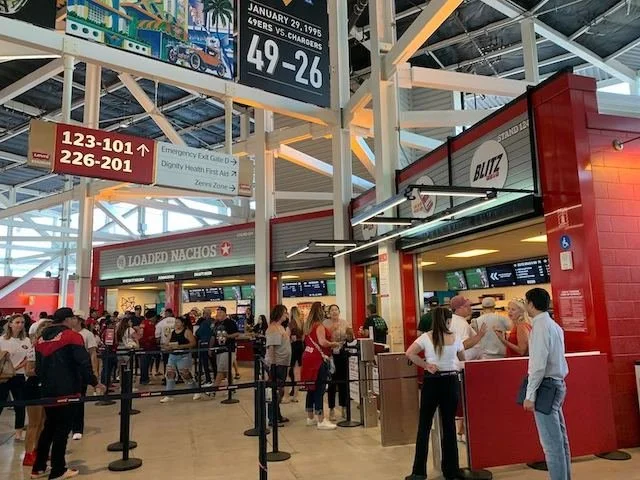
Stadium vending helps grounds serve thousands of fans in the few minutes that matter most: before kick-off, at half-time and at the final whistle. When kiosk queues stretch round the concourse, a fast machine selling water, snacks and hot drinks can save fans missing the action.
This guide covers 7 critical tips for stadium vending at football grounds, rugby stadiums, arenas, racecourses and cricket grounds: placement, crowd safety, half-time rushes, products, payment, approvals and the best machines to consider.
Machines for high-volume venues
High-capacity combo, drinks and hot drinks machines, delivered and installed free anywhere in the UK.
View Machines For Sale →Why stadium vending works
Stadiums handle huge crowds in very short bursts, which is why stadium vending helps. Half-time may last just 15 minutes, and kiosks simply can’t serve everyone in that window.
Stadium vending adds extra serving points without extra staff. It captures sales from fans who would otherwise give up on long queues.
For venues, machines also serve staff, stewards and visitors on non-matchdays, such as tours, conferences and events.
Who uses stadium vending?
Stadium vending serves season ticket holders, away fans, families, corporate guests, stewards and staff. Each group visits at different times and wants different things.
Families buy sweets, drinks and snacks for their children. Away fans often arrive early with time to spare, while stewards and staff need quick refreshments during long shifts.
On non-matchdays, stadium tours, conferences and community events bring other visitors.
Is stadium vending worth it?
Busy grounds with large crowds can sell a lot in a short time. The challenge is capacity: machines must hold enough stock and serve customers fast.
Smaller grounds, non-league clubs and cricket clubs may sell less per match, but machines still add a useful service. Use our vending machine profit calculator to test the numbers.
7 critical tips for stadium vending
Use these tips to set up stadium vending that copes with matchday crowds.
1. Never obstruct crowd routes
Stadium vending machines must stay clear of exits, gangways, stairways and crowd flow routes.
2. Plan for half-time
Fill machines well before kick-off, as there’s no time to restock during the match itself.
3. Choose high-capacity machines
Large stadium vending machines with fast payment cope better with matchday volumes.
4. Go fully cashless
Many grounds are cashless, and fans expect stadium vending to let them tap and go.
5. Stock for the weather
Stock hot drinks on cold afternoons, water and cold drinks in summer, and ponchos for rain.
6. Work with the safety officer
The ground’s safety team must approve every machine position and installation.
7. Keep alcohol out
Alcohol sales at grounds are tightly controlled. Machines should stick to soft drinks and snacks.
“At half-time, every second in a queue is a second of the second half missed. Stadium vending gets fans back to their seats faster.”
Types of venue
Premier League and Championship grounds have huge crowds and professional catering. Stadium vending there supports kiosks in busy zones and serves hospitality and staff areas.
Lower-league, non-league and rugby clubs often have smaller kiosks with long queues. Machines can make a big difference to the matchday experience.
Racecourses, cricket grounds and indoor arenas have their own patterns, with long days, intervals and changing weather.
Crowd safety and approvals
Sports grounds are carefully regulated for crowd safety. The Sports Grounds Safety Authority’s Green Guide sets out guidance on safe capacity, circulation and concourse design.
Stadium vending machines must be placed where they don’t reduce concourse capacity, block exits or create crushes at busy times. The ground’s safety officer and safety advisory group will expect to approve positions.
Expect requirements for secure fixing, electrical safety checks and insurance before installation.
Outside the ground
Fans gather outside turnstiles well before gates open, especially for big derby matches. Machines near entrances, car parks and fan zones catch them as they wait.
Outdoor stadium vending needs weather protection, secure fixing and good lighting for evening fixtures. Check with the club and local authority about any restrictions on public land.
Before kick-off and half-time
Most sales happen in two windows: the hour before kick-off and half-time. Machines must be fully stocked and working well before gates open.
At half-time, speed matters most. Fast contactless payment and simple menus keep queues moving.
After the final whistle, some fans quickly grab water or snacks for the journey home, especially outside the ground.
What to stock
- Drinks: water, soft drinks and sports drinks
- Hot drinks: tea, coffee and hot chocolate
- Snacks: crisps, chocolate, sweets and cereal bars
- Weather items: rain ponchos and hand warmers
- Tech: phone chargers and cables
England plans to ban high-caffeine energy drinks from all vending machines from April 2027, subject to Parliamentary approval. Tea and coffee are exempt.
Placement
Good spots for stadium vending include wide concourse areas away from main flows, near toilets, family zones, hospitality lounges, staff areas and outside turnstiles before entry.
Machines should be easy to find but positioned so queues don’t spill into walkways. Our guide to vending machine locations covers wider placement principles.
Rain and bad weather
British matchdays often bring rain. Ponchos and hand warmers sell quickly when the weather turns, especially in open stands.
Keep a small stock of weather items in at least one stadium vending machine near each main stand.
Family stands
Family stands attract parents and children, who want treats, juice and snacks. Machines near family areas should stock child-friendly items at sensible prices.
Coin payment can help children buy their own treats, while parents simply tap cards.
Evening kick-offs
Evening matches bring colder weather and fans arriving straight from work, often hungry. Hot drinks and filling snacks sell strongly.
Good lighting around stadium vending machines matters more after dark, both for safety and so fans can find them.
Away fans
Away sections often have limited catering and separate concourses. A machine in the away end can serve fans who can’t reach the main kiosks.
Robust cabinets and secure fixing are especially important in busy away areas.
Hot drinks in winter
Football and rugby seasons run through the coldest months. Tea, coffee and hot chocolate are hugely popular on freezing afternoons and evening kick-offs.
Hot drinks machines need sheltered positions, reliable power and safe areas for carrying cups through crowds. Lids and cup holders help reduce spills.
Summer events and concerts
Many stadiums host concerts and summer events. These bring different crowds, longer events and much higher demand for water and cold drinks.
Adjust stadium vending stock for each event type, and plan extra water for hot summer days.
Machines to consider
High-capacity combos
Our large black combo with six shelves and silver triple combo station handle heavy demand.
Drinks
Our large blue cold drinks machine holds plenty of stock for matchdays.
Hot drinks
Our Nescafé hot drinks machine suits winter fixtures.
Water
Our Crane water bottle machine keeps fans hydrated in summer.
Large Stadium
Concourse Setup
- Machines: High-capacity combos and drinks
- Placement: Approved concourse bays
- Payment: Card and phone only
- Peak times: Pre-match and half-time
- Best for: Football and rugby grounds
Smaller Ground
Clubhouse Setup
- Machines: One combo plus hot drinks
- Placement: Clubhouse or stand entrance
- Payment: Card, phone and coins
- Peak times: Matchdays and training nights
- Best for: Non-league and community clubs
Our take: stadium vending works best with high-capacity, cashless machines in approved positions that never obstruct crowds, stocked before kick-off and matched to the weather.
Restocking and matchday timing
Restock stadium vending the day before or on the morning of a match, well before gates open. Telemetry shows what sold last time, helping you plan stock.
Our practical guide on how to restock a vending machine covers rotation and planning. Restocking during the match is rarely possible because of crowds and strict access rules.
Speed of service
At busy grounds, speed matters as much as range. Machines with fast card readers, simple layouts and quick vending mechanisms serve more fans in a short window.
Keep the range focused on best-sellers, so fans don’t spend time deciding. A clear price list helps queues move quickly.
Choosing the right size
Large grounds need high-capacity machines that won’t sell out in one half-time. Smaller clubs can use compact machines near the clubhouse or main stand.
If machines regularly sell out, add more machines in different zones rather than trying to restock mid-match.
Power and installation
Stadium vending machines need a safe, dedicated power supply installed by a qualified electrician. Concourses often have power points for catering, but capacity should be checked.
Our guide to vending machine electricity costs helps estimate running costs, including non-matchday standby.
Healthy options
Many clubs promote healthy lifestyles through community programmes. Water, sugar-free drinks, nuts and cereal bars give fans better choices alongside traditional treats.
Healthier stadium vending also fits training grounds and youth matches, where parents prefer balanced snacks.
Payment
Stadium vending should be fully cashless. With Irelley, card payments with telemetry cost £10 a month plus 2% per transaction, as our contactless vending machine guide explains.
Security
Grounds have stewards and CCTV to protect stadium vending on matchdays, but machines sit unattended the rest of the week. Anchor them securely and go cashless.
Our vending machine insurance guide explains the cover you’ll need.
Racecourses and cricket grounds
Race days and cricket matches last many hours, with long breaks and changing weather. Spectators want water, snacks, hot drinks and sun cream throughout the long day.
Machines near stands, viewing areas and car parks spread demand across the whole venue.
Indoor arenas
Indoor arenas host concerts, ice hockey, basketball and events. Crowds arrive in waves, with intervals creating rushes similar to half-time.
Machines near concourse toilets and seating entrances work well, as long as they’re kept clear of exits.
Hospitality and staff areas
Corporate boxes, lounges and staff areas have their own needs. Premium coffee and snacks suit hospitality, while stewards and catering staff want quick, affordable options.
Staff machines can run all week, serving office teams, ground staff and training staff on non-matchdays.
Non-matchday events
Many stadiums host conferences, weddings, exams, concerts and community events. These bring different visitors on weekdays and evenings.
Stadium vending machines in conference areas and reception spaces earn between fixtures. Adjust stock to match each event’s audience.
Stadium tours and museums
Club museums and stadium tours attract tourists and families all year. A machine near the tour start or club shop serves visitors with cold drinks and snacks.
Branded treats and souvenirs can work well here, with a custom retail machine handling small gifts.
Training grounds and academies
Club training grounds and academies host players, coaches, staff and young players’ parents. Water, sports drinks and healthy snacks suit these sites.
Our healthy vending combo offers balanced options for sports environments.
Cleaning and maintenance
Matchday crowds leave machines sticky and dirty. Clean screens, buttons and trays after every event, and check card readers and cooling.
Our guides to cleaning a vending machine and vending machine maintenance set out simple routines.
Pricing
Fans compare stadium vending prices with kiosks and notice when they feel too high. Keep stadium vending prices in line with the ground’s own catering.
Card payment allows exact pricing and very quick transactions.
Owning or using an operator
Clubs can buy their own stadium vending machines or work with an operator who handles stock and servicing. Owning gives control over range and pricing, while operators pay commission.
Our guides to a free vending machine for your business and commission rates compare the approaches.
Steward and staff welfare
Stewards, police liaison, medical teams and catering staff work long matchday shifts, often arriving hours before kick-off. A staff-only machine with hot drinks, water and snacks supports them through the day.
Subsidised or free drinks for stewards are a simple way for clubs to show appreciation and support recruitment.
Cup runs and big fixtures
Cup runs, derbies and sell-out matches bring bigger crowds and longer stays. Stock stadium vending machines heavily before these fixtures and consider temporary extra machines where approved.
Working with the club
Clubs have safety officers, commercial teams and catering partners. Stadium vending proposals need to satisfy all three: safe placement, commercial value and no clash with catering contracts.
Some grounds have exclusive catering contracts that limit third-party sales. Check before proposing machines. Our vending machine pitch guide helps you present a strong case.
Sustainability
Clubs increasingly publish sustainability goals. Recyclable packaging, cans and recycling bins beside machines help reduce matchday waste.
Energy-saving modes between fixtures cut running costs noticeably.
Customer service
Display a phone number or QR code for refunds, and brief stewards on how to help. Fans with a quick refund leave far happier than fans who lose a pound.
Community and grassroots clubs
Grassroots football, rugby and cricket clubs often rely on volunteers to run tea huts. A stadium vending machine can cover times when volunteers aren’t available, such as training nights.
Profits can support the club, from kit to pitch maintenance. Keep the range short and simple, with water, soft drinks, snacks and hot drinks on match days.
Growing the offer
Many grounds start with a few machines in proven spots and add more after reviewing a full season of sales. Hot drinks, water and family stand machines are common next steps.
Review stadium vending after each season and adjust positions, ranges and capacity for the next.
Getting started
Start with machines in one or two approved concourse spots, then add more after reviewing matchday sales. Hot drinks machines are a strong first choice for winter sports.
Our payment plans let you pay a 25% deposit and spread the rest over up to 12 months at 0%, with no credit check.
Checklist before you install
- Positions approved by the ground safety officer
- Clear of exits, gangways and crowd routes
- Secure fixing and electrical checks
- High-capacity, cashless machines
- Stock planned for weather and fixtures
- Restocking before gates open
Ticking every box keeps stadium vending safe, compliant and profitable.
Branding and sponsorship
Clubs often have drinks or snack sponsors. A wrapped machine in club colours or sponsor branding fits the matchday experience and can support commercial deals.
Irelley’s vinyl wraps cost from £100 to £300 for a DIY kit or £350 to £950 for a full turnkey wrap, excluding VAT.
Accessibility
Grounds must serve disabled fans, including wheelchair users in accessible viewing areas. Place machines on level ground near accessible facilities, with controls within reach.
Leave enough space around machines for wheelchairs and avoid positions that require steps.
Measuring results
Card payment and telemetry show sales by match, weather and kick-off time. Compare big fixtures with quieter games to plan stock.
Our guide to how much vending machines make offers useful benchmarks.
Common mistakes
The biggest stadium vending mistake is placing machines where queues block crowd routes.
The second is running out of stock at half-time because machines weren’t filled before kick-off.
The third is ignoring the weather, with cold drinks on freezing days and no hot drinks.
The last is forgetting non-matchdays. Stadium vending in staff areas can earn all week, not just on match days.
Buying from Irelley
Browse our vending machines for sale, or contact our team to plan stadium vending. We deliver and install free anywhere in the UK, within 24 hours.
Every machine comes with a 12-month warranty covering parts and remote support.
FAQ
Frequently asked questions
Yes. Football grounds, rugby stadiums, arenas, racecourses and cricket grounds use vending machines to cut kiosk queues, especially at half-time and before kick-off.
On concourses away from main crowd flows, near toilets, in hospitality areas, staff zones and outside turnstiles. Machines must never obstruct exits, gangways or crowd routes.
Water, soft drinks, sweets, crisps, chocolate and hot drinks on cold days. Phone chargers and rain ponchos can also sell well.
No. Alcohol sales at grounds are tightly controlled and must be supervised. Keep machines to soft drinks, snacks and essentials.
Yes. Many stadiums are now fully cashless, and fans expect to tap cards and phones.
Serve every fan faster
High-capacity combo, drinks and hot drinks machines, delivered and installed free anywhere in the UK.
[…] festival vending machines and stadium vending machines guides cover event […]
[…] our stadium vending machines and festival vending machines […]
[…] our stadium vending machines and festival vending machines […]
[…] our stadium vending machines and festival vending machines […]
[…] our stadium vending machines and festival vending machines […]
[…] our stadium vending machines and festival vending machines […]
[…] our stadium vending machines and festival vending machines […]
[…] our stadium vending machines and festival vending machines […]
[…] Stadium vending machines. […]