

Pharmacy vending machine UK: 7 critical tips, honest picks
Health and personal care essentials around the clock, with the UK medicines rules explained clearly.
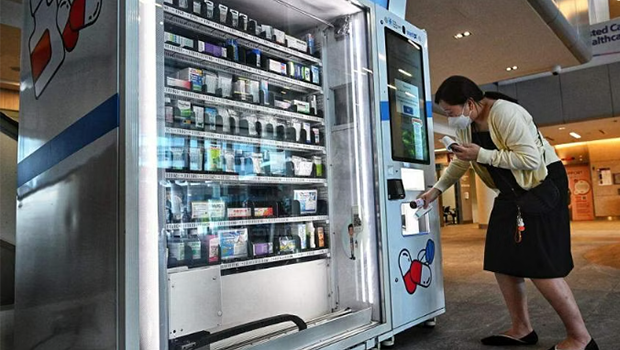
A pharmacy vending machine lets customers buy health and personal care essentials when the counter is busy or the shop is closed. Late-night plasters, a forgotten toothbrush or period products at 10pm are exactly the kind of needs a well-planned machine can meet.
This guide covers 7 critical tips for a pharmacy vending machine in the UK: what you can and can’t sell, the medicines rules, placement, security, payment, stock and the best machines to consider.
Machines for health essentials
Custom retail machines for personal care products, delivered and installed free anywhere in the UK.
View the Custom Retail Machine →Why pharmacies use vending machines
Pharmacies are very busy places, which is exactly why a pharmacy vending machine can help. Staff spend much of their time on prescriptions, advice and services, and simple retail sales can create queues.
A pharmacy vending machine handles straightforward purchases, such as toiletries and first-aid items, without staff involvement. It also serves customers after closing time.
For pharmacies in town centres, transport hubs and residential areas, out-of-hours demand for basic health products can be steady.
Is a pharmacy vending machine worth it?
For pharmacies with busy counters or regular out-of-hours footfall, a pharmacy vending machine can be worthwhile. It earns from simple sales and frees staff for clinical work.
Pharmacies on quiet residential streets may sell noticeably less after closing, but a machine inside the shop can still cut queues at peak times.
Use our vending machine profit calculator to test the numbers for your pharmacy.
Who uses a pharmacy vending machine?
Pharmacy vending machine customers include shift workers, parents with sick children, travellers, students and anyone who needs something after hours. Many simply want a quick purchase without queuing.
During opening hours, regular customers use machines to grab toiletries or plasters while waiting for prescriptions. After closing, the machine becomes the only nearby source of basic health products.
What the medicines rules say
Medicines sales are tightly controlled in the UK, and a pharmacy vending machine must follow the rules. Under the Human Medicines Regulations 2012, a medicine can only be sold from an automatic machine if it is a general sale list (GSL) medicine.
Pharmacy (P) medicines and prescription-only medicines (POM) must never be sold from a vending machine. They need a pharmacist’s involvement.
Further conditions apply to GSL sales outside a registered pharmacy, including premises that can be closed to the public, sealed manufacturer packs and limits on some products. Take professional advice before stocking any medicine.
GSL medicines explained
General sale list medicines are those considered safe enough to be sold without a pharmacist’s supervision, such as some common pain relief and allergy products in small packs. Supermarkets and convenience stores sell them under the same rules.
Some GSL medicines have pack-size limits when sold outside a pharmacy. Paracetamol is a well-known example, with smaller pack sizes allowed in general sale than in a pharmacy.
Before adding any medicine to a pharmacy vending machine, confirm its legal category, pack size and labelling with your superintendent pharmacist or a regulatory adviser.
7 critical tips for a pharmacy vending machine
Use these tips to set up a pharmacy vending machine that’s useful, safe and compliant.
1. Start with non-medicine essentials
Plasters, toiletries, oral care and period products are simple to sell from a pharmacy vending machine and need no medicines checks.
2. Only GSL medicines, if any
Never put pharmacy or prescription medicines in a pharmacy vending machine. Check every GSL product and its pack size.
3. Respect premises rules
GSL medicines need premises you occupy and can close to the public. Outdoor machines should stick to non-medicine items.
4. Keep packs sealed
Only sell products in their original, unopened manufacturer packaging, never repacked items.
5. Go cashless
Card and phone payment suit customers and reduce theft risk, especially out of hours.
6. Light and secure the machine
Good lighting, CCTV and secure fixing help customers feel safe using the machine at night.
7. Signpost advice
Display opening times and where to get urgent help, such as NHS 111, for anyone who needs more than a product.
“A pharmacy vending machine doesn’t replace the pharmacist. It handles the simple things, so people can get help with everything else.”
What a pharmacy vending machine can sell
- First aid: plasters, dressings, antiseptic wipes and bandages
- Personal care: toothbrushes, toothpaste, deodorant and razors
- Period products: tampons, pads and liners
- Hygiene: hand sanitiser, tissues and face masks
- Baby care: nappies, wipes and dummies
- Sun care: sun cream and after-sun
- Sexual health: condoms
- GSL medicines: only where all legal conditions are met
Many pharmacies start their pharmacy vending machine with non-medicine items only, which keeps things simple and still meets most out-of-hours needs.
Prescription collection points
Some pharmacies use automated lockers so patients can collect pre-dispensed prescriptions outside opening hours. These are different from a standard pharmacy vending machine and come with their own professional standards.
Collection points must protect patient safety, confidentiality and the pharmacist’s oversight. Check the requirements of the pharmacy regulator before setting one up.
A retail vending machine for personal care products is much simpler and can sit alongside a collection system.
What it must never sell
A pharmacy vending machine must never sell prescription-only medicines or pharmacy medicines. These require professional checks that a machine can’t provide.
Avoid products with age restrictions unless you have a reliable, proven age-verification system, and never sell opened, damaged or out-of-date items.
Out-of-hours demand
Customers who need health essentials late at night often have no other option nearby. A pharmacy vending machine with first-aid items, period products and toiletries can be genuinely helpful.
Pharmacies near hospitals, transport hubs, hotels and student areas often see the strongest out-of-hours demand. Our guide to cashless payment explains how card readers support 24/7 sales.
Choosing a product range
Start with the items customers most often ask staff for when the pharmacy is closed. Staff usually know these well: plasters, period products, toothbrushes, nappies and hand sanitiser come up again and again.
Review sales after a few weeks and swap slow sellers for the products customers actually request. A focused, well-chosen range sells better than a crowded one.
Keep a small number of seasonal items, such as sun cream in summer and tissues in the winter months.
Stock and expiry dates
Health products always carry use-by or expiry dates. Check every product when restocking, rotate stock so older items sell first and remove anything close to expiry.
Our practical guide on how to restock a vending machine covers rotation and planning.
Other health retailers
The same ideas apply to opticians, dental practices, health food shops and wellness clinics. Each can use a machine for related products, such as lens cleaning kits, oral care or healthy snacks.
Only pharmacies can sell pharmacy medicines, and only with a pharmacist involved. Other businesses using a machine for health products should stick to non-medicine items or GSL medicines under the same conditions.
Our guide to vending machine regulations covers wider rules for selling products from machines.
Placement
Inside the shop, near the entrance or by the counter, a pharmacy vending machine can speed up simple sales during opening hours. For out-of-hours use, some pharmacies use a secure lobby or a machine facing the street.
Remember that GSL medicines require closable premises you occupy. A street-facing machine should usually stick to non-medicine items.
Our guide to vending machine locations covers wider placement principles.
Seasonal demand
Health needs change through the year. Winter brings demand for tissues, lip balm and hand sanitiser, while summer lifts sun cream, after-sun, insect repellent and bottled water.
Adjust the pharmacy vending machine range with the seasons, and plan ahead for holidays when pharmacies may close for longer.
Bank holidays and closures
Pharmacies often have reduced hours over bank holidays and Christmas. A pharmacy vending machine fully stocked before these periods helps customers who can’t reach an open pharmacy.
Check stock and expiry dates before any closure, and display holiday opening times clearly on the front of the machine.
Choosing the right size
Most pharmacies only need one compact machine. Health products are small, so a machine with many narrow spirals or adjustable shelves can hold a wide range in little space.
Busy town-centre pharmacies with strong night trade may add a second machine for bulkier items such as nappies or larger first-aid kits.
Labelling and information
Every product should show its full manufacturer labelling, including directions and warnings where relevant. Customers must be able to see clear prices before buying.
Display a sign with the pharmacy’s opening hours, contact details and where to get urgent help out of hours. A pharmacy vending machine should point people to advice, not replace it.
Machines to consider
Custom retail
Our custom retail machine handles boxed health products of different sizes.
Beauty and personal care
Our custom pink LED beauty machine and butterfly LED beauty machine suit toiletries and personal care ranges.
Water and drinks
Our Crane water bottle machine offers bottled water, useful for customers taking medicines.
Healthy snacks
Our healthy vending combo suits pharmacies in health centres.
Option 1
In-Store Machine
- Location: Inside the pharmacy
- Hours: Opening hours
- Range: Personal care plus GSL where allowed
- Role: Cuts counter queues
- Best for: Busy high-street pharmacies
Option 2
Out-of-Hours Machine
- Location: Secure lobby or street-facing
- Hours: 24/7
- Range: Non-medicine essentials
- Role: Serves customers after closing
- Best for: Town centres and transport hubs
Our take: a pharmacy vending machine works best for personal care and first-aid essentials, with GSL medicines only where every legal condition is met. Pharmacy and prescription medicines must never go in a machine.
Health centres and hospitals
Pharmacies inside health centres and hospitals serve patients, visitors and staff at all hours. A pharmacy vending machine there can sell toiletries, first-aid items and water when the counter is closed.
Machines in clinical buildings need to fit infection-control routines, with regular cleaning of buttons, screens and collection trays. Our guide to cleaning a vending machine sets out a routine.
Staff and training
Make sure the whole pharmacy team understands exactly what can and can’t go in the machine. A short written list of approved products prevents mistakes during busy restocks.
Train staff to check expiry dates, handle refunds and report faults. The superintendent pharmacist should approve any change to the medicine range.
Pricing
Keep pharmacy vending machine prices in line with the shop, so customers trust both. Card payment allows exact, transparent pricing.
Out-of-hours convenience can justify the same prices as in-store, but avoid big mark-ups on essentials that people urgently need.
Accessibility
Pharmacy customers include older people, parents with pushchairs and people with disabilities. Place machines on level ground, with controls and collection trays within wheelchair reach.
Large text, clear pictures and good contrast help people with reduced sight, especially late at night.
Power and installation
A pharmacy vending machine needs a safe power supply, installed by a qualified electrician for outdoor or lobby positions. Street-facing machines need weather protection and secure fixing.
Our guide to vending machine electricity costs helps estimate running costs.
Security
An out-of-hours pharmacy vending machine needs strong security. Use robust cabinets, secure fixing, CCTV and good lighting.
Cashless payment removes cash from the machine. Our vending machine insurance guide explains the cover you’ll need.
Payment
A pharmacy vending machine should take cards and phones. With Irelley, card payments with telemetry cost £10 a month plus 2% per transaction, as our contactless vending machine guide explains.
Telemetry shows sales and stock levels, so you know exactly what to restock each morning.
Customer service
Display a phone number or QR code for refunds on the machine, and deal with problems quickly. Customers buying health products at night are often worried or stressed, so fast help really matters.
Ask customers what they’d like to see in the machine. Their feedback can shape a pharmacy vending machine around real needs.
Maintenance
Check your pharmacy vending machine daily for stock, expiry dates and faults. Clean touchpoints regularly, especially in busy clinical settings.
Our guide to vending machine maintenance covers simple routines. Telemetry alerts you to faults before customers notice.
Branding
A wrap in the pharmacy’s colours, with a simple message such as “Health essentials 24/7”, helps customers spot the machine and trust it.
Irelley’s vinyl wraps cost from £100 to £300 for a DIY kit or £350 to £950 for a full turnkey wrap, excluding VAT.
Sustainability
Choose products with recyclable packaging where possible, and place a bin beside street-facing machines to prevent litter. Energy-saving modes reduce running costs during quiet hours.
Owning or using an operator
Most pharmacies buy their own machine, so they control the range and stay responsible for compliance. Using an operator can save time, but the pharmacy must still make sure every product is legal to sell.
Our guide to a free vending machine for your business compares the two approaches.
Measuring results
Card payment and telemetry show sales by hour and product. Compare daytime and out-of-hours demand to understand how customers use the machine.
Use the data to refine the range, restocking times and placement. Share results with the pharmacy team so everyone sees the value of the pharmacy vending machine.
Getting started
Start with a single, simple machine stocked with non-medicine essentials, such as first aid, toiletries and period products. Add GSL medicines later only if you meet every legal condition and have taken advice.
Our payment plans let you pay a 25% deposit and spread the rest over up to 12 months at 0%, with no credit check.
Checklist before you install
- No pharmacy or prescription medicines in the machine
- GSL medicines only in closable premises you occupy
- Sealed manufacturer packs and pack-size limits checked
- Expiry date routine in place
- Card payment, lighting and CCTV set up
- Signage for opening hours and urgent advice
Ticking every box keeps your pharmacy vending machine safe, legal and genuinely useful to customers.
Get professional advice
This guide gives general information about selling health products from machines. It isn’t legal or regulatory advice, and medicines rules can change.
Before stocking any medicine, speak to your superintendent pharmacist, a regulatory adviser or the relevant professional body. When in doubt, keep the machine to non-medicine products.
Growing the offer
Many pharmacies start with one in-store pharmacy vending machine and later add an out-of-hours machine once they see real demand. Others expand the range gradually, guided by sales data and customer requests.
Common mistakes
The biggest pharmacy vending machine mistake is stocking medicines that aren’t on the general sale list.
The second is placing GSL medicines in a machine outside premises you can close to the public.
The third is selling products that have passed their expiry date.
The last is forgetting to signpost help. A pharmacy vending machine should always display where customers can get urgent advice when the pharmacy is closed.
Buying from Irelley
Browse our vending machines for sale, or contact our team to plan a pharmacy vending machine. We deliver and install free anywhere in the UK, within 24 hours.
Every machine comes with a 12-month warranty covering parts and remote support.
FAQ
Frequently asked questions
Only general sale list (GSL) medicines can be sold from an automatic machine. Pharmacy-only and prescription medicines cannot be sold this way. Further conditions apply, so check the regulations or take advice.
Health and personal care items such as plasters, toiletries, oral care, period products, hand sanitiser, baby essentials and, where the rules allow, certain GSL medicines in sealed packs.
For GSL medicines, the rules require premises the seller occupies and can close to the public. Non-medicine health products give more flexibility, including outside the shop.
Yes. Most customers pay by card or phone, and cashless machines reduce theft risk, especially for out-of-hours use.
They can be, especially for pharmacies that close at night or have busy counters. They serve customers out of hours and free staff from simple sales.
Serve customers around the clock
Custom retail and personal care machines, delivered and installed free anywhere in the UK.