

Museum vending machines: 7 critical tips, best picks
Drinks, snacks and souvenirs for visitors at museums, galleries and libraries, placed safely away from collections.
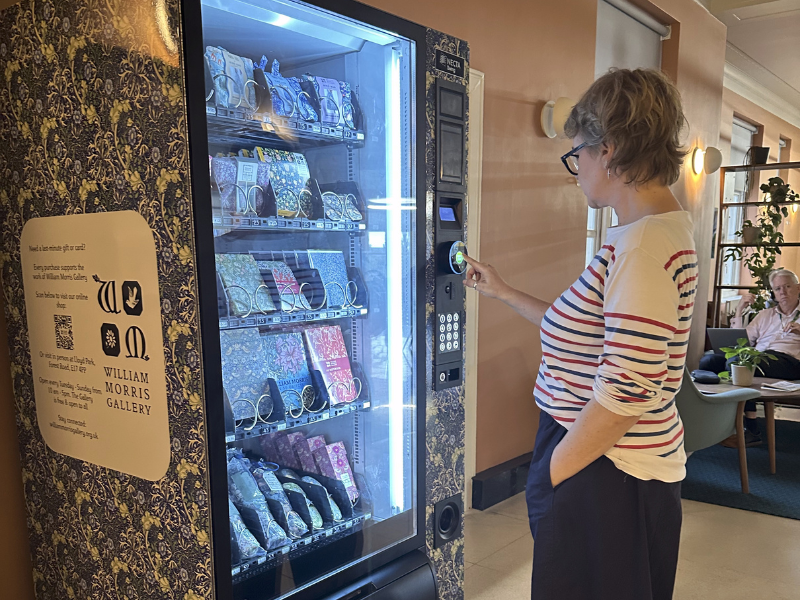
Museum vending machines help cultural venues look after visitors without stretching staff or cafés. School groups, families and tourists spend hours exploring, and many want a drink, a snack or a souvenir along the way.
This guide covers 7 critical tips for museum vending machines, and for galleries and libraries too: visitor needs, school trips, souvenirs, collection care, listed buildings, placement and the best machines to consider.
Machines for cultural venues
Combo, water and custom retail machines, delivered and installed free anywhere in the UK.
View Machines For Sale →Why museum vending machines help
Museums welcome visitors of every age, often for half a day or more, which is why museum vending machines help. Cafés can be small, queues long and opening hours shorter than the galleries themselves.
Museum vending machines give visitors a quick option for water, drinks and snacks, especially at busy times. They also serve visitors in lunch rooms set aside for school groups.
For venues under budget pressure, museum vending machines add income without extra staff.
Benefits for venues
Museum vending machines improve the visitor experience and reduce pressure on cafés at peak times. They also serve areas the café can’t reach.
Income from museum vending machines can support exhibitions, learning programmes or building care, which matters for venues with tight budgets.
Are museum vending machines worth it?
For busy museums, museum vending machines are usually worth it. They serve visitors at peak times, cover gaps in café hours and add a steady income stream.
Smaller museums without cafés may benefit the most. A single machine can offer visitors a drink and snack where nothing else is available.
Use our vending machine profit calculator to test whether museum vending machines would pay their way at your venue.
7 critical tips for museum vending machines
Use these tips to set up museum vending machines that serve visitors and protect collections.
1. Keep food away from collections
Museum vending machines must never put collections at risk, as food and drink can attract pests and cause spills. Place machines well away from galleries, archives, stores and display areas.
2. Plan for school groups
School trips bring large groups at set times who rely on museum vending machines. Lunch rooms with water and snack machines help the whole day run smoothly.
3. Add souvenirs
Souvenir museum vending machines selling postcards, badges and small gifts can earn well, especially when the shop is busy or closed.
4. Respect the building
Many museums are in historic buildings, so place museum vending machines carefully. Avoid fixing machines to historic fabric without first checking whether consent is needed.
5. Offer coins and card
Children often use coins in museum vending machines, while adult visitors pay by card. Accepting both avoids lost sales at busy times.
6. Complement the café
Use museum vending machines to fill gaps, not compete with the café. Cover quiet hours, busy peaks and out-of-the-way areas of the building.
7. Match the setting
Choose machines that look smart and discreet, or wrap them to suit the venue’s style.
“Museum vending machines work best when visitors barely notice them until they need a drink, and collections never notice them at all.”
School trips and lunch rooms
School visits are a core part of many museums’ work. Groups often arrive with packed lunches and eat in a designated lunch room.
Museum vending machines in lunch rooms offer water and drinks for children who forget theirs, and snacks for teachers and helpers. Keep prices sensible and accept coins.
Check with teachers about any rules on what pupils can buy, and keep machines stocked before busy school terms.
Families
Families with young children need regular breaks for drinks and snacks. A machine near family facilities or play areas helps parents keep children happy.
Child-friendly snacks, juices and water work particularly well. Museum vending machines that accept coins let older children buy their own treat.
School holidays bring the busiest family days, so stock up well in advance.
Tourists and international visitors
Major museums attract visitors from around the world. Many don’t carry pounds, so contactless card and phone payments are essential.
Clear pictures and simple menus help visitors who don’t read English easily. Museum vending machines near entrances and cloakrooms catch tourists as they arrive and leave.
Events and late openings
Many museums host late openings, talks, family days and private events. Cafés may close early or be overwhelmed by crowds.
Stock museum vending machines well before events, and consider adding extra water for busy evenings. Make sure machines are placed where event guests can reach them safely.
Check machines after events and restock quickly for the following day.
Seasonal patterns
Visitor numbers rise in school holidays, summer and during big exhibitions. Rainy days often bring more families indoors.
Cold drinks and water sell more in summer, while hot drinks and comfort snacks lift in winter. Plan stock around the exhibition calendar and holidays.
Quiet weeks, such as early January, are a good time for maintenance and range changes.
Collection care
Museums take great care to protect objects from pests, spills and accidental damage. Food and drink areas are usually kept well away from collections.
Place museum vending machines in entrance halls, lunch rooms, cloakrooms or café areas, never inside galleries or stores. Keep bins nearby and empty them often, so food waste doesn’t attract pests.
Talk to the collections or conservation team well before installing anything. They’ll know exactly which areas are suitable.
Listed and historic buildings
Many museums, galleries and libraries occupy listed buildings. Freestanding machines usually cause no problems, but fixing them to walls or running new cables through historic fabric may need consent.
Historic England’s advice note on listed building consent explains how to judge whether works need consent. Check with the local conservation officer if you’re unsure.
Souvenir vending
Souvenir machines are a fun addition to museum vending machines. They can sell postcards, pin badges, keyrings, pencils, small toys and other gifts.
They work especially well when the shop is closed, busy or far from the exit. Children love choosing a small souvenir to remember their special visit.
Our custom retail machine can be set up for mixed souvenir items. A wrap featuring the museum’s collection makes it part of the experience.
Choosing the right machine
Small venues often need just one compact combo or water machine. Larger museums with lunch rooms, galleries and big visitor numbers may need several machines in different areas.
Our guide to choosing the right vending machine walks through the options. Quiet, slim machines suit calm, elegant interiors best.
Exhibitions and special displays
Big exhibitions can double visitor numbers for weeks or months. Queues build at cafés and toilets, and visitors spend longer on site.
Plan extra stock for major shows, and consider a temporary machine near the exhibition exit, away from the displays. Themed souvenirs linked to the exhibition can sell especially well.
After the exhibition ends, review sales carefully to plan for the next one.
Machines to consider
Combo machines
Our slim snack and drink machine fits neatly into entrance halls and lunch rooms.
Water
Our Crane water bottle machine keeps visitors and school groups hydrated.
Souvenirs
Our custom retail machine sells postcards, badges, small toys and gifts.
Hot drinks
Our Nescafé hot drinks machine serves visitors when the café is closed or busy.
Museum
Visitor Setup
- Machines: Combo, water and souvenirs
- Placement: Entrance and lunch room
- Customers: Families, tourists and schools
- Payment: Coins, card and phone
- Best for: Museums and galleries
Library
Study Setup
- Machines: Hot drinks and compact combo
- Placement: Foyer or break area
- Customers: Students, readers and staff
- Payment: Card, phone and coins
- Best for: Public and university libraries
Picnic and outdoor areas
Many museums and heritage sites have gardens, courtyards or picnic areas. Visitors eating outdoors often want a cold drink or ice cream.
Museum vending machines near these spaces, under cover and with safe power, can sell well on sunny days. Keep bins close by to stop litter spreading into the gardens.
Galleries and art spaces
Art galleries often have calm, minimal and carefully designed interiors. Discreet, well-designed machines in the foyer or café area fit best.
A wrap inspired by the gallery’s style can turn museum vending machines into a design feature rather than an eyesore.
Heritage sites and visitor centres
Castles, historic houses and heritage sites often have visitor centres with limited catering. Visitors walking around large grounds really appreciate water and snacks.
For outdoor areas, a sheltered setup like our outdoor dual vending station protects machines and visitors. Museum vending machines at heritage sites can be busiest on sunny weekends.
Check whether any new structures need consent in historic settings.
Small and local museums
Local museums, village heritage centres and volunteer-run collections often have no café at all. Visitors may arrive after a long walk or drive and appreciate a drink.
A single compact machine near the entrance can make a real difference. Keep the range short and simple, with water, soft drinks and a few snacks, and use long-life products to reduce waste on quieter days.
Volunteers can manage restocking with a simple rota, and profits can support the museum’s work.
Libraries
Public and university libraries attract students and readers who stay for hours. The same principles as museum vending machines apply. Many now allow covered drinks and offer dedicated café or break areas.
A hot drinks machine and compact combo in the foyer or break area serve these visitors well. Keep machines well away from collections and computers.
Our take: museum vending machines work best in entrance halls and lunch rooms, away from collections, with water, snacks and souvenirs. Check before fixing anything in a historic building.
Staff and volunteers
Museums rely on staff and volunteers who often work long days. A machine in the staff room gives them quick access to drinks and snacks.
Free or subsidised hot drinks are a simple way to thank volunteers for their time and effort.
Accessibility
Museums welcome visitors of all abilities. Machines should have controls and collection trays within wheelchair reach, with clear, high-contrast displays.
Leave space around museum vending machines for wheelchairs, buggies and visitors with walking aids.
Pricing
Keep prices fair, especially for families and school groups. Visitors quickly notice when drinks feel overpriced.
Museum vending machines can match café prices for similar items. Card payment allows exact pricing, while round prices help with coins.
Branding
A wrap featuring the museum’s logo, collection highlights or exhibition themes makes machines feel part of the venue. It also hides a plain cabinet in a historic interior.
Irelley’s vinyl wraps cost from £100 to £300 for a DIY kit or £350 to £950 for a full turnkey wrap, excluding VAT. Seasonal wraps can promote new exhibitions on museum vending machines.
Security
Museums usually have staff, CCTV and secure buildings, which keeps machines safe and sound. Cashless payment removes most cash from the equation.
Anchor freestanding museum vending machines where children might rock them, using fixings that don’t damage historic fabric.
University libraries and study spaces
University libraries often open late, sometimes 24 hours during exams. Students studying for long stretches need coffee, water and snacks.
A hot drinks machine and combo in a break area outside the main study floors work well. Keep them away from quiet zones and computers, and make sure bins are close by.
Restock well before exam periods, when late-night demand rises sharply.
Science centres and interactive museums
Science centres and hands-on museums attract lively family audiences and school groups. Visits often last several hours, with lots of activity.
Water and healthy snacks are especially popular in these lively venues. Machines near picnic areas or lunch rooms keep energy levels up without bringing food into exhibit spaces.
Payment
Offer coins alongside card and phone payments. With Irelley, card payments with telemetry cost £10 a month plus 2% per transaction, as our contactless vending machine guide explains.
Working with front-of-house teams
Visitor assistants and reception staff see how visitors use the venue every day. They know when queues form, what visitors ask for and where machines would help.
Agree how staff should handle refunds and report faults. Keep supplier contact details at the front desk, along with simple steps for common problems such as a stuck product.
Restocking and cleaning
Restock museum vending machines outside opening hours where possible, so trolleys don’t disrupt visitors. Telemetry shows exactly what each machine needs.
Clean machines regularly and empty nearby bins often. Our guides to restocking a vending machine, cleaning a vending machine and vending machine maintenance cover the routines.
Sustainability
Many cultural venues now have sustainability targets. Recyclable packaging, cans and recycling bins next to machines support those goals.
Energy-saving modes overnight and on closed days reduce running costs noticeably.
Insurance
Check that the venue’s insurance covers machines, stock and public liability. If an operator owns the machines, agree who insures what in writing.
Our vending machine insurance guide explains the main types of cover.
Owning or using an operator
Museums can buy machines or use a vending operator. Owning gives full control over range, pricing and design.
Operators handle stock and servicing, usually paying commission. Our guides to a free vending machine for your business and commission rates compare the approaches.
For busy venues, owning museum vending machines often gives better long-term value.
Measuring results
Track sales by machine, day and season. Compare school terms, holidays and event days to understand demand.
Use the data to adjust the range, prices and restocking schedule. Sharing results helps managers decide whether to add more museum vending machines.
Questions to ask before buying
- Where can machines go without risk to collections?
- Will anything need fixing to a listed building?
- Can the machine take coins as well as cards?
- Is a souvenir machine worth adding?
- Who will restock and clean the machines?
Clear answers help you plan museum vending machines with confidence.
Getting started
Start with one combo or water machine in the entrance hall or lunch room. Add a souvenir machine if visitors ask for one or the shop is often busy.
Review sales after a season and talk to front-of-house staff about what visitors need. Grow museum vending machines gradually.
Checklist before you install
- Machines placed well away from collections
- Collections or conservation team consulted
- Listed building consent checked if anything will be fixed
- Coins and card payment available
- Lunch room provision for school groups
- Bins nearby and emptied often
Ticking every box keeps visitors happy and collections completely safe.
Common mistakes
The biggest mistake with museum vending machines is placing them too close to collections. Food and drink should stay well away.
The second is fixing machines to historic walls without checking whether consent is needed.
The third is ignoring school groups, who need fast, simple options at lunchtime.
The last is letting machines look tired. A shabby machine undermines a beautiful venue, so keep museum vending machines clean, full and well presented.
Buying from Irelley
Browse our vending machines for sale, or contact our team to plan museum vending machines. We deliver and install free anywhere in the UK, within 24 hours, and our payment plans spread the cost at 0%.
Every machine comes with a 12-month warranty covering parts and remote support.
FAQ
Frequently asked questions
Yes. Museums and galleries use them for drinks, snacks and souvenirs, especially where cafés are small, busy or close early.
In entrance halls, lunch rooms, cloakrooms and café areas, well away from galleries and collections where food and drink could attract pests or cause damage.
Yes. Retail machines can sell postcards, pin badges, small toys and gifts, which works well when the shop is closed or busy.
Freestanding machines usually don’t, but fixing machines to walls or altering historic fabric may need listed building consent. Check with the conservation officer first.
Many libraries allow them in foyers, cafés or study break areas, while keeping food and drink away from collections and computers.
Look after every visitor
Combo, water and souvenir machines, delivered and installed free anywhere in the UK.