

Library vending machines: 7 critical tips, best picks
Drinks, snacks and study essentials for long-stay visitors, placed quietly and within library rules.
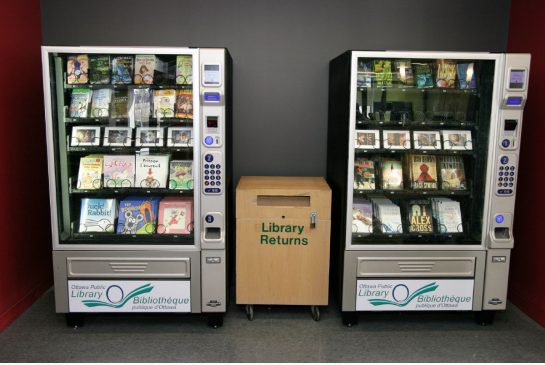
Library vending keeps students, readers and visitors fuelled without them leaving their seats for long. Libraries have changed into community hubs, study spaces and work spots where people stay for hours, and many no longer have a staffed cafe.
This guide covers 7 critical tips for library vending in the UK: food and drink rules, what to stock, study essentials, placement, council approvals, payment and the machines we recommend.
Machines for public buildings
Combo, hot drinks and retail machines, delivered and installed free anywhere in the UK within 24 hours.
View Machines For Sale →What is library vending?
Library vending means vending machines placed in public libraries, college libraries, university libraries and community hubs that include a library.
Machines usually sell drinks, snacks and hot drinks. Some also sell study essentials like earphones, chargers, USB sticks and stationery.
They sit in foyers, cafe areas or eating zones, away from books and computers. Done well, library vending adds a useful service without disturbing the quiet.
Why library vending works
Libraries are long-stay spaces. Students revise for hours, remote workers use the desks all day and families spend afternoons at children’s sessions.
Many libraries have lost their cafes due to budget cuts, or only open them part-time. Visitors still want a drink or snack, but leaving means losing their seat or computer slot.
Library vending fills that gap. It gives visitors refreshments on site, and it can bring in extra income for libraries under financial pressure.
4,000
Approximate number of public libraries across the UK, including around 3,000 in England
How big is the library vending market?
Libraries are found in almost every town. According to Libraries Connected facts and figures, there are around 3,000 public libraries in England and approximately 4,000 across the UK.
The same source reports that 30% of adults in England used a library service in a year, about 13 million people, and around two-thirds of children aged 5 to 15 visit a library each year.
Add college and university libraries, and library vending covers a large, steady audience of students, families, older people and remote workers.
Who uses library vending?
Libraries serve a wider mix of people than almost any other public building. Each group buys differently.
- Students: long revision sessions, especially in the evening and at exam time
- Remote workers: using desks, WiFi and quiet space all day
- Families: children’s story times, holiday reading challenges and homework clubs
- Job seekers: using computers for applications and training
- Older visitors: reading groups, digital skills sessions and social clubs
- Staff and volunteers: often with no canteen on site
Students and remote workers buy most often, as they stay longest. Families buy drinks and snacks during events and school holidays.
Knowing who visits helps you plan library vending stock that sells rather than sits.
Library vending in college and university libraries
Academic libraries are some of the busiest library vending sites. Many open late, and some run 24 hours during exam periods.
Students revise for hours and often can’t leave their desks without losing them. Coffee, water, snacks and chargers sell steadily, with big peaks before deadlines and exams.
Place machines in foyers, social study zones or near group rooms. Telemetry is vital here, as demand can double during revision weeks.
Library vending as income for libraries
Many libraries face tight budgets, and some have lost cafes, opening hours or staff. Library vending can bring in a small, steady income through commission.
It also makes the library more attractive to stay in. Visitors who can get a coffee and a snack are more likely to spend the afternoon, use services and come back.
Our commission rates guide explains typical splits, and our guide to free vending machines for business explains how operator deals work.
7 critical tips for library vending
Use these tips to set up library vending that visitors value and staff welcome.
1. Respect the food and drink rules
Most libraries limit food near books. Place machines in eating zones and stock lidded drinks.
2. Keep it quiet
Choose machines with quiet cooling and delivery, and place them away from silent study areas.
3. Sell study essentials
Earphones, chargers, USB sticks and pens sell well to students and computer users.
4. Lead with hot drinks and water
Coffee and tea keep students going, and water is safe to take into most study areas.
5. Go cashless
Card and phone payment saves staff handling cash or giving change.
6. Plan for exam season
College and university libraries get much busier in spring. Fill machines before every peak.
7. Work with the council or trust
Most public libraries need approval from the council or library trust. Start that conversation early.
“Nobody wants to lose their study seat to go and find a coffee. Library vending lets them grab one and get straight back to work.”
Food and drink rules in libraries
Every library sets its own rules. Some allow covered drinks throughout, some allow snacks in study areas and others restrict food to a cafe or foyer.
Check the rules before you choose stock. Library vending should support them, not create problems for staff.
Lidded bottles, cans with resealable caps and hot drinks with lids reduce spills. Avoid messy foods, strong smells and crumbly products near study areas.
What to stock in library vending machines
Balance refreshments with study items. Start with proven sellers and adjust after a month.
Refreshments
- Water: still and sparkling in resealable bottles
- Hot drinks: coffee, tea and hot chocolate with lids
- Cold drinks: soft drinks, juices and flavoured water
- Snacks: cereal bars, nuts, biscuits and chocolate
- Healthier options: fruit snacks, popcorn and rice cakes
Study essentials
- Tech: earphones, phone chargers, cables and USB sticks
- Stationery: pens, highlighters, notebooks and sticky notes
- Exam items: clear pencil cases and calculators
- Printing: top-up cards where the library uses them
England plans to ban high-caffeine energy drinks from all vending machines from April 2027, subject to Parliamentary approval. Tea and coffee are exempt, which makes a good hot drinks machine even more valuable.
Our guide to the best snacks for vending machines covers snack choices in more detail.
Best placement for library vending
Place library vending machines where they’re easy to find but don’t disturb readers.
- Entrance foyer: high visibility and away from study areas
- Cafe or refreshment area: natural home for food and drink
- Group study zones: where some noise is already expected
- Staff rooms: for library staff and volunteers
Keep machines away from rare books, archives, computers and silent study rooms. Our guide to vending machine locations covers wider placement principles.
Machines to consider for library vending
Choose quiet, reliable machines that fit public spaces.
Snack and drink combo
Our white touchscreen combo offers a broad range in one footprint, ideal for foyers.
Healthy combo
Our healthy vending combo suits councils with healthy food policies.
Hot drinks
Our premium gourmet coffee machine gives cafe-style coffee where a cafe has closed.
Study essentials
Our custom retail machine sells earphones, chargers and stationery.
Small libraries
Our compact slim machine fits branch libraries with little floor space.
Large Library
Full Setup
- Machines: Combo, coffee and retail
- Stock: Drinks, snacks, study essentials
- Payment: Card and phone
- Placement: Foyer and refreshment area
- Best for: Central and university libraries
Branch Library
Compact Setup
- Machines: One compact combo
- Stock: Water, drinks and snacks
- Payment: Card, phone and coins
- Placement: Entrance foyer
- Best for: Local and community libraries
Our take: library vending works best with a quiet combo and a coffee machine in the foyer, lidded drinks, a few study essentials and cashless payment.
Council approval and procurement
Most public libraries in the UK are run by councils, library trusts or community groups. Placing a machine usually needs approval from a facilities, property or procurement team.
Larger councils may run tenders for vending across several buildings. Smaller trusts and community libraries can often decide locally.
Expect questions about electrical safety, insurance, healthy food policies and how faults are fixed. Our guides to pitching a vending machine and vending machine contracts help you prepare.
Payment
Library staff are busy and shouldn’t have to give change or handle cash. Card and phone payment keeps library vending simple for everyone.
With Irelley, card payments with telemetry cost £10 a month plus 2% per transaction. Our contactless vending machine guide explains more.
Noise, cleanliness and the library environment
Libraries are quiet places, so noise matters more than in most sites. Choose machines with quiet compressors and gentle delivery systems.
Lift systems are quieter than spirals dropping cans. Hot drinks machines can be noisy when grinding beans, so place them well away from silent study rooms.
Cleanliness matters too. Provide a bin and recycling point next to library vending machines, and wipe touchpoints on every visit. Our guide to cleaning a vending machine covers the routine.
Pricing library vending stock
Library visitors include students, job seekers and people on low incomes. Fair pricing matters, and councils may ask about it.
Keep core items like water and tea affordable. Premium coffee and study essentials can carry a higher price because they solve an immediate problem.
Review prices each year and share them with the library before changes. It builds trust and avoids complaints.
Opening hours and peak times
Public libraries often open mid-morning and close early evening, with shorter hours on weekends. Some branches only open a few days a week.
Peak times for library vending include after-school hours, Saturday mornings, school holidays and exam season. Academic libraries peak in the evening and late at night.
Plan restocking around opening hours, as you’ll need staff access. Our guide on how to restock a vending machine helps you work quickly.
Is library vending profitable?
Library vending isn’t about huge volumes in most branches. It’s about steady sales to visitors who stay for hours and come back regularly.
Central libraries, university libraries and busy community hubs can sell well. Small branch libraries with short hours sell much less, so a compact machine makes more sense there.
Use our vending machine profit calculator to model a site, and read how much vending machines make for realistic benchmarks.
Security and insurance
Libraries are public buildings, but they’re staffed during opening hours and often have CCTV. Machines should still be anchored and placed within staff view.
Going cashless removes the cash box as a target. Our vending machine insurance guide explains the cover you’ll need, including public liability.
Maintenance and running costs
Ambient snack machines use little power, while chilled drinks and hot drinks machines use more. Councils watch energy use closely, so be ready to explain it.
Our guides to vending machine electricity costs and vending machine maintenance help you answer questions and keep machines reliable.
Quick start checklist
- Speak to the library manager and council or trust
- Check the food and drink rules
- Choose a foyer or refreshment area away from study rooms
- Pick quiet machines with lidded drinks
- Add study essentials alongside snacks and drinks
- Fit card and phone payment with telemetry
- Agree restocking times within opening hours
- Review sales after a month and adjust the range
Follow this checklist and your library vending setup will suit readers, staff and the council from day one.
Library vending in community hubs
Many councils now combine libraries with other services. A single building might hold a library, council help desk, health clinic, youth club and meeting rooms.
These hubs see more visitors through the day, and many people wait for appointments. That makes library vending in community hubs busier than in a traditional branch.
Place machines where waiting visitors and library users both pass, such as the main foyer. Stock simple, popular items that suit all ages.
Children and family events
Libraries run story times, rhyme sessions, summer reading challenges and holiday craft clubs. These bring in families, often for an hour or more.
Parents appreciate water, juice cartons and small snacks for children, plus a coffee for themselves. Keep a few lower-sugar options for children in your library vending range.
Check whether the library has a nut-free policy for children’s events, and keep allergen labels clear on every product.
Healthy food policies
Many councils have healthy food and drink policies for their buildings. Some set targets for lower-sugar drinks or healthier snacks in vending machines.
Ask about these early. A library vending range that already meets the policy makes approval faster and builds trust with council officers.
Our healthy vending combo makes it easy to meet these policies without losing sales.
Branding and signage
A machine that matches the library’s look feels part of the building. A custom wrap in council or library colours, with simple messages like “Drinks with lids welcome”, helps visitors follow the rules.
Clear signs pointing to the machine help visitors find it without asking staff. Good signage quietly lifts library vending sales.
Ask the library to mention the machine in its welcome information or on its noticeboards too. A short line on the library website can also tell visitors that drinks, snacks and study essentials are available on site during opening hours.
Getting feedback from visitors and staff
Library staff hear what visitors want every day. Ask them regularly which products people request and which items never seem to sell.
A simple QR code on the machine lets visitors suggest products or report faults. Students often ask for specific snacks, plant-based milk in coffee or particular charging cables, and these small changes can lift sales.
Acting on feedback shows the library that you care about its users. Share short sales reports with the manager every few months, including top sellers, healthy item sales and any faults fixed.
Those reports help the library justify keeping the machine and make renewing your agreement much easier when the contract ends.
Sustainability
Councils and universities often have carbon and waste targets. Library vending can support them with energy-efficient machines, LED lighting and smart cooling that switches down when the building is closed.
Offer recycling bins beside the machine and choose drinks in cans or recyclable bottles. Some hot drinks machines also let visitors use their own reusable cups.
Telemetry cuts wasted trips too, because you only visit when stock is low. Fewer journeys mean lower fuel costs and a smaller footprint for your library vending route.
If you’re new to vending, our guide on how to start a vending machine business covers planning, budgets and choosing your first sites.
Common library vending mistakes
The first mistake is placing machines in or near silent study areas, where noise annoys readers.
The second is stocking messy or smelly food that breaks the library’s rules.
The third is ignoring study essentials, which often sell better than a second row of crisps.
The fourth is turning up to restock without warning. Library staff run tight schedules, events and school visits, so agree regular slots and stick to them. Reliable, predictable visits make you an easy partner to keep.
Buying from Irelley
Irelley payment plans start with a 25% deposit, then up to 12 months at 0% with no credit check. Start-ups can begin from a 20% deposit.
Browse our vending machines for sale, or contact our team to plan library vending for your building. We deliver and install free anywhere in the UK, within 24 hours, and every machine comes with a 12-month warranty covering parts and remote support.
FAQ
Frequently asked questions
Yes. Many public, college and university libraries have vending machines in foyers, cafe areas or study zones, selling drinks, snacks and study essentials.
In the entrance foyer, a cafe or refreshment area, or a designated eating zone. Keep machines away from book stacks, archives and computers.
Water, hot drinks, lidded drinks, snacks, and study items such as earphones, chargers, USB sticks, pens and notebooks.
Usually yes. Most public libraries are run by councils or trusts, so placement goes through facilities or procurement teams.
Yes, and they should. Card and phone payment is quick and avoids cash handling for library staff.
Keep every reader refreshed
Combo, hot drinks and retail machines, delivered and installed free anywhere in the UK.