

Apartment building vending: 7 critical tips, best picks
A mini shop in the lobby for residents of flats, build-to-rent and retirement developments.
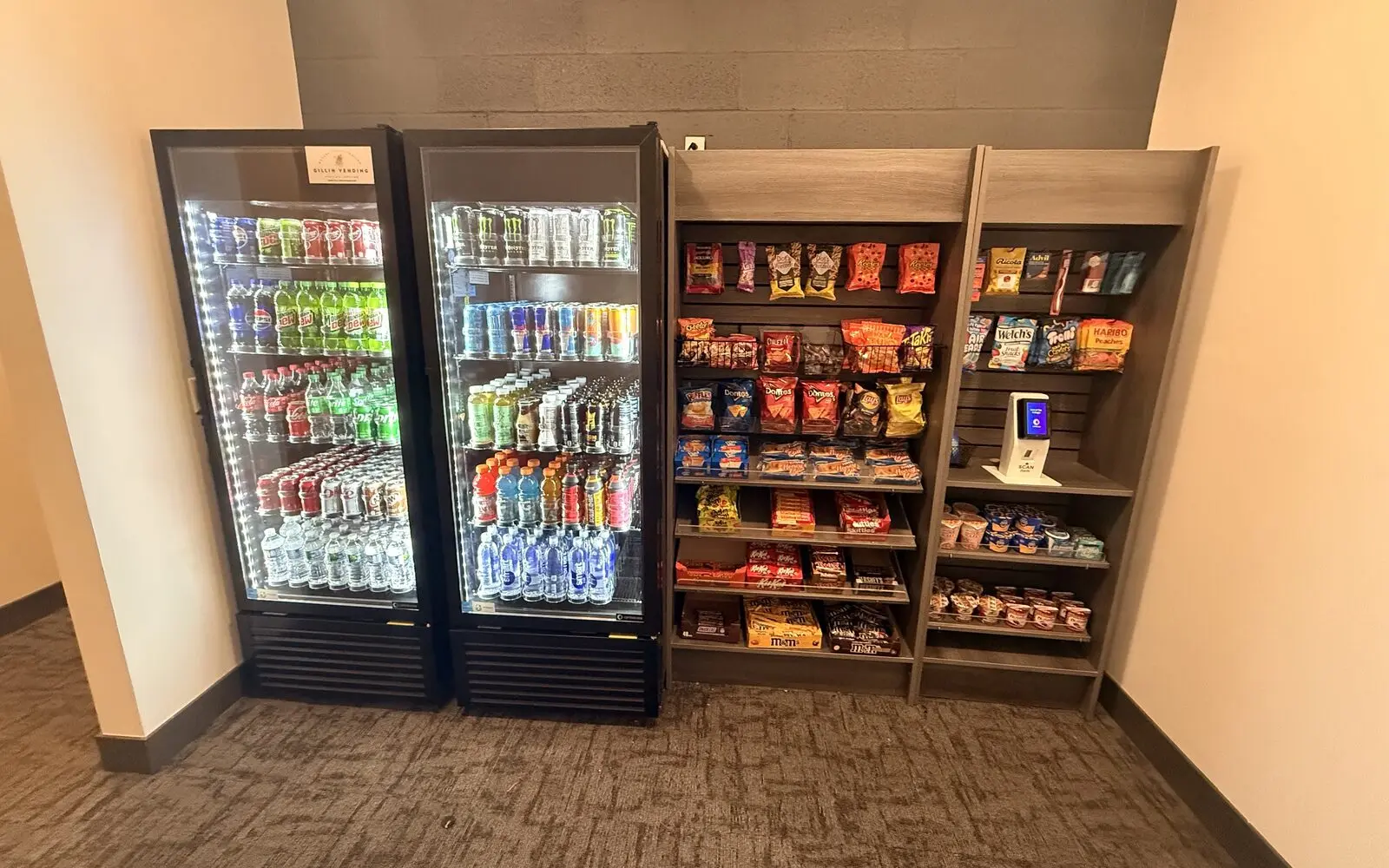
Apartment building vending gives residents a mini shop on their doorstep. Late-night snacks, a pint of milk, a phone charger or a light bulb are suddenly just a lift ride away, and landlords add a modern amenity that helps residents stay.
This guide covers 7 critical tips for apartment building vending in UK blocks of flats, build-to-rent developments and retirement apartments: what to stock, placement, fire safety, payment, security and the best machines to consider.
Machines for residential buildings
Smart combo and custom retail machines, delivered and installed free anywhere in the UK within 24 hours.
View Machines For Sale →Why apartment building vending works
People living in large residential blocks often have no shop on site, which is why apartment building vending works. Even a short walk to a convenience store feels like a chore late at night, in bad weather or when working from home.
Apartment building vending puts essentials in the lobby, gym or residents’ lounge. It’s convenient for residents and a selling point for landlords competing for tenants.
Build-to-rent operators in particular use amenities like this to stand out.
Who uses apartment building vending?
Apartment building vending serves young professionals, families, remote workers, shift workers and older residents. Each group needs different things at different times.
Remote workers want coffee and snacks during the day. Shift workers and night owls need essentials late at night, while families reach for milk and treats.
Concierge staff, cleaners and maintenance teams also use machines during long shifts.
Is apartment building vending worth it?
Large developments with hundreds of residents can support steady daily sales. Smaller blocks may sell less, but a machine still adds value as an amenity.
Many landlords treat apartment building vending as part of the resident experience rather than a major profit source. Use our vending machine profit calculator to test the numbers.
7 critical tips for apartment building vending
Use these tips to set up apartment building vending residents actually use.
1. Stock everyday essentials
In apartment building vending, milk, coffee, toiletries, chargers and batteries often matter more than crisps.
2. Place it where residents pass
Lobbies, lift areas, gyms and lounges see daily traffic.
3. Never block escape routes
Corridors, stairs and fire doors must stay clear at all times.
4. Keep it quiet
Avoid placing chilled machines next to flats, where hum and drops can disturb residents.
5. Go cashless
Residents expect apartment building vending to take cards and phones, and cashless reduces theft risk.
6. Match the building’s style
Premium developments need sleek, well-presented, modern machines.
7. Ask residents what they want
A quick survey shapes a range people will actually buy.
“In a building of 300 flats, a well-stocked machine in the lobby becomes the shop nobody has to walk to.”
Remote workers and co-working spaces
Many residents now work from home some or all of the week. Buildings with co-working lounges or study rooms see daytime traffic that didn’t exist before.
Apartment building vending with coffee, water and healthy snacks serves this group well. A premium coffee machine in the lounge can become a daily habit for remote workers.
Build-to-rent developments
Build-to-rent buildings are designed around resident experience, with gyms, lounges, co-working spaces and roof terraces. Apartment building vending fits naturally alongside these amenities.
Operators often brand machines to match the building and link payment to resident apps. Good amenities help reduce tenant turnover, which matters for long-term rental income.
Retirement and later-living apartments
Retirement developments and later-living schemes have residents who may find trips to the shops harder, especially in bad weather. A machine with milk, bread, snacks and everyday essentials can be genuinely helpful.
Choose machines with large, clear displays and simple controls. Coin payment alongside card can help residents who prefer cash.
What to stock
- Drinks: water, soft drinks and juices
- Snacks: crisps, chocolate, cereal bars and nuts
- Breakfast basics: milk, coffee pods and cereal pots where chilled
- Household: light bulbs, batteries, washing-up liquid and bin bags
- Personal care: toothpaste, toiletries and period products
- Tech: phone chargers, cables and plug adapters
- Laundry: detergent pods and fabric conditioner
Late-night convenience
Residents often want something late at night: a snack, a cold drink, a phone charger or a pint of milk for the morning. Local shops may be closed, and nobody wants to walk out in the dark or rain.
Apartment building vending gives residents 24/7 access without leaving the building. That convenience is one of the main reasons residents value the machine.
Fire safety in common areas
Residential buildings have strict fire safety duties that apply to apartment building vending. The government’s guidance on fire safety responsibilities under the Fire Safety (England) Regulations 2022 explains what responsible persons must do in blocks of flats.
Apartment building vending machines must never sit in corridors, stairwells or lobbies used as escape routes in a way that narrows them. Keep them clear of fire doors and firefighting equipment.
Update the building’s fire risk assessment if a machine is added to a common area, and use a qualified electrician for power.
Parcel-heavy lifestyles
Residents increasingly shop online, but small urgent items still crop up between deliveries. Apartment building vending fills those gaps, from a forgotten ingredient to a phone charger.
It complements online shopping rather than competing directly with it, covering the “I need it now” moments.
Breakfast and chilled basics
Running out of milk or coffee first thing in the morning is a common frustration. A chilled machine with milk, butter, yoghurt and juice can save residents a trip.
Chilled products need careful date checks and regular restocking. Start small and expand only if sales are steady and reliable.
Household essentials
Residents run out of light bulbs, batteries, bin bags and washing-up liquid at awkward times. Apartment building vending that stocks these items saves a special trip.
Household products often sell steadily rather than in sudden rushes. Keep a small range of the most common items and review it regularly.
Gyms and fitness rooms
Residents’ gyms are busy early in the morning and after work. Water, sports drinks and protein snacks sell especially well beside the gym entrance.
Keep machines just outside the main workout area, where they won’t get in the way of equipment or create trip hazards.
Parcel rooms and concierge desks
Parcel rooms and concierge desks see a constant stream of residents collecting deliveries. A machine nearby catches them during these regular visits.
Concierge staff can also help with simple refunds and report any faults quickly.
Laundry rooms
Shared laundry rooms are a natural spot for apartment building vending. Residents waiting for washes buy detergent, snacks and drinks.
Keep machines away from water and steam, and make sure the room is well ventilated and dry.
Placement
Good spots for apartment building vending include spacious lobbies, residents’ lounges, gyms, laundry rooms, co-working areas and parcel rooms. Residents should pass the machine during their everyday routines.
Avoid quiet corridors and any spots right outside flats. Our guide to vending machine locations covers wider placement principles.
Machines to consider
Smart combos
Our smart robot combo and white touchscreen combo suit modern lobbies.
Essentials
Our custom retail machine handles household and personal care items.
Chilled basics
Our fresh produce vending machine keeps milk and chilled items fresh.
Coffee
Our premium gourmet coffee machine suits residents’ lounges and co-working spaces.
Build-to-Rent
Amenity Setup
- Machines: Smart combo plus essentials
- Placement: Lobby, gym and lounge
- Payment: Card, phone or resident app
- Role: Resident amenity
- Best for: Large rental developments
Smaller Block
Compact Setup
- Machines: One compact combo
- Placement: Spacious lobby or laundry room
- Payment: Card and phone
- Role: Convenience
- Best for: Blocks of 50 to 150 flats
Our take: apartment building vending works best with everyday essentials, smart cashless machines, placement where residents pass and strict respect for fire escape routes.
Families with children
Family-friendly developments have children who love choosing treats. Juice, snacks and ice lollies sell well near play areas or communal gardens.
Parents appreciate nappies, wipes and baby essentials available late at night. Keep machines stable and anchored where children play nearby.
Choosing the right size
Small blocks usually need one compact machine. Large developments with several hundred flats may justify machines in the lobby, gym and laundry room.
Check lift sizes and door widths carefully before delivery, as machines must stay upright when moved.
Noise and residents’ comfort
Chilled machines hum and products drop with a thud. In residential buildings, these sounds can disturb people, especially at night.
Place machines in lobbies, lounges or gyms rather than quiet residential corridors. Check that walls and floors don’t carry vibration into nearby flats.
Power and installation
Use a safe, properly installed power supply checked by a qualified electrician. Common-area electricity is usually paid through service charges, so factor running costs into the plan.
Our guide to vending machine electricity costs helps estimate them accurately.
Payment
Apartment building vending should be fully cashless. With Irelley, card payments with telemetry cost £10 a month plus 2% per transaction, as our contactless vending machine guide explains.
Security
Most residential buildings have secure entry, CCTV and concierge teams that help protect apartment building vending. Place machines inside the secure area and within camera view.
Our vending machine insurance guide explains the cover you’ll need.
Branding and presentation
Premium developments invest heavily in lobby design. A sleek machine, or one wrapped in the building’s branding, helps apartment building vending look like part of the space.
Irelley’s vinyl wraps cost from £100 to £300 for a DIY kit or £350 to £950 for a full turnkey wrap, excluding VAT.
Accessibility
Residential buildings must serve residents of all ages and abilities. Choose machines with controls and collection trays within wheelchair reach, and clear, readable displays.
Leave plenty of space around the machine for wheelchairs, pushchairs and shopping trolleys.
Restocking and access
Agree apartment building vending access times and building entry with the managing agent or concierge. Many operators restock during the day, when lobbies are quieter.
Telemetry shows what each machine needs, so visits are quick. Our guide on how to restock a vending machine covers rotation and planning.
Cleaning and maintenance
Clean screens, buttons and trays regularly, and keep the area around the machine tidy. A smart, clean machine reflects well on the whole building.
Our guides to cleaning a vending machine and vending machine maintenance set out simple routines.
Pricing
Residents compare apartment building vending prices with local shops, so keep everyday essentials fair. Convenience items such as chargers and late-night snacks can carry higher margins.
Some landlords subsidise basics like milk and coffee as a resident perk. Our guide to the best vending machine products helps you balance the range.
Income for the building
Apartment building vending can earn commission or profit for the building. Some landlords put this income towards resident events, amenity upgrades or lower service charges.
Being open about where the money goes builds goodwill with residents, who are then more likely to use the machine.
Hotel-style serviced apartments
Serviced apartments and aparthotels welcome short-stay guests who arrive late and may not know the area. A machine in the lobby with snacks, drinks and breakfast basics makes the first evening easier.
Guests often prefer a quick machine purchase to searching for a shop in an unfamiliar city.
Owning or using an operator
Landlords can buy their own apartment building vending machines or let an operator place them for commission. Owning gives full control over range, pricing and branding.
Our guides to a free vending machine for your business and commission rates compare the approaches.
Working with managing agents
Managing agents look after common areas, budgets and residents’ concerns. Present a clear plan covering placement, fire safety, power, insurance and how apartment building vending will be serviced.
Agents are more likely to approve a proposal that adds value for residents without extra work for their team.
Seasonal changes
Summer brings demand for cold drinks, ice lollies and sun cream for roof terraces. Winter lifts hot drinks, comfort snacks and household items like light bulbs.
Adjust the apartment building vending range with the seasons to keep the machine relevant all year.
Sustainability
Many developments promote green living. Recyclable packaging, cans and recycling bins beside machines support those goals.
Energy-efficient machines and energy-saving modes reduce running costs, which helps keep service charges down.
Customer service
Display a phone number or QR code for refunds on the machine, and make sure concierge staff know how to help. Residents talk to each other, so fast, friendly service builds trust in apartment building vending.
Growing the offer
Many buildings start apartment building vending with one machine and add more as residents use them. A coffee machine in the lounge, water in the gym and essentials in the laundry room are common next steps.
Review sales each quarter and adjust. Steady improvements keep apartment building vending useful without wasted stock.
Getting started
Start apartment building vending with one smart combo or essentials machine in the main lobby or residents’ lounge. Add machines in the gym or laundry room once you know demand.
Our payment plans let you pay a 25% deposit and spread the rest over up to 12 months at 0%, with no credit check.
Checklist before you install
- Landlord or managing agent approval in writing
- Position clear of escape routes and fire doors
- Fire risk assessment updated
- Power installed by a qualified electrician
- Machine away from flat doors to limit noise
- Cashless payment and restocking access agreed
Ticking every box gives apartment building vending a strong, safe and successful start.
Student and co-living buildings
Purpose-built student accommodation and co-living buildings share many features with apartment blocks. They have their own patterns, such as term-time peaks and late-night demand.
Our guide to placement agreements explains how to agree terms with building owners in any residential setting.
Service charges and leaseholders
In leasehold buildings, common-area changes may involve the freeholder, managing agent and residents’ association. Costs such as electricity may be paid through service charges.
Discuss apartment building vending openly with residents before installing. Explain who pays, who benefits and how any income will be used, such as reducing service charges or funding amenities.
Resident feedback
Ask residents what they want through the building app, a noticeboard or a quick survey. Their answers shape a range that sells.
Review sales after a few months and swap slow sellers for the products residents actually request.
Measuring results
Card payment and telemetry show sales by hour and product. Use the data to refine the range and restocking schedule.
Our guide to how much vending machines make offers useful benchmarks.
Common mistakes
The biggest apartment building vending mistake is placing a machine where it narrows an escape route.
The second is stocking only snacks, when residents mainly need everyday essentials.
The third is putting a noisy chilled machine right next to someone’s front door.
The last is skipping resident consultation. Apartment building vending works best when residents feel involved in choosing the range.
Buying from Irelley
Browse our vending machines for sale, or contact our team to plan apartment building vending. We deliver and install free anywhere in the UK, within 24 hours.
Every machine comes with a 12-month warranty covering parts and remote support.
FAQ
Frequently asked questions
Yes, with the landlord’s or managing agent’s agreement. Machines usually go in lobbies, gyms or residents’ lounges, away from escape routes.
Drinks, snacks, milk, coffee, toiletries, phone chargers, batteries, light bulbs, laundry products and other everyday essentials.
They can if badly placed. Machines must never block corridors, stairs or exits, and the building’s fire risk assessment should be updated if a new machine is added to a common area.
Either the landlord or managing agent buys it as a resident amenity, or a vending operator places it and pays commission. Residents simply pay per item.
Yes. Residents pay by card or phone, and cashless machines reduce theft risk in unstaffed lobbies.
Bring the shop to your residents
Smart combo, essentials and chilled machines, delivered and installed free anywhere in the UK.