

Vending machine route: 7 critical steps to build a best route
How to choose machines, win sites, plan restock runs and grow a vending route that earns from every visit.
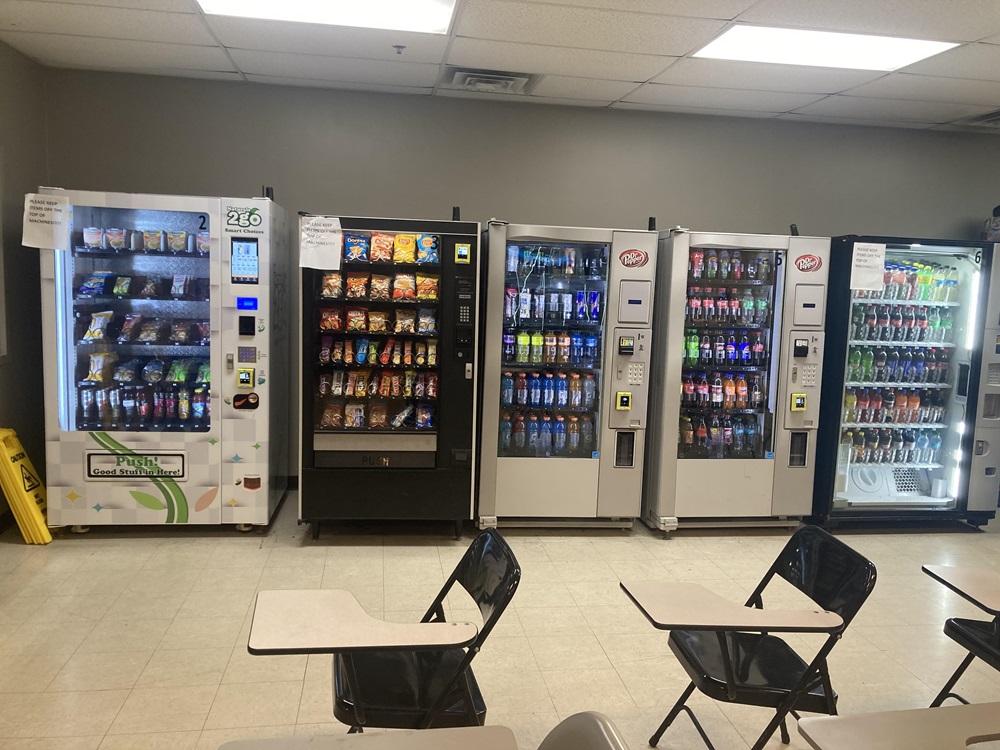
A vending machine route is how most vending businesses grow. Instead of one machine at one site, you run a group of machines across several locations and service them on a planned schedule.
This guide covers 7 critical steps to build a vending machine route in the UK: choosing machines, finding sites, planning restock runs, using telemetry, managing costs, tracking performance and growing the route profitably.
Start or grow your route
Tested machines with free UK delivery and installation, plus 0% payment plans with no credit check.
See Payment Plans →What is a vending machine route?
A vending machine route is a set of machines at different sites that you stock, maintain and collect from. It might be three machines in one town or fifty across a region.
The route is the heart of the business. How well you choose sites and plan visits decides how much each machine earns and how much time and fuel you spend.
Many operators start a vending machine route part-time, alongside another job, and grow it as they learn. Our guide to running a part-time vending machine business covers that approach.
Is it worth it?
A well-run vending machine route can provide steady income with flexible hours. Machines sell while you’re elsewhere, and visits can fit around other commitments.
The work is real, though. Buying stock, restocking, fixing faults and managing site relationships all take time, especially early on.
The operators who do best treat their vending machine route as a proper business, with clear records, good sites and a plan for growth. Our guide to {L2(‘start-a-vending-machine-business-uk’,’starting a vending machine business’)} covers the basics.
7 critical steps to build a vending machine route
Follow these steps to build a vending machine route that earns well and runs smoothly.
1. Start small
Begin with one to three machines in places you know well. You’ll learn restocking, pricing and site management without risking too much money.
2. Choose reliable machines
Breakdowns cost sales, time and goodwill with site owners. Pick reliable, card-ready machines with a warranty, such as combos that sell snacks and drinks in one cabinet.
3. Win good sites
Look for steady footfall and few alternatives nearby. Offices, warehouses, gyms, garages and leisure sites are common choices.
4. Cluster your sites
Keep machines close together where you can, ideally within a short drive of each other. A tight geographic cluster cuts driving time and fuel.
5. Use telemetry
Remote stock data shows which machines need visiting and what to bring. It’s the single biggest time-saver on a vending machine route.
6. Track every machine
Record sales, costs and visits for each site. The numbers show which machines to keep, move or replace.
7. Grow from profit
Add machines as profits allow, starting with the site types that work best. Steady growth beats overstretching, both financially and in the hours you can give.
“A great vending machine route isn’t the one with the most machines. It’s the one where every machine earns its place and every visit counts.”
Choosing machines for your route
Most operators build a vending machine route around a few machine types. Combo machines are popular because they cover snacks and drinks in one footprint.
Machines like our black combo machine or white touchscreen combo suit offices and workplaces. Busy sites may justify a separate snack and drinks machine.
Keeping machine types consistent across a vending machine route makes spare parts, training and stock simpler. Our guide to choosing the right vending machine helps you pick.
Finding sites
Sites make or break a vending machine route, so choose them carefully. Look for places with steady daily footfall, long opening hours and few nearby shops.
- Offices and business parks: steady weekday demand
- Warehouses and factories: shift workers at all hours
- Gyms and leisure centres: drinks and snacks every session
- Garages and car showrooms: waiting customers
- Hospitals and care homes: staff and visitors around the clock
Our guides to vending machine locations and pitching a vending machine explain how to find and win sites.
Placement agreements and commission
Every site on a vending machine route should have a clear written agreement. It sets out who’s responsible for what, how long the arrangement lasts and how commission works.
Commission rewards the site for hosting the machine, but it comes out of your margin. Our guides to placement agreements and commission rates explain fair terms.
Planned Route
Data-Led
- Visits: Based on telemetry
- Sites: Clustered geographically
- Stock: Pre-picked for each machine
- Records: Sales tracked per site
- Result: Less driving, more profit
Unplanned Route
Guesswork
- Visits: Fixed schedule regardless of need
- Sites: Scattered
- Stock: Loaded on the day
- Records: Patchy
- Result: Wasted trips and sell-outs
Building relationships with site owners
Site owners are your partners. A friendly relationship makes it easier to solve problems, agree price changes and renew agreements.
Keep them informed about changes, share simple sales reports where commission is involved and respond quickly to complaints. A site owner who trusts you will often recommend you to other businesses.
Referrals are one of the cheapest ways to grow a vending machine route, so look after every site you have.
A short thank-you, a quick response to a request or a new product they asked for can make a big difference to how a site owner sees you.
Planning restock runs
Efficient restocking is what makes a vending machine route profitable. Plan each run so you visit machines in a logical order with the right stock for each one.
Pre-pick stock at base using the planogram and recent sales data for each machine on your vending machine route. You’ll spend minutes at each site instead of guessing and returning for missing items.
Our guide on how to restock a vending machine covers the routine at each stop.
Vehicle and storage
Most operators run a vending machine route with a small van or estate car. It needs enough space for stock crates and a sack truck, and ideally shelving to keep things organised.
Storage at base matters too. Keep stock cool, dry and off the floor, with space to pre-pick orders for each run.
As the vending machine route grows, a dedicated storage unit can make pre-picking faster and protect stock better than a garage or spare room.
Managing your time
Time is the hidden cost of a vending machine route. Driving, loading, restocking and admin all add up, especially as you add sites.
Batch tasks where you can: buy stock once a week, plan runs the night before and handle admin in one block. Telemetry helps by cutting unnecessary visits.
Track how long each stop takes. If a site needs a long drive for small sales, it may not deserve a place on your vending machine route.
Using telemetry on a route
Telemetry sends sales, stock and fault data from every machine to your phone. On a vending machine route, that means you only visit machines that need it.
It also flags breakdowns early and makes cash reconciliation simple. Card payments with telemetry cost £10 a month plus 2% per transaction with Irelley, as our contactless vending machine guide explains.
Our take: start small, cluster your sites, use telemetry and track every machine. A tight, data-led vending machine route beats a big, scattered one every time.
Tax and admin
Running a vending machine route means registering your business and keeping proper records. If you’re self-employed, the government’s guide to working for yourself explains registration, tax returns and record keeping.
Keep receipts for stock, fuel, machines and fees. If your turnover passes the VAT threshold, you’ll also need to register for VAT, so track sales from day one.
Buying stock for a route
Buying for several machines is different from buying for one. Use sales data from every machine to build a single weekly order, then split it by site when you pre-pick.
Trade wholesalers and delivered wholesale services usually offer the best value once your volumes grow. Our guide to the best vending machine products helps you build a core range that works across sites.
Pricing across sites
Prices don’t have to be identical everywhere. A remote warehouse with no shop nearby can often support slightly higher prices than an office next to a supermarket.
Review prices regularly, especially when stock costs rise, and make changes in small steps. Card payment lets you set exact prices rather than rounding to coins.
Our cashless payment guide explains how card readers make flexible pricing simple.
Costs to plan for
Running a vending machine route brings regular costs:
- Stock: usually the biggest ongoing cost
- Fuel and vehicle: driving between sites
- Commission: paid to site owners
- Card fees and telemetry: £10 a month plus 2% per transaction
- Maintenance: parts and engineer visits
- Insurance: machines, stock and liability
Our vending machine profit calculator helps you model these costs against expected sales.
Customer service
Every machine on a vending machine route is a small shop with your name on it. Display a contact number or QR code so customers can report problems or ask for refunds.
Respond quickly and fairly, even when the amount is small. Good service keeps site owners happy and makes renewals easier.
Maintenance across a route
Small problems multiply across many machines. Build quick checks into every visit: test payments, check temperatures and clean the front.
Our guides to vending machine maintenance and cleaning a vending machine set out a simple routine. Irelley machines also include a 12-month warranty with parts and remote support.
Insurance and security
A vending machine route spreads valuable equipment across many sites. Insure machines, stock and public liability, and check whether site owners’ policies cover anything.
Cashless payment and good placement reduce theft risk. Our vending machine insurance guide explains the cover you need.
Tracking performance
Track sales, costs and visit times for every machine on your vending machine route. A simple spreadsheet works at first, and telemetry dashboards help as you grow.
Rank machines by profit per visit, not just sales. A machine with modest sales but very few visits can be more valuable than a busy one that needs constant attention.
For real-world comparisons, see our guide to how much vending machines make.
Seasonal patterns
Demand changes through the year. Cold drinks and water rise in summer, hot drinks and chocolate in winter, and some sites, such as schools or seasonal workplaces, go quiet for weeks at a time.
Plan stock and visit frequency around these patterns. A machine that needs two visits a week in July may only need one every fortnight in January.
Keep notes from year to year, so you can plan the next season with real figures rather than guesses.
Growing your route
Grow a vending machine route steadily, adding machines as profits allow. Focus on the site types that already perform well for you.
Our payment plans help here. Pay a 25% deposit and spread the rest over up to 12 months at 0% interest, or 20% for start-ups, with no credit check.
Adding new machine types
Once your core vending machine route is working, new machine types can open up new sites. A coffee machine suits offices and garages, while water machines suit gyms and outdoor sites.
Machines like our Nescafé hot drinks machine, Crane water bottle machine or outdoor dual vending station each bring different customers and different routines.
Add one new type at a time and learn how it performs before expanding further.
Staying safe on the road
A vending machine route involves lifting, loading and driving every week. Use a sack truck for heavy crates, lift with care and never overload the vehicle.
Plan breaks on long runs and avoid rushing between sites. Tired drivers make mistakes, both on the road and at the machine.
If you carry cash, vary your collection times and keep it out of sight in the vehicle. Going cashless at most sites removes much of that risk.
Hiring help
Eventually, a growing vending machine route may need more than one person. A part-time driver or restocker can free you to focus on finding sites and buying.
Write down your routines first, including planograms, restock steps and fault checks. Clear processes make it easier to hand work to someone else.
Keep control of cash and data. Telemetry and card payments make it simple to see what each machine sold, whoever restocked it.
When to drop a site
Not every site works out. If a machine consistently earns too little to cover stock, fuel, commission and time, it may be time to move it.
Give the site a fair trial first, usually a few months, and try changing the range or prices. If it still underperforms, move the machine to a better location.
Removing weak sites makes the whole vending machine route stronger. Check your agreement for any notice period before you go.
Vending machine route checklist
Use this checklist to keep your vending machine route on track:
- Every site has a written agreement
- Machines are clustered where possible
- Telemetry shows stock and faults for every machine
- Stock is pre-picked before each run
- Sales, costs and visit times are tracked per site
- Underperforming sites are reviewed every few months
Ticking these boxes keeps your vending machine route efficient as it grows.
Review the checklist every quarter, alongside your sales figures, so small problems are caught before they cost you sites or customers.
A typical first year
In the first few months, most operators are learning. Expect to try different products, adjust prices and discover which sites really perform.
By the middle of the year, patterns usually become clear. You’ll know your best sellers, your busiest days and which machines need the most attention.
Towards the end of the first year, many operators add one or two machines at the site types that have proved strongest. That steady approach builds a vending machine route on solid ground.
Keep realistic expectations. Some sites take time to build, and a few won’t work at all, which is normal in any vending business.
Tools that help
A handful of simple tools make a vending machine route far easier to manage. A route-planning app helps you order stops efficiently, and a shared spreadsheet or telemetry dashboard keeps sales in one place.
A sack truck, stock crates and a small toolkit save time at every stop. Keep spare spirals, price labels and cleaning supplies in the vehicle.
Digital receipts and accounting software cut admin at the end of the year. The less time you spend on paperwork, the more you can spend growing the business.
Common mistakes
The most common mistake is growing too fast. Adding machines before you’ve learned what works spreads your time and money too thin.
The second is scattered sites that are far apart. Long drives between machines eat into profit and time.
The third is not tracking performance. Without numbers, poor sites stay on a vending machine route far longer than they should.
Buying from Irelley
Browse our vending machines for sale, or contact our team to plan machines for your route. We deliver and install free anywhere in the UK, within 24 hours.
Every machine comes with a 12-month warranty covering parts and remote support, as set out in our vending machine warranty.
FAQ
Frequently asked questions
A vending machine route is a group of machines at different sites that one operator stocks, maintains and collects from on a regular schedule.
There’s no fixed number. Many operators start with one to three machines and add more as they learn which sites perform best.
Approach businesses with steady footfall, such as offices, warehouses, gyms and garages. A clear pitch and a fair commission offer help win sites.
It depends on sales. Busy machines may need several visits a week, quiet ones every week or two. Telemetry shows exactly when each machine needs restocking.
It can be, as many routes start part-time. Success depends on good sites, careful buying and efficient restocking.
Build your route
Tested machines, free UK delivery and 0% payment plans to grow your vending route.
[…] restocking visits around which machines actually need attention. Our vending machine route guide covers this in more […]
[…] your van before planning routes. Edinburgh, Aberdeen and Dundee also run Low Emission Zones. Our vending machine route guide explains how to plan efficient restocking […]
[…] vending machine route guide explains how to plan efficient restocking […]
[…] restock vending machines Bristol city-centre sites host, check your van before planning routes. Our vending machine route guide explains how to plan efficient restocking […]
[…] vending machine route guide explains how to plan efficient restocking […]
[…] vending machine route guide explains how to plan efficient restocking […]
[…] vending business Ireland guide covers how to start and grow, and our vending machine route guide explains restocking […]
[…] combo can then move to a smaller site, so nothing is wasted. Our vending business Ireland and vending machine route guides explain how to grow step by […]
[…] vending machine cost Ireland operators carry each month. Our vending machine stock suppliers and vending machine route guides help cut ongoing […]
[…] that need stock. As your route grows, that time saving multiplies. Our vending business Ireland and vending machine route guides explain how to build a […]