

Vending machine vs honesty box: 7 best proven differences
Vending machine vs honesty box compared: costs, theft, card payments, chilled stock and which suits your farm gate or stall.
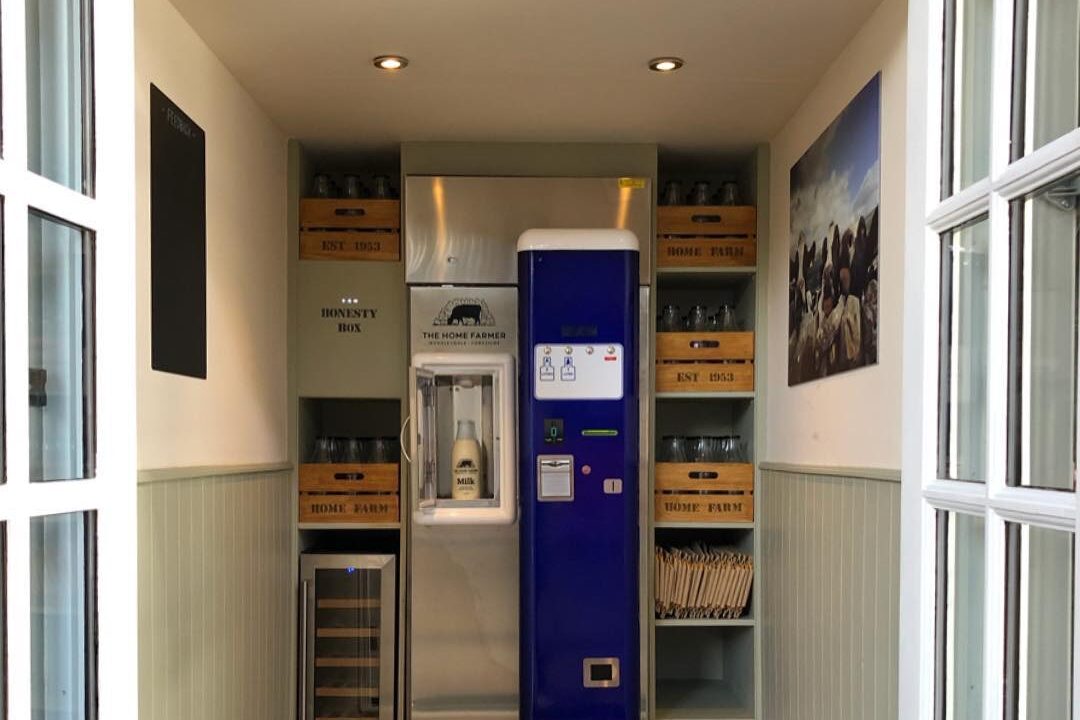
Farm gates, roadside stalls and allotments have relied on honesty boxes for generations. They’re simple and cheap, and they build a friendly bond with local customers.
But as cash use falls and sales grow, many sellers start to weigh up a vending machine vs honesty box. This guide compares the two on cost, security, payments, chilled stock, time and profit, so you can choose the right option for your site.
Quick answer: In the vending machine vs honesty box choice, an honesty box is cheapest to start and suits low-value, occasional sales at trusted sites. A vending machine costs more upfront but takes payment before releasing stock, accepts cards and can keep products chilled.
For regular sales of eggs, milk, produce or other valuable items, a vending machine usually pays for itself through fewer losses and more sales.
Upgrade your farm gate
Fresh produce and specialty vending machines with free UK delivery, installation and 0% payment plans.
Browse Specialty Machines →What is an honesty box?
An honesty box is an unattended stall where customers take what they want and leave payment in a box. It relies on trust, with no staff and no lock on the goods themselves.
Honesty boxes are common at farm gates, roadside egg stands, allotments, flower stalls and village fundraisers. Most take cash only, though some now show a QR code or a card reader.
The appeal is clear. Setting one up costs very little, and it shows customers that you trust them.
What is a self-service vending machine?
A vending machine holds each product behind a locked door or spiral and only releases it once the customer has paid. Modern machines take coins, cards and phone payments.
For farm gate and roadside selling, locker-style and fresh produce machines are the most common. Each item sits in its own compartment, and many machines can be chilled for eggs, milk, meat and dairy.
Our fresh food vending machine guide explains how chilled machines work in more detail.
Vending machine vs honesty box: 7 proven differences
1. Upfront cost
On upfront cost, the vending machine vs honesty box contest is easy: the honesty box wins. A lockable cash box, a small shelf and a sign are enough to start.
A vending machine is a bigger investment. Irelley’s Fresh Produce Machine costs £2,395, though a 0% payment plan spreads the cost over up to 12 months.
2. Security and losses
This is where the vending machine vs honesty box gap is widest. With an honesty box, anyone can take goods without paying, and the cash box itself can be stolen.
A vending machine only releases stock after payment, so unpaid takings disappear. Card payments also mean there’s less cash on site to steal.
3. Payment options
Payments are a big part of the vending machine vs honesty box decision as cash use falls. Most honesty boxes are cash only, which means lost sales from customers who don’t carry change. Some add a QR code or card reader, but nothing stops a customer leaving without paying.
Vending machines accept coins, contactless cards and phone payments, and card payment is linked to the product being released. Our vending machine cashless payment guide explains the options.
4. Product range and freshness
Honesty boxes work best with produce that keeps at room temperature, such as potatoes, apples, flowers and jam. Eggs and dairy left out in warm weather are a food safety risk.
Chilled stock is a clear vending machine vs honesty box divide, because chilled vending machines keep eggs, milk, cheese and meat at a safe temperature around the clock. That lets you sell a wider, higher-value range.
5. Time and admin
Honesty boxes need regular checks to empty cash, tidy the stall and see what’s gone. Working out losses means counting stock against takings by hand.
A vending machine still needs restocking, but telemetry shows sales and stock levels on your phone. You only visit when the machine needs refilling, and over a year that saved time matters in any vending machine vs honesty box comparison.
6. Sales data
With an honesty box, you rarely know exactly what sold and when. With a vending machine, every sale is recorded.
That data shows your best sellers, busiest times and slow lines, so you can stock smarter and price better. It’s one of the most underrated parts of the vending machine vs honesty box comparison.
7. Customer experience
Some customers love the charm and trust of an honesty box. Others feel awkward without change or worry that the produce has been sitting out too long.
Customer experience is the most personal part of the vending machine vs honesty box choice. A clean, well-lit machine with card payments feels modern and reliable. Customers can buy 24/7 and know the stock is fresh and chilled.
Vending machine vs honesty box: side-by-side comparison
| Factor | Honesty box | Vending machine |
|---|---|---|
| Upfront cost | Very low | Higher, but 0% plans available |
| Theft and unpaid goods | High risk | Payment before release |
| Card payments | Optional add-on, not linked to goods | Built in or added, linked to each sale |
| Chilled stock | No | Yes, on chilled models |
| Sales data | Manual counting | Every sale recorded |
| Opening hours | 24/7 | 24/7 |
| Best for | Low-value, occasional sales | Regular, higher-value sales |
Vending machine vs honesty box: costs compared
In any vending machine vs honesty box cost comparison, the honesty box looks cheapest. It costs very little to set up, but it isn’t free to run. The hidden costs are unpaid goods, stolen cash boxes, spoiled stock and the time spent checking the stall.
A vending machine has clear costs. At Irelley, the main ones are:
- Machine price: from £995 for our live bait machine to £2,395 for the Fresh Produce Machine.
- Payment plan: a 25% deposit, then the balance over up to 12 months at 0%, with no credit check.
- Card payments: card payment with telemetry costs £10 a month plus 2% per transaction.
- Electricity: chilled machines use more power than unchilled ones.
- Delivery and installation: free anywhere in the UK, with a 12-month warranty.
Run your own numbers with our vending machine profit calculator. Compare the monthly machine cost with the takings you lose today through unpaid goods and missed card sales.
Theft and losses: the hidden cost of honesty boxes
Most honesty box sellers have a story about an empty cash tin or a missing tray of eggs. Losses are often small and steady, so they’re easy to overlook. It’s the cost most people forget when they compare a vending machine vs honesty box.
The only way to know your real loss is to count stock out and cash in for a few weeks. If the gap is regular, it’s a cost you’re already paying.
Losses also tend to grow as a stall gets busier and better known. Passing trade brings more customers, but it also brings more people who don’t pay.
On security, the vending machine vs honesty box result is clear. A vending machine removes unpaid takings, and cashless payments reduce the cash on site. Our vending machine security guide covers placement, lighting and anchoring.
Vending machine vs honesty box: a simple profit example
Here’s an illustrative example to show how the numbers can work. Your own figures will differ, so use this as a guide only.
Say a farm gate stall sells £150 of eggs and produce a week, and around 10% goes unpaid. That’s £15 a week, or about £780 a year, lost before you count stock that spoils in warm weather.
Now add the customers who walk away because they have no cash. If card payments add just a few sales a day, the yearly difference can be larger than the losses themselves.
On the vending machine side of the vending machine vs honesty box sum, a £2,395 Fresh Produce Machine on our plan means a deposit of about £599, then roughly £150 a month for 12 months at 0%. Card payment with telemetry adds £10 a month plus 2% per transaction.
Once the machine is paid off, the monthly cost drops to card fees and electricity. That’s why the vending machine vs honesty box maths often favours a machine over two or three years at busy sites.
Vending machine vs honesty box: what customers think
Regular customers often have strong feelings about the vending machine vs honesty box change. Some miss the old-fashioned trust of a cash tin, while others are relieved they can finally pay by card.
Most customers care about three things: fresh stock, easy payment and being able to buy when they want. A clean, chilled machine with contactless ticks all three.
Explain the change with a friendly sign and a post on social media. Many sellers find sales rise once the machine is in, because customers trust the produce is fresh and kept cold.
Vending machine vs honesty box through the seasons
Seasons change the vending machine vs honesty box picture. In summer, heat spoils eggs, dairy and baked goods left in an open stall, while a chilled machine keeps them safe.
In winter, dark evenings make unattended stalls more tempting for thieves. A lit machine that only releases stock after payment is far less of a target.
If you only sell for a few weeks a year, an honesty box may still be enough. For year-round sales, the vending machine vs honesty box choice usually leans towards a machine.
Questions to ask before you decide
- How much stock goes unpaid each month?
- Do you sell chilled or high-value products?
- How many customers ask to pay by card?
- Is there a safe power supply at the site?
- How much time do you spend checking the stall?
- Do you sell all year or only in season?
Your answers will make the vending machine vs honesty box decision much clearer. If most point to losses, chilled stock and card demand, a machine is the stronger choice.
When an honesty box makes sense
An honesty box still wins the vending machine vs honesty box contest in some situations. It works well when:
- Sales are seasonal or occasional, such as a few weeks of plums or pumpkins.
- Products are low-value and don’t need chilling.
- The site is quiet, trusted and mostly used by regular customers.
- You’re testing demand before investing in equipment.
- There’s no power supply at the site.
Many sellers start with an honesty box to test a site. That’s a sensible first step before deciding on a vending machine vs honesty box long term.
When a vending machine is better
In a vending machine vs honesty box comparison, the machine usually wins when sales are regular and valuable. Consider switching when:
- Your takings regularly fall short of the stock that goes.
- Customers ask to pay by card or say they had no change.
- You want to sell eggs, milk, cheese, meat or other chilled products.
- The site is busy, roadside or visible to passing traffic.
- You want to sell high-value items, such as meat boxes or gifts.
- You spend too much time checking the stall and counting cash.
Vending machine vs honesty box for farm shops and roadside stalls
Farm gates are where the vending machine vs honesty box decision comes up most often. Eggs, milk and fresh produce sell well, but they’re perishable and often higher in value.
Egg sellers often start with an honesty box and move to a machine as sales grow. Our egg vending machine guide covers this switch in detail.
Milk must stay cold, so a refrigerated machine is the safe option. See our milk vending machine guide for how dairy farms sell direct.
For a full overview of selling at the farm gate, read our farm shop vending machines guide.
Other sites for a vending machine vs honesty box
The vending machine vs honesty box question isn’t just for farms. Here’s how it plays out at other common sites.
Garden centres and plant stalls
Plants and compost often sit outside after hours. A machine can sell seeds, small plants and garden essentials securely; see our garden centre vending machines guide.
Fisheries and tackle
Anglers often arrive before the shop opens. A refrigerated live bait machine sells bait 24/7 without leaving stock out, which settles the vending machine vs honesty box question for many fisheries.
Bakeries and home producers
Baked goods sell well at the gate but spoil quickly in heat and attract pests. A bakery machine keeps them sealed and clean.
Allotments and community stalls
Small, seasonal surpluses often suit an honesty box. Larger community projects may prefer a machine for security and card payments.
Food safety and rules
Whichever side of the vending machine vs honesty box choice you land on, food safety rules still apply. Chilled products such as eggs, milk and meat must stay at a safe temperature, which is hard to manage in an open honesty box.
If you sell food regularly, you may need to register as a food business with your local council. See the Food Standards Agency guidance on registering a food business for details.
Food must also be labelled correctly, including allergens where required. Check with your council if you’re unsure what applies to your products.
Moving from an honesty box to a vending machine
If the vending machine vs honesty box comparison points to a machine, here’s how to make the switch smoothly:
- Measure your current sales: track stock and takings for a few weeks to see real demand and losses.
- Choose your products: decide what to sell and whether you need chilling.
- Pick the site: choose a sheltered, visible spot with a safe power supply and easy parking.
- Choose the machine: match compartment sizes to your packaging and stock levels.
- Add card payments: most customers now expect contactless.
- Tell your customers: use signs, social media and word of mouth to explain the change.
Irelley delivers and installs free anywhere in the UK, usually within 24 hours, and shows you how to load the machine and set prices. Spread the cost with our 0% payment plans.
Hybrid options
You don’t have to treat vending machine vs honesty box as either/or. Some sellers keep an honesty box for low-value items and add a vending machine for eggs, dairy and premium products. This keeps the friendly feel of the stall while protecting your most valuable stock.
Others add a card reader or QR code to an honesty box as a first step. It helps customers without cash, but it doesn’t stop unpaid goods.
Common mistakes
Avoid these mistakes when weighing up a vending machine vs honesty box:
- Not counting losses, so the true cost of an honesty box stays hidden.
- Leaving eggs, milk or meat unchilled in warm weather.
- Placing a machine where it gets direct sun or rain.
- Choosing compartments that don’t fit your packaging.
- Skipping card payments and losing customers without cash.
- Forgetting to register as a food business where required.
The verdict on vending machine vs honesty box
In the vending machine vs honesty box debate, there’s no single right answer. An honesty box suits low-value, occasional sales at quiet, trusted sites.
For regular sales of eggs, milk, produce and other valuable products, the vending machine vs honesty box verdict favours a machine, because it protects your takings, keeps stock fresh and takes card payments. Over time, fewer losses and more sales usually cover the cost.
Browse our specialty vending machines or contact our team for advice on the right machine for your site.
FAQ
Frequently asked questions
In the vending machine vs honesty box choice, regular and valuable sales usually favour the machine. A vending machine takes payment before releasing the product, accepts cards and can keep stock chilled. An honesty box is cheaper to start and suits low-value, occasional sales.
It varies widely by site. Quiet, trusted rural spots may lose very little, while busy roadside sites can lose a noticeable share of takings and stock. Most sellers only find out by counting stock against cash.
Some sellers add a standalone card reader or a QR code payment link. These help, but customers can still take goods without paying, because nothing locks the stock.
Irelley’s Fresh Produce Machine costs £2,395 with free UK delivery and installation. You can pay a 25% deposit and spread the balance over up to 12 months at 0%, with no credit check.
You may need to register with your local council if you sell food regularly, whether through an honesty box or a vending machine. Check the Food Standards Agency guidance or ask your council.
Yes, with the right machine and setup. Choose a sheltered spot, protect it from rain and direct sun, and make sure it has a safe power supply.
Eggs, milk, fresh fruit and vegetables, honey, baked goods, meat boxes and local preserves are popular choices.
When weighing a vending machine vs honesty box, look at your losses. If your takings regularly fall short of the stock that goes, or customers keep asking to pay by card, a vending machine is usually worth it.
Ready to upgrade your honesty box?
Fresh produce and specialty vending machines with free UK delivery and installation.