

Vending machine vs catering contract: 7 best proven facts
Costs, subsidies, space, staff, menus and 24/7 access, and which option suits your workplace or site.
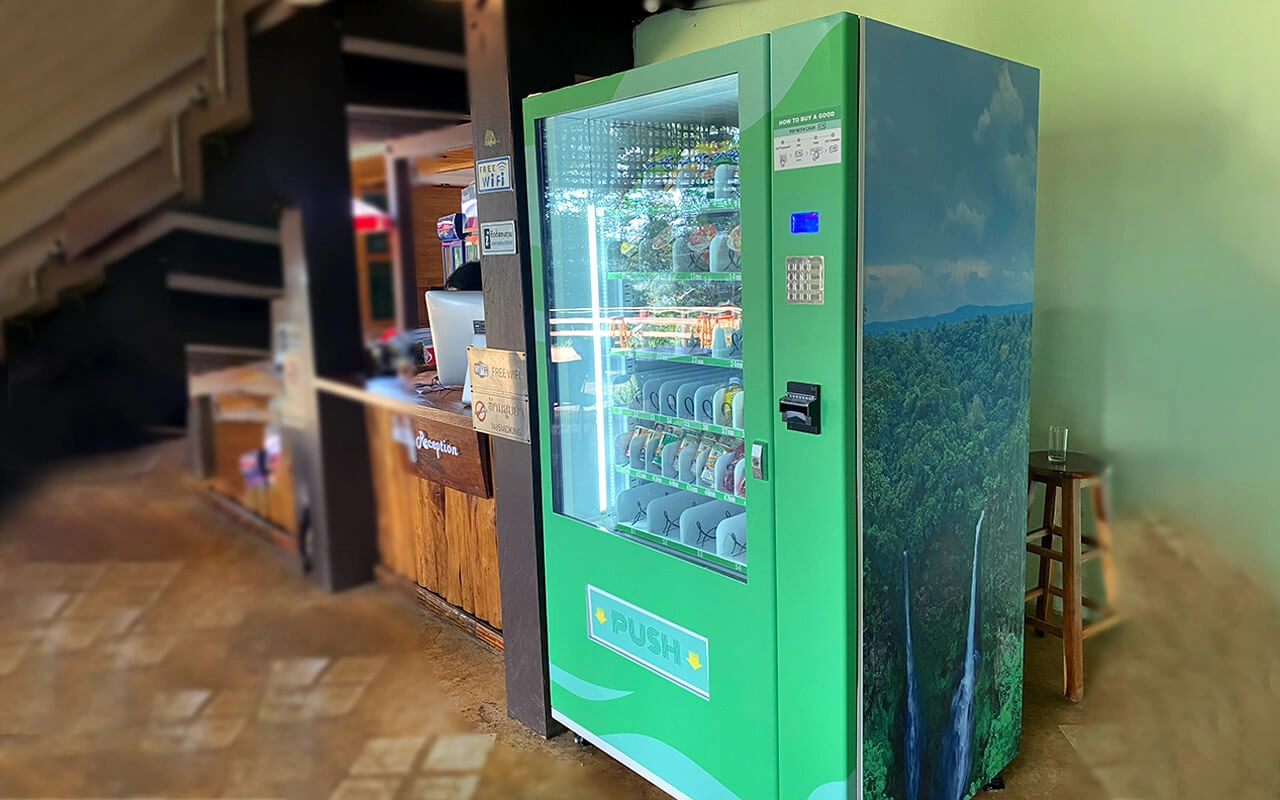
Feeding staff at work used to mean one thing: a canteen run by a catering company. Today, more employers are asking whether vending machines could do the job for less.
This guide compares the vending machine vs catering contract options on cost, space, menu, staffing, opening hours and flexibility. It will help you decide which suits your workplace, or whether a mix of both works best.
Quick answer: In the vending machine vs catering contract choice, a caterer offers hot meals and a staffed service but usually needs a subsidy, kitchen space and a long contract. Vending machines cost far less, run 24/7 and need only floor space and power.
Small and medium sites, shift workplaces and sites with falling canteen use often save money with vending. Large sites that need hot meals for many staff may keep a caterer and add vending for out-of-hours cover.
24/7 food and drink for your site
Snack, drinks, combo, coffee and smart fridge machines with free UK delivery and 0% payment plans.
Browse Machines →What is a catering contract?
A catering contract is an agreement with a catering company to run your staff restaurant, canteen or café. The caterer provides chefs, serving staff, food and day-to-day management.
Employers usually pay a management fee, a subsidy to keep meal prices low, or both. The caterer may also expect you to provide and maintain the kitchen and equipment.
That ongoing cost is the heart of the vending machine vs catering contract decision. A canteen can be a great perk, but only if enough staff use it.
What does workplace vending offer?
Workplace vending uses machines to sell snacks, cold drinks, hot drinks and sometimes fresh or hot food. Machines run around the clock with no staff on site.
Modern options go well beyond crisps and chocolate. Smart fridges hold sandwiches and salads, coffee machines make lattes, and card payments make buying quick.
Our vending machines for offices guide explains the main machine types for workplaces.
Vending machine vs catering contract: 7 proven differences
1. Cost to the employer
Cost is the biggest gap in vending machine vs catering contract. Catering contracts often need a subsidy and management fee every year. Vending machines can cost the employer nothing beyond the machine, because staff pay per item.
2. Space and equipment
Space is the next vending machine vs catering contract difference. A canteen needs a full commercial kitchen, serving area and seating. A vending machine needs about the floor space of a large fridge.
3. Menu and food quality
Menu is where catering has the edge in vending machine vs catering contract. Caterers can serve hot, freshly cooked meals. Vending offers snacks, drinks and chilled food, with hot food on some machines.
4. Opening hours
Hours favour vending in the vending machine vs catering contract comparison. Canteens usually open at set times on weekdays. Vending machines run 24/7, covering nights, weekends and early starts.
5. Staffing
Staffing changes a lot between vending machine vs catering contract options. A catering contract brings chefs and serving staff onto your site. Vending needs only someone to restock the machines.
6. Contract length and flexibility
Flexibility is a major vending machine vs catering contract factor. Catering contracts often run for years with notice periods. Owning vending machines gives you full flexibility to add, move or change them.
7. Admin and management
Admin is the final vending machine vs catering contract difference. Managing a caterer means reviewing menus, prices, hygiene and service levels. Vending admin is mostly restocking and checking sales.
Vending machine vs catering contract: side-by-side comparison
| Factor | Catering contract | Vending machines |
|---|---|---|
| Cost to employer | Subsidy and management fee | Machine cost, then little or none |
| Space | Kitchen, servery and seating | About a large fridge per machine |
| Menu | Hot, freshly cooked meals | Snacks, drinks, chilled and some hot food |
| Hours | Set opening times | 24/7 |
| Staff on site | Chefs and servers | None, apart from restocking |
| Contract | Often several years | None if you buy the machines |
| Best for | Large sites with high meal demand | Small and medium sites, shift work |
Vending machine vs catering contract: costs compared
In any vending machine vs catering contract cost comparison, the canteen’s biggest cost is usually the subsidy. If fewer staff use the canteen, the cost per meal served rises fast.
Kitchen equipment, maintenance and utilities add to the bill. Many employers only notice the true cost when they review the contract.
On the vending side of the vending machine vs catering contract sums, costs are much simpler. At Irelley, they include:
- The machines: from £695 for a cold drinks machine, with snack, combo, coffee and smart fridge options across our range.
- Payment plan: a 25% deposit, then the balance over up to 12 months at 0%, with no credit check.
- Card payments: telemetry with a card reader costs £10 a month plus 2% per transaction.
- Electricity: varies by machine, higher for chilled and hot drinks machines.
- Delivery and installation: free anywhere in the UK, usually within 24 hours, with a 12-month warranty.
Use our vending machine profit calculator to see how a machine could even earn money for the business.
Why canteen use is falling at many sites
Hybrid working means fewer people are on site every day, so canteens serve fewer meals. Many staff now bring lunch, order delivery or want something quick at their desk.
When canteen numbers drop, the subsidy per meal goes up. That’s often what starts a vending machine vs catering contract review.
Vending scales with demand. A machine that sells less simply needs restocking less often, with no fixed staffing cost.
Food choice: can vending match a canteen?
Vending can’t fully match a hot, freshly cooked meal. But it can cover far more than snacks.
The 24H smart vending fridge holds sandwiches, salads, wraps and yoghurts, with cashless unlock. Our fresh food vending machine and hot food vending machine guides cover meal options.
Pair a smart fridge with a coffee machine and a microwave, and many staff won’t miss the canteen. That’s often the sweet spot in the vending machine vs catering contract choice.
24/7 cover for shift workers
Canteens usually close in the evening and at weekends. Night-shift and weekend staff are often left with nothing.
Vending machines fill that gap, serving snacks, drinks and chilled food at any hour. For shift workplaces, vending machine vs catering contract isn’t always either/or: vending can cover the hours a canteen can’t.
Our vending machines for warehouses and vending machines for hospitals guides explain how round-the-clock sites use vending.
Ending a catering contract: what to check
If the vending machine vs catering contract review points to vending, plan the switch carefully. Start by checking your contract’s length, notice period and any break clauses.
Catering staff may have employment rights when a service changes or ends. Rules such as TUPE can apply, so read the Acas guidance on TUPE transfers and take advice before you act.
Also check who owns the kitchen equipment and what happens to it at the end of the contract.
When a catering contract makes sense
A caterer is still the right choice for some sites. It suits you when:
- Hundreds of staff are on site every day and want hot meals.
- You already have a commercial kitchen and dining area.
- A canteen is part of your culture and staff value it highly.
- You host visitors, events or client lunches regularly.
- Your budget can support an ongoing subsidy.
Even then, adding vending machines covers early starts, late finishes and weekends.
When vending machines are better
Vending usually wins when cost, space and flexibility matter. It suits you when:
- Your site has fewer than a few hundred staff, or numbers vary day to day.
- You want to cut or remove a catering subsidy.
- You don’t have space for a kitchen and dining area.
- Staff work shifts, nights or weekends.
- Canteen use has fallen since hybrid working began.
- You want food and drink without a long contract.
Vending machine vs catering contract by site type
The best answer to vending machine vs catering contract depends on your site. Here’s how it usually works out:
| Site | Usually suits | Why |
|---|---|---|
| Small or medium office | Vending | Low cost and easy to manage |
| Large HQ | Caterer + vending | Hot meals plus out-of-hours cover |
| Warehouse or factory | Vending | Shift work and 24/7 demand |
| Hospital | Caterer + vending | Meals by day, vending at night |
| College or university building | Vending, or both | Busy at peaks, quiet at other times |
| Hybrid office with low attendance | Vending | Demand too low to fund a canteen |
Mixing catering and vending
You don’t have to treat vending machine vs catering contract as all or nothing. Many sites keep a smaller catering service at lunchtime and add vending for everything else.
Others replace the canteen with a smart fridge, a coffee machine and a combo vending machine. This keeps a good range of food and drink while removing most of the subsidy.
Hot drinks without a café counter
Coffee is often the most-used part of a canteen. A good coffee machine can replace a staffed café counter for a fraction of the cost.
Our coffee vending machines for sale include instant, bean-to-cup and free-vend machines. For a premium feel, a bean-to-cup machine serves espresso, lattes and cappuccinos all day.
In the vending machine vs catering contract comparison, swapping a café counter for a coffee machine is often the quickest saving.
Choosing machines to replace or support a canteen
Once the vending machine vs catering contract review favours machines, list what staff buy most from the canteen: hot drinks, sandwiches, snacks or cold drinks. Then match machines to those needs.
A smart fridge covers fresh food, a coffee machine covers hot drinks, and a combo or drinks machine covers snacks and cold drinks. Busy sites with lots of card users may suit the large tap-to-pay drinks machine.
Telemetry shows what sells, so you can adjust the range over time; see our telemetry guide.
Staff feedback and wellbeing
Before changing anything, ask staff what they value. Some love the canteen, while others rarely use it.
A short survey helps you make a vending machine vs catering contract decision that staff support. Include healthier options in any vending range, such as salads, fruit, nuts and water; our healthy vending machine guide has ideas.
How to switch to vending smoothly
- Review your contract: check notice periods and staff obligations.
- Survey staff: find out what they buy and when.
- Choose machines: match fresh food, hot drinks and snacks to demand.
- Plan the space: place machines near rest areas with power and good access.
- Install before the canteen closes: so staff are never without food and drink.
- Review after a month: adjust the range based on sales.
Irelley delivers and installs free anywhere in the UK, usually within 24 hours. Spread the cost with our 0% payment plans.
Vending machine vs catering contract for hybrid offices
Hybrid working has changed how often people are in the office. On busy days the canteen may be full, but on quiet days it serves only a handful of staff.
A caterer still needs paying on quiet days, so the cost per meal rises. Vending machines simply sell less on quiet days, with no wasted staff time.
For hybrid offices, the vending machine vs catering contract answer often leans towards vending. A smart fridge and coffee machine cover most needs, whatever the attendance.
Food waste and sustainability
Canteens cook for expected numbers, so food is wasted when fewer people turn up. That’s hard to avoid when attendance changes from day to day.
Vending wastes less, because products are restocked based on what sells. Telemetry shows exactly which lines move, so you can cut slow sellers.
On waste, vending machine vs catering contract tends to favour vending. Sealed, long-life products and smart restocking keep waste low.
Hygiene and food safety
A caterer is responsible for kitchen hygiene, food safety training and inspections. That’s a benefit, but it also adds to the cost.
With vending, most products are prepacked and sealed, which keeps food safety simpler. Chilled food in a smart fridge still needs to stay at a safe temperature and be checked regularly.
Both models can be safe; the vending machine vs catering contract difference is how much has to be managed. Vending has far fewer moving parts.
Questions to ask before you decide
- How many staff use the canteen each day, and is that number falling?
- How much does the catering contract cost you each year?
- Do night and weekend staff have access to food?
- Could the canteen space be used for something else?
- What do staff value most: hot meals, coffee or quick snacks?
- When does your catering contract end, and what notice is needed?
Your answers will make the vending machine vs catering contract decision much clearer. Falling use, high subsidies and shift work all point towards vending.
What to do with the canteen space
Switching from a caterer to vending often frees up a large room. That space can become a staff lounge, meeting area, quiet zone or extra desks.
Many employers turn the old canteen into a relaxed break area with seating, a microwave, drinking water and a row of machines. Staff keep a place to eat together, and the business saves on catering.
Factor the value of that space into your vending machine vs catering contract sums. Freed-up floor space can be worth as much as the subsidy saving.
Common mistakes
Avoid these mistakes when comparing vending machine vs catering contract options:
- Ending a catering contract without checking notice periods and staff rights.
- Replacing a canteen with snacks only, with no fresh food or hot drinks.
- Ignoring night and weekend staff when planning food cover.
- Not asking staff what they actually use.
- Skipping card payments, which most staff now expect.
- Forgetting to review sales and refresh the range.
The verdict on vending machine vs catering contract
There’s no single winner in vending machine vs catering contract. A caterer suits large sites where many staff want hot meals and the budget supports a subsidy.
For most small and medium sites, shift workplaces and hybrid offices, vending machines offer food and drink 24/7 at a fraction of the cost. Browse our vending machines for sale or contact our team to plan the right mix for your site.
FAQ
Frequently asked questions
A catering contract is an agreement with a catering company to run a staff canteen or café at your site. The caterer provides staff, food and service, usually paid for through a management fee, a subsidy or both.
Almost always. In the vending machine vs catering contract comparison, a machine needs no kitchen staff, no subsidy and little space, while a canteen usually needs ongoing funding from the employer.
In vending machine vs catering contract terms, for many smaller sites, yes, especially with fresh food and hot drinks machines. Large sites that need hot meals for hundreds of staff often keep a canteen and add vending for out-of-hours cover.
Some can. Hot food vending machines and smart fridges with a nearby microwave let staff get a meal at any hour.
It depends on the contract and circumstances. Employment rules such as TUPE may apply when services change hands, so take advice before ending a catering contract.
They vary, but many run for several years with notice periods. Check your contract before planning a switch.
Yes. Vending machines run 24/7, which makes them ideal for night shifts and weekends when a canteen is closed.
For most factories, vending wins the vending machine vs catering contract comparison, because shifts run around the clock and canteens usually close at night. Large factories sometimes keep a daytime canteen and add vending for night and weekend shifts.
Yes. Irelley offers a 25% deposit, then the balance over up to 12 months at 0%, with no credit check.
Food and drink without a canteen
Snack, drinks, coffee and smart fridge machines with free UK delivery and installation.