

Vending machine leasing vs buying: 7 critical points
Which costs less, which builds an asset, and how 0% payment plans change the maths.
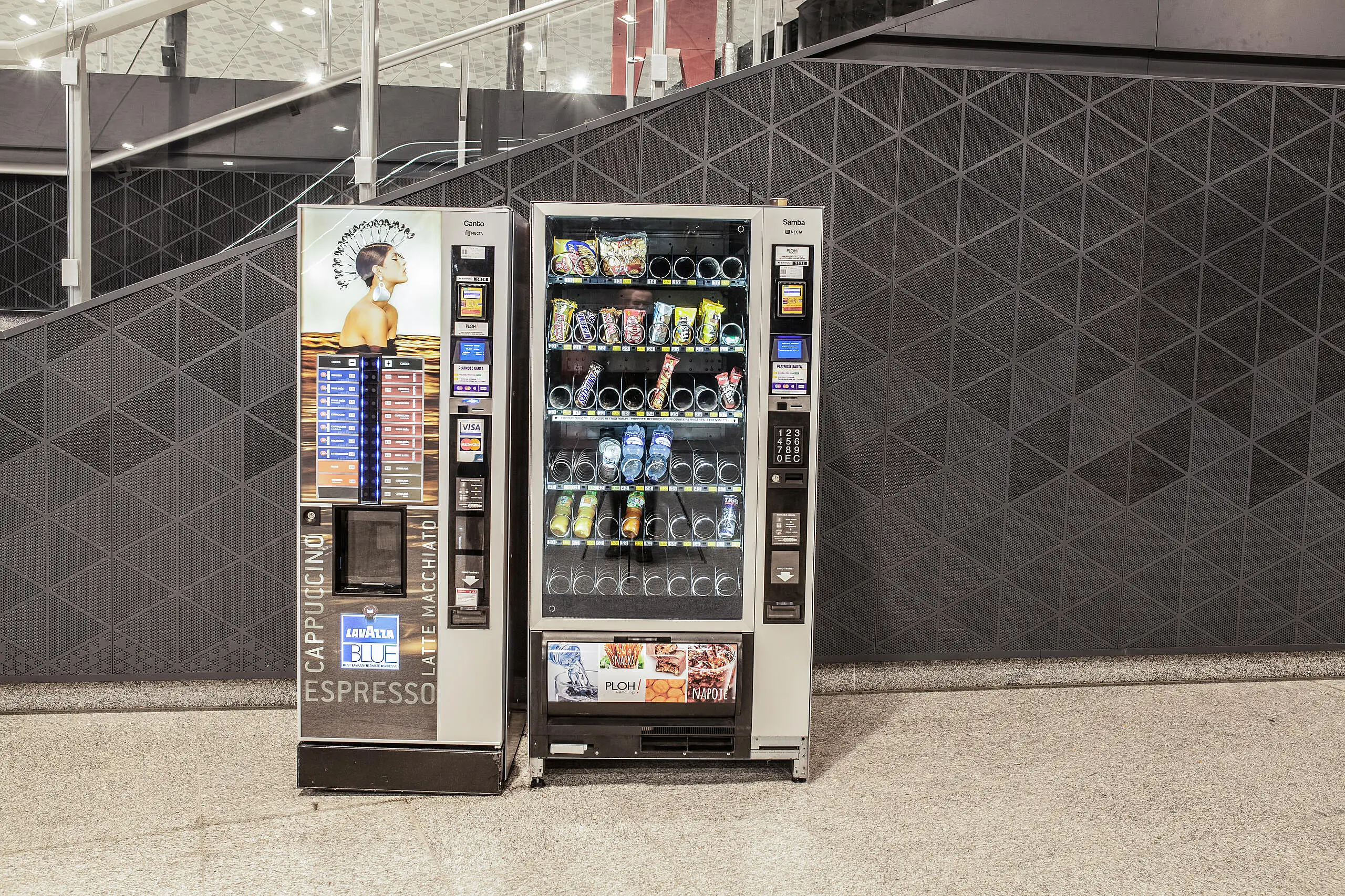
Vending machine leasing and buying are the two main ways to get a machine on site. Leasing keeps upfront costs low, while buying gives you an asset and all the profit.
This guide compares vending machine leasing with buying across 7 critical points: total cost, ownership, tax, flexibility, maintenance, risk and cash flow. It also explains a third route, interest-free payment plans.
Spread the cost at 0%
25% deposit, balance over up to 12 months at 0% interest, and no credit check.
View Payment Plans →How vending machine leasing works
With vending machine leasing, a finance or leasing company buys the machine and rents it to you. You pay a fixed monthly amount for an agreed term, often several years.
The leasing company usually owns the machine throughout. At the end, you might return it, extend the lease or buy it for a final payment, depending on the contract.
Some leases bundle in servicing, while others leave repairs to you. The details vary widely, so every agreement needs reading carefully.
Leases are also usually subject to credit checks, and some require a personal guarantee from directors of smaller businesses.
How buying works
Buying means you own the machine. You can pay in full, or spread the cost with a payment plan.
At Irelley, you can pay 50% upfront with the balance on delivery, or pay a 25% deposit and spread the rest over up to 12 months at 0% interest. There’s no credit check, and start-ups can ask about a 20% deposit.
Once it’s yours, every penny of profit stays with you, and you can sell the machine later if your plans change.
Vending machine leasing vs buying: 7 critical points
Here’s how vending machine leasing and buying compare on the points that matter most.
1. Total cost
Leasing usually costs more over the full term, because the leasing company builds in its own margin and finance costs. Buying, especially at 0%, usually works out cheaper overall.
2. Ownership
With vending machine leasing, you’re paying to use someone else’s machine. With buying, you build an asset that holds value.
3. Upfront cash
Leasing often needs little or no deposit. A 0% payment plan narrows the gap, with a 25% deposit, or 20% for start-ups.
4. Tax treatment
Lease payments are often treated as a business expense. Bought machines may qualify for capital allowances such as the Annual Investment Allowance. Check your position with an accountant.
5. Flexibility
Leases can make upgrading easier at the end of the term, but ending early can be expensive. Owners can move, sell or replace machines whenever they like.
6. Maintenance
Some leases include servicing; many don’t. Bought machines from Irelley include a 12-month warranty covering parts and remote support, with engineer labour extra.
7. Commitment
Vending machine leasing often locks you in for years, with penalties for early exit. A 12-month payment plan is a much shorter commitment.
“Leasing rents you a machine. Buying gives you a business asset. The right choice depends on how long you plan to keep it.”
Option 1
Leasing
- Upfront cost: Low
- Total cost: Usually higher
- Ownership: Leasing company
- Commitment: Often several years
- Best for: Short-term or uncertain sites
Option 2
Buying on a 0% Plan
- Upfront cost: 25% deposit
- Total cost: Machine price, no interest
- Ownership: You
- Commitment: Up to 12 months
- Best for: Building a vending business
A worked example
Take our PPE Essentials Vending Machine at £1,995. On our monthly plan, you’d pay a £498.75 deposit and about £124.69 a month for 12 months, with no interest.
After the plan, the monthly payments stop and the machine keeps earning. With vending machine leasing, payments typically continue for the full lease term, which can run for years.
That difference adds up. Over the life of a machine, owning usually leaves far more profit in your pocket.
It also gives you choices later, such as selling the machine or moving it to a better site.
Questions to ask a leasing company
If you’re considering vending machine leasing, ask these questions before you sign:
- What’s the total I’ll pay over the full term?
- Is servicing included, and who pays for engineer labour?
- What happens if the machine breaks down or is damaged?
- Can I end the lease early, and what will it cost?
- What are my options at the end, and at what price?
Clear answers make it easy to compare vending machine leasing with a purchase plan on equal terms.
When vending machine leasing makes sense
Vending machine leasing isn’t always the wrong choice. It can suit you if:
- You need a machine for a short, fixed period, such as a temporary site
- You want the latest technology and plan to upgrade often
- The lease includes servicing you’d otherwise pay for
- You can’t raise any deposit at all
In those cases, the extra total cost of vending machine leasing may be worth the convenience. Just compare the full cost over the term before signing.
When buying makes more sense
Compared with vending machine leasing, buying is usually the better choice if you plan to keep the machine for more than a year or two. You’ll pay less overall, own an asset and keep all the profit.
It also suits anyone building a vending route. Each machine you own adds to the value of your business. Our guide to starting a vending machine business in the UK explains how operators grow.
Quality refurbished machines lower the price further. Our refurbished vending machines buyer’s guide explains what to check.
Our take: vending machine leasing suits short-term needs. For most businesses and operators, buying on a 0% payment plan costs less, builds an asset and keeps every penny of profit.
Leasing vs free placement
Free placement is a third option for site owners who don’t want any cost at all. An operator owns, stocks and services the machine, and usually keeps most of the profit.
Vending machine leasing sits between the two: you pay monthly but control the range and keep the sales. Our guides to getting a free vending machine for your business and commission rates explain how placement deals work.
Cash flow for operators
For vending operators, cash flow decides how fast you can grow. Vending machine leasing keeps cash free at the start, but monthly payments eat into profit for years.
A short 0% plan is a different trade-off. You put down a deposit, clear the balance within a year, and then the machine’s full profit funds your next purchase.
Many operators grow this way, adding one machine at a time as earlier ones are paid off. It builds a debt-free route faster than long-term vending machine leasing.
Which machines suit each route?
Higher-priced machines, such as premium coffee or large combo units, are where vending machine leasing is most often considered. The bigger the price, the more attractive low upfront costs look.
With a 0% plan, though, even larger machines become manageable. A deposit and twelve monthly instalments spread the cost without the long tail of a lease.
Lower-priced snack and drinks machines are usually best bought outright or on a short plan. Leasing a low-cost machine often means paying finance costs that outweigh the convenience.
Common mistakes
The most common mistake is comparing monthly payments instead of total cost. A low monthly figure over five years can cost far more than a higher one over twelve months.
The second is ignoring the end of the term. With vending machine leasing, check exactly what happens to the machine and what it costs to keep it.
The third is forgetting servicing. If a lease doesn’t cover repairs, budget for them as you would with a bought machine.
What to check in any agreement
Whether you choose vending machine leasing or a payment plan, read the terms carefully. Look for:
- Total amount payable: over the full term, not just the monthly figure
- Interest and fees: including any admin or arrangement fees
- Early exit terms: what it costs to end the agreement early
- Maintenance: what’s covered and who pays for labour
- End-of-term options: return, extend or buy, and at what price
Our guide to vending machine contracts covers the key clauses to look for.
Other finance options
Beyond vending machine leasing and payment plans, some buyers use business loans or asset finance. Our guide to vending machine finance in the UK compares the main routes.
Whether you choose vending machine leasing or buying, model the numbers first. Our vending machine profit calculator and guide to how much vending machines make help you test whether a machine will pay its way.
Buying from Irelley
Browse all our vending machines for sale, then contact our team to talk through payment options. We deliver and install free anywhere in the UK, within 24 hours.
See our vending machine warranty and delivery and installation pages for full details.
FAQ
Frequently asked questions
Leasing is cheaper upfront, but usually costs more over the full term. Buying, especially with a 0% payment plan, often works out cheaper overall and you keep the machine.
Typically the leasing company owns it throughout the agreement. You pay to use it, and at the end you may return it, extend the lease or buy it, depending on the contract.
Yes. Irelley’s monthly plan lets you pay a 25% deposit and spread the balance over up to 12 months at 0% interest, with no credit check.
Some leases include servicing and repairs, others don’t. Read the agreement carefully and compare what’s covered with a purchase warranty.
Many start-ups prefer a low-deposit, interest-free payment plan, because it keeps cash free for stock while building an asset they own.
Own your machine, pay at 0%
25% deposit, up to 12 months interest-free, free delivery and installation anywhere in the UK.