

Golf club vending machines: 7 critical tips, best picks
Drinks, snacks and golf essentials at the halfway house, first tee and driving range, at any hour.
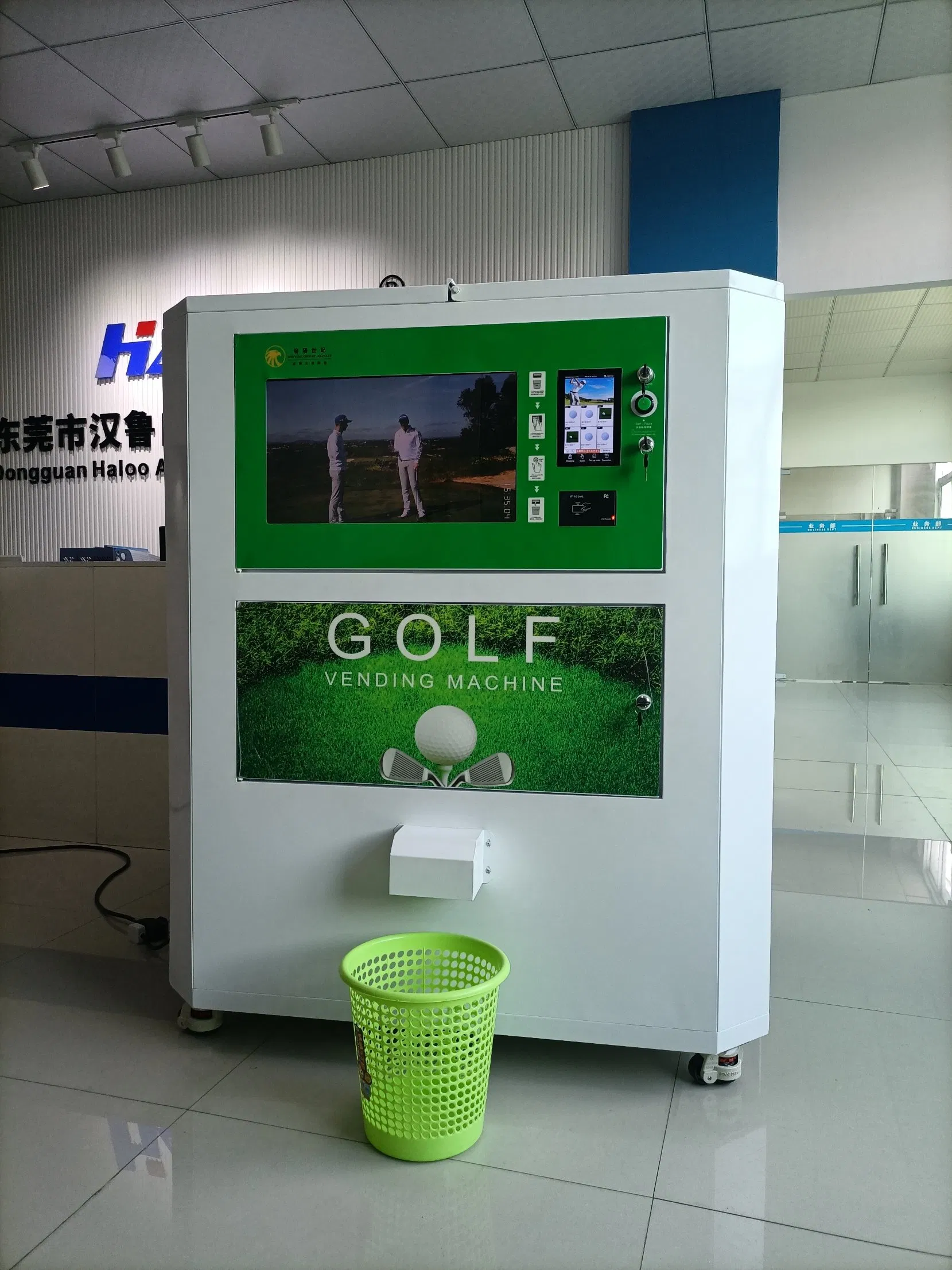
Golf club vending keeps golfers refreshed from the first tee to the eighteenth green. Early tee times, late summer evenings and quiet weekday rounds often fall outside bar and café hours, but golfers still want a cold drink, a snack or a sleeve of balls.
This guide covers 7 critical tips for golf club vending at members’ clubs, pay-and-play courses, driving ranges and pavilions: what to stock, the halfway house, golf essentials, weather, payment, security and the best machines to consider.
Built for outdoor sites
A covered dual vending station that shelters machines and golfers, delivered and installed free anywhere in the UK.
View the Outdoor Station →Why golf club vending works
Golf is booming in England. Trade press reports England Golf figures showing that more than one in four adults played some form of golf in the last year, and junior club membership rose sharply in 2025.
More golfers means more demand for golf club vending and refreshments, often at hours the clubhouse can’t staff. A round takes four hours or more, and golfers get thirsty and hungry along the way.
Golf club vending fills those gaps without extra staff. It earns income for the club and makes the golfing day more enjoyable.
Who uses golf club vending?
Golf club vending serves members, visitors, societies, juniors and range customers. Each group uses machines differently, from a quick water at the turn to a box of balls before a lesson.
Greenkeepers and staff use machines too, often starting work before dawn. A machine near the maintenance shed or staff room supports them through long days.
Spectators at club events and parents watching junior lessons are another source of sales.
Is golf club vending worth it?
For busy clubs, pay-and-play courses and driving ranges, golf club vending is usually worthwhile. Steady footfall, long visits and summer heat all drive sales.
Smaller members’ clubs may sell less, but a machine still adds a service members notice. It can also cover winter months when the halfway house is closed.
Use our vending machine profit calculator to test the numbers for your club.
7 critical tips for golf club vending
Use these tips to set up golf club vending that golfers and members value.
1. Cover early and late tee times
First tee times start at dawn in summer, and twilight rounds finish late, so golf club vending matters. Machines serve golfers whenever the bar is shut.
2. Stock golf essentials
In golf club vending, balls, tees, gloves and ball markers sell well and carry good margins.
3. Use the halfway house
A machine at the turn gives golfers a mid-round drink without a long walk back to the clubhouse.
4. Protect against the weather
Outdoor machines need a canopy or shelter, a solid base and weatherproof power.
5. Go cashless
Golfers rarely carry cash on the course, so golf club vending must be cashless. Card and phone payment are essential.
6. Keep alcohol behind the bar
Alcohol needs a licence and age checks, so leave it to the clubhouse bar.
7. Match the club’s image
Smart, well-presented golf club vending suits a members’ club far better than tired machines.
“At the turn on a hot afternoon, a cold drink from the halfway house machine is the best purchase of the round.”
What to stock
- Drinks: water, sports drinks, soft drinks and juices
- Snacks: cereal bars, flapjacks, nuts, fruit snacks and chocolate
- Hot drinks: coffee and tea for early starts and winter golf
- Golf essentials: balls, tees, gloves, pitch-mark repairers and ball markers
- Weather items: sun cream, waterproof ponchos and hand warmers
England plans to ban high-caffeine energy drinks from all vending machines from April 2027, subject to Parliamentary approval. Coffee and tea are exempt.
The halfway house
Many courses have a halfway house near the turn, between the ninth green and tenth tee. Staffing it all day is expensive, especially midweek and in winter.
Golf club vending at the halfway house gives golfers drinks and snacks whenever they pass. Some clubs keep a staffed hut at busy weekends and rely on machines the rest of the week.
Place the machine where golfers naturally pause, with shelter, a bin and somewhere to sit.
Hot drinks for winter golf
Winter golf has a loyal following, with frosty mornings and short days. Golfers appreciate a hot coffee or tea before teeing off or at the turn.
A hot drinks machine such as our Nescafé hot drinks machine near the first tee or locker room can be one of the busiest machines in winter.
Keep hot drinks machines indoors or well sheltered, with a reliable power and water supply.
Golf balls and essentials
Golfers lose balls, forget tees and wear out gloves, and golf club vending can help. A machine selling golf essentials solves these problems on the spot.
Our custom retail machine handles boxed balls, gloves, tees and accessories. Place it near the first tee or the pro shop so golfers can stock up before they start.
Golf essentials vending is especially useful when the pro shop is closed early or late in the day.
Early starts and twilight golf
Summer tee sheets often start at 6am, long before any bar opens. Golfers arriving early want coffee, water and something to eat before their round.
Twilight golf runs into the evening after the halfway house has closed. Golf club vending covers both ends of the day, so golfers are never without a drink.
Restock the night before busy weekend mornings.
Driving ranges
Driving ranges see a steady flow of golfers, often in the evenings and at weekends. Visitors hit a few buckets and want a drink while they practise.
Golf club vending at the range covers drinks, snacks and tees. Floodlit ranges open late, so machines can serve customers long after the café closes.
Pitch and putt, adventure golf and par-3 courses
Families and casual golfers play pitch and putt, adventure golf and short courses. They want cold drinks, ice cream and snacks, especially in summer.
Child-friendly treats and an ice cream machine such as our Mini Melts ice cream machine work well at these venues.
Juniors and coaching
Junior golf is growing fast, with academies, coaching sessions and holiday camps. Young golfers need water and healthy snacks, and parents want coffee while they watch.
Keep golf club vending near coaching areas child-friendly, with sensible prices and healthier options at eye level.
Machines to consider
Outdoor stations
Our outdoor dual vending station with canopy shelters machines and golfers at the halfway house or range.
Sports drinks and water
Our Powerade sports drink machine and Crane water bottle machine keep golfers hydrated.
Golf essentials
Our custom retail machine sells balls, tees and gloves.
Healthy snacks
Our healthy vending combo offers energy for the back nine.
On the Course
Halfway House Setup
- Machines: Drinks plus snacks under a canopy
- Peak times: Summer afternoons and weekends
- Top sellers: Water, sports drinks and cereal bars
- Payment: Card and phone
- Best for: 18-hole courses
At the Clubhouse
First Tee and Range Setup
- Machines: Golf essentials plus combo
- Peak times: Early mornings and evenings
- Top sellers: Balls, tees, gloves and drinks
- Payment: Card and phone
- Best for: Clubs and driving ranges
Choosing the right size
A busy 18-hole course with a driving range may justify several machines, while a nine-hole club may need just one at the clubhouse. Start with the location that sees the most golfers.
Halfway houses are often small, so slim machines that hold a lot are a good fit. Check doors, paths and access for delivery vehicles before ordering.
Placement on the course
The best spots for golf club vending are the halfway house, near the first and tenth tees, at the driving range and by the locker rooms. Machines should be easy to reach without crossing fairways.
Keep machines out of the line of play and away from flight paths of stray shots. A sheltered spot behind a hut or under trees is often ideal.
Our guide to vending machine locations covers wider placement principles.
Our take: golf club vending works best at the halfway house, first tee and range, with drinks, healthy snacks and golf essentials, cashless payment and solid weather protection.
Power and weather
Outdoor golf club vending needs a safe, weatherproof power supply installed by a qualified electrician. Halfway houses and range buildings often already have power, which makes installation easier.
Shelter machines from rain and direct sun, which strains cooling systems. Our guide to vending machine electricity costs helps estimate running costs.
Payment
Golfers carry phones, not cash, on the course. With Irelley, card payments with telemetry cost £10 a month plus 2% per transaction, as our contactless vending machine guide explains.
Check mobile signal at the halfway house before installing, as some courses have weak coverage away from the clubhouse.
Security
Remote golf club vending spots on the course can attract vandalism, especially overnight. Anchor machines, go cashless and lock halfway house huts out of hours.
Our vending machine insurance guide explains the cover you’ll need for outdoor machines.
Alcohol and licensing
Golfers enjoy a drink after a round, but alcohol should stay behind the clubhouse bar. Selling it needs a premises licence and age checks that vending machines can’t reliably manage.
Keep golf club vending focused on soft drinks, water and snacks, and let the bar handle the 19th hole.
Hydration and heat
A summer round can mean four hours or more in the sun, often walking several miles. Dehydration is a real risk, especially for older golfers.
Golf club vending with chilled water at the turn helps golfers drink enough. Some clubs also provide free water stations, with vending adding chilled bottles and sports drinks.
Members’ clubs versus pay-and-play
Members’ clubs often prefer discreet, well-presented machines that fit the club’s character. Some offer member pricing through a club card or app.
Pay-and-play courses and municipal clubs welcome more casual golfers, who value convenience and quick service. Golf club vending can play a bigger role where staffing is limited.
Competitions and events
Club competitions, society days and charity events bring large groups to golf club vending at once. Restock machines before big days, especially in summer.
Society organisers sometimes buy drinks for their group. Free vend credits can be included in a society package.
Seasonal patterns
Golf club vending peaks in late spring and summer, with long days and warm weather. Cold drinks, water and sun cream sell best then.
Winter brings fewer rounds, but dedicated golfers still play. Hot drinks and hand warmers can help, and machines cover days when the halfway house is closed.
Accessibility
Golfers of all ages and abilities use the course, including buggy users and disabled golfers. Place machines on firm, level paths reachable by buggy.
Controls and collection trays should be within easy reach, with clear, high-contrast displays.
Pricing
Keep golf club vending prices in line with the clubhouse bar, so golfers trust the machine. Golf essentials can match pro shop prices.
Card payment lets you set exact prices. Bundles such as a drink and snack at the turn can lift the average spend.
Customer service
Display a phone number or QR code for refunds on every machine, and make sure the pro shop and bar staff know how to help.
Quick, friendly refunds keep members happy. A machine that swallows money without help can become a talking point for the wrong reasons.
Branding
A wrap with the club crest, colours or course photography makes golf club vending look like part of the club. It suits members’ clubs that care about presentation.
Irelley’s vinyl wraps cost from £100 to £300 for a DIY kit or £350 to £950 for a full turnkey wrap, excluding VAT.
Working with the club team
The club manager, pro, greenkeepers and bar staff all play a part. Agree who restocks, who handles refunds and who reports faults.
The pro shop is a natural point for refunds and golf essentials stock. Greenkeepers can spot problems with outdoor machines on their morning rounds.
Restocking and maintenance
Plan golf club vending restocking around greenkeeping routes and tee sheets, so buggies and staff don’t disrupt play. Telemetry shows exactly what each machine needs.
Clean machines regularly, as grass cuttings, dust and insects find their way inside outdoor cabinets. Our guides to restocking a vending machine and vending machine maintenance set out simple routines.
Golf clubs with other facilities
Many golf clubs now include gyms, spas, tennis courts or footgolf. Each brings extra visitors who may use golf club vending.
Machines near these facilities can stock water, sports drinks and healthy snacks. Hotels with golf courses can also place machines near guest areas.
Owning or using an operator
Clubs can buy their own golf club vending machines or work with a vending operator. Owning gives the club control over range, prices and branding.
Operators handle stock and servicing, usually paying commission. Our guides to a free vending machine for your business and commission rates compare the approaches.
Sustainability
Many golf clubs care about the environment and wildlife on their courses. Cans, recyclable packaging and recycling bins beside every machine help keep litter off fairways.
Energy-efficient machines and LED lighting cut running costs, and some clubs use solar power at remote halfway houses.
Measuring results
Card payment and telemetry show which machines sell, when and what. Compare halfway house sales with tee sheet bookings to understand demand.
Use the data to adjust stock, opening hours and machine locations. Share results with the club committee to support future decisions.
Getting started
Start golf club vending with one sheltered drinks and snack machine at the halfway house, or a golf essentials machine by the first tee. Add more machines once you know demand.
Our payment plans let you pay a 25% deposit and spread the rest over up to 12 months at 0%, with no credit check.
Growing the offer
Many clubs start with a single halfway house machine and add more as demand grows. A golf essentials machine by the first tee, a drinks machine at the range and a hot drinks machine in the locker room are natural next steps.
Review sales each season before adding machines, and ask members what they’d like to see.
Checklist before you install
- Machine placed out of the line of play
- Shelter, solid base and weatherproof power
- Card payment and mobile signal tested
- Golf essentials stocked alongside drinks
- No alcohol in machines
- Insurance and security in place
Ticking every box gives golf club vending a strong start.
Common mistakes
The biggest golf club vending mistake is placing a machine in the line of play. Stray shots and machines don’t mix.
The second is skipping shelter. Rain and sun shorten machine life and put golfers off.
The third is ignoring golf essentials, which often earn more than snacks.
The last is forgetting winter. Machines that cover closed halfway houses in quiet months keep golf club vending useful all year.
Buying from Irelley
Browse our vending machines for sale, or contact our team to plan golf club vending. We deliver and install free anywhere in the UK, within 24 hours.
Every machine comes with a 12-month warranty covering parts and remote support.
FAQ
Frequently asked questions
Golfers tee off early and play late, often when the clubhouse bar or café is closed. Vending machines serve drinks, snacks and golf essentials at any hour.
Water, sports drinks, soft drinks, cereal bars and sweets sell well, alongside golf balls, tees, gloves, ball markers and sun cream.
Common spots include the halfway house, first tee, driving range, locker rooms and car park entrance. Outdoor spots need shelter and a safe power supply.
It’s best not to. Selling alcohol needs a premises licence and strict age checks, which vending machines can’t reliably manage.
Yes. Most golfers pay by card or phone, and cashless payment also reduces theft risk at remote spots on the course.
Refresh every round
Outdoor stations, drinks and golf essentials machines, delivered and installed free anywhere in the UK.