

Full-service vs self-managed vending: 7 best proven facts
Who owns the machine, costs, profit, time and control, and which vending model suits your site or business.
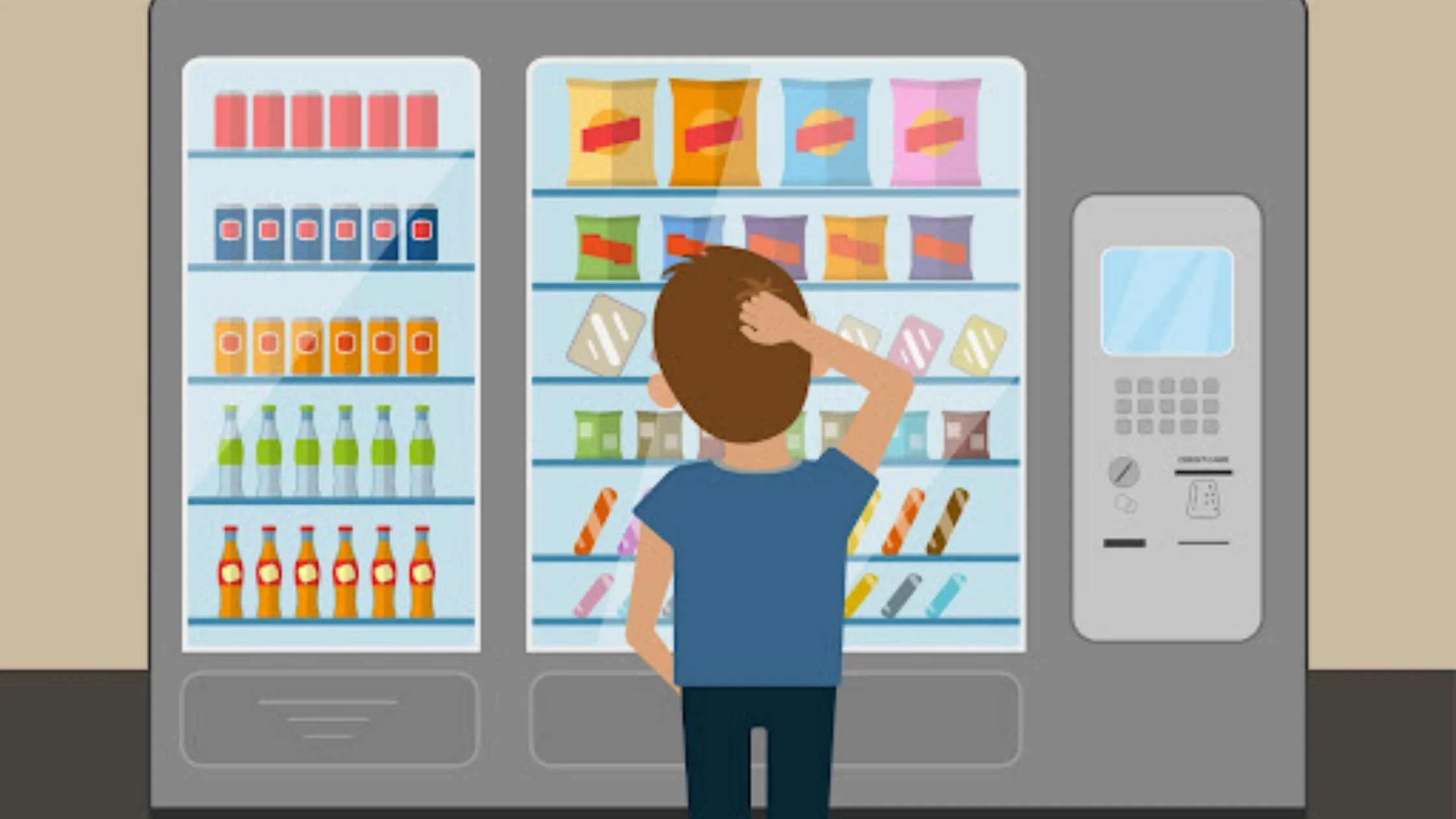
If you want a vending machine at your site, there are two main ways to run it. A vending company can supply and run it for you, or you can buy the machine and run it yourself.
This guide compares full-service vs self-managed vending on ownership, costs, profit, time, control and risk, so you can choose the model that suits your site or business.
Quick answer: In full-service vs self-managed vending, full-service means an operator owns, stocks and maintains the machine and usually pays you a small commission. Self-managed means you buy the machine and do the work, but you keep the profit.
Full-service suits sites that want zero effort. Self-managed suits businesses and entrepreneurs who want more income and full control over products and prices.
Run your own machine
Tested vending machines with free UK delivery, installation and 0% payment plans.
Browse Machines →What is full-service vending?
Full-service is the first side of the full-service vs self-managed vending choice. A vending operator places its own machine at your site. The operator stocks it, cleans it, fixes it and collects the money.
In return, the site owner usually gets a commission on sales, a free service or both. The operator keeps the machine and most of the takings.
This is the model behind most “free vending machine” offers. Our free vending machine for business guide explains how those deals work.
What is self-managed vending?
Self-managed is the other side of the full-service vs self-managed vending choice. You buy or lease the machine yourself. You choose the products, set the prices, restock it and keep the profit after costs.
Self-managed vending suits business owners who want to run a machine on their own premises. It also suits entrepreneurs building a vending business across several sites.
Our start a vending machine business guide covers the first steps if you’re new to vending.
Full-service vs self-managed vending: 7 proven differences
1. Who owns the machine
Ownership is the starting point of full-service vs self-managed vending. In full-service, the operator owns the machine and can remove it if the site doesn’t sell enough. In self-managed vending, you own it and decide where it goes.
2. Upfront cost
On upfront cost, full-service vs self-managed vending is simple: full-service usually costs the site nothing. Self-managed means buying a machine, though payment plans spread the cost.
3. Profit
This is the biggest gap in full-service vs self-managed vending. With full-service, you usually get a small share of sales; with self-managed, you keep everything after stock and running costs.
4. Time and effort
Time is where full-service vs self-managed vending trade places. Full-service takes almost no time from you. Self-managed means regular restocking, cleaning and cash collection, usually an hour or two a week per machine.
5. Control over products and prices
Control is a key part of full-service vs self-managed vending. Operators choose the range and prices in full-service vending. In self-managed vending, you decide exactly what to sell and how much to charge.
6. Service and repairs
The operator handles repairs in full-service vending. With self-managed, you arrange repairs yourself, though a warranty covers the early months.
7. Contracts and flexibility
Flexibility is the final full-service vs self-managed vending difference. Full-service deals often come with a contract and notice period. Self-managed gives you full flexibility to move, sell or replace the machine.
Full-service vs self-managed vending: side-by-side comparison
| Factor | Full-service | Self-managed |
|---|---|---|
| Machine ownership | Operator | You |
| Upfront cost | Usually none | Machine price, or a deposit on a payment plan |
| Your income | Commission or free service | All profit after costs |
| Time needed | Almost none | About 1–2 hours a week per machine |
| Products and prices | Set by operator | Set by you |
| Repairs | Operator | You, with a warranty at first |
| Flexibility | Contract terms apply | Full control |
Full-service vs self-managed vending: costs compared
In any full-service vs self-managed vending cost comparison, full-service looks free, but the operator takes most of the takings to cover the machine, stock, fuel and staff. You pay with lost income rather than money upfront.
With self-managed vending, the main costs are clear. At Irelley, they include:
- The machine: from £695 for a cold drinks machine, with snack, combo, coffee and specialty machines across our range.
- Payment plan: a 25% deposit, then the balance over up to 12 months at 0%, with no credit check.
- Card payments: telemetry with a card reader costs £10 a month plus 2% per transaction.
- Stock: bought from cash and carry or wholesale suppliers.
- Electricity: lower for snack machines, higher for chilled drinks machines.
- Delivery and installation: free anywhere in the UK, with a 12-month warranty.
Run the numbers for your site with our vending machine profit calculator.
Full-service vs self-managed vending: profit example
Here’s an illustrative example to show how the models compare. Your own figures will differ, so treat it as a guide only.
Say a machine takes £100 a week in sales. Under full-service vending, a site owner might receive a commission of around 10% to 15%, or roughly £10 to £15 a week.
Under self-managed vending, if stock costs about half of sales, you’d keep roughly £50 a week before electricity and card fees. That’s why the full-service vs self-managed vending decision often comes down to whether that extra income is worth your time.
Commission rates vary by site and operator. Our vending machine commission rates guide covers typical deals.
When full-service vending makes sense
Full-service is the easier option in some situations. It suits you when:
- You want a vending service for staff or visitors with no work at all.
- You don’t have time or space to store and manage stock.
- Your site has very high footfall, so operators compete to place machines.
- You need several machines and don’t want to manage them.
- Income from the machine isn’t important to you.
Large offices, hospitals and universities often choose full-service for these reasons. Our vending machines for offices guide covers both options for workplaces.
When self-managed vending is better
Self-managed usually wins when income and control matter. It suits you when:
- You own a gym, shop, salon, garage or other business with steady footfall.
- You want to keep the profit rather than a small commission.
- You want to choose products, such as healthy snacks or local drinks.
- Operators won’t place a machine because your site is too small.
- You’re building a vending business across several sites.
- You want flexibility without a long operator contract.
Many small sites can’t get full-service at all, because operators only take busy locations. In the full-service vs self-managed vending choice, that often makes self-managed the only real option.
Full-service vs self-managed vending for business owners
If you run a gym, salon, garage or shop, a machine on your own premises is the simplest form of self-managed vending. You’re already on site every day, so restocking fits around your normal routine.
You also know your customers best. A gym can stock protein bars and sports drinks, while a salon might sell beauty products from a specialty machine.
For these owners, the full-service vs self-managed vending gap is clear. Self-managed adds a new income stream for very little extra time.
Full-service vs self-managed vending for entrepreneurs
If you want to build a vending business, self-managed is where most people start. You buy one or two machines, place them at good sites and grow from there.
You’ll need placement agreements with site owners, usually offering them a commission. Our placement agreements guide explains how to set them up.
As you add machines, you’ll plan an efficient restocking route. Our vending machine route guide covers this, and our part-time vending business guide shows how to run it alongside a job.
How much time does self-managed vending take?
Time is the main trade-off in full-service vs self-managed vending. Most self-managed machines need a visit once or twice a week to restock, clean and collect takings.
Telemetry cuts this down by showing sales and stock levels on your phone. You only visit when the machine needs refilling; see our vending machine telemetry guide.
Card payments also mean less cash to count and fewer trips to the bank. Our restocking guide has tips to make each visit faster.
Repairs, risk and support
Risk is often overlooked in full-service vs self-managed vending. With full-service, the operator carries the risk of breakdowns and slow sales. With self-managed vending, that risk is yours.
Every Irelley machine is tested before delivery and comes with a 12-month warranty covering parts and remote support. That covers the period when most early issues show up.
Simple upkeep prevents most problems. Our vending machine maintenance guide explains what to check each week.
Tax and accounting basics
Tax is another difference in full-service vs self-managed vending. With self-managed, you own a business asset, so the machine may qualify for tax relief.
The Annual Investment Allowance lets many businesses deduct the full cost of qualifying equipment from their profits. Check with an accountant how it applies to you.
Commission from a full-service operator is usually simple income for the site owner. Self-managed vending means keeping records of sales, stock and costs.
Choosing the right machine for self-managed vending
If the full-service vs self-managed vending decision points to running your own, match the machine to your site and customers. Combo machines suit offices and staff rooms, drinks machines suit gyms and warehouses, and coffee machines suit workplaces open early or late.
Browse our combo vending machines for sale if you want snacks and drinks in one. For modern sites, the 24H smart vending fridge sells snacks, drinks and fresh food with cashless unlock.
Busy sites with lots of card users may suit the large tap-to-pay drinks machine, our biggest drinks machine.
Buying vs leasing for self-managed vending
Cost shouldn’t decide full-service vs self-managed vending on its own, because self-managed doesn’t always mean paying the full price upfront. You can buy outright, use a 0% payment plan or lease.
Buying usually costs less overall, and you own the machine at the end. Our leasing vs buying guide compares the options in detail.
Full-service vs self-managed vending by site type
The right answer to full-service vs self-managed vending often depends on the site. Here’s how the two models usually fit common locations:
| Site | Usually suits | Why |
|---|---|---|
| Large office or HQ | Full-service | High footfall and no staff time to spare |
| Gym or studio | Self-managed | Staff on site daily and a clear product range |
| Salon or barbershop | Self-managed | Specialty products and steady regular customers |
| Garage or car dealership | Self-managed | Waiting customers and staff already on site |
| Warehouse or factory | Either | Busy sites attract operators, but owners can earn more |
| Hospital or university | Full-service | Many machines across large buildings |
Questions to ask a full-service operator
If you lean towards full-service, ask these questions before you sign:
- What commission will you pay, and how is it calculated?
- How long is the contract, and what’s the notice period?
- How often will you restock and clean the machine?
- How quickly will you fix breakdowns?
- Can we choose any of the products or prices?
- Will you remove the machine if sales are low?
The answers often settle the full-service vs self-managed vending question. If the commission is small and the contract long, running your own machine may be the better deal.
Hybrid options between the two models
You don’t have to treat full-service vs self-managed vending as all or nothing. Some site owners buy their own machine, then pay a local person to restock it.
Others start with self-managed vending on their own premises, then add a full-service machine in a second building. Mixing the models lets you balance income and effort.
Getting started with self-managed vending
If self-managed is the right fit, here’s how to start:
- Choose your site: your own premises, or a site with steady footfall and no nearby shop.
- Pick the machine: snack, drinks, combo, coffee or specialty, matched to your customers.
- Plan your payment: pay upfront, or use a 25% deposit and spread the balance over up to 12 months at 0%.
- Arrange delivery: Irelley delivers and installs free anywhere in the UK, usually within 24 hours.
- Stock the machine: start with best sellers from a cash and carry or wholesaler.
- Track and adjust: review sales every few weeks and swap slow products.
Most people find the first few weeks are the steepest part of the full-service vs self-managed vending learning curve. After that, restocking becomes a quick routine.
Customer experience in full-service vs self-managed vending
Customers rarely know which model runs a machine, but they notice the results. Empty spirals, stale stock and broken card readers lose sales under either model.
Full-service operators visit on a set schedule, which may not match your busiest days. With self-managed vending, you can restock right before a busy event or swap in products people ask for.
For many small sites, that responsiveness is the hidden advantage in full-service vs self-managed vending. A machine that always has what people want earns more and keeps customers happy.
Insurance and responsibility
Responsibility for the machine is another practical difference. In full-service vending, the operator usually insures its own machine and stock.
With self-managed vending, the machine and stock are yours, so check your business insurance covers them. Our vending machine insurance guide explains what to look for.
Factor insurance into your full-service vs self-managed vending sums. For most owners, it’s a small cost compared with the extra profit.
Common mistakes
- Assuming full-service is free, without checking what share of takings you give up.
- Signing a long operator contract without reading the notice period.
- Choosing self-managed vending without a plan for restocking.
- Picking a machine that doesn’t suit the site’s customers.
- Skipping card payments and losing customers who don’t carry cash.
- Not tracking sales, so slow products stay in the machine.
The verdict on full-service vs self-managed vending
There’s no single winner in full-service vs self-managed vending. Full-service suits busy sites that want a hands-off service and don’t need the income.
Self-managed suits business owners and entrepreneurs who want to keep the profit, control their range and stay flexible. With a 0% payment plan, free delivery and installation and a 12-month warranty, getting started is easier than many people expect.
Browse our vending machines for sale or contact our team for advice on the right machine for your site.
FAQ
Frequently asked questions
Full-service vending is when a vending company supplies, stocks, maintains and owns the machine at your site. You provide the space and power, and usually receive a commission on sales or a free service.
Self-managed vending is when you buy or lease the machine yourself and handle stocking, pricing, cleaning and cash collection. You keep the profit after costs.
In the full-service vs self-managed vending choice, self-managed usually earns more per machine because you keep all the profit. Full-service earns less, but the operator does all the work.
In full-service vs self-managed vending, full-service often costs the site owner nothing, but the operator keeps most of the takings. At quieter sites, operators may charge a fee or decline to install a machine.
Usually an hour or two a week per machine for restocking, cleaning and collecting takings, depending on how busy the site is. Telemetry can reduce wasted visits.
Yes. Many sites move between full-service vs self-managed vending over time, once any contract with the operator ends. Check notice periods and who owns the machine before you switch.
No. Most people learn the basics quickly. Irelley shows you how to load the machine, set prices and collect takings when we install it.
For most gyms, self-managed wins the full-service vs self-managed vending comparison. Staff are on site every day, the product range is clear, and the gym keeps the profit from protein bars, water and sports drinks instead of a small commission.
Yes. Irelley offers a 25% deposit, then the balance over up to 12 months at 0%, with no credit check.
Ready to run your own machine?
Tested vending machines with free UK delivery, installation and 0% payment plans.