

Forecourt vending machines: 7 critical tips, best picks
Coffee, drinks, snacks and car essentials for drivers at any hour, with safe placement away from fuel hazard zones.
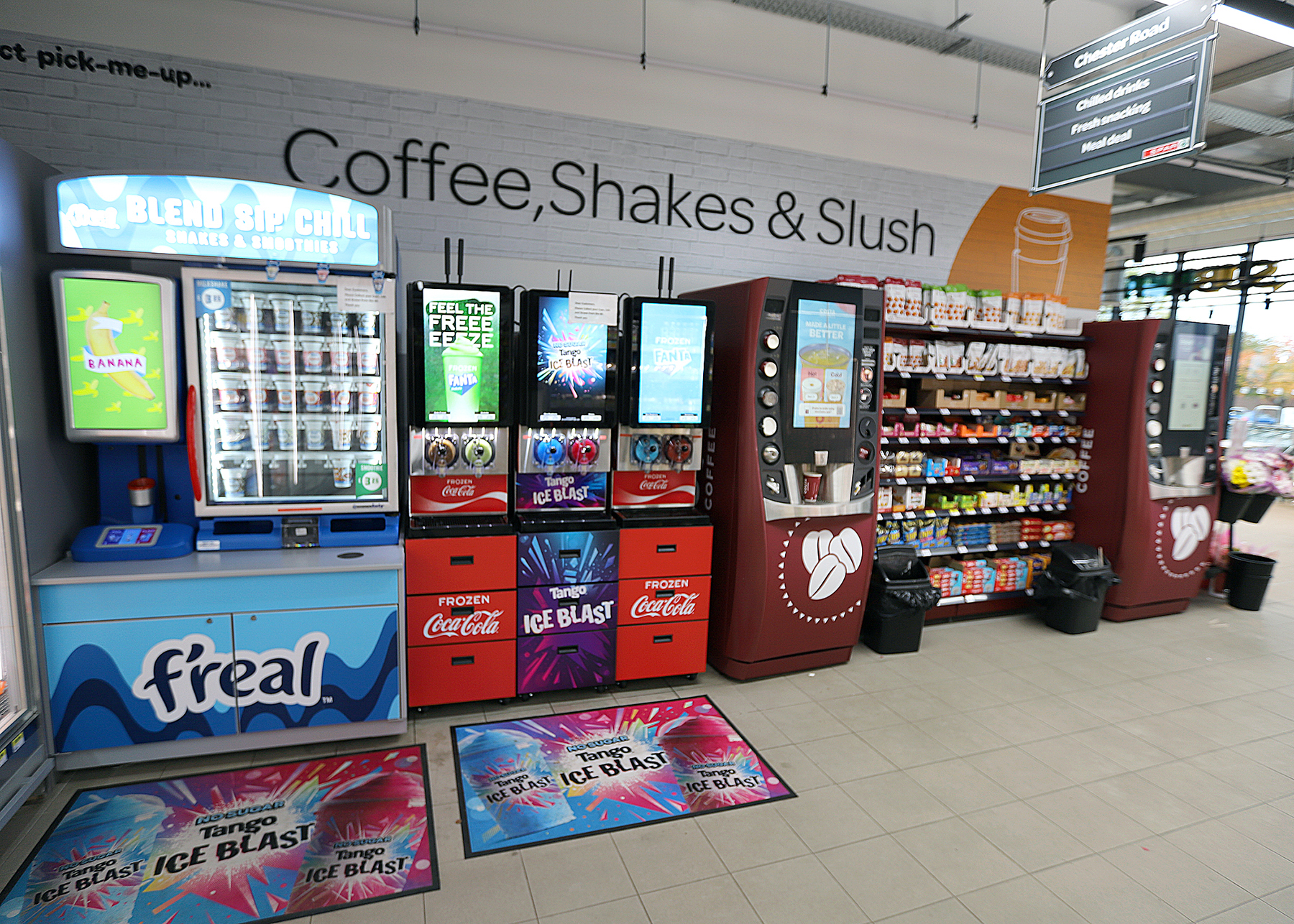
Forecourt vending fills a gap that every driver knows. The shop is closed, the pay window is slow or the site is unmanned, but you still want a coffee, a cold drink or something to eat before the next leg of the journey.
This guide covers 7 critical tips for forecourt vending machines at UK petrol stations: what drivers want, unmanned sites, safety zones, power, weather, security and the best machines to consider.
Built for outdoor sites
A covered dual vending station that shelters machines and customers, delivered and installed free anywhere in the UK.
View the Outdoor Station →Why forecourt vending works
Petrol stations attract drivers at every hour. Shift workers, delivery drivers, taxi drivers, hauliers and travellers all stop for fuel, often late at night or early in the morning.
Many forecourts close their shops overnight or switch to a slow pay window. A growing number of rural and supermarket sites are unmanned altogether.
Forecourt vending serves those drivers when no one else can. It adds income for the site and convenience for customers.
Benefits for forecourt operators
Forecourt vending adds income without extra staff. Machines sell through the night and at unmanned sites, when the shop can’t.
It also helps win and keep fuel customers. Drivers often choose a forecourt where they know they can get a coffee, especially on early starts.
For dealers and independent sites competing with supermarket forecourts, forecourt vending is a simple way to stand out.
Who uses forecourt vending?
Forecourt vending serves a wide mix of drivers. Commuters stop for coffee on the way to work, families pull in on long journeys and shift workers fill up late at night.
Professional drivers are especially important. Delivery drivers, taxi drivers and hauliers often stop at the same forecourts every day and value quick, reliable refreshments.
Understanding who stops at each site helps you shape the forecourt vending range and decide which machines to install.
7 critical tips for forecourt vending
Use these tips to set up forecourt vending that’s safe, reliable and profitable.
1. Lead with coffee
Drivers want hot drinks from forecourt vending on early starts and long journeys. A quality coffee machine is often the best seller on any forecourt.
2. Add cold drinks and snacks
Water, soft drinks and grab-and-go snacks round out the offer. A combo machine keeps the footprint small and tidy.
3. Respect hazardous zones
Areas near pumps, tanks and vents can be classed as hazardous. Machines must sit safely outside these zones at all times.
4. Shelter the machine
Most forecourt vending is outdoors or semi-outdoors, so shelter matters. Use a canopy or a sheltered spot near the shop or kiosk.
5. Go cashless
Drivers pay for fuel by card, and many now carry no cash at all. Card and phone payment are essential.
6. Light and secure the area
Bright lighting, CCTV and secure anchoring protect the machine and reassure customers late at night.
7. Agree terms with the operator
Get written agreement on location, power, insurance and commission from the site operator before installing.
“At 3am on a quiet forecourt, a coffee machine is the most welcome sight a tired driver can see.”
Safety and hazardous zones
Petrol stations store and dispense flammable fuels, so parts of the forecourt can be classed as hazardous areas. The HSE explains these duties under the Dangerous Substances and Explosive Atmospheres Regulations.
Vending machines contain electrical equipment, so they must be placed outside any hazardous zones and installed by a competent electrician. The site operator will know where zones are and may need to approve any changes.
Licensed petrol sites may also have conditions set by the local enforcing authority. Always check with the operator before installing forecourt vending.
Unmanned fuel sites
Self-service fuel sites are increasingly common, especially in rural areas and at some supermarkets. Drivers pay at the pump, but there’s no shop.
Forecourt vending can be the only retail on these sites. A sheltered coffee machine and combo give drivers a reason to choose that forecourt over the next.
Because no one is on site, telemetry and remote fault alerts are essential. You need to know when the machine needs stock or attention without visiting.
Night-time trade
Many forecourts switch to a pay window at night, which makes buying food and drink slow and awkward. Forecourt vending lets drivers serve themselves instead.
Night customers include shift workers, emergency service staff, taxi drivers and travellers. Coffee, cold drinks and filling snacks sell steadily through the night.
Good lighting matters even more at night. A bright, visible machine feels safe and draws drivers over from the pumps.
Professional drivers
Hauliers and delivery drivers spend long hours on the road. They want strong coffee, water and filling snacks they can grab quickly.
Forecourts on major routes and near industrial estates see heavy professional traffic. Forecourt vending at these sites often sells more hot drinks and sandwiches than at local stations.
Reliability matters a great deal to regular drivers. A machine that’s always stocked and working earns loyal, repeat customers.
Rural and village forecourts
In many villages, the petrol station is also the only shop. When it closes, there’s nowhere else to buy a drink, snack or basic essential.
Forecourt vending can serve both drivers and local residents in these places. A slightly wider range, including milk, bread or household basics where chilled space allows, can make the machine a genuine community service.
Talk to the operator about local needs. Rural sites often have loyal customers who value a reliable 24-hour option.
Busy routes and trunk roads
Forecourts on A-roads and trunk routes see long-distance drivers, coaches and professional traffic at all hours. Demand for coffee and filling food can be high.
At these sites, a coffee machine and a well-stocked combo are usually the minimum. Busy forecourt vending sites may justify a second coffee machine to reduce queues at peak times.
What to stock
Forecourt vending ranges should focus on what drivers need quickly:
- Hot drinks: coffee, tea and hot chocolate
- Cold drinks: water, soft drinks and juices
- Snacks: crisps, chocolate, cereal bars and nuts
- Filling options: sandwiches and pasties where chilled
- Car essentials: screenwash, de-icer and phone chargers
England plans to ban high-caffeine energy drinks from all vending machines from April 2027, subject to Parliamentary approval. Coffee and tea are exempt, so hot drinks become even more important.
Seasonal patterns
Hot drinks peak in autumn and winter, when cold mornings and dark nights bring more coffee buyers. Cold drinks and water lift in summer and during holiday traffic.
De-icer and screenwash sell especially well in winter, so adjust forecourt vending stock with the seasons.
Fresh and filling food
Drivers on long shifts often want more than a snack. Chilled sandwiches, wraps and pasties can sell well, especially at forecourts on major routes.
Fresh food needs a chilled machine, careful date checks and regular restocking. A chilled cabinet such as our fresh produce vending machine keeps products at the right temperature.
Start small with fresh items and expand only once sales show steady, reliable demand.
Machines to consider
Coffee machines
Our premium gourmet coffee machine and Nescafé hot drinks machine suit busy forecourts and long-distance routes.
Combo machines
Snacks and drinks in one cabinet suit smaller sites. Our black combo machine is a reliable choice.
Car essentials
A retail machine can sell screenwash, de-icer and chargers when the shop is closed. Our custom retail machine handles a mixed range.
Outdoor stations
Our outdoor dual vending station with canopy shelters two machines and customers on exposed sites.
Manned Site
Out-of-Hours Support
- Machines: Coffee plus combo
- Role: Covers night and pay-window hours
- Placement: Beside the shop
- Payment: Card and phone
- Best for: 24-hour fuel with a part-time shop
Unmanned Site
Self-Service Forecourt
- Machines: Coffee, combo and car essentials
- Role: The only retail on site
- Placement: Sheltered, lit area
- Payment: Card and phone only
- Best for: Rural and supermarket fuel sites
Car wash and air and vac areas
Many forecourts have car washes, jet wash bays and air and vacuum points. Customers waiting there usually have a few minutes to spare.
A machine near these areas can sell drinks, snacks and car care products. Our Crane water bottle machine suits busy wash areas.
Pricing
Drivers expect convenience pricing on forecourts, similar to motorway services. Keep forecourt vending prices in line with the shop so customers trust the machine.
Card payment lets you set exact prices. Bundles such as a coffee and snack deal can lift the average spend on early mornings.
Shop and vending together
Where a forecourt has a shop, vending should complement it rather than compete. Use machines to cover hours when the shop is closed or busy.
Place forecourt vending near the shop entrance or pay window, so drivers see it when they pay. Keep prices consistent so customers trust both equally.
Some operators run the machines themselves alongside the shop, sharing stock and suppliers.
Power, weather and placement
Forecourt vending needs a safe, properly installed power supply located outside hazardous zones. Use a qualified electrician and agree the supply with the operator.
Shelter machines from rain and sun with a canopy or a covered area near the shop. Our guide to vending machine electricity costs helps you estimate running costs.
Our take: forecourt vending works best with coffee first, card payment, safe placement outside hazardous zones and good shelter. Unmanned sites have the most to gain.
Forecourts with EV chargers
Many forecourts now add electric vehicle chargers alongside fuel pumps. EV drivers wait 20 minutes or more, which makes them ideal vending customers.
Place forecourt vending where both fuel and EV customers can reach it easily. Coffee and snacks for a 30-minute charge can add a steady stream of extra sales.
Sustainability
Recyclable cups, cans and packaging, plus a recycling bin by the machine, help forecourts meet environmental goals. Energy-efficient machines also cut running costs.
As more forecourts add EV chargers, forecourt vending can serve both fuel and electric drivers in the same spot.
Security
Forecourts are usually covered by CCTV, which helps protect forecourt vending machines. Anchor machines securely, light the area well and go cashless so there’s little worth stealing.
Insure machines and stock for theft, damage and weather. Our vending machine insurance guide explains the cover you need.
Agreements and commission
Forecourts may be run by an operator, a dealer or a supermarket, so forecourt vending agreements vary. Agree who approves the machine, who supplies power and how commission works.
Put everything in writing before installation. Our guides to placement agreements and commission rates explain fair terms.
Owning or using an operator
Forecourt operators can buy their own machines or use a vending operator. Owning gives full control over range, prices and income.
Vending operators handle stock and servicing, usually paying commission to the site. Our guide to getting a free vending machine for your business compares the two approaches.
Busy forecourts with steady night trade often find that owning forecourt vending machines pays off.
Payment and data
With Irelley, card payments with telemetry cost £10 a month plus 2% per transaction, as our contactless vending machine guide explains. Telemetry shows stock and faults remotely, which matters at unmanned sites.
Maintenance and restocking
Forecourts are busy and exposed, so check machines often. Clean screens and payment panels, check seals and keep the area around the machine tidy.
Restock before peak commuter and night periods every week. Our guides to restocking a vending machine and vending machine maintenance set out the routine.
At unmanned forecourt vending sites, remote alerts tell you when a visit is needed.
Training forecourt staff
Where the forecourt has staff, a few minutes of training helps. Show them how to restart the machine, clear a simple jam and check the card reader.
Make sure they know who to call for faults and refunds. Staff who can help customers quickly protect the reputation of both the shop and the forecourt vending machines.
Keep a short guide inside the kiosk or on the back of the machine door so night staff can find it easily.
Customer experience
Make forecourt vending quick and easy for tired drivers. Clear prices, fast card payment and a sheltered spot to stand make a big difference on a cold, wet night.
Display a contact number for refunds and faults, and respond quickly. Drivers who have a good experience usually come back.
Branding
A wrapped machine that matches the forecourt’s branding looks like part of the site. Clear “Hot coffee 24/7” messaging helps drivers spot it from the pumps.
Irelley’s vinyl wraps cost from £100 to £300 for a DIY kit or £350 to £950 for a full turnkey wrap, excluding VAT.
Measuring results
Track sales by machine and by hour, and compare them with fuel traffic if the operator can share it. That shows how well the machines convert drivers into buyers.
Look for patterns, such as busy early mornings or late-night peaks, and restock to match. Use the data to adjust prices, products and the number of machines over time.
Share good results with the site operator, as it strengthens the relationship and can lead to more forecourts on the same network.
Getting started
Start with a coffee machine and a combo in a sheltered, lit spot beside the shop or kiosk, outside any hazardous zones. Add car essentials or a second drinks machine if demand grows.
Use our vending machine profit calculator to model income, and see our guide to how much vending machines make for benchmarks.
Review sales after a few months and adjust the forecourt vending range before expanding.
Checklist before you install
- The site operator has approved the location
- The machine sits outside hazardous zones
- Power is installed safely by a competent electrician
- The machine is sheltered and well lit
- Card and phone payment are set up
- Insurance and a written agreement are in place
Ticking every box keeps forecourt vending safe, legal and profitable from the first day.
Building repeat custom
Regular drivers stick with forecourts they trust. A machine that’s always clean, stocked and working becomes part of their routine.
Keep the forecourt vending range consistent, so regulars always find their favourites. Add a few seasonal or new products to keep things interesting.
Respond quickly to faults and complaints. Reliability is what turns occasional buyers into daily customers.
Common mistakes
The biggest forecourt vending mistake is placing machines too close to pumps or vents. Safety zones must be respected.
The second is leaving machines exposed to rain. Shelter protects both electronics and sales.
The third is cash-only payment. Drivers expect to tap and go.
The last is forgetting unmanned periods. If no one checks the machine, faults can go unnoticed for days, so use remote alerts for forecourt vending at quiet sites.
Buying from Irelley
Browse our vending machines for sale, or contact our team to plan forecourt vending for your site. We deliver and install free anywhere in the UK, within 24 hours, and our payment plans spread the cost at 0%.
Every machine comes with a 12-month warranty covering parts and remote support.
FAQ
Frequently asked questions
Drivers want coffee, drinks and snacks at all hours, including when the shop is closed or the site is unmanned. Vending machines serve them around the clock.
No. Areas around fuel pumps, tanks and vents can be classed as hazardous zones under safety rules, so machines must be placed outside these areas and installed safely.
Coffee, cold drinks, water and snacks are core sellers, with car essentials such as screenwash, de-icer and phone chargers useful at unmanned sites.
The site operator must approve placement, and changes on licensed petrol sites may need to meet safety requirements. Check with the operator and local enforcing authority.
Often, yes. Self-service fuel sites have drivers but no shop, so a coffee or snack machine can capture sales that would otherwise be lost.
Serve drivers around the clock
Coffee, combo and outdoor machines, delivered and installed free anywhere in the UK.
[…] stations and truck stops on routes like the M1, M7 and M8 serve drivers around the clock. See our forecourt vending machines […]