

Vending machine lifespan: 7 critical tips, best picks
How long machines really last, what wears out first and the simple habits that keep a machine earning for years.
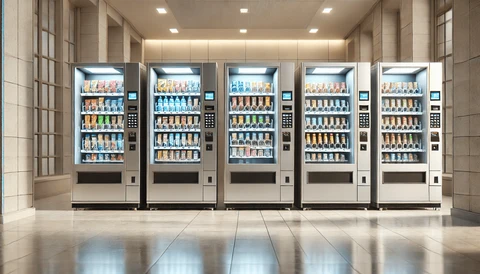
Vending machine lifespan is one of the biggest factors in how much a machine really earns. A machine that runs reliably for 12 years spreads its cost far further than one that fails after five.
This guide explains typical vending machine lifespan in the UK, what wears out first, 7 critical tips to add years to your machine, when to upgrade rather than replace, and how to dispose of an old machine properly.
Built to last
New machines with a 12-month warranty, delivered and installed free anywhere in the UK within 24 hours.
View Machines For Sale →How long does a vending machine last?
A good-quality, well-maintained machine can often keep working for 10 to 15 years or more. Some older cabinets keep going even longer with replacement parts.
But vending machine lifespan varies widely. A machine in a clean, dry office with steady use will usually outlast one outdoors in a dusty yard or one that’s moved often.
It’s also worth separating the cabinet from its parts. The steel body may last decades, while motors, compressors, screens and payment readers need replacing along the way.
10–15+
Years a quality, well-maintained vending machine can often keep working, depending on use and care
What affects vending machine lifespan?
Several factors decide how long a machine lasts. Most are within your control.
- Build quality: stronger cabinets, better compressors and quality motors last longer
- Location: indoor, dry and clean sites are kinder than outdoor or dusty ones
- Use: very busy machines wear moving parts faster
- Maintenance: regular cleaning and quick repairs add years
- Ventilation: blocked airflow strains refrigeration
- Power supply: surges and poor wiring damage electronics
- Moves: every move risks knocks, tilting and damage
Vending machine lifespan by machine type
Different machines age in different ways. Here’s what to expect from each type, as a general guide.
Snack machines
Ambient snack machines have no refrigeration, so they often enjoy the longest vending machine lifespan. Spiral motors and lighting are the main wear parts.
Drinks and combo machines
Refrigeration adds strain. With clean coils and good ventilation, vending machine lifespan can still be long, but the compressor is the part to watch.
Coffee machines
Hot drinks machines have grinders, boilers, pumps and mixers. Descaling and regular servicing are essential, especially in hard water areas.
Fresh food and ice cream machines
These run colder and work harder, so refrigeration care matters even more. Temperature alarms help catch problems early.
Outdoor machines
Weather is tough on any machine. Canopies, weatherproof models and regular checks protect vending machine lifespan outdoors.
Signs a machine is nearing the end of its lifespan
Machines rarely fail without warning. Watch for these signs that vending machine lifespan is running short:
- Frequent breakdowns, even after repairs
- Refrigeration struggling to hold temperature
- Rising electricity use compared with similar machines
- Parts becoming hard or expensive to source
- Rust, damaged cabinets or failing door seals
- Payment systems that can’t be upgraded
One or two of these don’t mean the machine is finished. Several together suggest it’s time to plan a replacement.
Get a qualified vending engineer to inspect the machine before deciding. They can tell you whether a key part, such as the compressor or control board, is worth replacing or whether the cabinet itself is past its best.
Parts that limit vending machine lifespan
Moving parts and refrigeration take the most strain. Knowing what to watch helps you plan repairs before they become breakdowns.
Spiral motors and delivery systems
Each vend turns a small motor and triggers a sensor. Over thousands of sales, motors and switches wear and can fail.
Refrigeration
Compressors, fans and condenser coils work hard, especially in warm rooms or poorly ventilated spots.
Door seals and locks
Seals harden and crack over time, letting warm air in and making cooling less efficient.
Lighting and screens
Older fluorescent tubes fail often. LED lighting lasts much longer and uses less power.
Payment systems
Payment technology can become outdated long before the machine wears out, as card standards and customer habits change.
7 critical tips to extend vending machine lifespan
Use these tips to keep your machine earning for as long as possible.
1. Clean regularly
Dust, spills and sticky residue damage parts. Clean inside and out on every visit.
2. Keep vents and coils clear
Clean condenser coils and leave a gap behind refrigerated machines for airflow.
3. Fix small faults quickly
A sticking spiral or noisy fan is cheap to fix early and costly to ignore.
4. Keep it level
An uneven machine strains doors, seals and delivery systems.
5. Protect the power supply
Use a suitable socket, avoid extension leads and consider surge protection.
6. Avoid unnecessary moves
Every move risks damage. Choose the right spot first time.
7. Upgrade, don’t just replace
New payment readers, LED lighting and telemetry can refresh an older machine.
“Most machines don’t die of old age. They die of dust, blocked vents and small faults left too long. Look after the basics and vending machine lifespan takes care of itself.”
Maintenance that extends vending machine lifespan
Regular maintenance is the single biggest factor in vending machine lifespan. A simple routine on every restocking visit keeps most problems away.
- Wipe the cabinet, glass, buttons and delivery hatch
- Clean spills inside before they become sticky
- Check spirals turn smoothly and products drop cleanly
- Listen for unusual noises from fans or compressors
- Check the temperature on refrigerated machines
- Inspect door seals for cracks or gaps
- Vacuum condenser coils every few months
Our guides to vending machine maintenance and cleaning a vending machine cover the routine in full.
Location and vending machine lifespan
Where a machine stands has a big effect on how long it lasts. Indoor, dry, clean and temperature-stable sites are ideal.
Outdoor machines face rain, frost, heat and dust. Canopies, weatherproof models and regular checks help, but expect parts to wear faster.
Dusty sites like warehouses, factories and laundrettes need more frequent coil cleaning. Hot rooms make refrigeration work harder all day.
Repair or replace: vending machine lifespan decisions
At some point every owner faces this choice. The answer depends on the machine’s condition, parts and running costs.
Repair usually makes sense when the cabinet is sound, parts are available and faults are occasional. Replacement makes more sense when breakdowns are frequent, parts are hard to find or energy use is high compared with modern machines.
Track repair costs, call-outs and lost sales from downtime every year, and compare them over time. If they approach a large share of a new machine’s price, it’s time to compare options.
Upgrades that extend vending machine lifespan
You don’t always need a new machine to modernise. Several upgrades can extend vending machine lifespan and boost sales.
- Card and phone payment: brings older machines up to date
- Telemetry: shows sales, stock and faults remotely
- LED lighting: brighter, longer-lasting and cheaper to run
- New seals and motors: restore reliability
- A fresh wrap: makes an older machine look new
With Irelley, card payments with telemetry cost £10 a month plus 2% per transaction. Our contactless vending machine guide explains how it works.
New vs refurbished vending machine lifespan
A new machine gives you the full lifespan ahead of it, the latest technology and a full warranty. A refurbished machine costs less up front but has already used some of its life.
Good refurbished machines can still last many years, especially if key parts have been replaced. Our refurbished vending machines buyer’s guide explains what to check.
Every new Irelley machine comes with a 12-month warranty covering parts and remote support, as explained on our warranty page.
End of vending machine lifespan: disposal
When a machine finally reaches the end of its life, it must be disposed of properly. Vending machines contain electronics and, in refrigerated models, refrigerant gases that need specialist handling.
Government guidance on how to dispose of business or commercial waste explains that businesses must use a registered waste carrier and complete a waste transfer note for each load that leaves their premises.
Ask your supplier or a specialist vending engineer about take-back, refurbishment or recycling options before booking a waste carrier. Some parts, like steel cabinets and working components, can be reused or recycled.
Vending machine lifespan and profit
A longer vending machine lifespan spreads the purchase cost over more years of sales. That lowers the real cost of each year of trading and lifts total profit.
For example, a machine that runs for 12 years instead of six effectively halves its yearly cost. That’s why buying quality and maintaining it pays off.
Use our vending machine profit calculator to compare options, and read how much vending machines make for realistic benchmarks.
Energy use over a vending machine lifespan
Older machines often use far more electricity than modern ones. Over a long vending machine lifespan, those extra costs add up.
Upgrading to LED lighting, better insulation or a newer machine can cut running costs significantly. Our guide to vending machine electricity costs shows how to compare.
Clean coils and good ventilation also reduce energy use, so maintenance saves money twice.
Planning vending machine lifespan for a fleet
Operators with several machines should plan replacements over time rather than all at once. Record each machine’s age, repairs and energy use.
Rotate older machines to quieter sites and put newer ones where demand is highest. This gets the most from every machine’s lifespan.
Telemetry helps by flagging machines with frequent faults or falling sales, so you can act before they cost you money.
Buying for a long vending machine lifespan
Choose well at the start and you’ll avoid many problems later. Look for these features when buying:
- Solid steel cabinet and quality locks
- Reliable, efficient refrigeration
- LED lighting
- Modern card and phone payment
- Telemetry for remote monitoring
- Clear warranty and parts support
Our guide on how to choose the right vending machine covers these features in more detail.
How restocking habits affect vending machine lifespan
The way you restock matters more than most people think. Forcing oversized products into spirals strains motors and causes jams.
Load products the right way round, use the correct spiral size and avoid overfilling. Gentle restocking protects delivery systems and extends vending machine lifespan.
Our guide on how to restock a vending machine covers good loading habits.
Security and vending machine lifespan
Vandalism and break-ins shorten vending machine lifespan fast. A forced door or smashed glass can cost more to fix than the machine is worth.
Choose secure, well-lit spots with CCTV, anchor machines firmly and go cashless to remove the cash box as a target. Our vending machine insurance guide explains the cover you’ll need.
Warranty and parts support
A warranty protects you in the early years, when manufacturing faults are most likely to show. After that, parts support becomes the key to a long vending machine lifespan.
Ask suppliers how long they can supply spare parts and whether they offer remote support. Machines with widely available parts are easier and cheaper to keep running.
Keep records of every repair and part fitted. It helps engineers diagnose faults faster and adds value if you sell the machine later.
Selling a machine before the end of its lifespan
Many operators sell machines while they still have years of life left, often when upgrading or changing sites. A well-maintained machine with service records sells for more.
Clean it thoroughly, fix minor faults and gather paperwork before selling. Buyers value machines with modern payment and a clear history.
Selling early can be smarter than running a machine until it fails, especially if newer models would earn more at the same site.
Vending machine lifespan checklist
- Clean inside and out on every visit
- Vacuum condenser coils every few months
- Keep a ventilation gap behind refrigerated machines
- Fix small faults quickly
- Keep the machine level and avoid unnecessary moves
- Upgrade payment, lighting and telemetry when needed
- Record repairs, parts and energy use
- Plan replacement before breakdowns become frequent
Follow this checklist and you’ll get the longest possible vending machine lifespan from every machine you own.
Water, scale and coffee machine lifespan
Hot drinks machines face a hidden enemy: limescale. In hard water areas, scale builds up in boilers, pipes and valves, cutting efficiency and causing breakdowns.
Fit a water filter where the machine is plumbed in, descale on schedule and follow the manufacturer’s cleaning routine. These simple steps protect vending machine lifespan for coffee machines more than any other.
Clean mixing bowls, whisks and dispensing nozzles regularly, as dried powder and milk residue cause blockages and hygiene problems.
Placement agreements and machine life
If you place machines on other people’s sites, agree who is responsible for damage, power supply and access in writing. A host who unplugs a machine overnight or blocks its vents can shorten vending machine lifespan without realising.
Explain simple dos and don’ts to the host, such as keeping the area clear and not leaning items against the machine. Our placement agreements guide explains what to include.
Moving and vending machine lifespan
Every move puts stress on a machine. Tilting can disturb refrigeration oil, knocks can crack glass and bumps can loosen wiring.
Plan placements carefully so machines stay put for years. When a move is unavoidable, empty the machine, keep refrigerated models upright where possible and let them settle before switching on.
Fewer moves mean fewer risks and a longer vending machine lifespan overall.
Machines built for a long life
Choose machines with solid cabinets, reliable refrigeration and modern payment systems. These give the best chance of a long vending machine lifespan.
Our large black combo with six shelves, white touchscreen combo and large blue cold drinks machine are built for daily commercial use.
Our take: vending machine lifespan depends far more on care than on luck. Clean regularly, keep vents clear, fix faults early and upgrade payment and lighting to keep a machine earning for well over a decade.
Common vending machine lifespan mistakes
The first mistake is skipping coil cleaning, which slowly kills compressors.
The second is ignoring small faults until they become expensive breakdowns.
The third is replacing a sound machine when a payment or lighting upgrade would do.
The fourth is placing machines in hot, cramped spots with no airflow. Heat is one of the fastest ways to shorten vending machine lifespan, especially for drinks and combo machines.
The fifth is keeping no records. Without a log of repairs, parts and energy use, it’s hard to know when a machine is costing more than it earns, or when to plan for the end of its vending machine lifespan.
The sixth is buying the cheapest machine available. Low-cost machines with weak compressors and flimsy cabinets often fail early, so the saving disappears within a few years.
Buying from Irelley
Irelley payment plans start with a 25% deposit, then up to 12 months at 0% with no credit check. Start-ups can begin from a 20% deposit.
Browse our vending machines for sale, or contact our team for advice. We deliver and install free anywhere in the UK, within 24 hours.
FAQ
Frequently asked questions
A well-maintained vending machine can often last 10 to 15 years or more. Lifespan depends on build quality, location, use, maintenance and whether parts like the compressor and payment system are kept up to date.
Moving parts and refrigeration usually wear first: spiral motors, delivery systems, door seals, lighting and compressors. Payment technology can also become outdated before the machine itself fails.
Yes. Regular cleaning, keeping vents and condenser coils clear, fixing small faults quickly, levelling the machine and upgrading payment systems all add years.
Often, if the cabinet is sound and parts are available. If repairs are frequent, energy use is high or parts are hard to find, replacing may cost less over time.
Use a registered waste carrier or the supplier’s take-back service, and keep a waste transfer note. Refrigerated machines need specialist handling.
Buy a machine built to last
New machines with a 12-month warranty, delivered and installed free anywhere in the UK.