

Garden centre vending machines: 7 critical tips, best picks
Drinks, ice cream, seeds and local produce in the places and hours the cafe can’t reach.
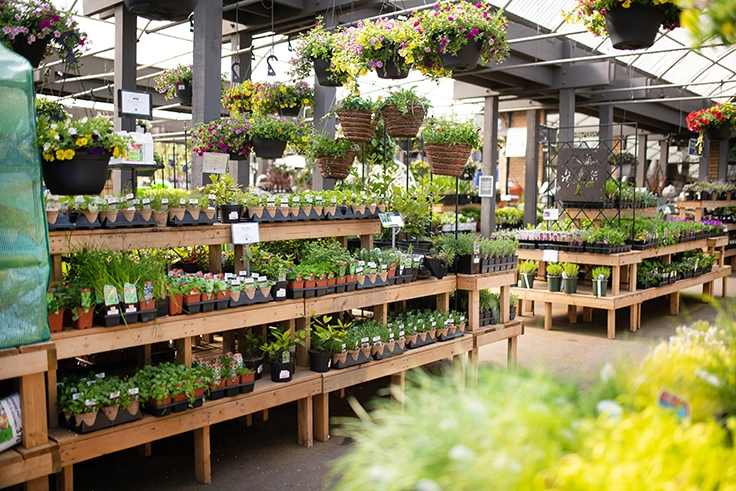
Garden centre vending serves shoppers in the far corners of big sites, the play area and the car park, where the cafe is a long walk away. It can also keep selling seeds, bird food and local eggs after the doors close.
This guide covers 7 critical tips for garden centre vending in the UK: where machines work, what to stock, after-hours sales, outdoor machines, working with the cafe, payment and the machines we recommend.
Machines for garden centres
Outdoor, fresh produce, drinks and retail machines, delivered and installed free anywhere in the UK within 24 hours.
View Machines For Sale →What is garden centre vending?
Garden centre vending means vending machines placed in garden centres, plant nurseries, farm shops with garden areas and large DIY garden departments.
Machines usually sell two types of product. The first is refreshments, like drinks, ice cream and snacks. The second is garden and local products, like seeds, bird food, gloves, eggs and honey.
Most garden centres have a cafe, so vending adds extra service points rather than replacing it. Machines work best in spots the cafe can’t reach and hours the centre isn’t open.
Why garden centre vending works
Garden centres are big sites, and many visitors happily spend hours browsing plants, gifts and furniture. Families, older shoppers and keen gardeners often stay for half a day.
Cafes get busy at lunchtime and weekends, with queues out of the door. Shoppers in the outdoor plant area or play zone don’t want to walk back and wait.
Garden centre vending catches those sales. It also serves dog walkers, early visitors and passers-by when the centre is closed.
200m
Approximate visits a year to UK garden centres, according to the HTA
How big is the garden centre vending market?
Garden centres are among the UK’s most visited retail destinations. Trade reporting on the HTA’s monthly market update says UK garden centres receive around 200 million visits per year, with garden centre cafe transactions up 19% in the month reported.
That strong cafe trade shows how much visitors want food and drink during their visit. Vending gives centres extra capacity without extra staff.
With hundreds of garden centres and nurseries across the UK, garden centre vending has plenty of room to grow.
Who uses garden centre vending?
Garden centres draw a wide mix of visitors, and each group buys differently.
- Keen gardeners: long browsing visits, especially in spring
- Families: weekend trips with play areas, pets and events
- Older shoppers: regular weekday visits and social trips
- Dog walkers: passing by early morning and evening
- Local residents: buying eggs, bird food and treats after hours
Families with young children usually buy the most drinks, snacks and ice cream, especially on warm weekends. Keen gardeners and local residents tend to buy more seeds, bird food and fresh produce.
Knowing who visits helps you plan garden centre vending stock that sells rather than sits.
Seasonal garden centre vending
Garden centres have a strong seasonal rhythm. Spring is usually the busiest time for gardening, with bedding plants, seeds and compost flying out.
Summer brings families, sunny weekends and demand for ice cream and cold drinks. Autumn brings bulbs and bird food, while Christmas brings grottos, decorations and huge crowds.
Adjust garden centre vending stock every season. Seeds and cold drinks lead in spring and summer, while hot drinks, bird food and festive treats lead in winter.
Christmas and events
Christmas is one of the biggest times of year for many garden centres. Santa’s grottos, light displays and festive markets draw families in large numbers.
Queues for grottos can be long, and cafes are often full. Garden centre vending machines near grotto queues sell hot chocolate, sweets and drinks to waiting families.
Other events, like plant fairs, Easter trails and summer festivals, create similar peaks. Ask the centre for its events calendar and stock up before each one.
7 critical tips for garden centre vending
Use these tips to set up garden centre vending that adds sales without upsetting the cafe.
1. Fill the gaps, not the cafe
Place machines in outdoor areas, play zones and the car park, away from the cafe.
2. Sell after hours
An outdoor machine at the entrance keeps selling seeds, bird food and drinks after closing.
3. Add local produce
Eggs, honey, jams and local treats fit the garden centre brand.
4. Stock for the season
Ice cream and cold drinks in summer, hot drinks and bird food in winter.
5. Use outdoor-rated machines
Outdoor plant areas and car parks need weatherproof machines or canopies.
6. Go cashless
Most shoppers pay by card or phone, especially for after-hours sales.
7. Match the centre’s look
Wraps with plants, wood tones or the centre’s branding help machines fit in.
“Shoppers at the far end of the plant area don’t want to walk back to a queue for a drink. Garden centre vending meets them where they are.”
Best locations for garden centre vending
Think about how shoppers move around the site and where the cafe can’t reach.
- Outdoor plant areas: shoppers browsing for long periods in sun or cold
- Children’s play areas: parents watching kids and wanting a drink
- Entrance and car park: after-hours sales and quick stops
- Pet and aquatics sections: treats and snacks for pets and owners
- Christmas grottos and events: seasonal crowds and long queues
- Garden building displays: large outdoor areas far from the shop
Our guide to vending machine locations explains how to judge footfall and dwell time at any site.
What to stock in garden centre vending machines
Mix refreshments with garden and local products in your garden centre vending range. Start simple and adjust after a month.
Refreshments
- Cold drinks: water, soft drinks, juice and flavoured water
- Hot drinks: coffee, tea and hot chocolate
- Ice cream: lollies, cones and tubs
- Snacks: crisps, chocolate, biscuits and cereal bars
Garden and local products
- Seeds: seasonal vegetable and flower seed packets
- Bird care: fat balls, seed mixes and suet blocks
- Garden essentials: gloves, twine, plant labels and plant food
- Local produce: free-range eggs, honey, jams and chutneys
- Pet treats: dog treats for walkers and visitors
England plans to ban high-caffeine energy drinks from all vending machines from April 2027, subject to Parliamentary approval. Tea and coffee are exempt.
After-hours garden centre vending
Most garden centres close by 5pm or 6pm, and earlier on Sundays. But dog walkers, commuters and local residents pass by every evening.
An outdoor machine at the entrance or car park keeps selling when the doors are shut. Bird food, seeds, eggs, honey and drinks all sell well after hours.
This turns garden centre vending into a 24/7 shop front. It also shows locals what the centre sells and brings them back during opening hours.
Local produce and fresh food
Many garden centres already sell local produce in their farm shop or food hall. A machine extends that range to more hours and more spots on site.
Our fresh produce vending machine keeps eggs, dairy and chilled local products at the right temperature. It suits centres with strong links to local farms.
Check labelling and food hygiene rules for chilled products. Our vending machine regulations guide covers the basics.
Machines to consider for garden centre vending
Choose reliable garden centre vending machines that suit outdoor areas and seasonal demand.
Outdoor
Our outdoor dual vending station with canopy protects machines and shoppers in plant areas and car parks.
Fresh produce
Our fresh produce vending machine sells local eggs, dairy and chilled goods.
Ice cream
Our ice cream freezer machine with custom wrap suits sunny weekends and family visits.
Garden products
Our custom retail machine sells seeds, gloves and bird food.
Drinks
Our Crane water bottle machine keeps shoppers hydrated in hot weather.
Large Garden Centre
Full Setup
- Machines: Outdoor station, ice cream, retail
- Stock: Drinks, ice cream, seeds, bird food
- Payment: Card and phone
- Placement: Plant area, play zone, entrance
- Best for: Destination garden centres
Small Nursery
After-Hours Setup
- Machines: One fresh produce or combo
- Stock: Eggs, honey, seeds, drinks
- Payment: Card, phone and coins
- Placement: Roadside entrance
- Best for: Independent nurseries
Our take: garden centre vending works best away from the cafe, in outdoor areas and at the entrance, with seasonal refreshments, local produce and garden essentials available after hours.
Working with the cafe
The cafe is usually a major income source for a garden centre. Vending should support it, not compete with it.
Focus garden centre vending on quick items in areas the cafe can’t serve, and on hours when the cafe is closed. Avoid stocking the same hot food and cakes the cafe sells.
Some centres run their own machines, stocked from the cafe’s suppliers. That keeps prices and products consistent across the site.
Pricing garden centre vending stock
Garden centre shoppers expect fair prices, especially regular visitors. Match the cafe and shop prices for the same items where possible.
As a guide, cold drinks often sell for £1.20 to £2, ice cream for £1.50 to £3, seed packets for £1.50 to £3 and a dozen local eggs for £3 to £4. Adjust to your area and suppliers.
Bundles work well for after-hours sales, such as bird food and a fat ball feeder together. Seasonal bundles, like summer seed packs or winter bird care kits, also make simple gifts for visitors who want something quick.
Is garden centre vending profitable?
Busy garden centres can deliver steady sales, especially on spring and summer weekends. After-hours sales add income the centre wouldn’t otherwise earn.
Smaller nurseries sell less, but a roadside machine with eggs and bird food can still earn well, especially in villages with few shops.
Use our vending machine profit calculator to model a site, and read how much vending machines make for realistic benchmarks.
Owner-run or operator-run?
Garden centres can buy their own machines and keep the full margin, or let an operator place machines for commission.
Owner-run machines suit centres with their own suppliers, local produce and staff to restock. Operator deals suit centres that want the service without the work.
Our guides to free vending machines for business, commission rates and placement agreements explain the options.
Security and insurance
Outdoor garden centre vending machines at closed sites need extra security. Anchor them firmly, light the area well and place them within CCTV coverage.
Going cashless removes the cash box as a target. Our vending machine insurance guide explains the cover you’ll need.
Restocking and maintenance
Outdoor machines face rain, pollen, dust and temperature swings. Clean glass, seals and hatches on every visit, and check that cooling copes in summer heat.
Our guides on how to restock a vending machine, clean a vending machine and maintain a vending machine cover the routine.
Quick start checklist
- Agree terms and placement with the garden centre
- Choose spots away from the cafe
- Add an outdoor machine for after-hours sales
- Stock seasonal drinks, ice cream and snacks
- Add seeds, bird food and local produce
- Fit card and phone payment with telemetry
- Change stock with the seasons and events
- Review sales after a month and adjust the range
Follow this checklist and your garden centre vending setup will sell from the first sunny weekend.
Garden centre vending for pets and aquatics
Many garden centres have large pet and aquatics departments. Dog owners often bring their pets along, and families visit fish and reptile sections.
A small garden centre vending machine near the pet area can sell dog treats, poo bags and water for owners. Dog-friendly centres can add a water bowl beside the machine.
Branding garden centre vending machines
Garden centres care about how their sites look. A plain machine can feel out of place among plants and garden displays.
A custom wrap with plants, wood textures or the centre’s logo helps garden centre vending machines blend in. Simple signs like “Eggs, honey and bird food, open 24/7” tell passers-by what’s available.
Running costs of garden centre vending
Chilled and frozen machines use the most power, especially outdoors in summer. Ambient machines for seeds and bird food use very little.
Our guide to vending machine electricity costs helps you estimate the bill. Build all garden centre vending costs into your prices from the start.
Listening to shoppers and staff
Garden centre staff hear what shoppers ask for every day. Ask them which items people want outside opening hours and which products never sell.
A QR code on the machine lets shoppers suggest products or report faults. Share simple sales reports with the manager every few months to keep your garden centre vending agreement strong.
Sustainability
Garden centre shoppers often care about the environment, and many centres promote peat-free compost, wildlife-friendly planting and recycling. Machines should fit that message.
Choose drinks in cans or recyclable bottles, offer recycling bins beside every machine and avoid products with lots of plastic packaging. Paper-wrapped seeds and locally sourced produce suit the setting well.
Energy-efficient machines with LED lighting and smart cooling keep power use low. Telemetry also cuts wasted restocking trips, which reduces fuel use and costs.
Accessibility
Many garden centre visitors are older or use mobility aids, prams and trolleys. Place machines on level, hard ground with step-free access and plenty of space to approach.
Choose machines with screens and payment readers at a reachable height, and keep the delivery hatch clear. Clear, large-print pricing helps everyone choose quickly.
Getting started
Independent nurseries and farm-style garden centres are often the easiest places to start. They decide quickly and value services that bring in locals after hours.
If you’re new to vending, our guide on how to start a vending machine business covers planning, budgets and choosing your first sites. Prove your results at one centre, then use them to approach larger groups.
Payment
Most shoppers pay by card or phone. Cashless payment is especially important after hours, when there are no staff to help.
With Irelley, card payments with telemetry cost £10 a month plus 2% per transaction. Our contactless vending machine guide explains how it works.
Common garden centre vending mistakes
The first mistake is placing machines next to the cafe, which competes with the centre’s own trade.
The second is ignoring after-hours sales, which can be the most valuable part of the setup.
The third is keeping the same stock all year instead of changing with the seasons.
The fourth is forgetting the car park. Many shoppers load heavy compost and plants into their cars and would happily buy a cold drink for the drive home if a machine were close by.
The fifth is poor lighting after dark. A garden centre vending machine that sits in shadow at 7pm in winter won’t be noticed, so add bright lighting and clear signs.
Buying from Irelley
Irelley payment plans start with a 25% deposit, then up to 12 months at 0% with no credit check. Start-ups can begin from a 20% deposit.
Browse our vending machines for sale, or contact our team to plan garden centre vending for your site. We deliver and install free anywhere in the UK, within 24 hours, and every machine comes with a 12-month warranty covering parts and remote support.
FAQ
Frequently asked questions
Yes. Garden centres use vending machines for drinks, snacks and ice cream away from the cafe, and for seeds, bird food, gloves and local produce outside opening hours.
Near the entrance, car park, outdoor plant areas, children’s play areas and pet or aquatics sections. An outdoor machine by the entrance can sell after closing time.
Cold drinks, water, ice cream, hot drinks, snacks, seeds, bird food, gardening gloves, plant food and local eggs or honey.
Yes. An outdoor machine at the entrance or car park can sell seeds, bird food, eggs and drinks when the centre is closed.
They shouldn’t. Place them away from the cafe and focus on quick items, outdoor areas and after-hours sales.
Sell more, even after closing
Outdoor, fresh produce, drinks and retail machines, delivered and installed free anywhere in the UK.