

Pet vending machine UK: 7 critical tips, best picks
Treats, poo bags, toys and water for dog walkers, placed where pets and owners actually go.
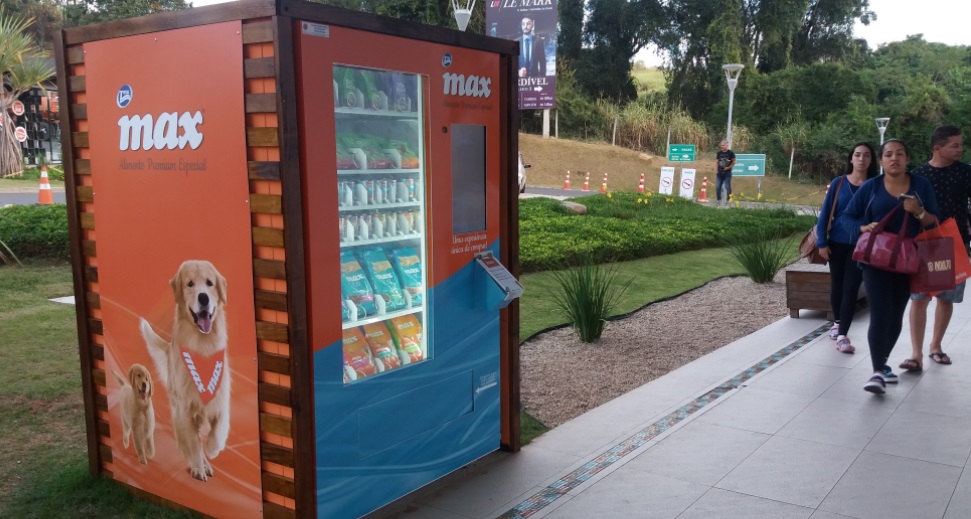
A pet vending machine serves one of the UK’s most loyal groups of customers: dog walkers. Every day, millions of people walk their dogs through parks, beaches and countryside, and many forget poo bags, run out of treats or need water for a thirsty pet.
This guide covers 7 critical tips for a pet vending machine in the UK: what to stock, the best locations, pet food rules, animal medicines, weather, payment and the best machines to consider.
Machines for pet essentials
Custom retail machines for treats, bags and toys, delivered and installed free anywhere in the UK.
View the Custom Retail Machine →Why pet vending machines work
Dog owners walk at all hours, which is why a pet vending machine works, from early mornings to late evenings, often far from pet shops. Running out of poo bags or treats halfway round a walk is a common problem.
A pet vending machine solves it on the spot. Owners can grab what they need, and venues that welcome dogs add a useful, friendly service.
Pet products also carry good, healthy margins, and dog owners tend to be loyal to places that look after their pets.
Who uses a pet vending machine?
Pet vending machine customers are mostly dog walkers: early-morning commuters, families at weekends, retirees on daily walks and holidaymakers exploring new routes. Many visit the same spots every day.
Professional dog walkers, who handle several dogs at once, often run through poo bags and treats quickly. They can become regular, high-value customers.
Cat and small-pet owners are a smaller group but may buy food or treats from machines at pet shops after hours.
Is a pet vending machine worth it?
In busy dog walking spots, a pet vending machine can sell steadily all year. Beaches, country parks and popular trails see heavy traffic at weekends and holidays.
Quieter locations may sell less, but a machine can still add value for a pet-friendly business. Combining pet items with drinks and snacks for owners often lifts sales.
Use our vending machine profit calculator to test the numbers for your site.
7 critical tips for a pet vending machine
Use these tips to set up a pet vending machine dog owners rely on.
1. Lead with poo bags and treats
These are the most forgotten and most bought items in any pet vending machine.
2. Add water
Bottled water and collapsible bowls help on hot days and long walks.
3. Choose dog walking hotspots
For a pet vending machine, parks, beaches, trails and car parks at the start of walks sell best.
4. Keep products sealed and labelled
Only sell pre-packed pet food and treats with full manufacturer labelling.
5. Be careful with animal medicines
Many flea and worming products need a vet or qualified person. Leave them out unless you’re sure.
6. Protect against the weather
Outdoor machines need shelter, a solid base and weatherproof power.
7. Go cashless
Dog walkers rarely carry cash, so a pet vending machine must be cashless. Card and phone payment are essential.
“Halfway round a muddy walk with no poo bags left, a pet vending machine at the car park is the best thing a dog owner can find.”
Choosing the right size
Pet products vary in size, from small treat packs to bulky toys and food bags. A pet vending machine with adjustable shelves or locker-style compartments handles this mix best.
Most sites need one compact machine. Busy country parks or beaches may justify a second machine selling drinks and snacks for owners.
What to stock
- Essentials: poo bags, bag dispensers and spare leads
- Treats: biscuits, chews, training treats and dental sticks
- Food: small pre-packed pouches and kibble bags
- Water: bottled water and collapsible bowls
- Toys: balls, ball launchers and tug toys
- Care: grooming wipes, towels and paw balm
- Owners: drinks, snacks and hand wipes
Treats and chews
Treats are the bestselling category for most pet machines. Small, affordable packs of biscuits, training treats and dental chews suit impulse buys on a walk.
Offer a few options for different dog sizes and dietary needs, such as grain-free or hypoallergenic treats. Clear labels help owners choose safely for dogs with allergies.
Natural chews and long-lasting treats can carry noticeably higher prices and margins.
Poo bags and hygiene
Poo bags are the single most important item in any machine near a walking route. Owners who forget them face an awkward walk, and councils often fine people who don’t clean up.
Stock rolls of compostable or biodegradable bags alongside standard ones. Some sites also sell handy bag dispensers that clip onto leads.
Hand wipes and sanitiser for owners are very useful additions.
Pet food rules
Selling pre-packed pet food and treats is generally simple. Trading standards guidance on the retail sale of pet food explains that straightforward retail is exempt from feed business registration.
Registration may be needed if you repackage, mix or rebrand products. Stick to sealed, fully labelled products from reputable suppliers to keep things simple.
Check use-by dates and storage instructions, and keep products well away from heat and damp.
Cat and small pet products
Machines at pet shops, vets and supermarkets can also serve cat, rabbit and small-pet owners. Pouches of cat food, cat treats and small bags of bedding or hay can sell after hours.
Keep the focus on quick, everyday needs rather than trying to offer a full pet shop range.
Toys and accessories
Balls lost in rivers or long grass are a classic walking problem. Tennis balls, ball launchers and tug toys sell well near open spaces and beaches.
Spare leads, collars and high-visibility jackets for dark winter walks can also earn good margins. Keep sizes simple to avoid too many slow-selling variations taking up space.
Animal medicines
Flea, tick and worming treatments are tempting to stock, but many are controlled animal medicines that must be supplied by a vet or a suitably qualified person.
Unless you’re certain a product can be sold freely, leave medicines out of your pet vending machine. Focus on treats, food, toys and accessories instead.
Seasonal patterns
Summer brings longer walks, beach trips and hot weather, so water, bowls and cooling products sell well. Winter brings muddy walks, so towels and wipes become popular.
Christmas is a strong time for pet gifts and festive treats. Adjust the pet vending machine range with the seasons to keep it fresh.
Water and hot weather
Dogs overheat easily on warm days, and many owners forget water. Bottled water and collapsible bowls from a pet vending machine can genuinely help.
On hot days, water is often the single bestseller. Keep machines well shaded so drinks stay cool.
Best locations
- Parks and country parks: busy dog walking all year
- Beaches: especially where dogs are allowed year-round
- Walking trail car parks: start and end of walks
- Pet-friendly pubs and cafés: treats and water for visiting dogs
- Vets and groomers: after-hours sales
- Pet shops: 24/7 access when the shop is closed
- Campsites and holiday parks: dog-friendly guests
Our guide to vending machine locations covers wider placement principles.
Beaches and coastal walks
Many beaches allow dogs all year or outside summer months. Owners arriving at the car park want poo bags, water and a ball for the sand.
Coastal machines face salt air, sand and wind, so choose sheltered spots and check seals often. Towels and wipes sell well when dogs come back wet and sandy.
Pet shops and vets after hours
Pet shops and veterinary practices close in the evening, but owners still run out of food and treats. A pet vending machine outside the shop or in a secure lobby serves them around the clock.
It also frees staff from small sales during busy hours. Keep the machine range aligned with the shop’s own stock and prices.
Pet-friendly pubs, cafés and hotels
Dog-friendly pubs, cafés and hotels attract owners who stay for a while. A small pet vending machine selling treats, chews and water bowls adds a welcoming touch.
It can also become part of the venue’s identity, encouraging owners to return with their dogs.
Machines to consider
Custom retail
Our custom retail machine handles bags, treats, toys and accessories of different sizes.
Outdoor stations
Our outdoor dual vending station with canopy shelters machines and owners at parks and beaches.
Water
Our Crane water bottle machine keeps owners and dogs hydrated.
Combos
Our slim snack and drink machine serves owners alongside a pet machine.
Outdoor
Walking Route Setup
- Machines: Pet essentials plus water
- Placement: Car park or trail entrance
- Payment: Card and phone
- Top sellers: Poo bags, treats and water
- Best for: Parks, beaches and trails
Business
Pet-Friendly Venue Setup
- Machines: Compact pet machine
- Placement: Entrance or shopfront
- Payment: Card and phone
- Top sellers: Treats, toys and food pouches
- Best for: Pet shops, vets and cafés
Our take: a pet vending machine works best on busy dog walking routes, stocked with poo bags, treats, water and toys, sealed and labelled, fully cashless and well sheltered.
Placement and power
Outdoor machines need a safe, weatherproof power supply installed by a qualified electrician. Car parks, visitor centres and cafés near walking routes often already have power.
Place machines on firm, level ground, away from vehicle routes. Our guide to vending machine electricity costs helps estimate running costs.
Payment
A pet vending machine should take cards and phones. With Irelley, card payments with telemetry cost £10 a month plus 2% per transaction, as our contactless vending machine guide explains.
Pricing
Dog owners compare prices with pet shops and supermarkets. Keep everyday items like poo bags and treats competitively priced in your pet vending machine.
Convenience items, such as collapsible bowls and ball launchers bought on the spot, can carry higher margins. Our guide to the best vending machine products explains how to balance a range.
Branding
A fun, pet-themed wrap makes a pet vending machine instantly recognisable. Paw prints, dog photos and bright colours work well.
Irelley’s vinyl wraps cost from £100 to £300 for a DIY kit or £350 to £950 for a full turnkey wrap, excluding VAT.
Security
An outdoor pet vending machine in a park can be a target overnight. Anchor them, light them and go cashless.
Our vending machine insurance guide explains the cover you’ll need.
Accessibility
Owners of all ages and abilities walk dogs. Place machines on firm, level ground with controls and collection trays within easy reach.
Remember that owners may be holding a lead while buying, so simple controls and quick payment make life easier.
Sustainability
Many dog owners care about the environment. Compostable poo bags, recyclable packaging and natural treats fit their values.
A bin beside the pet vending machine helps keep paths clean. Our guide to vending machine regulations covers general rules for outdoor machines.
Customer service
Display a phone number or QR code for refunds on the machine, and respond quickly. Dog walkers talk to each other, so good service spreads by word of mouth.
Ask regular walkers what they’d like to see. Their suggestions often point to the best-selling products.
Council rules on dog fouling
Many councils have rules requiring owners to clean up after their dogs, with fines for those who don’t. A pet vending machine selling poo bags near parks supports these rules and helps keep public spaces clean.
Some councils welcome machines that reduce fouling, which can help when asking for permission to install on public land.
Restocking and freshness
Treats and food have best-before dates, so rotate stock and remove anything close to expiry. Keep spare stock dry and cool.
Telemetry shows what’s selling, so you can restock popular items before they run out. Our guide on how to restock a vending machine covers rotation and planning.
Cleaning and maintenance
Outdoor machines near muddy paths need regular cleaning, inside and out. Wipe screens, buttons and collection trays often, and check seals after wet weather.
Our guides to cleaning a vending machine and vending machine maintenance set out simple routines.
Working with landowners and councils
Parks, beaches and country parks are often owned by councils, the National Trust or private estates. Agree placement, power and commission with the landowner before installing a pet vending machine.
Our guides to placement agreements and commission rates explain fair terms.
Measuring results
Card payment and telemetry show what sells and when. Compare weekends, school holidays and weather to understand demand.
Use the data to fine-tune your range and restocking. Our guide to how much vending machines make offers useful benchmarks.
Owning or using an operator
Pet shops, vets and venues can buy their own pet vending machine and keep all the profit. Landowners such as councils may prefer an operator who handles stock and servicing in return for commission.
Our guide to getting a free vending machine for your business compares the two approaches.
Growing the offer
Many operators start with one pet vending machine and expand along popular walking routes or to other parks. A consistent look and range help regular walkers recognise your machines anywhere.
Getting started
Start with one pet vending machine at a busy, popular walking spot, stocked with poo bags, treats, water and a few toys. Review sales after a few months and adjust the range.
Our payment plans let you pay a 25% deposit and spread the rest over up to 12 months at 0%, with no credit check.
Dark winter walks
In winter, many owners walk dogs before work or after dark. High-visibility collars, LED clip-on lights and reflective leads keep dogs and owners safe and sell well from October to March.
Good lighting around the machine also helps owners find it safely in the dark, and makes the area feel more secure.
Dog-friendly events
Dog shows, charity walks and pet festivals bring large crowds of owners in one place. A temporary pet vending machine at these events can sell treats, water and toys quickly.
Agree power, placement and terms with the organiser well in advance, and stock up generously.
Checklist before you install
- Landowner or venue agreement in writing
- Busy dog walking spot with safe access
- Only sealed, labelled pet food and treats
- No animal medicines unless legally allowed
- Shelter, solid base and weatherproof power
- Card payment and mobile signal tested
Ticking every box gives your pet vending machine a strong, successful start.
Professional dog walkers and groomers
Professional dog walkers often handle several dogs a day and use lots of poo bags, treats and towels. A machine on their regular routes can become a daily stop.
Groomers can place a small pet vending machine in their waiting area, selling shampoos, brushes and treats to customers collecting their dogs.
Common mistakes
The biggest pet vending machine mistake is stocking animal medicines without checking the rules.
The second is placing machines away from where dogs are actually walked.
The third is leaving machines unsheltered, which damages stock and cabinets.
The last is overstocking treats with short dates. Rotate stock in your pet vending machine and keep quantities realistic.
Buying from Irelley
Browse our vending machines for sale, or contact our team to plan a pet vending machine. We deliver and install free anywhere in the UK, within 24 hours.
Every machine comes with a 12-month warranty covering parts and remote support.
FAQ
Frequently asked questions
Dog treats, chews, pre-packed pet food, poo bags, toys, leads, collapsible water bowls, bottled water and grooming items are popular choices.
Simple retail of pre-packed pet food generally doesn’t need feed business registration, but repackaging, mixing or rebranding products can. Check the trading standards guidance.
Near parks, dog walking routes, beaches, country parks, pet-friendly pubs and cafés, vets, groomers and pet shops after hours.
Only certain animal medicines can be sold this way, and many need a vet or qualified person. Take advice before stocking any animal medicine, or leave them out.
Yes. Dog walkers rarely carry cash, and card or phone payment is now expected.
Look after every walk
Custom retail, water and outdoor machines, delivered and installed free anywhere in the UK.