

Community hall vending machines: 7 critical tips, best picks
Drinks and snacks for classes, clubs and events, with profits that help keep village, church and community halls running.
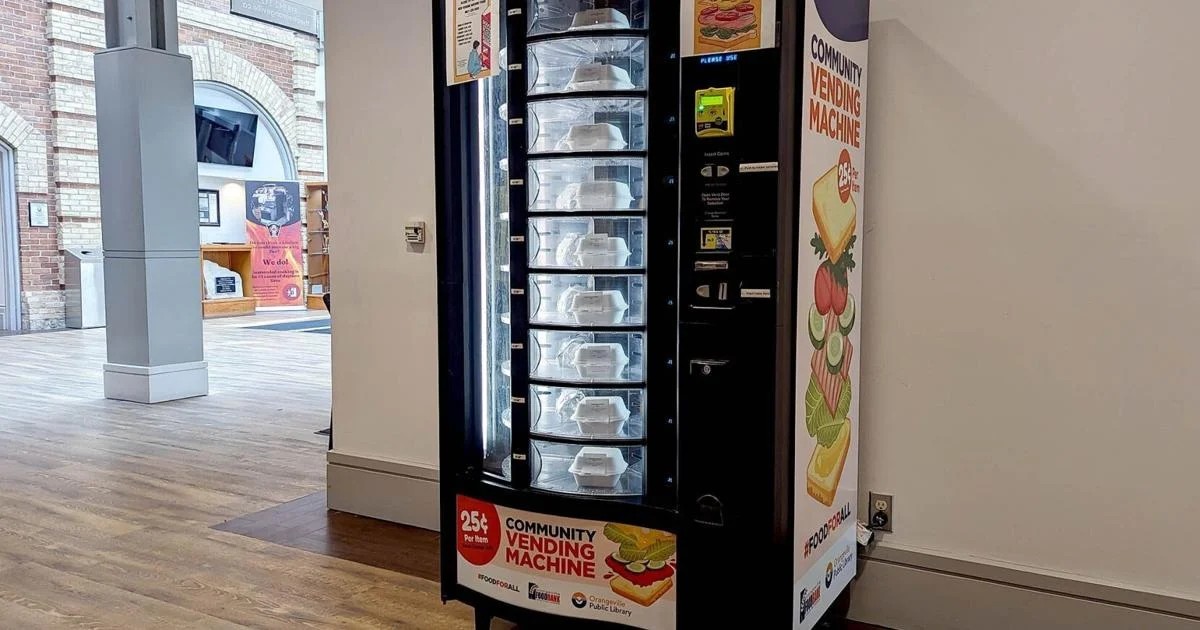
Community hall vending gives village halls, church halls and club rooms a simple way to serve users and raise funds. Classes, playgroups, parties and meetings bring people through the door, and many would happily buy a drink or snack.
This guide covers 7 critical tips for community hall vending: who uses the hall, fundraising, volunteers, food rules, payment, placement and the best machines to consider.
Machines for community spaces
Compact combo and hot drinks machines, delivered and installed free anywhere in the UK, with 0% payment plans.
See Payment Plans →Benefits for the community
Community hall vending helps hall users feel welcome. Parents at toddler groups, players after a match and visitors at meetings can all grab a drink without fuss.
It also eases the load on volunteers, who no longer need to run a tea urn for every session. That frees them to focus on running activities.
Why community hall vending works
Community halls with community hall vending host a wide mix of users: fitness classes, toddler groups, clubs, meetings, parties and events. Many have kitchens, but there isn’t always someone free to make drinks for everyone.
A vending machine serves people without needing a volunteer on hand. It can also raise money for the hall, helping with heating, repairs, insurance and improvements.
For busy halls, community hall vending becomes a small but steady source of income.
Is community hall vending worth it?
For busy halls with regular classes and bookings, community hall vending can raise useful funds. Even modest weekly sales add up over a year.
For quieter halls, the main benefit may be convenience rather than profit. A machine means hirers and visitors can always get a drink.
Check the booking calendar and estimate how many people pass through each week. Our vending machine profit calculator helps you test whether community hall vending will cover its costs.
7 critical tips for community hall vending
Use these tips to set up community hall vending that works for users and the committee.
1. Know your users
Before installing community hall vending, look at the booking calendar. Classes, clubs and events tell you who will use the machine, and when.
2. Keep the range simple
Hot drinks, water, soft drinks and a few snacks are usually enough. Long-life products suit halls that are quiet on some days of the week.
3. Choose a compact machine
Halls often have limited space for community hall vending. A slim combo or small hot drinks machine fits neatly in a foyer or kitchen area.
4. Offer coins and card
Many community hall vending users still carry coins, while younger visitors pay by card or phone. Offering both avoids lost sales.
5. Agree who’s responsible
Decide which trustee or volunteer looks after community hall vending: restocking, handling cash and reporting faults. Clear responsibility keeps the machine working and trusted.
6. Check the food rules
Groups that sell food regularly may need to register as a food business. Check the guidance carefully before you start selling.
7. Use profits for the hall
Be clear with users that profits support the hall. People are often happy to buy when they know exactly where the money goes.
“Community hall vending is fundraising that works while everyone gets on with their class, meeting or party.”
Church halls
Church halls host coffee mornings, youth groups, choirs, lunch clubs and community events. Hot drinks are often central to these gatherings.
Community hall vending can serve people outside organised refreshment times, such as during evening groups or weekday hires. Profits can support the church’s community work.
Keep the range simple and the machine discreet, so it fits the character of the building.
Village halls
Village halls are often the heart of rural communities, hosting classes, clubs, parties and parish meetings. In villages without a shop, a machine can be especially welcome.
Community hall vending in a village hall can serve both hall users and, where appropriate, local residents during open hours.
Trustees usually decide these things together, so present a clear plan covering costs, responsibilities and expected income.
Sports clubs and pavilions
Cricket, football and tennis clubs often have pavilions with limited bar or kitchen hours. Players and spectators want water, sports drinks and quick snacks.
Our Crane water bottle machine and Powerade sports drink machine suit active clubs. Community hall vending at sports clubs can be busiest on match days and weekends.
Scouts, guides and youth groups
Halls used by youth groups need a sensible, child-friendly range. Water, fruit juices and healthier snacks are a particularly good fit.
Leaders may prefer to control access during sessions. Some halls set community hall vending to free vend for group events and settle up afterwards.
Coffee mornings and social groups
Coffee mornings, lunch clubs and social groups are often the busiest regular sessions in a hall. Many already serve tea and coffee from an urn.
A hot drinks machine can take that job off volunteers’ hands, or cover times when no one is available. Some halls keep the urn for big gatherings and use the machine day to day.
Playgroups and parents
Parents at toddler groups really appreciate a coffee while children play. Child-friendly snacks and drinks are popular for the walk home.
Keep the machine out of reach of very young children, or in a foyer outside the play area, so little hands can’t press buttons unsupervised.
Community centres and charities
Larger community centres often host advice services, lunch clubs, adult classes and charity groups. Footfall can be steady through the week, making community hall vending more viable.
Charities running centres can use vending income to support their work. A clear sign explaining where profits go encourages people to buy.
Healthier and lower-cost options suit centres that serve people on tight budgets.
Machines to consider
Compact combos
Snacks and drinks in a small footprint suit most halls. Our compact white combo and slim snack and drink machine are good starting points.
Hot drinks
Tea and coffee are the heart of many community events and of community hall vending. Our Nescafé hot drinks machine serves them without a volunteer at the urn.
Healthy options
Halls used by sports clubs and fitness classes may prefer a healthier range. Our healthy vending combo supports that.
Option 1
Hall-Owned Machine
- Income: All profit to the hall
- Work: Volunteers restock and clean
- Control: Full say over range and prices
- Cost: Purchase or payment plan
- Best for: Busy halls with willing volunteers
Option 2
Operator-Run Machine
- Income: Commission to the hall
- Work: Operator handles everything
- Control: Agreed with the operator
- Cost: Usually none upfront
- Best for: Halls without volunteer time
Choosing the range
Match the range to the hall’s users. Tea, coffee and biscuits suit coffee mornings, while sports drinks and crisps suit clubs and classes.
Long-life packaged products are best for halls that are quiet on some days. They last longer and reduce waste.
Ask regular groups what they’d most like to see. Involving users makes community hall vending feel like a shared facility.
Food rules for community groups
Selling food is regulated, even for community hall vending run by volunteers. The Food Standards Agency explains when groups need to register in its guidance on providing food at community and charity events.
Pre-packed, long-life products from reputable suppliers are the simplest and safest choice. They come with proper labelling, including allergens, and need little handling.
Our guide to vending machine regulations covers the wider rules.
Placement
Place community hall vending in the foyer, entrance or near the kitchen, where every user passes. Keep it well clear of fire exits and walkways.
Check there’s a suitable socket nearby and that the floor is level. Our guide to vending machine locations covers placement principles.
Our take: community hall vending works best with a compact machine, a simple range, coins plus card and a clear volunteer rota. Every sale helps keep the hall running.
Fundraising and transparency
Many people are happy to use community hall vending when they know profits support the hall. A small sign explaining that community hall vending helps fund heating, repairs or activities can lift sales.
Keep simple records of income and costs, and report them to trustees at regular meetings. Transparency builds trust with users and the committee.
Card payment and telemetry make record keeping much easier than counting coins by hand.
Accessibility
Community halls welcome people of all ages and abilities. Choose a machine with clear displays, easy buttons and payment and collection points within wheelchair reach.
Large text and simple menus help older users and children. Community hall vending should be easy for everyone to use.
Security when the hall is empty
Halls are often locked and empty for long periods between bookings. Keep the machine inside, away from windows, and make sure the building is secure.
Empty the cash box regularly, or go mainly cashless, so there’s little worth stealing from community hall vending machines.
Pricing
Keep prices fair, clear and simple. Hall users are often local people who will notice if prices feel high, so aim for value rather than maximum margin.
Round prices can make coin payment easier, while card payment allows exact prices. Many halls price slightly below local shops to encourage use.
Review prices once a year as stock costs change, and explain any increases with a short note on the machine.
Seasonal patterns
Halls are often busier in autumn and winter, when indoor classes, clubs and events fill the calendar. Hot drinks sell noticeably more on cold, dark evenings.
Summer can bring fetes, sports seasons and holiday clubs, with more demand for cold drinks and water. Adjust community hall vending stock with the calendar.
During quiet weeks, such as over Christmas or the summer holidays, run stock down so nothing goes out of date.
Payment
For community hall vending, offer coins alongside card and phone payments. With Irelley, card payments with telemetry cost £10 a month plus 2% per transaction, as our contactless vending machine guide explains.
For private parties, some halls switch the machine to free vend and charge the hirer afterwards for what’s been taken.
A volunteer rota
Community hall vending only works if someone looks after it. Set up a simple rota for restocking, cleaning and collecting cash.
Keep stock in a locked cupboard, with a simple log of what’s added and when. Our guides to restocking a vending machine and cleaning a vending machine set out easy routines.
Remote stock alerts tell volunteers when a visit is needed, saving wasted trips.
Looking after the machine
A little regular care keeps the machine reliable for years. Wipe the front and buttons every week, check door seals and dust the vents every few months.
Report faults promptly, and keep the supplier’s contact details somewhere volunteers can find them. Our guide to vending machine maintenance covers simple checks that anyone can do.
A working, tidy machine reflects well on the hall and encourages people to keep using it.
Working with an operator
If volunteers don’t have time, a vending operator can install, stock and maintain the machine. The hall receives commission without any day-to-day work.
Agree the commission rate, range, prices and service standards in writing. Make sure the operator understands the hall’s users and any rules about which products are allowed.
Operator-run community hall vending suits busier halls, as operators look for enough sales to make regular visits worthwhile.
Insurance and trustees
Check that the hall’s insurance covers the machine, its stock and public liability. If an operator owns the machine, agree who insures what.
Trustees should approve the plan and record it in their minutes. Our vending machine insurance guide explains the main types of cover.
Running costs
Chilled machines use electricity all day and night, which comes out of the hall’s budget. Snack-only or hot drinks machines may suit quieter halls better.
Our guide to vending machine electricity costs helps you estimate running costs against expected sales.
Events and parties
Parties, fairs, quiz nights and fundraisers bring bursts of demand. Restock the machine before big events and check it carefully afterwards.
For private hires, agree in the booking terms whether the machine is available, on free vend or switched off.
Measuring success
Track sales, costs and volunteer time carefully each month. Share a short summary at trustees’ meetings.
If community hall vending is raising useful funds and users like it, consider a second machine or a wider range. If not, adjust the range, prices or position before giving up.
Sustainability
Place a recycling bin beside the machine and choose cans and recyclable packaging where possible. Energy-saving modes cut power use when the hall is empty.
Many community groups value sustainability, and a greener approach to community hall vending fits those values.
Weddings and celebrations
Many halls are hired for weddings, christenings and birthday parties. Hirers may want the machine on free vend for guests, switched off, or open as normal.
Include clear options in the hall’s booking form, and check the machine before and after each celebration.
Choosing a supplier
Pick a supplier that offers reliable machines, clear warranties and good support. Ask about delivery, installation and how quickly faults are handled.
Irelley machines come with a 12-month warranty covering parts and remote support, plus free delivery and installation anywhere in the UK.
Questions to ask before buying
- How big is the machine, and will it fit through the hall doors?
- Does it take coins as well as card and phone payments?
- What does it cost to run each month?
- Can it be set to free vend for private hires?
- What does the warranty cover?
Clear answers help trustees choose community hall vending with confidence.
Getting started
Start with one compact machine in the foyer and a clear, simple volunteer rota. Review sales and feedback after three months.
Our payment plans let you pay a 25% deposit and spread the rest over up to 12 months at 0%. If buying isn’t right, our guide to getting a free vending machine explains operator-run options.
Checklist before you start
- Trustees have agreed the plan
- A volunteer is responsible for restocking and cash
- Food rules have been checked
- Insurance covers the machine and stock
- Coins and card payment are both available
- Running costs are understood
Ticking every box sets community hall vending up for success.
Keep a copy of the checklist with the hall’s records, and review it each year at the annual meeting.
Common mistakes
The biggest community hall vending mistake is not agreeing who’s responsible. Machines left unrestocked or unrepaired quickly lose trust.
The second is stocking fresh food with short dates in a hall that’s quiet most days.
The third is ignoring running costs. Check electricity use against expected sales.
The last is forgetting to tell users the machine is there. A simple sign in the hall and a note in booking confirmations helps community hall vending get noticed.
Buying from Irelley
Browse our vending machines for sale, or contact our team to plan community hall vending. We deliver and install free anywhere in the UK, within 24 hours.
Every machine comes with a 12-month warranty covering parts and remote support.
FAQ
Frequently asked questions
They can be. A machine serves hirers, groups and visitors without volunteers, and profits can help fund the hall’s running costs.
Usually a trustee or volunteer takes responsibility for restocking and cash, or the hall uses a vending operator who handles everything in return for commission.
It depends on how often and what you sell. Groups that provide food regularly may need to register as a food business. Check the Food Standards Agency’s guidance for community groups.
Yes, usually. Many hall users, especially older visitors and children, still use coins, so offering coins alongside card payment is sensible.
Hot drinks, water, soft drinks, crisps, biscuits and chocolate are the usual best sellers, with more sales during busy events and classes.
Support your hall
Compact combo and hot drinks machines, delivered and installed free, with 0% payment plans.