

Bakery vending machine UK: 7 critical tips, best picks
How bakeries sell fresh bread, pastries and cakes after closing time, cut waste and reach new customers.
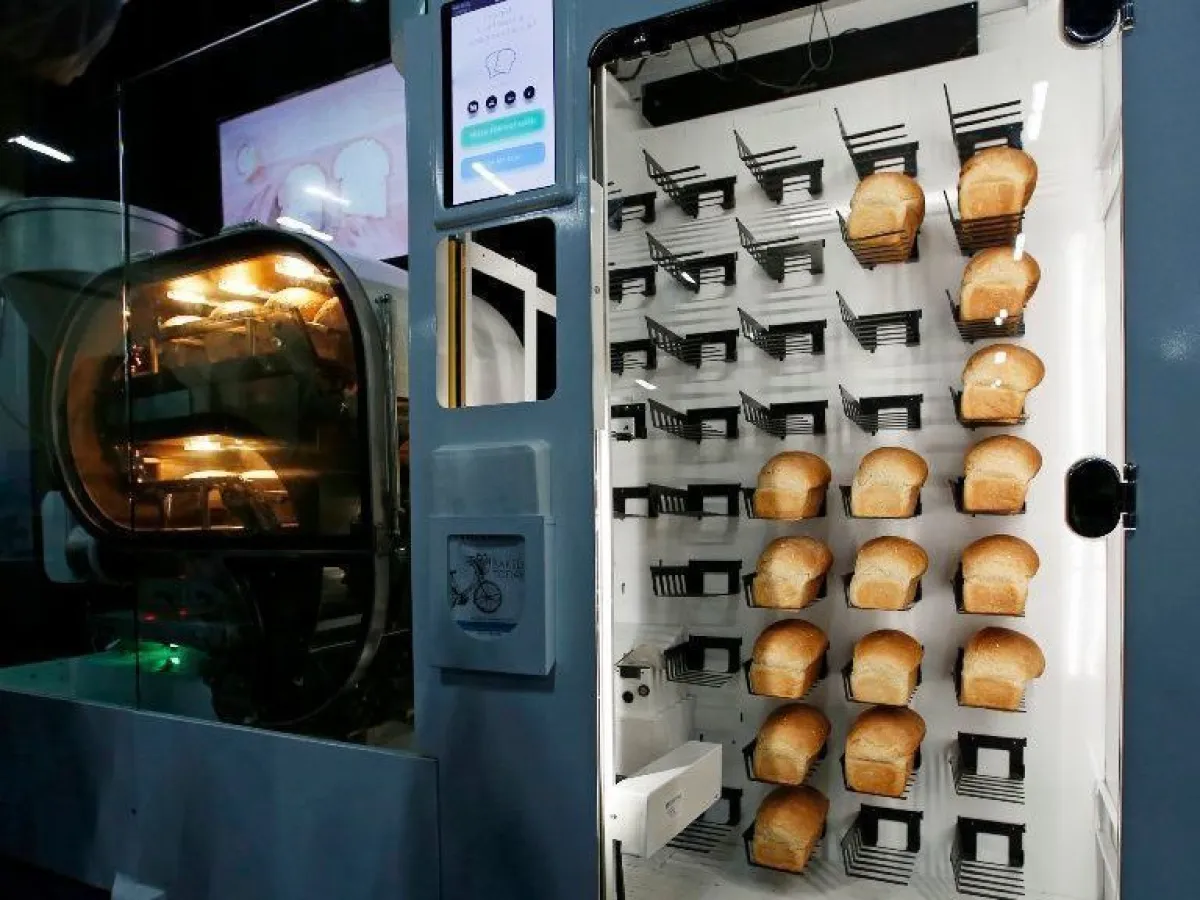
A bakery vending machine lets a bakery keep selling long after the doors close. Fresh bread for breakfast, a pastry on the way to work or a cake for an evening visit can all be bought around the clock.
This guide covers 7 critical tips for running a bakery vending machine in the UK: what to sell, freshness, chilled versus ambient machines, allergen labelling, the best sites, costs and the machines to consider.
See our bakery machine
A custom bakery vending machine with a standout design, delivered and installed free anywhere in the UK.
View the Bakery Machine →What is a bakery vending machine?
A bakery vending machine is a cabinet designed to sell baked goods. It might sit outside an independent bakery, inside a farm shop, at a station or in an office.
The idea has grown quickly in Europe and the UK, particularly in towns and villages, as bakeries look for ways to sell outside staffed hours. Customers can buy fresh bread at 6am or a cake at 10pm without anyone behind a counter.
For a bakery, it extends trading hours and reduces end-of-day waste. For customers, it means fresh baked goods whenever they want them.
7 critical tips for a bakery vending machine
Use these tips to set up a bakery vending machine that sells steadily and keeps products fresh.
1. Choose chilled or ambient
Bread, rolls and many pastries are fine at room temperature, but cream cakes, filled products and sandwiches need chilling. Match the machine to your range.
2. Restock little and often
Freshness is everything in baking, and customers notice immediately. Small, frequent restocks beat one big load that goes stale.
3. Label allergens properly
Baked goods often contain gluten, eggs, milk, nuts and sesame. Clear, accurate labels are a legal and safety essential.
4. Use protective packaging
Good packaging keeps bread fresh, stops pastries getting crushed and protects against contamination and handling. It also makes the products look appealing through the glass.
5. Place it where people pass
Outside the bakery, on a high street or near a station, a bakery vending machine catches commuters and late shoppers.
6. Go cashless
Card and phone payments suit quick morning purchases. Our contactless vending machine guide explains the options.
7. Plan for unsold stock
Decide in advance what happens to products near the end of their life. Discounts, donations or staff use all beat throwing food away.
“A bakery vending machine turns closing time into just another time to buy fresh bread.”
Is it worth it?
For many independent bakeries, a bakery vending machine pays for itself through extra hours and less waste. Evening and early-morning sales are income the shop would otherwise miss.
It also raises the bakery’s profile. A bakery vending machine on a busy street works like a 24-hour advert, reminding passers-by that fresh bread is close at hand.
For real-world comparisons, see our guide to how much vending machines make.
What to sell
The best bakery vending machine ranges are simple and focused on best sellers:
- Bread: loaves, rolls, baguettes and sourdough
- Pastries: croissants, pain au chocolat and Danish pastries
- Sweet treats: cookies, brownies, flapjacks and slices of cake
- Savoury bakes: sausage rolls, pasties and quiches
- Celebration cakes: pre-ordered cakes for collection
Collection lockers are a growing trend. Customers order a cake or bread box online, then collect it from the machine with a code.
Click and collect lockers
Some bakeries combine a bakery vending machine with pre-orders. Customers order online, pay in advance and collect from a locker or machine using a code.
This works brilliantly for celebration cakes, weekend bread boxes and large orders. The bakery bakes to order, so waste is close to zero.
Collection also suits customers who can’t get to the shop during opening hours. A bakery vending machine with a collection option serves both walk-up and pre-order buyers.
Our bakery machine
Our custom bakery vending machine has a bold, eye-catching design that makes a bakery stand out on the street. It’s ideal for independent bakeries and cafés that want a feature machine.
For chilled items, a refrigerated machine such as our fresh produce vending machine can sit alongside it. Together they cover ambient and chilled products.
Contact our team to talk through the right bakery vending machine setup for your range.
Ambient
Room Temperature
- Products: Bread, rolls and dry pastries
- Shelf life: Usually a day or two
- Power: Lower
- Setup: Simpler
- Best for: Bread-led ranges
Chilled
Refrigerated
- Products: Cream cakes, sandwiches and quiches
- Shelf life: Extended for chilled items
- Power: Higher
- Setup: Needs temperature checks
- Best for: Mixed or cake-led ranges
Customer experience
People buying from a bakery vending machine are often in a hurry, on the way to work or heading home. Make the purchase quick, with clear labels, visible prices and fast card payment.
Show what’s inside clearly through the glass. Customers buy with their eyes, especially when it comes to bread, cakes and pastries.
Display a contact number for refunds and questions. A quick, friendly response keeps customers loyal and protects your reputation.
Allergen labelling
Allergen labelling is the most important rule for any bakery vending machine. Baked goods commonly contain gluten, eggs, milk, nuts, soya and sesame.
If you bake and pack products on your own premises and sell them from your own machine there, they’re likely to count as prepacked for direct sale. The FSA’s labelling guidance for prepacked for direct sale food explains that labels need the name of the food and a full ingredients list with allergens emphasised.
If products come from a wholesaler already fully labelled, those labels usually cover you. Either way, never sell unlabelled baked goods from a machine.
Packaging that works
Packaging does a lot of work in a bakery vending machine. It protects products from crushing, keeps bread fresh for longer and carries the allergen label.
Paper bags with a clear window suit loaves and pastries, while rigid boxes protect cakes and slices. Sealed packaging also prevents contamination when customers handle products.
Choose recyclable or compostable packaging where you can. Many bakery customers care about sustainability, and good packaging reflects the quality of what’s inside.
Make sure every pack fits the machine’s delivery system. Test new packaging before a busy morning so nothing jams or gets crushed on the way out.
Freshness and shelf life
Bread and pastries are at their best on the day they’re baked. Plan restocking so the machine is full of fresh products at peak times, such as early morning and early evening.
Rotate stock carefully and remove anything past its best at every visit. A bakery vending machine with tired products damages the bakery’s reputation.
Remote stock data helps you see what sells and when. Our guide on how to restock a vending machine covers rotation and planning.
Timing your restocks
The best bakery vending machine operators restock around customer habits. An early morning load catches commuters, and an evening load serves people heading home.
Weekend patterns are often different, with more families and later breakfasts. Use sales data to adjust timings for each day of the week.
Small, well-timed loads keep the machine looking full without risking waste.
Reducing food waste
One of the biggest benefits of a bakery vending machine is less waste. Products that would have been left at closing time can still sell in the evening.
End-of-day discounts, surprise bags and donations to local charities all help with anything that remains. Many customers love a late-evening bargain.
Some bakeries also work with food-sharing apps to pass on surplus at a reduced price.
Track what’s left each day and adjust baking quantities, especially for slower days of the week. Over time, the machine helps you bake closer to real demand.
Our take: a bakery vending machine extends trading hours, cuts waste and reaches new customers. Keep the range focused, restock little and often, and get allergen labelling right every time.
Branding and design
A bakery vending machine should look as good as your shop window. Bright colours, clear product photos and your logo make it unmistakably yours.
Irelley’s vinyl wraps cost from £100 to £300 for a DIY kit or £350 to £950 for a full turnkey wrap, excluding VAT. A wrapped bakery vending machine becomes part of the shopfront.
Good lighting matters too. A softly lit display of fresh bread and pastries is hard to walk past on a dark evening.
Seasonal ranges
Rotate the range with the seasons. Hot cross buns at Easter, mince pies at Christmas and summer fruit tarts all give customers a reason to check the machine.
Seasonal products often sell at higher prices and in larger volumes. A bakery vending machine is a great way to test new lines before adding them to the shop.
Where a bakery vending machine works best
- Outside independent bakeries: sell after closing time
- Farm shops and rural areas: villages without late shops
- Stations and transport hubs: breakfast on the go
- Offices and campuses: fresh pastries and treats
- Hospitals: visitors and night staff
- Residential developments: a local bakery point for residents
Our guide to vending machine locations covers placement in more detail.
Building a local following
A bakery vending machine can become a local landmark. Regulars learn when fresh bread is loaded and plan their visits around it.
Share restock times and specials on social media or a sign on the machine. A simple message like “fresh bread loaded at 7am” builds habits.
Collect feedback too. Customers often suggest products they’d love to see, and a bakery vending machine is an easy place to test them.
Outdoor bakery machines
Many bakeries place their machine outside the shop front. That needs weather protection, a safe outdoor power supply and good security.
Shade matters, as direct sun can warm the cabinet, dry out bread and spoil products. A canopy or covered shopfront position works well.
Food safety and registration
A bakery vending machine is part of your food business, so food hygiene rules apply. If you’re already a registered bakery, tell your local authority about the machine.
Keep the cabinet clean, check temperatures for chilled items and keep records. Our guide to vending machine regulations covers the wider rules.
Operators and partnerships
Vending operators can partner with local bakeries, placing machines at stations, offices or campuses stocked with the bakery’s products. The bakery supplies, and the operator runs the machine.
Agree who handles labelling, restocking and unsold stock before you start. Our vending machine pitch guide and commission rates guide help structure the deal.
Cleaning and maintenance
Crumbs and sugar get everywhere, so clean the shelves, glass and delivery area regularly. A tidy bakery vending machine looks as fresh as the bread inside.
Check door seals and, for chilled machines, temperatures at every visit. Our guides to cleaning a vending machine and vending machine maintenance cover the routine.
Security and insurance
Outdoor machines need anchoring, good lighting and ideally CCTV. Cashless payment means there’s little worth stealing.
Insure the machine, the stock and any outdoor fittings. Our vending machine insurance guide explains what to check.
Staffing and workload
A bakery vending machine adds a small but regular task to the day. Someone needs to load it, check dates, clean it and handle any customer queries.
Most bakeries build restocking into existing shifts, such as opening and closing. With remote stock alerts, there’s no need to check the machine on a fixed schedule.
Train two or three people so the bakery vending machine is never left empty because one person is off. Clear routines keep it running smoothly every day of the week.
Pricing and margins
Baked goods usually carry good margins, especially items made in-house. Many bakeries price vending products the same as in the shop, which builds trust.
Card payment lets you set exact prices, with telemetry at £10 a month plus 2% per transaction. Our vending machine profit calculator helps you model the numbers.
Questions to ask before buying
Before choosing a bakery vending machine, ask your supplier:
- Is the cabinet ambient, chilled or split between the two?
- How are delicate products delivered without damage?
- Can it be used outdoors, and what protection does it need?
- Does it support card payment and remote stock alerts?
- Can it include collection lockers for pre-orders?
Clear answers help you choose a bakery vending machine that suits your range and your site.
Common mistakes
The biggest mistake is overloading the machine. Too much stock goes stale and becomes waste.
The second is weak labelling. Missing allergen information is a serious risk for customers and for your business.
The third is poor placement. A bakery vending machine tucked out of sight won’t catch the commuters and late shoppers who make it pay.
Getting started
Start with your best-selling products and a simple range. A bakery vending machine with eight to twelve strong lines usually performs better than one crammed with options.
Run it for a month, watch the data and adjust quantities, prices and timing. Most bakeries find the right rhythm within a few weeks.
Once it’s working, consider adding a chilled section, collection lockers or a second machine at another site.
Costs and payment plans
Check current prices on our vending machines for sale page. Our vending machine payment plans let you pay a 25% deposit and spread the rest over up to 12 months at 0% interest.
Buying from Irelley
We deliver and install free anywhere in the UK, within 24 hours. Every machine comes with a 12-month warranty covering parts and remote support, as set out in our vending machine warranty.
See how our delivery and installation works, and speak to our team about your bakery’s needs.
FAQ
Frequently asked questions
A bakery vending machine sells bread, pastries, cakes and other baked goods from a cabinet, often outside a bakery so customers can buy after closing time.
Bread, rolls, pastries, cookies, brownies, cakes, sausage rolls and sandwiches are popular. Cream cakes and filled items usually need a chilled machine.
Yes. If a bakery packs its own products on site and sells them from its own machine, the food is likely to count as prepacked for direct sale, which needs a full ingredients list with allergens emphasised.
Restock little and often, use packaging that protects freshness, chill items that need it, and remove anything past its date at every visit.
Outside bakeries and farm shops, in villages without late shops, at stations, offices and campuses, and anywhere people want fresh baked goods outside normal hours.
Fresh bakes, any hour
Bakery and chilled vending machines, delivered and installed free anywhere in the UK.