

Water vending machine UK: 7 critical tips, best picks
Bottled or refill, where water sells best, the workplace rules and how to keep a water machine earning all year.
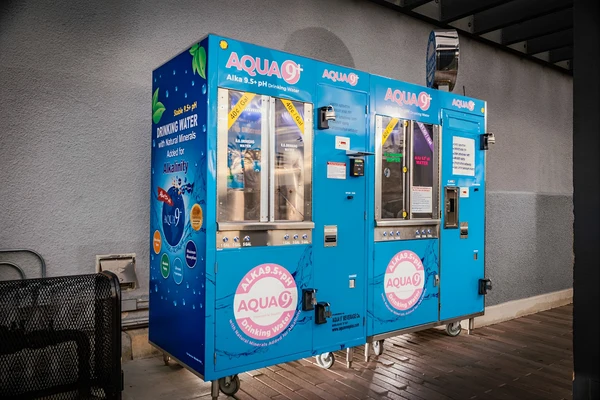
A water vending machine is one of the simplest and most reliable machines you can run. Water sells in every season, at almost every kind of site, and it suits people who want a healthy choice.
This guide covers 7 critical tips for choosing and running a water vending machine in the UK: bottled versus refill machines, the best sites, workplace rules, sustainability, pricing, power and the machines to consider.
Browse water machines
Bottled water and ice water machines, delivered and installed free anywhere in the UK.
View Machines For Sale →Types of water vending machine
There are two main kinds of water vending machine in the UK. Each suits different sites and different goals.
Bottled water machines
These sell chilled bottles or cans of water from a refrigerated cabinet. They only need a power socket, so they can go almost anywhere.
Refill machines
These dispense filtered water into the customer’s own bottle. They connect to the mains water supply and are popular where reducing plastic matters.
Some sites also use combined machines that sell water alongside other cold drinks. For many first sites, a bottled water vending machine is the simplest start.
7 critical tips for a water vending machine
Use these tips to choose and run a water vending machine that sells well and keeps customers happy.
1. Choose bottled or refill first
Bottled machines are simpler and portable, while refill machines cut plastic but need plumbing. Decide based on your site and your customers.
2. Keep it properly chilled
Cold water sells far better than warm water. Choose a machine with reliable refrigeration and check temperatures at every visit.
3. Put it where people get thirsty
Gyms, sports grounds, parks and transport hubs are natural homes for a water vending machine. Thirst drives the sale.
4. Offer a small range
Still and sparkling water, plus one or two flavoured options, cover most customers. Too many choices slow people down.
5. Go cashless
Card and phone payment make quick sales easy, especially for people mid-workout or rushing for a train. Our contactless vending machine guide explains how it works.
6. Think about sustainability
Customers increasingly care about plastic. Cans, cartons or a refill option can make a water vending machine more welcome on eco-conscious sites.
7. Know the workplace rules
Employers must provide free drinking water for staff. A water vending machine can add chilled bottled options, but it can’t replace free water.
“Water is the one product almost everyone buys, whatever their age or taste. A water vending machine in the right spot simply keeps selling.”
Best machines to consider
Irelley stocks several machines built around water.
Dasani water bottle machine
A recognisable branded machine focused on bottled water. Our Dasani water bottle vending machine suits gyms, leisure centres and public spaces.
Crane water bottle machine
Built by a long-established vending manufacturer, designed for reliable bottled water sales. Our Crane water bottle machine is a solid all-round choice.
Everest ice water machine
Combines chilled water with ice, ideal for very busy or hot sites. Our Everest ice water machine suits hotels, sports venues and summer hotspots.
Option 1
Bottled Water Machine
- Needs: Power only
- Placement: Almost anywhere
- Range: Still, sparkling and flavoured
- Plastic: Bottles, cans or cartons
- Best for: Most sites
Option 2
Refill Machine
- Needs: Power and mains water
- Placement: Fixed position
- Range: Filtered water
- Plastic: Customer’s own bottle
- Best for: Eco-focused sites
Where a water vending machine sells best
The best sites for a water vending machine combine thirst, footfall and few alternatives.
- Gyms and leisure centres: steady demand from every session
- Sports grounds and parks: big summer peaks
- Transport hubs: travellers buying on the move
- Campsites and holiday parks: visitors without a shop nearby
- Events and venues: crowds in warm weather
- Hospitals: visitors and staff around the clock
Our guide to vending machine locations in the UK covers placement more broadly.
Workplace rules on drinking water
In UK workplaces, employers must provide an adequate supply of free, wholesome drinking water for staff. That’s a legal duty, and a vending machine can’t replace it.
A water vending machine can still be useful at work. It can offer chilled, sparkling or flavoured options as an extra, alongside free water from taps or coolers.
On construction sites, welfare rules also require free drinking water. Make sure any water vending machine is an addition, never a substitute.
Health and hydration
Water is the healthiest drink a machine can sell, and that makes it popular with venues that promote wellbeing. Schools, hospitals and gyms often favour a water vending machine over sugary drinks.
Healthy options can also help with venue policies and contracts. Many organisations now prefer vending ranges that support hydration and lower sugar intake.
A simple message on the machine, such as a reminder to stay hydrated, can lift sales on hot days. Keep it friendly and avoid medical claims.
Sustainability and plastic
Single-use plastic is a real concern for many customers and venues. A water vending machine can address that in several ways.
Cans and cartons are increasingly popular alternatives to plastic bottles. Refill machines go further still, letting people top up their own bottle, as promoted by the national Refill campaign.
A recycling point beside the machine also helps. Venues with sustainability targets often welcome a water vending machine that supports them.
Refill machines: what to know
A refill water vending machine connects to the mains supply and usually filters and chills the water. Installation must follow UK water fittings regulations to protect the public supply.
Filters need changing on schedule, and the dispensing area must be cleaned regularly. Hygiene matters even more when customers use their own bottles.
Refill machines often charge a small fee per fill, or are offered free as a service. Decide whether yours is a profit centre or a public amenity before you choose a model.
Some councils and venues fund free refill points as part of plastic-reduction plans, which can make a paid refill machine harder to justify in those locations. Check what’s already nearby before you install one, and position your machine where it adds something new.
Our take: for most sites, a chilled bottled water vending machine is the simplest, most reliable choice. Add a refill option where reducing plastic matters to your customers or venue.
Is it profitable?
A water vending machine can be one of the most dependable earners on a route. Low product costs, steady demand and simple restocking all help.
Profit depends on footfall and pricing more than anything. A water vending machine in a busy gym or station can outperform a fancier machine in a quiet office.
For real-world figures, see our guide to how much vending machines make.
Choosing the right size
Size your water vending machine to your busiest day, not your average one. Running out on a hot Saturday costs far more than carrying a little extra capacity.
A compact machine suits small gyms, offices and waiting rooms. Busy stations, leisure centres and event sites need larger cabinets with more columns of the best sellers.
Remote stock data helps you check whether the size is right. If a machine regularly sells out between visits, it’s too small or needs restocking more often.
Pricing and margins
Bottled water usually has a low product cost, which gives a water vending machine healthy margins. Customers expect to pay a convenience premium, especially at gyms, events and stations.
Price below nearby shops and cafés where you can, and keep pricing simple. Card payment lets you set exact prices, and our vending machine profit calculator helps you model margins.
Remember that bottled water is standard-rated for VAT, so if you’re VAT-registered, part of every sale goes to HMRC.
Events and festivals
Outdoor events, festivals and sports days create huge short bursts of demand for water. A water vending machine can take pressure off bars and catering queues.
Plan power, shade and restocking carefully, because a water vending machine selling out on a hot afternoon is common. Many organisers also provide free water points for safety, with vending as an extra.
Seasonal demand
A water vending machine sells all year, but summer brings big peaks, especially outdoors. Restock before heatwaves and check chilling is keeping up.
Indoor gyms and leisure centres give steady demand through the winter. Pairing indoor and outdoor sites keeps a route earning evenly.
Spring and autumn sports seasons bring their own peaks too. Football pitches, running tracks and outdoor classes all drive water sales on match and event days, so check fixture lists and plan restocking around them.
Outdoor placement and security
Outdoor sites such as parks and campsites need weather protection and shade. Direct sun makes the cooling work harder and raises running costs.
A covered setup like our outdoor dual vending station protects both machine and customer. Anchor the machine, light the area and go cashless to reduce theft risk.
Pairing water with other drinks
On many sites, water sells best alongside other options. A combo machine such as our healthy vending combo offers water, healthier drinks and snacks in one cabinet.
Where space allows, a dedicated water vending machine next to a snack or coffee machine gives customers a complete choice and keeps water fully stocked.
Power and running costs
Chilled water machines use more power than snack machines, because the refrigeration runs continuously. Modern models with LED lighting and good insulation keep costs down.
Our guide to vending machine electricity costs explains how to estimate your bill. Card payments add telemetry at £10 a month plus 2% per transaction.
Restocking and rotation
Bottled water keeps well, but stock still needs rotating. Load new stock at the back and move older bottles forward so nothing sits for months.
Cold recovery matters after restocking. Freshly loaded warm bottles take time to chill, so restock before peak times rather than during them.
Our guide on how to restock a vending machine covers planning and rotation for every machine type.
Rules, labelling and insurance
Bottled water must be properly labelled, and you should buy from reputable suppliers. Anyone selling food or drink through vending should also register with the local council as a food business.
Refill machines must meet UK water fittings regulations, and filters must be maintained. Our guide to vending machine regulations covers the wider rules.
Insure the machine against theft, damage and stock loss, especially outdoors. Our vending machine insurance guide explains what to look for.
Maintenance and hygiene
Wipe the front, keypad and delivery area regularly, and check door seals for wear. A water vending machine is a health-focused product, so it should always look spotless.
For refill machines, change filters on time and sanitise the dispensing area as the manufacturer recommends. Our guides to vending machine maintenance and cleaning a vending machine cover the routine.
Branded or unbranded?
A branded water vending machine, such as one in a well-known water brand’s colours, is instantly recognisable. People spot it from a distance and know exactly what’s inside.
An unbranded or custom-wrapped machine gives you freedom over the range and the look. Many venues prefer a wrap that matches their own branding.
Irelley’s vinyl wraps cost from £100 to £300 for a DIY kit or £350 to £950 for a full turnkey wrap, excluding VAT.
Who buys these machines?
Venue owners buy a water vending machine to offer a healthy option and earn extra income. Gyms, leisure centres and attractions are typical buyers.
Vending operators place them across many sites, often alongside snack or combo machines. If you’re approaching venues, our vending machine pitch guide has a script you can adapt.
Some sites prefer free placement instead of buying. Our guide to getting a free vending machine for your business explains how that works.
Questions to ask before buying
Before choosing a water vending machine, ask your supplier:
- How cold does the machine keep bottles, and how quickly does it recover after restocking?
- What does it cost to run per month at my site?
- Does it support card payment and remote stock alerts?
- Can it take cans and cartons as well as bottles?
- Is it suitable for outdoor or semi-outdoor use?
Clear answers help you choose a machine that fits your site and your customers.
Common mistakes
The most common mistake is poor chilling. A water vending machine selling warm bottles on a hot day disappoints customers and loses repeat sales.
The second is a cluttered range. Too many similar products confuse buyers and slow down a quick, simple purchase.
The third is ignoring plastic concerns. Venues with sustainability goals may say no to a bottled-only machine that a can or refill option would have won.
The last is treating a water vending machine as a replacement for free drinking water at work. That breaches workplace welfare rules.
Getting the most from your machine
Small details add up. Keep the front of the water vending machine clean, the lights working and the price labels clear, so customers trust it at a glance.
Review sales every few weeks and adjust the mix. If sparkling water barely moves, give its column to still water or a popular flavoured option.
Listen to the venue too. Staff often know when demand spikes, from match days to school holidays, and that knowledge helps you restock at the right time.
Finally, think long term. A well-placed water vending machine can earn steadily for years, so investing in a reliable, efficient model usually pays off.
Costs and payment plans
Check current prices on our vending machines for sale page. Our vending machine payment plans let you pay a 25% deposit and spread the rest over up to 12 months at 0% interest.
Buying from Irelley
Contact our team to talk through a water vending machine for your site. We deliver and install free anywhere in the UK, within 24 hours.
Every machine comes with a 12-month warranty covering parts and remote support. See our warranty and delivery and installation pages for details.
FAQ
Frequently asked questions
A water vending machine sells drinking water, either as chilled bottles or cans, or by refilling a customer’s own bottle from a filtered, plumbed-in supply.
No. UK workplace rules require employers to provide free drinking water for staff. A water vending machine can add chilled bottled options but can’t replace that duty.
Gyms, leisure centres, parks, transport hubs, campsites, events and busy public spaces, especially in warm weather.
Bottled water usually has a low product cost and steady demand, which can make a water vending machine a reliable earner, especially in summer.
Most refill machines connect to the mains water supply and need fittings that comply with UK water regulations. Bottled water machines only need power.
Keep customers hydrated
Bottled water and ice water machines, delivered and installed free anywhere in the UK.