

Egg vending machine for sale: 7 proven tips for easy profit
Sell fresh eggs 24/7 from the farm gate, with UK costs, machine types, egg rules and the best spots for a machine.
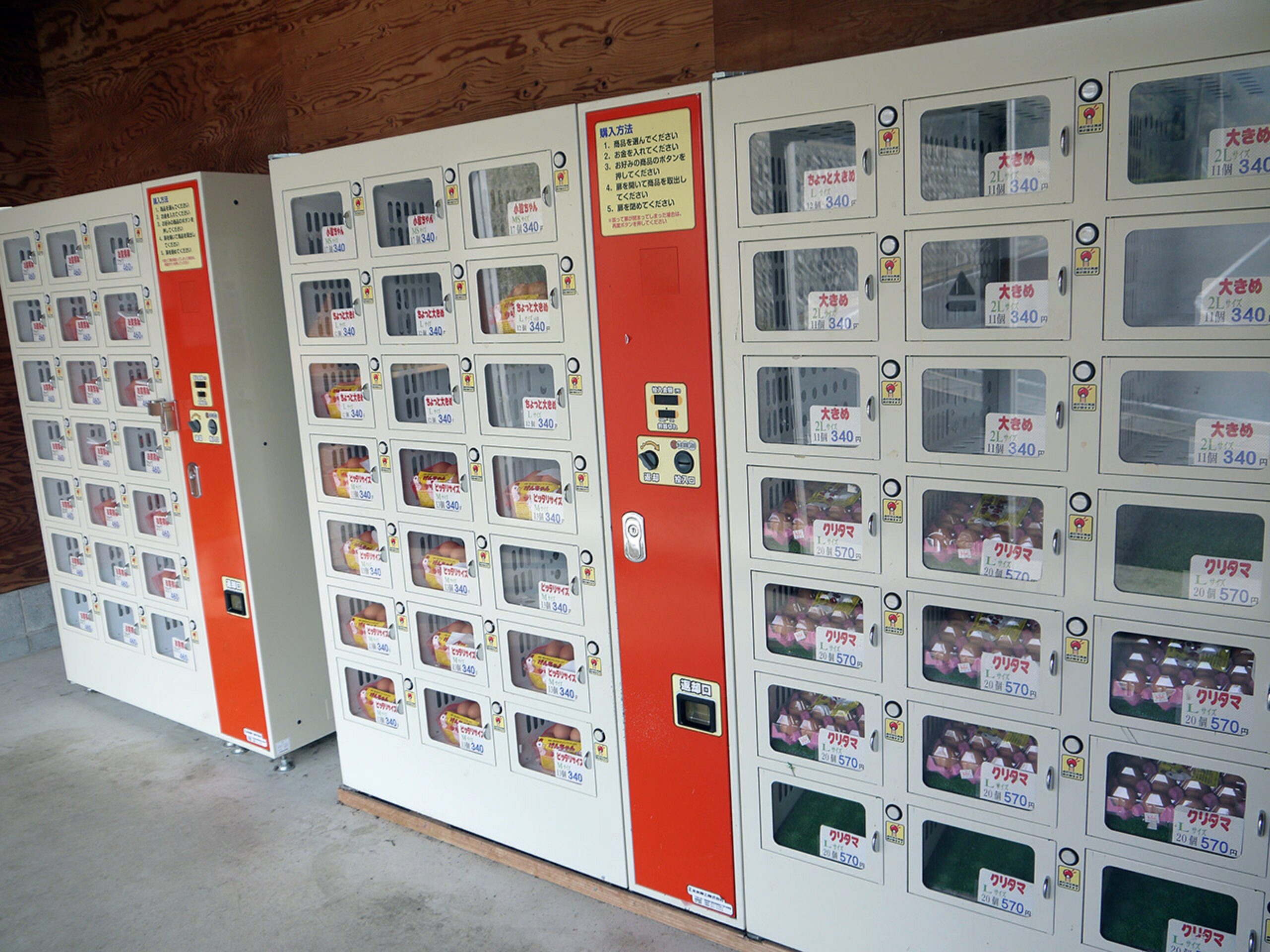
An egg vending machine lets you sell fresh eggs 24 hours a day without anyone staffing the farm gate. Customers pull in, pay by card or coin and collect a box of eggs, even when you are busy or the farm shop is closed.
This guide is for anyone looking at an egg vending machine for sale in the UK. It covers the main machine types, what they cost, the egg rules you need to know, chilling, the best places to put a machine and how to keep it earning.
Quick answer: an egg vending machine sells boxed eggs from lockers, a carousel or spirals, usually with card payment. Irelley machines cost from £695 to £4,495 with free UK delivery and installation. Before you start, check GOV.UK egg marketing standards: direct sales from your own farm don’t need stamped eggs, but registration rules depend on flock size.
Looking for a machine for farm produce?
Chilled and specialist machines, delivered and installed free anywhere in the UK, usually within 24 hours.
View Machines For Sale →What is an egg vending machine?
An egg vending machine is a self-service machine that sells boxes of eggs. It replaces the traditional honesty box with a secure machine that takes payment before releasing the eggs.
They are popular with poultry keepers, small farms and farm shops across the UK. Many sellers stock other produce alongside eggs, such as honey, jam, vegetables or bread.
Compared with an honesty box, a machine protects your takings and your stock. It also lets customers pay by card, which matters now that fewer people carry cash.
Egg vending machine vs honesty box
Many egg sellers start with an honesty box and move to a machine as sales grow. Here is how the two compare:
Low cost
Honesty Box
- Cost: very low to set up
- Payment: usually cash only
- Security: relies on trust
- Losses: missing cash and eggs are common
- Best for: very small sales
Secure
Egg Vending Machine
- Cost: higher upfront
- Payment: card, phone and often coins
- Security: eggs released only after payment
- Losses: much lower
- Best for: regular, growing sales
If you are losing money or eggs from an honesty box, or customers keep asking to pay by card, a machine is usually worth it.
Types of egg vending machine
There are several designs. The right one depends on how many eggs you sell, where the machine will stand and what else you want to sell.
Locker machines
Locker machines have a grid of small doors, each holding a box of eggs or another product. The customer pays and the chosen door unlocks.
They are simple, reliable and flexible. You can mix eggs with honey, jam or vegetables in different lockers.
Carousel machines
A carousel machine rotates shelves behind a single door. The customer pays, the carousel turns to their choice and the door opens.
Carousels hold a lot of stock in a small footprint, which suits busy roadside sites.
Chilled spiral or lift machines
Some sellers use a chilled vending machine with spirals or a lift system. A lift lowers the box gently, which protects the eggs from a drop.
This type suits sites that also sell drinks or chilled produce. Our fresh produce vending machine is one option, and our team can advise whether it suits your eggs and setup.
Custom and branded machines
A custom retail machine with your farm’s branding makes the egg vending machine stand out from the road. A vinyl wrap with your name and logo helps build a local following.
Egg vending machine for sale: UK costs
The price of an egg vending machine depends on its size, design, chilling, weatherproofing and payment system. Machines in our range cost from £695 to £4,495.
| Cost | What to budget |
|---|---|
| Machine | £695–£4,495 (Irelley range) |
| Delivery and installation | Free anywhere in the UK |
| Card payment with telemetry | £10 a month + 2% per transaction |
| Shelter or canopy | If the machine stands outside |
| Egg boxes and labels | Ongoing, per box sold |
| Insurance | Machine and public liability cover |
You don’t have to pay all at once. Our vending machine payment plans start with a 25% deposit, then spread the balance over up to 12 months at 0%, with no credit check. Start-ups can ask about a 20% deposit.
Custom vinyl wraps are also available, from £100–£300 for a DIY kit or £350–£950 for a full turnkey wrap (ex VAT).
Egg rules: what you need to know
Selling eggs is covered by egg marketing rules, and what applies depends on how many hens you keep and how you sell. The GOV.UK egg marketing standards guidance sets out the details. These are the key points it covers:
- Stamping: you don’t need to stamp a producer code on eggs you sell directly to consumers, for their own use, from your own farm or door to door in your local area.
- Local markets: producers with fewer than 50 birds selling at a local public market are also exempt from stamping, but must show their name, address, a best-before date and chilling advice.
- Best-before date: a maximum of 28 days from the date of lay, with advice to keep eggs chilled after purchase.
- Egg production site registration: needed if you have 350 or more hens, have 50 or more hens and sell ungraded eggs at a local public market, or send eggs to a registered packing centre.
- Poultry registration: if you keep 50 or more poultry of any mix, you must register them with APHA. Below 50 birds, you are encouraged to register.
- Salmonella testing: required above 350 laying hens, with exemptions for smaller flocks supplying consumers directly or through local retailers.
The guidance doesn’t mention vending machines specifically. If your egg vending machine is away from your own farm, or you sell other people’s eggs, check with APHA or your local trading standards team which rules apply.
Good practice: even where labelling isn’t strictly required, show your farm name, a best-before date and “keep eggs chilled after purchase” on every box. It builds trust and makes returning customers more likely.
Keeping eggs fresh in an egg vending machine
Eggs keep best at a cool, steady temperature, away from direct sunlight and heat. Big swings in temperature can cause condensation on the shell, which isn’t good for quality.
- Shade the machine: place it under a canopy or in a shelter, out of direct sun.
- Consider chilling: a temperature-controlled machine helps in summer and keeps quality consistent.
- Rotate stock: put the newest eggs at the back so older boxes sell first.
- Remove old stock: take out any box near its best-before date.
- Keep it clean: wipe lockers or shelves regularly and remove any broken eggs straight away.
Our guide on how to clean a vending machine covers a simple cleaning routine.
Best places to put an egg vending machine
Location makes or breaks an egg vending machine. The best spots are visible, safe to stop at and close to regular traffic.
- Farm gate: the classic spot, ideally with a safe pull-in for cars.
- Roadside lay-by or entrance: visible to passing traffic on a commuter route.
- Farm shop entrance: keeps sales going after the shop closes.
- Village centre: near a pub, church or village hall with permission.
- Garden centres and nurseries: customers already in a shopping mood.
Make sure customers can park safely without blocking the road. Good lighting helps evening sales, and a clear sign tells drivers what you sell before they pass.
If the machine will stand outside, read our guide to outdoor vending machines for weatherproofing and security tips. A covered outdoor vending station with canopy shows the kind of shelter that works well.
Setting up an egg vending machine step by step
Getting an egg vending machine up and running is straightforward if you plan it in order.
- Check the rules: read the egg marketing standards and register your poultry with APHA if you keep 50 or more birds.
- Choose the spot: pick a visible, safe place with parking, and check whether you need permission from a landowner or the council.
- Plan power and shelter: most machines need a power supply, and an outdoor egg vending machine needs shade and protection from rain.
- Choose the machine: match capacity to your daily laying rate and decide whether you want to sell other produce too.
- Set up card payment: make sure the egg vending machine takes contactless cards from day one.
- Prepare your boxes: add your farm name, best-before date and chilling advice.
- Add a sign: a clear roadside sign tells drivers there’s an egg vending machine ahead.
- Launch and review: tell local groups and social media, then check sales after the first few weeks.
Egg vending machine for small flocks vs larger farms
The right egg vending machine depends on how many eggs you produce each day.
A small flock producing a few dozen eggs a day suits a compact locker machine with room for some other products. Restocking once a day is usually enough.
A larger farm with hundreds of hens may need a high-capacity carousel or several machines, plus chilling to keep stock fresh between visits. Remember that registration and testing rules change as your flock grows past 350 hens.
Selling more than eggs
An egg vending machine is a great way to start, but many sellers soon add other products. Extra items lift the average sale and give customers more reasons to stop.
- Honey and jam: long shelf life and good margins.
- Seasonal vegetables: potatoes, carrots and salad in summer.
- Bread and cakes: pairs well with eggs for breakfast buyers.
- Flowers and plants: popular at weekends and holidays.
Check any extra food rules for the products you add, especially chilled items such as milk, cheese or meat.
How much can an egg vending machine make?
What an egg vending machine earns depends on your location, prices and how many eggs your hens produce. A busy roadside site sells far more than a quiet lane.
As a simple example, selling 15 boxes of six a day at £2.50 brings in about £1,125 a month. Take off feed and flock costs, boxes, card fees and machine costs to see your real profit.
Adding other products lifts the average sale. Honey, jam, bread, seasonal vegetables and flowers all sell well next to eggs. For more on the numbers, try our vending machine profit calculator.
Pricing eggs in an egg vending machine
Customers using an egg vending machine expect farm gate eggs to be fresher than supermarket eggs, and many will pay a little more for them. Price with that in mind rather than trying to match the cheapest supermarket box.
- Offer choice: boxes of six and twelve suit different customers.
- Price for card: with card payment you can use any price, not just round coin amounts.
- Show what’s special: free range, the breed or the farm name helps justify your price.
- Review seasonally: adjust prices if feed costs change or laying slows in winter.
Card payment and telemetry for egg sellers
Many customers no longer carry cash, so card payment is essential on an egg vending machine. Contactless cards, Apple Pay and Google Pay all speed up the sale.
With Irelley, card payment with telemetry costs £10 a month plus 2% per transaction. Telemetry shows what has sold on your phone, so you know when to restock without walking down to the gate.
Our contactless vending machine guide and vending machine telemetry guide explain how both work.
Security for an egg vending machine
An egg vending machine is far more secure than an honesty box, but roadside sites still need care. A few simple steps reduce the risk of damage or theft.
- Bolt it down: fix the machine to a solid base or wall.
- Go cashless: a machine with little or no cash inside is a less attractive target.
- Light the area: good lighting deters vandalism at night.
- Use a camera: a visible camera can put off would-be thieves.
- Insure it: make sure the machine and stock are covered.
Winter and seasonal changes
Hens lay fewer eggs in the darker winter months, so supply often drops just as demand stays steady. Plan for this so your egg vending machine doesn’t sit empty.
Reduce the number of boxes on offer rather than leaving gaps, and let regular customers know on your sign or social media. Use the quieter months to service the machine, clean it thoroughly and check the shelter before spring.
In summer, heat is the bigger risk. Check temperatures more often and restock little and often on hot days.
7 tips for a profitable egg vending machine
- Pick a visible spot: passing traffic and safe parking matter more than anything else.
- Keep it stocked: an empty machine teaches customers not to stop.
- Take cards: don’t lose sales to customers without cash.
- Label every box: farm name, best-before date and chilling advice build trust.
- Add other products: honey, jam and veg lift the average sale.
- Use a sign: tell drivers what you sell before they pass.
- Track sales: use telemetry to plan collection and laying around demand.
Common egg vending machine mistakes
Ignoring the weather
A machine in full sun can overheat eggs, while one exposed to rain can fail. Shelter and shade protect both the machine and the stock.
Running out of eggs
Customers who find an empty egg vending machine may not come back. Watch stock levels and keep a few spare boxes ready.
Skipping the rules
Check egg marketing standards and poultry registration before you start. It is quick, and it avoids problems later.
Choosing a machine that’s too small
If you sell out every morning, your egg vending machine is too small. Match capacity to your daily sales and laying rate.
Buying an egg vending machine from Irelley
Browse our vending machines for sale, then contact our team with details of your site, flock size and what you want to sell. We’ll help you choose the right machine.
We deliver and install free anywhere in the UK, usually within 24 hours. Every machine comes with a 12-month warranty covering parts and remote support, as set out in our vending machine warranty. See how our delivery and installation works.
FAQ
Frequently asked questions
Prices depend on size, chilling and payment options. Irelley machines range from £695 to £4,495, with free UK delivery and installation, and payment plans start from a 25% deposit.
There is no specific vending licence. Check GOV.UK egg marketing standards: producers selling directly to consumers from their own farm don’t need to stamp eggs, and egg production site registration applies from 350 hens or in certain other cases. Register poultry with APHA if you keep 50 or more birds.
Eggs should be kept cool and at a steady temperature, away from sunlight and heat. A chilled or temperature-controlled machine helps protect quality, and customers should be advised to keep eggs chilled after purchase.
GOV.UK guidance on egg marketing standards gives a maximum best-before date of 28 days from the date of lay for eggs sold at local public markets. Many farm gate sellers use the same rule as good practice.
Yes. Most modern machines take contactless cards and mobile wallets. With Irelley, card payment with telemetry costs £10 a month plus 2% per transaction.
At the farm gate or a roadside lay-by with safe parking, a farm shop entrance, a village centre or a garden centre. Visibility from the road and easy parking matter most.
For regular sales, yes. An egg vending machine only releases eggs after payment and takes cards, so you lose far less money and stock than with an honesty box.
Yes, if it is designed or sheltered for outdoor use. Place it under a canopy, out of direct sun and rain, bolt it down securely and make sure it has a safe power supply.
It depends on the design. Locker and carousel machines hold a set number of boxes, usually from a few dozen to over a hundred, so match capacity to how many eggs you sell between visits.
Sell your eggs around the clock
Chilled and specialist machines, delivered and installed free anywhere in the UK.