

Tech vending machine: 7 critical tips, best picks
Chargers, cables and power banks for people caught short, with safety rules, locations and machines explained.
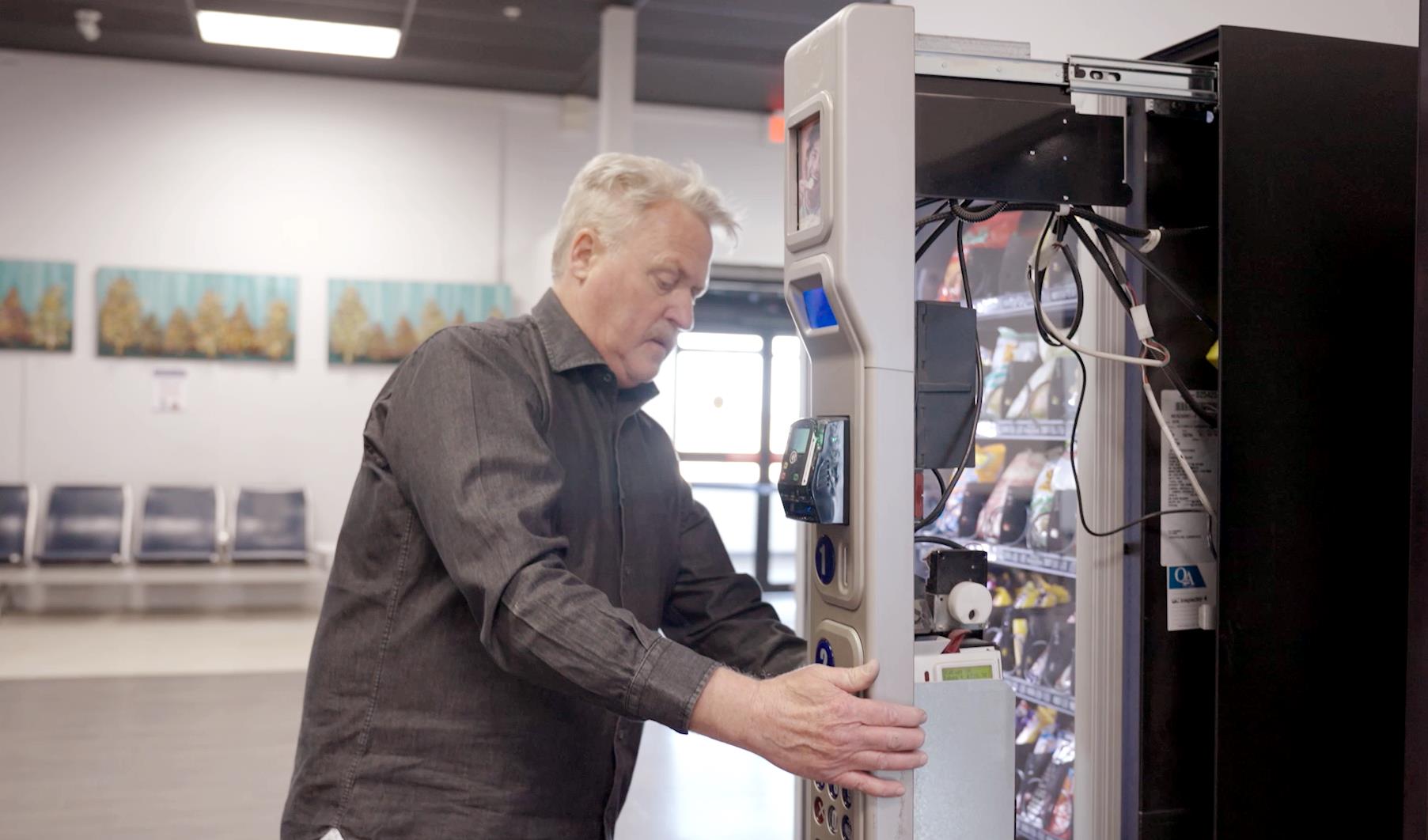
A tech vending machine sells the small electronics people need right now: phone chargers, cables, power banks, earphones and travel adapters. When someone’s phone is on 3% and their charger is at home, a machine nearby turns a stressful moment into a quick, high-value sale.
This guide covers 7 critical tips for running a tech vending machine in the UK, including what to stock, product safety rules, the best locations, pricing, payment, security and the machines we recommend.
Machines for tech and accessories
Glass-fronted retail and combo machines, delivered and installed free anywhere in the UK within 24 hours.
View Machines For Sale →What is a tech vending machine?
A tech vending machine is a retail vending machine stocked with electronics and accessories rather than food and drink. It usually has a glass front so buyers can see the packaging clearly before they pay.
Most use spirals or a lift system to deliver boxed items safely. A lift is better for heavier or fragile products, as items aren’t dropped into the collection tray.
Some operators run a dedicated tech vending machine. Others add a row of chargers and cables to an existing snack and drink machine in a busy spot.
Why a tech vending machine works
Phones run everything now: tickets, boarding passes, banking, maps and work. A flat battery isn’t a minor annoyance, so people will pay a fair price to fix it fast.
That urgency is what makes a tech vending machine different from a snack machine. Buyers rarely shop around when they need a cable before their train leaves.
Higher prices also mean each sale earns more. A single £15 charger can earn more profit than a dozen chocolate bars.
Is a tech vending machine profitable?
A tech vending machine can be profitable, but it works differently from food vending. You’ll make fewer sales, with more profit on each one.
Stock also costs more up front, and slow sellers tie up cash. That makes product choice and location even more important than with snacks.
Use our vending machine profit calculator to model the numbers, and read our guide to how much vending machines make for realistic benchmarks.
£15+
Typical price of a fast charger or power bank sold from a machine, compared with around £1.50 for a snack
7 critical tips for a tech vending machine
Use these tips to set up a tech vending machine that sells steadily and stays safe.
1. Stock only safe, compliant products
Buy from reputable UK suppliers who can show UKCA or CE marking. Cheap, unbranded chargers can overheat and damage your reputation.
2. Cover every phone type
Stock USB-C, Lightning and micro-USB cables, plus plugs. Missing one connector means losing the sale.
3. Choose a glass-front machine
Buyers want to read the packaging and check compatibility before they pay.
4. Go cashless
Most tech purchases cost £10 or more, so card and phone payment is essential.
5. Place it where people get caught short
Stations, airports, hotels and hospitals beat quiet offices for urgent tech sales.
6. Price for convenience, not greed
Charge more than online, but keep prices fair so buyers feel helped, not ripped off.
7. Secure the machine
Electronics are high-value stock. Anchor the machine and place it in view of staff or CCTV.
“Nobody plans to buy a charger at a station. That’s exactly why a tech vending machine works: it sells to people at the moment they really need it.”
What to stock in a tech vending machine
Start with a tight range of fast sellers. You can widen it once you see what your location buys.
- Charging cables: USB-C, Lightning and micro-USB, in short and long lengths
- Wall plugs: UK USB plugs and fast-charging plugs
- Power banks: compact, pre-charged models for people on the move
- Earphones: wired earphones and budget wireless earbuds
- Travel adapters: EU, US and worldwide adapters for airports and hotels
- Storage: memory cards and USB sticks for students and offices
- Extras: screen protectors, phone stands and car chargers
Cables and plugs are usually the best sellers in any tech vending machine. Power banks earn more per sale but sell less often.
Match the range to the site. Airports sell adapters, universities sell USB sticks and earphones, and hospitals sell long cables for bedside charging.
Product safety and the law
Electrical products sold in Great Britain must be safe. The Electrical Equipment (Safety) Regulations 2016 set out the rules, and the government publishes guidance for businesses that supply electrical goods.
If you run a tech vending machine, you’re the retailer. That means you have a duty not to sell products you know or should know are unsafe.
In practice, buy from established wholesalers, keep records of where stock came from and avoid suspiciously cheap chargers and power banks. Fake chargers are a known fire risk.
Power banks contain lithium batteries, so store them away from heat and check the machine doesn’t sit in direct sunlight. Our vending machine regulations guide covers wider rules for operators.
Best locations for a tech vending machine
The best location for a tech vending machine is anywhere people are away from home, short on time and relying on their phones.
- Train and bus stations: commuters with dead phones and digital tickets
- Airports: travellers needing adapters, power banks and earphones
- Hotels: guests who forgot chargers, available 24/7
- Hospitals: patients and visitors staying longer than planned
- Universities and colleges: students needing cables, earphones and USB sticks
- Shopping centres: high footfall and long visits
- Offices and co-working spaces: staff who left cables at home
- Event venues: fans filming and posting all day
Our guide to vending machine locations explains how to judge footfall and dwell time before you commit.
Hosts often welcome a tech vending machine because it solves a common guest problem without adding staff. That gives you a strong angle when you pitch a vending machine to a site owner.
Pricing tech vending machine stock
Convenience pricing is normal. Buyers expect to pay more than they would online, but there’s a limit.
As a guide, cables often sell for £8 to £15, plugs for £10 to £20, earphones for £8 to £25 and power banks for £15 to £30. Adjust to your site, as airport prices can run higher than office prices.
Keep prices in whole pounds where possible, as round numbers make the choice easier. Check your margins after card fees and any host commission.
Review prices every few months. Wholesale costs for cables and power banks change often, and a small rise can wipe out your margin if you don’t pass it on.
Bundles can also work well. A plug and cable sold together at a small discount often outsells either item on its own, and it lifts the average sale.
If you share revenue with the site, our guide to vending machine commission rates explains typical splits.
Machines to consider for a tech vending machine setup
Choose a machine that shows products clearly, delivers them safely and takes cards. Here are our recommended options.
Custom retail machine
Our custom retail machine is built for non-food products, with a glass front and flexible shelving for boxed electronics.
Smart robot combo
Our smart robot combo machine uses a careful delivery system and a touchscreen, which suits higher-value items.
Touchscreen combo
Our grey touchscreen combo machine can mix tech accessories with snacks and drinks on one machine.
Compact option
Our compact slim machine fits tight hotel lobbies and corridors where space is limited.
Dedicated
Tech-Only Machine
- Machine: Custom retail or robot combo
- Stock: Cables, plugs, power banks, earphones
- Payment: Card and phone only
- Sales: Fewer sales, higher value
- Best for: Stations, airports, hospitals
Mixed
Combo With Tech Row
- Machine: Touchscreen combo
- Stock: Snacks, drinks plus cables and plugs
- Payment: Card, phone and coins
- Sales: Steady daily sales
- Best for: Offices, hotels, colleges
Our take: start with a mixed combo if you’re unsure about demand. Move to a dedicated tech vending machine once you know the site sells enough chargers and cables.
Payment for a tech vending machine
Card and phone payment is non-negotiable. Few people carry £15 in coins, and a cash-only tech vending machine will lose most of its sales.
With Irelley, card payments with telemetry cost £10 a month plus 2% per transaction. Telemetry also shows sales and stock levels remotely, so you know when to restock.
Our contactless vending machine guide explains how cashless setups work.
Security
Electronics are attractive to thieves, so security matters much more here than with crisps and chocolate. Bolt the machine to the floor or wall and place it where staff or CCTV can see it.
Going cashless removes the cash box as a target. Our vending machine insurance guide explains the cover you’ll need for stock and machine.
Avoid stocking very expensive items such as headphones over £50. They attract attention, tie up cash and rarely sell fast enough to justify the risk.
Restocking and maintenance
Tech stock doesn’t expire, which makes restocking easier than food vending. Telemetry shows which items sell, so you can refill fast sellers and drop slow lines.
Check the machine is clean, the glass is clear and the lights work. Our guides on how to restock a vending machine and vending machine maintenance cover the basics.
Common tech vending machine mistakes
The first mistake is buying cheap, unbranded stock to boost margins. One faulty charger can cost far more than it saves.
The second is missing connector types. If your tech vending machine has no USB-C cables, iPhone 15 and Android users walk away.
The third is a poor location. A quiet office with staff who keep spare chargers at their desks won’t sell much.
Lift or spiral: how a tech vending machine delivers
Delivery matters more with electronics than with crisps. A boxed power bank dropped from the top shelf can split its packaging, and nobody wants to pay £25 for a dented box.
A lift system catches each item and lowers it gently to the hatch. It costs more, but it protects stock and makes the tech vending machine feel premium.
Spirals still work well for light items like cables and earphones in blister packs. If you use spirals, put heavier products on the lowest shelves to shorten the drop.
Check that each spiral or slot fits your packaging before you order stock. Tall boxes may need wider coils or adjustable shelves.
Returns, faults and customer rights
Buyers have the same consumer rights at a machine as in a shop. If a cable or charger is faulty, they’re entitled to a refund, repair or replacement.
Put a clear contact number or QR code on every tech vending machine so buyers can report problems. A quick refund costs little and stops a bad review or complaint to the site host.
Keep a log of returns by product. If one brand keeps failing, drop it and switch supplier.
Remote telemetry helps here too. You can see failed vends and refund card payments remotely without visiting the site.
Matching the range to your site
No two locations buy the same mix. Use the first month to learn what your tech vending machine sells, then adjust the range.
Stations and airports
Lead with fast chargers, power banks and travel adapters. Earphones sell well before long journeys, especially to people who forgot theirs.
Hotels
Guests forget plugs and cables more than anything else. A compact tech vending machine in the lobby can also stock toiletries to widen its appeal.
Hospitals
Long cables of two or three metres sell well, as bedside sockets are often out of reach. Visitors staying overnight buy plugs and power banks.
Universities and colleges
Students buy earphones, USB sticks, cables and calculators, especially around exam time. Keep prices sharp, as students are price-sensitive.
Offices
Staff buy spare cables, earphones for video calls and the odd mouse or adapter. Sales are steadier but smaller than at travel hubs.
Agreeing terms with the site owner
Most operators place a tech vending machine on someone else’s premises. Agree commission, access hours, power supply and notice periods in writing before you install.
Our guide to vending machine placement agreements explains what to include, and our vending machine contracts guide covers longer deals with bigger sites.
Ask the host about insurance and who is responsible for damage. Large sites like stations and hospitals may have their own approval process for electrical equipment.
Running costs to plan for
A tech vending machine without refrigeration uses little electricity, mainly for lighting, the screen and the payment reader. That keeps running costs low compared with chilled drinks machines.
Our guide to vending machine electricity costs shows how to estimate the bill if your host asks.
Other costs include card fees, telemetry, insurance, commission and your time restocking. Factor all of them into your pricing from day one.
Quick start checklist
- Pick a busy site with high footfall and people away from home
- Agree terms with the host in writing
- Choose a glass-front machine with a lift or suitable spirals
- Fit card and phone payment with telemetry
- Buy compliant stock from reputable UK suppliers
- Cover USB-C, Lightning and micro-USB connectors
- Add a refund contact number and clear pricing
- Review sales after a month and adjust the range
Follow this list and your tech vending machine will be set up to sell from the first day.
Who suits a tech vending machine?
A tech vending machine suits operators who want higher-value sales and less frequent restocking. Because stock doesn’t go off, it fits well around a job or another business.
It also suits existing operators who already have good sites. Adding one to a busy station or hotel spot can lift total earnings without finding new locations.
If you’re new to vending, our guide on how to start a vending machine business covers the basics, and our part-time vending guide shows how to fit it around other work.
Branding and visibility
People won’t buy from a machine they don’t notice. A bold wrap with a clear “Chargers & Cables” message tells passers-by what it sells from across a concourse.
Bright LED lighting helps too, especially in dim stations and car parks. Place signs on routes leading to the machine so people know help is nearby.
Good branding turns a tech vending machine into a landmark that regulars remember next time their battery runs low.
Costs and finance
The machine is your biggest cost, followed by opening stock. Tech stock costs more than snacks, so budget for a fuller first fill.
Irelley payment plans start with a 25% deposit, then up to 12 months at 0% with no credit check. Start-ups can begin from a 20% deposit.
Many operators also add a custom wrap to make the machine stand out and show what it sells at a glance.
Buying from Irelley
Browse our vending machines for sale, or contact our team to plan your tech vending machine. We deliver and install free anywhere in the UK, within 24 hours.
Every machine comes with a 12-month warranty covering parts and remote support.
FAQ
Frequently asked questions
A tech vending machine sells electronics and accessories such as phone chargers, cables, power banks, earphones, adapters and memory cards, usually behind a glass front with a lift or spiral delivery system.
Places where people get caught short with a dead phone or forgotten charger: train stations, airports, hotels, hospitals, universities, shopping centres, offices and event venues.
It can be. Items sell at higher prices than snacks, so each sale earns more, but stock costs more and sales are less frequent. Location and product choice decide the result.
Yes. Electrical products sold in Great Britain must be safe and carry UKCA or CE marking where required. Buy stock from reputable UK suppliers who can show compliance.
Yes, and it should. Most tech purchases are £10 or more, so card and phone payment is essential. Irelley card payments cost £10 a month plus 2% per transaction.
Start selling tech on autopilot
Glass-fronted retail and combo machines, delivered and installed free anywhere in the UK.