

Outdoor vending machine UK: 7 critical tips, best picks
How to protect a machine from British weather, power it safely and keep it earning at farms, campsites, car parks and beyond.
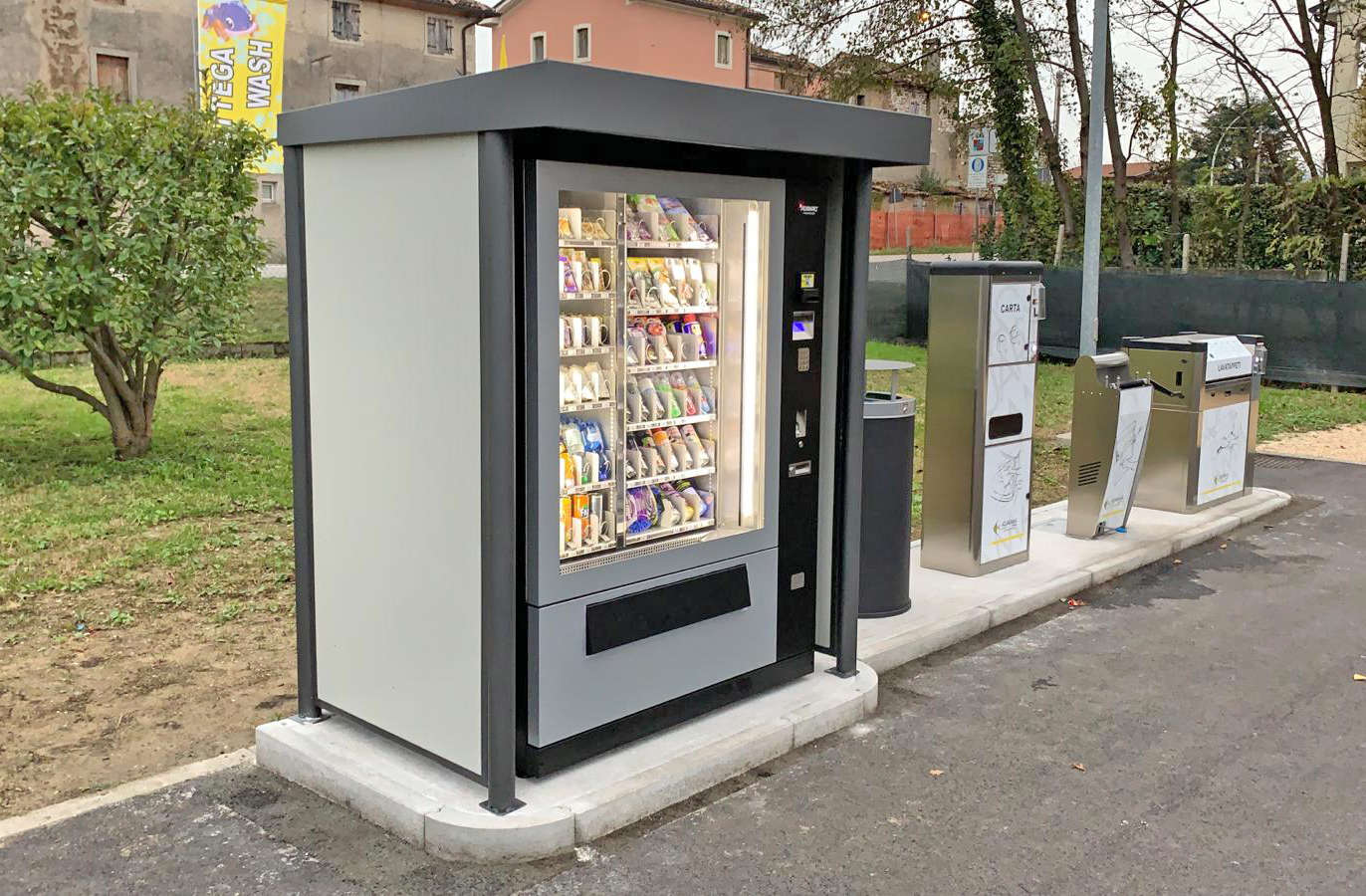
An outdoor vending machine sells where shops can’t reach. Farm gates, campsites, fishing lakes, car parks and sports pitches all have customers but no counter, and a well-protected machine can serve them around the clock.
This guide covers 7 critical tips for choosing and running an outdoor vending machine in the UK: weatherproofing, power, security, permissions, the best sites, running costs and the machines to consider.
See our outdoor station
A covered dual vending station built for outdoor sites, delivered and installed free anywhere in the UK.
View the Outdoor Station →What makes an outdoor vending machine different?
Indoor machines live in steady temperatures, dry air and supervised spaces. An outdoor vending machine faces rain, frost, sun, wind and the occasional vandal.
That means it needs more protection. A weather-resistant cabinet or enclosure, a canopy, a safe outdoor power supply and stronger security are all part of a good setup.
Get those right and an outdoor vending machine can trade 24 hours a day, every day of the year. Get them wrong and faults, breakdowns and damage quickly eat into profits.
7 critical tips for an outdoor vending machine
Use these tips to set up an outdoor vending machine that survives the British weather and keeps earning.
1. Protect it from the weather
Rain and spray are the biggest risks. Use a machine designed for outdoor use, or place it inside a canopy or enclosure that keeps water off the front and electrics.
2. Get the power right
Outdoor electrics must be installed safely, with suitable protection against faults. Always use a qualified electrician, and see Electrical Safety First for general guidance on outdoor electrical safety.
3. Think about temperature extremes
Frost can affect refrigeration, screens and payment readers, while summer sun makes cooling work harder. Shade in summer and shelter in winter help an outdoor vending machine cope.
4. Secure it properly
Anchor the machine, light the area and choose a robust cabinet. Cashless payment means there’s little worth stealing.
5. Check permissions
Machines on private land are usually simpler, but public land, pavements and some illuminated signs may need council permission. Ask your local council before installing.
6. Choose products that suit the site
A farm gate sells eggs and produce, a fishing lake sells bait, and a car park sells drinks and snacks. Match the outdoor vending machine to what people actually need there.
7. Plan for access
You’ll need safe access for restocking and repairs in all weathers. A hard-standing base and a clear route save trouble on wet winter days.
“An outdoor vending machine is only as good as its shelter. Protect it properly and it will trade through every season.”
Is it worth it?
An outdoor vending machine can reach customers no shop can, which makes it valuable at the right site. Farms, fishing lakes and campsites often have steady demand and no competition.
The trade-off is higher setup costs for shelter, power and security, plus seasonal swings. An outdoor vending machine needs enough footfall to cover those extras.
Use our vending machine profit calculator to model your site, including the extra costs of running an outdoor vending machine.
Choosing the right machine
Start with what you’ll sell, then pick the machine. A drinks machine, a combo, a chilled produce machine and a specialist bait machine all suit different outdoor sites.
Next, check the operating temperature range, the cabinet’s build quality and whether it can take card payments. An outdoor vending machine should be sturdy, simple and easy to service.
Finally, plan the shelter. Even a weather-resistant outdoor vending machine lasts longer and costs less to run under a canopy.
Our outdoor station
Our outdoor dual vending station with canopy is designed for exactly these sites. Two machines sit under a protective canopy, sheltering both the equipment and the customer.
The paired setup lets you offer drinks and snacks together. It suits car parks, campsites, sports grounds and other busy outdoor spaces.
Contact our team to talk through the right outdoor vending machine setup for your site.
Best sites for outdoor vending
An outdoor vending machine works best where people gather or pass but there’s no shop nearby.
Farms and farm gates
Farm gate vending lets customers buy eggs, milk, vegetables and other produce at any hour. A chilled machine like our fresh produce vending machine, placed under cover, is a popular choice.
Fishing lakes and marinas
Anglers often arrive before dawn, long before tackle shops open. A specialist machine such as our live bait specialty machine serves them early and late.
Campsites and holiday parks
Visitors need drinks, snacks and essentials outside shop hours. A covered drinks or combo machine near the facilities block sells steadily all season.
Sports grounds and parks
Players and spectators want cold drinks and water, especially on match days and during summer tournaments. Our Crane water bottle machine or a cold drinks machine under shelter works well.
Car parks, forecourts and charging hubs
Drivers waiting at EV chargers or car washes have time to spare. A drinks and snack setup turns that wait into sales.
Sheltered Outdoor
Canopy or Enclosure
- Weather: Protected from rain and sun
- Reliability: Higher
- Running costs: Lower
- Lifespan: Longer
- Best for: Almost every outdoor site
Fully Exposed
Open Ground
- Weather: Rain, frost and sun
- Reliability: Lower
- Running costs: Higher
- Lifespan: Shorter
- Best for: Only purpose-built outdoor units
Base, space and access
An outdoor vending machine needs a firm, level base, ideally concrete or paving. Soft ground can shift, tilting the machine and damaging the door seal.
Leave room around the machine for ventilation and for the door to open fully. Make sure customers can reach it safely, including wheelchair users.
Farm gate vending in focus
Farm gate vending has grown fast across the UK. Customers like buying fresh, local produce straight from the farm, and a machine lets them do it before work or late in the evening.
Eggs, milk, cheese, vegetables, meat boxes and seasonal fruit all sell well. A chilled outdoor vending machine under a shelter keeps produce fresh and the payment area dry.
Farms often combine vending with an honesty box or small shop. A machine is more secure than an honesty box and gives clear sales records.
Weatherproofing in detail
Water and electricity don’t mix, so weatherproofing comes first for any outdoor vending machine. Keep the payment panel, display and vents sheltered from rain, and make sure the base is raised slightly above standing water.
Wind-driven rain is a common problem, so position the machine with its front away from the prevailing wind where you can. A canopy with side panels gives extra protection.
Check seals, gaskets, drainage and the canopy after storms and heavy winds. A small leak caught early is a cheap fix; a flooded payment reader is not.
Coping with heat and cold
In summer, direct sun can push cabinet temperatures up and make the refrigeration work much harder. Shade cuts running costs and protects stock.
In winter, frost can affect refrigeration, screens and coin mechanisms. Some machines include heaters or are rated for low temperatures, so check the operating range before you buy an outdoor vending machine.
Products matter too. Chocolate melts in summer, and some drinks can freeze in a hard frost, so adjust the range with the seasons.
Power and electrical safety
An outdoor vending machine needs a safe, weatherproof power supply installed by a qualified electrician. Outdoor circuits typically need extra protection against electric shock, such as an RCD.
Avoid long extension leads and indoor sockets run outdoors, which are both unsafe and unreliable. A dedicated outdoor supply is safer and protects your machine from power faults.
Our guide to vending machine electricity costs explains how to estimate running costs, which are often higher outdoors in hot weather.
Our take: shelter the machine, install safe outdoor power, anchor it securely and go cashless. Those four steps decide whether an outdoor vending machine thrives or struggles.
Lighting and visibility
An outdoor vending machine needs to be seen, especially on dark winter evenings. Bright, clear lighting draws customers and makes the area feel safer.
Good lighting also deters vandals. Combined with a visible camera, it makes an outdoor vending machine a much less tempting target.
Security and vandalism
An outdoor vending machine is less supervised than an indoor one, so security matters more. Anchor the machine to a solid base, light the area at night and use CCTV where possible.
Cashless payment removes most of the reason to break in. A visible sign saying no cash is kept inside can deter opportunists.
Insure the machine for theft, vandalism and weather damage. Our guide to vending machine insurance explains what to check.
Accessibility and customer experience
Customers at an outdoor vending machine may be standing in rain or cold, so make the purchase quick. A clear display, simple pricing and fast card payment all help.
Position the payment panel and collection tray at a comfortable height, and keep the approach level and well drained. Everyone, including wheelchair users and parents with buggies, should be able to use the machine easily.
Clear contact details on the outdoor vending machine let customers report problems or ask for refunds. Quick responses build trust and keep people coming back.
Small touches make a difference outdoors. A bin for wrappers, a sheltered spot to stand and good lighting turn a simple machine into a welcome stop.
Planning and permissions
On private land, such as a farm, campsite or business car park, an outdoor vending machine is usually simple to install with the landowner’s agreement. Get that agreement in writing.
On public land or pavements, you’ll normally need permission from the local council. Large illuminated panels or signs may also need advertisement consent in some places.
Rules vary between councils, and conservation areas or listed buildings may have extra restrictions, so ask before you install. It’s far easier than moving a machine after a complaint.
Payment options outdoors
Card and phone payment suit an outdoor vending machine, where customers rarely carry cash and security matters. Our contactless vending machine guide explains how card readers work.
Check mobile signal at the exact spot, as rural sites can be patchy. Card payments add telemetry at £10 a month plus 2% per transaction, which also gives remote stock and fault alerts.
Seasonal planning
Most outdoor sites are seasonal. Campsites and parks peak in summer, farm gates follow the harvest, and fishing lakes follow the angling calendar.
Adjust stock, restocking frequency and cash flow to match. Some operators move an outdoor vending machine between summer and winter sites to keep it earning.
Remote monitoring helps you track the swings. It shows exactly when an outdoor vending machine needs a visit, so you don’t waste trips in quiet months.
Restocking and maintenance
Plan restocking around the weather and the season. Campsites and parks boom in summer, while farm gates may peak at harvest time.
Check the outdoor vending machine for dirt, cobwebs, damp and damage at every visit. Clean the front, keypad and card reader, and clear leaves and debris from vents.
Our guides to vending machine maintenance and cleaning a vending machine cover the routine.
Products that cope with the weather
Some products handle outdoor conditions better than others. Canned drinks, bottled water and wrapped snacks are robust, while chocolate and fresh items need more care.
In summer, swap chocolate bars for products that don’t melt, and keep the outdoor vending machine’s chiller working hard. In winter, watch for drinks freezing during cold snaps.
Rotate stock more often outdoors, as temperature swings shorten shelf life. A short, robust range usually works best.
Operators and landowners
Landowners such as farmers, campsite owners and fishery managers often buy their own outdoor vending machine and keep the profit. It adds a service without adding staff.
Vending operators can also place machines on outdoor sites in return for commission. If you’re approaching landowners, our vending machine pitch guide and free vending machine guide explain how placement deals work.
Food safety outdoors
If your outdoor vending machine sells food, food safety rules apply just as indoors. Chilled items must stay cold, and dates need checking at every visit.
Farm gate vending of eggs, milk and produce has its own requirements, so check with your local authority’s food team. Our guide to vending machine regulations covers the wider rules.
Questions to ask before buying
Before choosing an outdoor vending machine, ask your supplier:
- Is this machine suitable for outdoor use, or does it need an enclosure?
- What temperature range can it operate in?
- How is the payment panel protected from rain?
- Can it be anchored securely to a base?
- Does it support card payment and remote fault alerts?
Clear answers help you choose an outdoor vending machine that copes with your site’s conditions.
Common mistakes
The most common mistake is putting an indoor machine outside without shelter. It may work for a while, but rain and frost soon cause expensive faults.
The second is cutting corners on power. Unsafe outdoor wiring is dangerous, and it’s often the cause of breakdowns.
The third is forgetting the seasons. An outdoor vending machine at a campsite may earn most of its income in a few months, so plan cash flow accordingly.
Costs and payment plans
Check current prices on our vending machines for sale page. Our vending machine payment plans let you pay a 25% deposit and spread the rest over up to 12 months at 0% interest.
Buying from Irelley
We deliver and install free anywhere in the UK, within 24 hours. Every machine comes with a 12-month warranty covering parts and remote support, as set out in our vending machine warranty.
See how our delivery and installation works, and our guide to vending machine locations for more site ideas.
FAQ
Frequently asked questions
No. A standard indoor machine isn’t built for rain, frost or direct sun. An outdoor vending machine needs weather protection, a suitable enclosure or canopy, and a safe outdoor power supply.
A properly installed outdoor electrical supply with suitable protection, usually including an RCD. Use a qualified electrician to install it.
It depends on the location. Machines on private land are often straightforward, but some sites may need planning or advertisement consent, and machines on public land or pavements usually need council permission. Check with your local council.
Choose a robust cabinet, anchor it securely, light the area, use CCTV where possible and go cashless so there’s little to steal.
Farms, campsites, marinas, fishing lakes, sports grounds, car parks, EV charging hubs, forecourts and busy public spaces.
Built for the outdoors
Covered outdoor stations and weather-ready setups, delivered and installed free anywhere in the UK.
[…] the machine will stand outside, read our guide to outdoor vending machines for weatherproofing and security tips. A covered outdoor vending station with canopy shows the kind […]