

Hot food vending machine UK: 7 critical things to know
How hot food vending works, the food safety rules that apply, and simpler setups that give your team a proper meal at any hour.
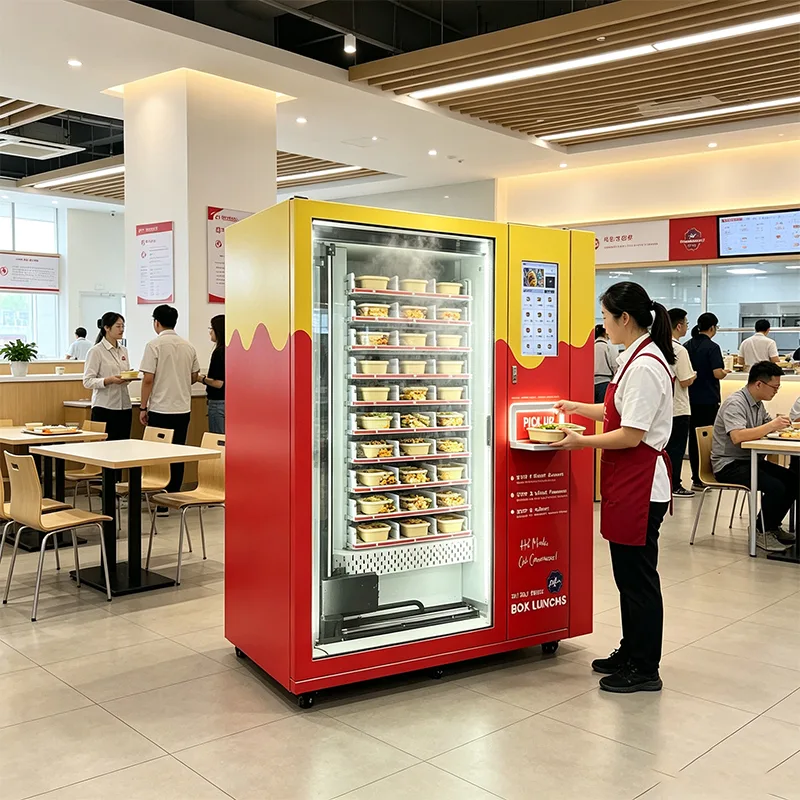
A hot food vending machine gives people a proper meal when the canteen is closed. For night shifts, hospitals and remote sites, that can make a real difference to long working days.
This guide covers 7 critical things to know before buying a hot food vending machine, including how they work, the food safety rules, simpler alternatives, the best sites and what it costs.
Exploring fresh and hot food options?
Fresh produce, combo and hot drinks machines, delivered and installed free anywhere in the UK.
View Machines For Sale →How a hot food vending machine works
Most machines store meals chilled, then heat each one to order. A built-in microwave or rapid oven warms the food in a minute or two before it drops to the customer.
A smaller number keep food hot inside the cabinet, ready to serve straight away. These need strict temperature control to stay safe.
Either way, a hot food vending machine is more complex than a snack or drinks machine. It combines refrigeration, heating and food handling in one cabinet.
That extra capability is exactly why a hot food vending machine is so valued on the right site. It turns a vending point into a round-the-clock kitchen.
7 critical things to know about a hot food vending machine
These seven points will help you decide whether a hot food vending machine is right for your site.
1. Food safety comes first
Chilled food must be kept cold, and food that’s held hot must stay at 63°C or above under UK food hygiene rules. Any hot food vending machine you choose must manage temperatures reliably.
2. You need to register as a food business
Anyone selling food through vending should register with their local council as a food business, ideally at least 28 days before trading. Expect food hygiene inspections like any other food outlet.
3. Heat-to-order is simpler than hot-holding
Machines that store food chilled and heat it on demand are easier to run safely. Hot-holding machines need tighter monitoring and more frequent checks.
4. Shelf life drives waste
Chilled meals usually have short shelf lives. Restock little and often, and use sales data so a hot food vending machine doesn’t end up binning stock.
5. Allergen labelling is essential
Customers can’t ask a member of staff about ingredients. Every meal needs clear allergen information on the pack or the machine’s screen.
6. Power and ventilation matter
Heating units draw more power than snack machines. Check the electrical supply and allow space for ventilation around the cabinet.
7. Cleaning takes more time
Heating chambers, trays and doors need regular cleaning to stay hygienic. Build that into someone’s routine before the machine arrives.
A short daily checklist covering temperatures, dates and cleaning makes it easy to hand over between shifts.
“At 3am on a night shift, a hot meal isn’t a luxury. It’s what gets people through to the morning.”
The simpler alternative: chilled plus microwave
Many sites get the benefits of a hot food vending machine with a simpler setup. A chilled fresh food machine stocks meals, and a microwave station nearby lets people heat them.
This approach is easier to manage and usually cheaper. Our fresh produce vending machine is a strong base for chilled meals, salads and fresh food.
Pair it with a hot drinks machine such as our Nescafé hot drinks machine, and staff have hot drinks and a proper meal on every shift.
Option 1
Dedicated Hot Food Machine
- Heating: Built in
- Convenience: Hot meal in one step
- Complexity: Higher
- Cost: Higher
- Best for: Large, busy 24-hour sites
Option 2
Chilled Machine and Microwave
- Heating: Customer uses a microwave
- Convenience: One extra step
- Complexity: Lower
- Cost: Lower
- Best for: Most workplaces
Not sure which suits you? Contact our team and we’ll talk through hot food vending machine options and alternatives for your site.
Is a hot food vending machine worth it?
It depends on your site. A hot food vending machine makes most sense where lots of people work long or overnight shifts and there’s no canteen open.
On smaller sites, sales may not justify the cost and effort. There, a chilled food machine and a microwave usually deliver most of the benefit for much less.
Run a simple test first. Stock chilled meals in a fresh food machine with a microwave nearby, track sales for a few months, and upgrade to a hot food vending machine only if demand is strong.
What to sell
A good hot food vending machine range should be filling, quick to heat and easy to eat on a break. Popular options include:
- Savoury bakes: pies, pasties and sausage rolls
- Quick meals: pasta dishes, curries and noodle pots
- Soups: especially popular in winter
- Pizza and wraps: easy to heat and eat
- Breakfast items: for early and overnight shifts
Include vegetarian, vegan and lighter options too, as a hot food vending machine serves a wide mix of people. A balanced range keeps more people using the machine and suits workplaces with healthier food policies.
Bakery items can work well alongside hot meals. Our custom bakery vending machine shows how a specialist cabinet can stand out.
Best sites for hot food vending
A hot food vending machine earns its place where people need a proper meal and have nowhere else to get one. The strongest sites include:
- Hospitals: night staff and visitors when cafés close
- Factories and warehouses: long shifts and night work
- Universities: libraries and halls late at night
- Transport hubs: stations and service areas
- Large offices: without an on-site canteen
For shift-based workplaces, see our guide to vending machines for warehouses. Our guide to vending machine locations covers placement in more detail.
Our take: if you run a large, busy 24-hour site, a dedicated hot food vending machine can work brilliantly. For most workplaces, a chilled fresh food machine with a microwave station is simpler and just as popular.
Night shifts and staff wellbeing
Night workers often rely on snacks and energy drinks because nothing else is open. A hot food vending machine gives them a proper meal instead.
Better food on night shifts supports energy, focus and wellbeing. It also shows staff that the business has thought about the people working while everyone else sleeps.
For sites in England, the planned ban on high-caffeine energy drinks in vending machines adds another reason to offer hot meals and hot drinks overnight.
Sourcing meals
Most operators buy ready meals from specialist suppliers who make food for vending. Look for clear labelling, sensible shelf lives and packaging designed for microwave heating.
Local bakeries and caterers can be a great option too. Locally made pies or soups can help a hot food vending machine stand out.
Whoever supplies the food, make sure they’re registered and can give full allergen information. Keep their details on file in case of any food safety query.
Food safety in practice
With any hot food vending machine, keep chilled meals cold from delivery to sale, and never leave stock out of the fridge while restocking. Check and record temperatures regularly.
Rotate stock so the oldest meals sell first, and remove anything past its use-by date. Clean heating areas and surfaces on a set schedule.
Our guides to vending machine regulations and cleaning a vending machine cover the basics. A local food hygiene officer can also advise before you start.
Placement and setup
Place a hot food vending machine in or next to the break area, with a table and seating nearby. People want to sit down with a hot meal, not eat standing at the machine.
Provide a bin, napkins and cutlery if meals need them. If you use the chilled-plus-microwave approach, put the microwave right beside the fresh food machine.
Check the floor, power supply and ventilation before delivery. A hot food vending machine needs space around it to release heat safely.
Costs and running
A hot food vending machine usually costs more to buy and run than a snack machine. Heating and refrigeration both use power, and fresh food carries more waste risk.
Our guide to vending machine electricity costs helps you budget. Card payments add telemetry at £10 a month plus 2% per transaction, and our contactless vending machine guide explains how it works.
Our vending machine payment plans let you pay a 25% deposit and spread the rest over up to 12 months at 0% interest.
Buying from Irelley
Browse our vending machines for sale, then speak to our team about fresh food and hot drinks setups. We deliver and install free anywhere in the UK, usually within 24 hours.
Every machine comes with a 12-month warranty covering parts and remote support. See our vending machine warranty and delivery and installation pages for details.
FAQ
Frequently asked questions
Most store meals chilled and heat them to order with a built-in microwave or oven. A few hold food hot, which needs it kept at 63°C or above under UK food hygiene rules.
Anyone selling food through vending machines should register as a food business with their local council, ideally at least 28 days before trading starts.
Pies, pasties, pizza slices, noodles, soups, jacket potatoes and ready meals are common. Night shifts and sites without a canteen see the strongest demand.
Yes. A chilled fresh food machine paired with a microwave station is simpler to run and gives staff hot meal options without specialist equipment.
Hospitals, factories, warehouses, universities, transport hubs and other sites with night shifts or no canteen, where people need a proper meal at any hour.
Proper food, any hour
Fresh food, combo and hot drinks machines, delivered and installed free anywhere in the UK.