

Vending machines for schools: 7 critical rules for 2026
What the school food standards allow, what to stock, and how to set up a machine that pupils use and inspectors are happy with.
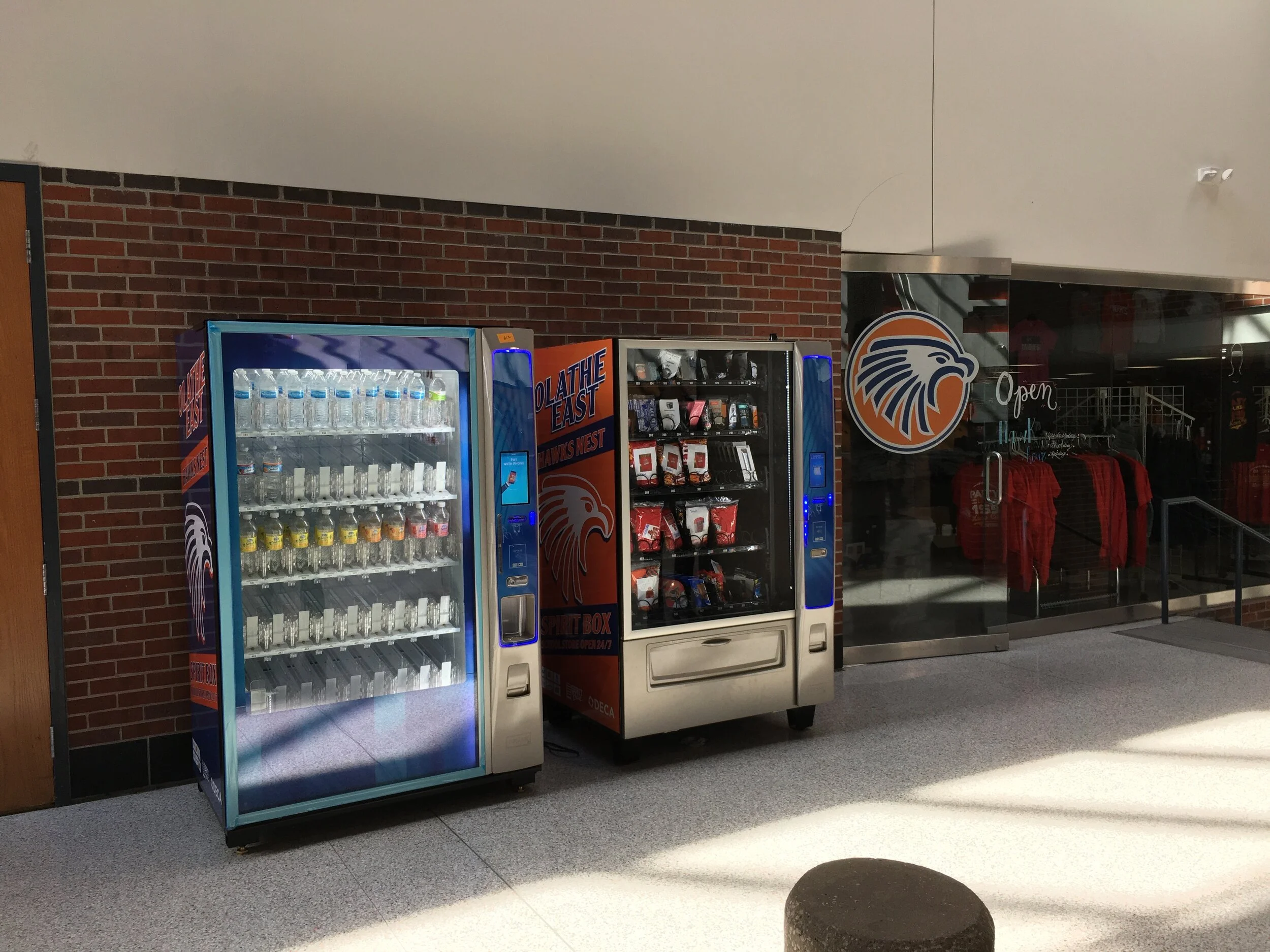
Vending machines for schools can work well, but they’re not like machines anywhere else. In England, what a state school sells to pupils is set by law, and that shapes every decision from the machine type to the stock.
This guide explains the 7 critical rules for vending machines for schools, what you can and can’t sell, the best machine types, and where machines work best.
Browse water and healthy machines
Water, fresh produce and healthy combo machines, delivered and installed free anywhere in the UK.
View Machines For Sale →Are vending machines for schools allowed?
Yes, but with conditions. In England, the school food standards apply to food and drink provided to pupils across the whole school day, including through vending machines and tuck shops.
The government’s school food standards practical guide sets out what is and isn’t permitted. The standards cover maintained schools and most academies and free schools.
That means vending machines for schools can’t simply copy what sells in an office or gym. The range has to be built around the standards from day one.
7 critical rules for vending machines for schools
These seven rules cover what matters most when planning vending machines for schools in England.
1. No confectionery for pupils
Chocolate, sweets and chocolate-coated products can’t be sold to pupils. The definition is wider than many people expect, and can include cereal bars and processed fruit bars.
2. Savoury snacks are heavily restricted
Crisps and similar savoury snacks aren’t permitted. The exceptions are nuts, seeds, vegetables and fruit with no added salt, sugar or fat.
3. Drinks are limited to healthy options
Pupil-facing vending machines for schools can offer plain water, lower fat milk and certain milk-based drinks, and limited portions of fruit or vegetable juice. Sugary fizzy drinks are out.
4. Portion limits apply to juice drinks
Fruit juice is limited to small portions, and combination drinks are capped at 330ml with at least 45% fruit or vegetable juice. Check each product before it goes in the machine.
5. Energy drinks are a no
High-caffeine energy drinks have no place in pupil-facing machines. The government has also confirmed plans to ban high-caffeine energy drinks from all vending machines in England from April 2027, subject to Parliamentary approval. Our energy drink vending ban guide explains the details.
6. The school’s own policy comes first
Many schools add their own rules, such as being nut-free. Vending machines for schools must follow those policies as well as the national standards.
7. Staff and pupil machines are different
The standards cover food provided to pupils. A machine in a staff-only room can be treated differently, but agree it with the school and keep it away from pupil areas.
“In a school, the question isn’t what sells best. It’s what sells well and meets the standards, and that list is shorter but very workable.”
What you can stock
Compliant vending machines for schools usually centre on drinks, with a small range of snacks. Here’s what typically fits the standards in England.
- Water: still and sparkling, with no added sugar or sweeteners
- Milk drinks: lower fat milk and qualifying lower-sugar milk drinks
- Juice: fruit or vegetable juice in small portions
- Combination drinks: up to 330ml and at least 45% juice
- Fruit and vegetables: fresh or dried with nothing added
- Nuts and seeds: unsalted and unsweetened, if the school isn’t nut-free
Before stocking vending machines for schools, always check labels against the standards, as small differences in recipe can make a product non-compliant. Our guide to UK vending machine regulations covers the wider rules on food safety and labelling.
Best machine types for schools
Because the permitted range is narrow, the best vending machines for schools are simple and drinks-led. These three types work particularly well.
Water machines
Water is always compliant and always in demand in vending machines for schools. Our Dasani water bottle machine and Crane water bottle machine are straightforward choices for corridors and sports areas.
Fresh produce machines
Among vending machines for schools, a chilled machine stocked with fruit, vegetable pots and similar items fits the standards well. Our fresh produce vending machine is designed for exactly this kind of range.
Healthy combo machines
A combo cabinet can hold compliant drinks and snacks together. Our healthy vending combo works well when it’s stocked strictly to the standards.
Pupil Areas
Standards-Compliant Machine
- Drinks: Water, milk and small juices
- Snacks: Fruit, vegetables, nuts and seeds
- Machine: Water, fresh produce or healthy combo
- Rules: School food standards apply
- Best spot: Dining hall or sports area
Staff Room
Staff-Only Machine
- Drinks: Coffee, tea and soft drinks
- Snacks: Wider range, by agreement
- Machine: Coffee or combo
- Rules: Agreed with the school
- Best spot: Staff room only
For staff rooms, a coffee machine is often the most welcome of all vending machines for schools. Our premium gourmet coffee machine suits busy staff rooms with short breaks.
Where to place machines in a school
Place vending machines for schools where supervision is easy, such as the dining hall, near the sports hall or in a supervised common area. Avoid hidden corners where machines are more likely to be damaged.
Keep vending machines for schools clear of fire exits and corridors that get crowded at changeover times. Make sure they’re accessible to all pupils, including wheelchair users.
Many schools switch machines off or lock them during lessons. Discuss timings with the school so vending machines for schools support the day rather than distract from it.
Allergens and hygiene
Allergen information matters even more in a school. Make sure every product in vending machines for schools is clearly labelled, and respect any nut-free or allergy policies in full.
Clean the keypad, glass and collection tray regularly, especially in busy dining areas. Check dates at every restock and remove anything close to expiry.
Chilled machines should hold a steady temperature. If fresh produce is stocked, check it more often, as it has a shorter shelf life than bottled drinks.
Payment options in schools
When choosing vending machines for schools, think about payment. Many secondary pupils now pay by card or phone, and many schools already run cashless catering systems. Our contactless vending machine guide explains how card-ready machines work.
Keep a coin option where the school prefers it, especially for younger pupils. The right payment setup for vending machines for schools depends on the school’s existing systems.
Is school vending worth it?
The narrow range means vending machines for schools usually earn less per machine than in offices or gyms. Water and compliant drinks still sell steadily, especially at break, lunch and after sports.
For many schools, the real value of vending machines for schools is service, not profit. A reliable water machine, for example, supports hydration and cuts the number of pupils leaving site at lunch.
Sixth-form areas and after-school clubs can add demand. If the school runs events, lettings or adult education in the evening, a staff-and-visitor machine can add income outside school hours.
Our take: start with a water machine in a supervised area and stock it strictly to the standards. Add fresh produce or a healthy combo once you can see demand.
Checklist before you install
Run through this list before vending machines for schools go live. It saves problems with governors, parents and inspectors later.
- Confirm which school food rules apply to your school
- Check the school’s own food and allergy policies
- Build a compliant product list and share it with the catering lead
- Agree placement, supervision and operating hours
- Decide on payment: card, coin or the school’s cashless system
- Agree who restocks, cleans and reports faults
Keep the product list on file and update it whenever you change stock. It’s the simplest way to show vending machines for schools are being run responsibly.
Working with schools as an operator
If you supply vending machines for schools as an operator, show schools that you understand the standards before you pitch. Bring a compliant product list and offer to share it with the catering lead.
Our vending machine pitch guide includes a script you can adapt, and our commission rates guide explains how to structure payments. Schools value reliability and compliance above a high commission.
Remember that the school’s governing body is responsible for meeting the standards. Make it easy for them by documenting what’s in each machine and keeping it up to date.
Buying from Irelley
Browse all our vending machines for sale, then contact our team to talk through vending machines for schools and which machines suit your site.
We deliver and install free anywhere in the UK. See how our vending machine delivery and installation works, check our vending machine warranty, or spread the cost with our vending machine payment plans.
FAQ
Frequently asked questions
Yes. Vending machines for schools are allowed, but in state-funded schools in England everything sold to pupils must meet the school food standards. That rules out confectionery, most savoury snacks and sugary drinks.
Pupil-facing machines can sell plain water, lower fat milk, limited portions of fruit juice and combination drinks, plus fruit, vegetables, nuts and seeds with no added salt, sugar or fat. Always check the school’s own policy too.
They apply to maintained schools and most academies and free schools in England. Some older academies are covered through their funding agreements, so check with the school.
The standards cover food provided to pupils, so a staff-only machine is treated differently. Agree it with the school first and keep it out of pupil areas.
Each nation has its own school food rules. The principles are similar, but check the regulations that apply where the school is based.
Healthy vending for your school
Water, fresh produce and healthy combo machines, delivered and installed free anywhere in the UK.