

Energy drink vending machine UK: 7 critical rules for 2027
England is banning high-caffeine energy drinks from all vending machines. Here’s what the ban covers, who is liable and how to adapt your machines in time.
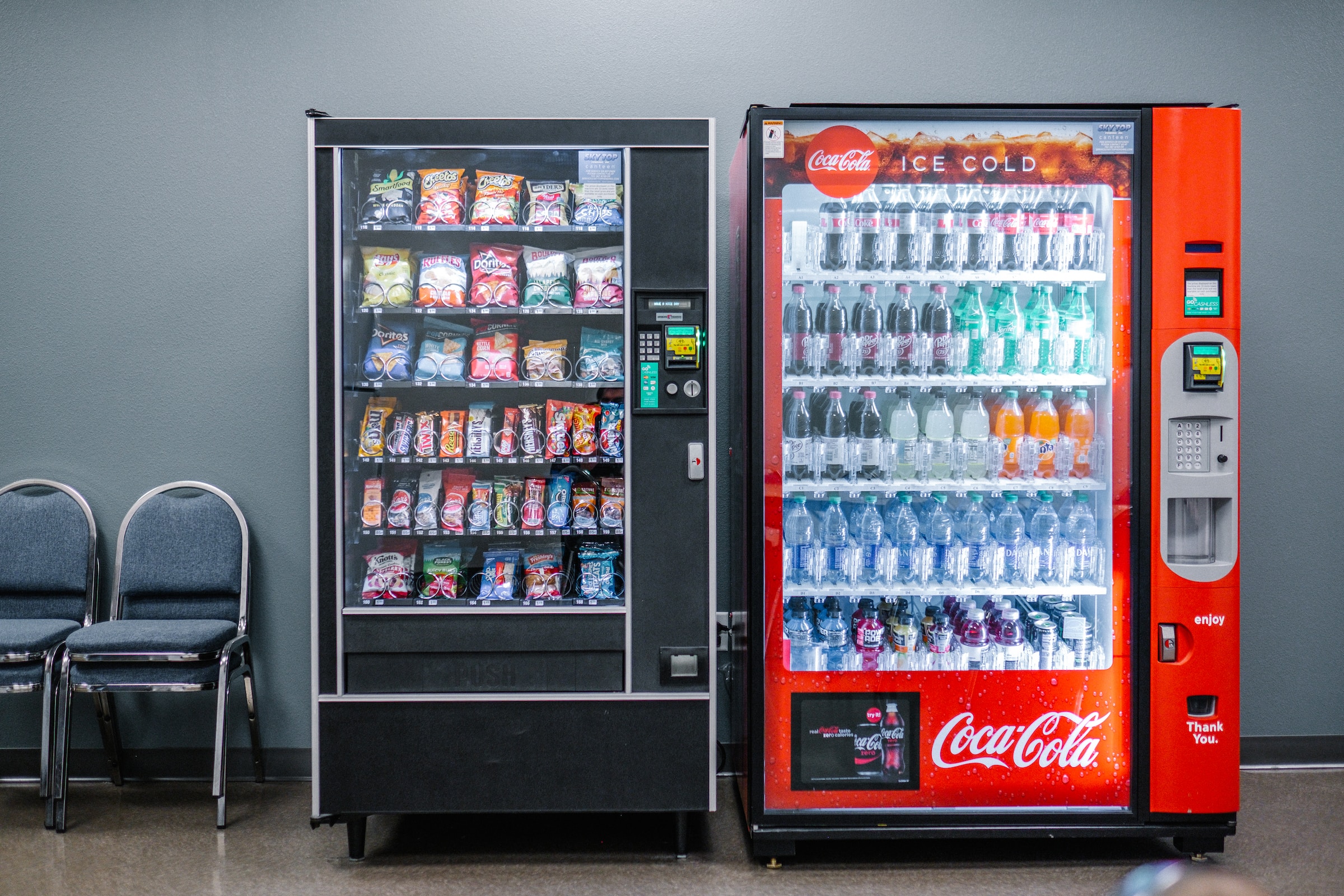
The energy drink vending machine has been one of the best earners in UK vending for years. Gyms, warehouses, construction sites and campuses all sell energy drinks in volume.
That’s about to change in England. The government has confirmed a complete ban on selling high-caffeine energy drinks through vending machines, intended to start in April 2027. This guide explains the 7 critical rules every energy drink vending machine owner needs to know, and how to adapt.
Key point: the ban is subject to Parliamentary approval, and final details could change. Plan now, but check the final legislation before April 2027.
Planning your switch?
Sports drink, water, coffee and combo machines, delivered and installed free anywhere in the UK.
View Machines For Sale →The 2027 ban explained
On 16 July 2026, the government confirmed it will ban the sale of high-caffeine energy drinks to under-16s in England. The ban covers shops, online sales and vending machines.
For vending, the rule goes further than age checks. Because a machine can’t easily verify age, high-caffeine energy drinks will be banned from all vending machines in England, wherever they’re located.
The ban is due to start in April 2027 through secondary legislation under the Food Safety Act 1990. Local authorities will enforce it, with fines of up to £2,500 for breaches.
7 critical rules for every energy drink vending machine owner
These rules are based on the government’s announcement. Every energy drink vending machine in England will be affected.
1. Know the 150mg per litre threshold
The ban covers drinks, other than tea or coffee, containing more than 150mg of caffeine per litre. That’s 15mg per 100ml, which most popular energy drinks exceed.
2. Location doesn’t matter
The ban applies to all vending machines, including those in adult-only workplaces where children are unlikely to be present. An energy drink vending machine in a warehouse is treated the same as one in a shopping centre.
3. The site controller is liable
The person who controls or manages the premises where the machine stands is liable for any sales. That makes it a shared problem for operators and site owners.
4. Tea and coffee are exempt
Tea and coffee aren’t covered, so hot drinks machines are unaffected, unlike an energy drink vending machine. Standard cola and lower-caffeine soft drinks also fall outside the ban.
5. Check every label
Look at the caffeine content on every can and bottle in your energy drink vending machine. If it’s over 15mg per 100ml, it will need to come out.
6. Plan your switch early
Don’t wait until March 2027. Run down energy drink stock, test replacement products and update planograms well before the deadline.
7. Watch the final legislation
The details still need Parliamentary approval. Check the final rules and any guidance before April 2027, and be aware the ban announced so far applies to England.
“The machine isn’t banned. What’s inside it is. The operators who plan their switch early will keep their sales.”
How to audit your range
Start with a simple audit of every energy drink vending machine you run or host. List each product, its caffeine content per 100ml and how many units it sells each month.
- Over 15mg per 100ml: must come out by April 2027
- Close to the limit: double-check the label and any recipe changes
- Well under the limit: safe to keep
Repeat the audit whenever suppliers change recipes or you add new lines. A quick check keeps every energy drink vending machine compliant without surprises.
Keep a record of your audit. If a local authority ever asks, you’ll be able to show what each energy drink vending machine stocks and when you changed it.
Update your placement agreements
Because the site controller is liable, anyone hosting an energy drink vending machine will want reassurance. Add a clause to your agreements confirming that no high-caffeine energy drinks will be stocked from April 2027.
Our guide to vending machine placement agreements explains what agreements should cover. Our vending machine regulations guide covers the wider legal picture.
If you pay commission on sales, expect some sites to ask how the change affects their income. Our commission rates guide helps you plan that conversation.
What an energy drink vending machine can sell instead
The good news is that an energy drink vending machine is just a chilled drinks machine. It can be restocked with products that remain legal.
- Sports and isotonic drinks: popular in gyms and physical workplaces
- Water: still, sparkling and flavoured
- Lower-caffeine soft drinks: standard colas and other drinks under the threshold
- Protein and recovery drinks: a strong fit for gyms
- Iced tea and juice drinks: check each product’s caffeine content
Customers who used an energy drink vending machine for a boost may switch to coffee. That makes hot drinks machines one of the best ways to keep caffeine sales.
What about branded machines?
Branded energy drink machines, such as our Monster energy drinks machine and Venom energy drinks machine, are standard chilled drinks cabinets. They can be restocked with other cold drinks once energy drinks are removed.
Some operators will choose to rewrap a branded energy drink vending machine so the graphics match the new range. Others will keep the bold look and fill it with sports drinks and water.
If you’re buying now, think about where the machine will be in April 2027. A neutral drinks machine may be the more flexible choice for sites in England.
Best alternatives to an energy drink vending machine
These machines are unaffected by the ban and serve the same customers as an energy drink vending machine.
Sports drink machines
Our Powerade sports drink machine and BodyArmor sports drink machine suit gyms and physical workplaces.
Coffee machines
Coffee is exempt from the ban. Our Nescafé hot drinks machine and premium gourmet coffee machine keep caffeine on offer legally.
Water machines
Always in demand and never restricted. Our Everest ice water machine is a strong all-round option.
From April 2027
Not Allowed in Vending
- High-caffeine energy drinks: over 150mg per litre
- Where: all vending machines in England
- Who is liable: the premises controller
- Penalty: fines up to £2,500
- Status: subject to Parliamentary approval
Still Allowed
Safe to Stock
- Coffee and tea: exempt
- Water: unaffected
- Sports drinks: check caffeine content
- Standard colas: below the threshold
- Snacks: unaffected by this ban
Talking to site owners and customers
Tell site owners early. Explain the ban, what you’ll replace energy drinks with and when, so they aren’t caught out by their liability as premises controller.
A short notice on each energy drink vending machine helps customers too. Let them know the range is changing because of new rules, and point them to the coffee or sports drinks on offer.
Most customers adjust quickly when there’s a good alternative nearby. A coffee machine next to the old energy drink vending machine often captures much of the lost caffeine demand.
Pricing and margins after the switch
Energy drinks often carry strong margins, so replacing them will change your numbers. Compare the margin on each replacement product before you commit to a new range.
Sports drinks, flavoured water and coffee can all be profitable. Our vending machine profit calculator helps you model the change for each energy drink vending machine you run.
Which sites are most affected?
Any site where the energy drink vending machine is a top earner will feel the change most. That includes the sites we’ve covered in our location guides.
See our guides to vending machines for gyms, vending machines for warehouses, vending machines for construction sites and vending machines for universities. In each, plan to replace energy drinks with sports drinks, water and coffee in England.
Track sales now so you know how much of each energy drink vending machine’s income comes from energy drinks. That tells you how much you need to replace.
Scotland, Wales and Northern Ireland
The ban announced in July 2026 applies to England. Health policy is devolved, so Scotland, Wales and Northern Ireland set their own rules.
If you run an energy drink vending machine outside England, check for any rules or plans in that nation. Many operators may choose one range for all sites to keep things simple.
Until April 2027
Until the ban takes effect, an energy drink vending machine can still sell energy drinks in most settings. Many retailers already follow voluntary rules not to sell them to under-16s.
Use the time to test replacements and see what sells. By the time the ban arrives, your energy drink vending machine range should already be working without them.
Buying from Irelley
Browse all our vending machines for sale, then contact our team for advice on switching your range. We deliver and install free anywhere in the UK, and you can spread the cost with our vending machine payment plans.
FAQ
Frequently asked questions
Yes, in England. The government has confirmed a complete ban on selling high-caffeine energy drinks through vending machines, intended to start in April 2027, subject to Parliamentary approval.
Drinks, other than tea or coffee, containing more than 150mg of caffeine per litre. That’s 15mg per 100ml, so check the caffeine figure on every can’s label.
Yes. The ban covers all vending machines regardless of where they are, including places children are unlikely to visit.
The person who controls or manages the premises where the machine is located is liable for any sales. Placement agreements should make clear who removes banned products.
Yes. The machine itself isn’t banned, only the high-caffeine drinks. You can restock it with sports drinks, water or lower-caffeine soft drinks, or rewrap it.
Ready for 2027
Sports drink, water and coffee machines that stay legal, delivered and installed free anywhere in the UK.
[…] drinks from all vending machines in England from April 2027, subject to Parliamentary approval. Our energy drink vending ban guide explains the […]