

Vending machine success story: from one machine to a full route.
This is the story of how a typical UK operator started with a single vending machine, made every mistake in the book, learned from each one, and built a profitable multi-machine route within 18 months. Here’s what actually worked.
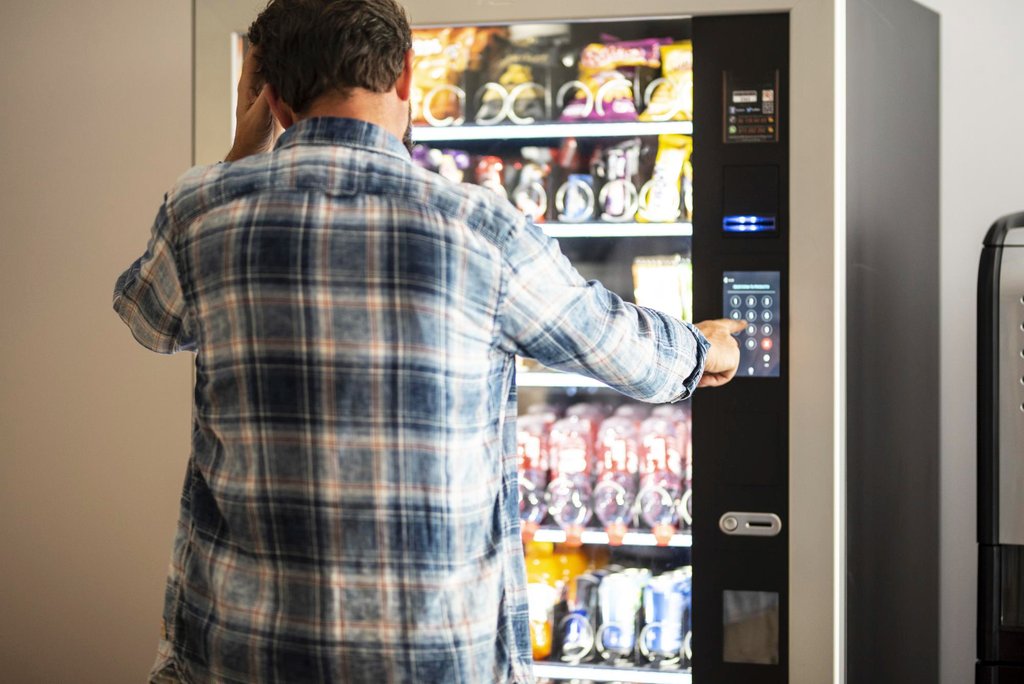
Vending machine success story articles often paint an unrealistic picture — buy a machine, place it anywhere, and watch passive income roll in. The reality is messier, slower, and more instructive than that. This vending machine success story follows the realistic arc that most successful UK operators experience: a cautious start, some expensive mistakes, a few critical lessons, and a gradual building of confidence, locations, and revenue that eventually produces a genuine side income or full-time business.
This is not the story of one specific person — it is a composite based on the patterns we see repeatedly among operators who buy from us at Irelley and go on to build profitable routes. The numbers are realistic, the mistakes are real, and the lessons are the ones that separate the operators who succeed from the ones who quit after three months. The operational principles here are consistent with guidance from the Automatic Vending Association (AVA).
Vending machine success story — month 1: the first machine
The starting point
The operator buys a single refurbished combination machine — snacks and cold drinks — for approximately £1,200–£1,800. They have done some research, read a few guides on our blog, and identified a potential location: a small industrial estate with 60–80 workers and no existing vending provision.
The first placement
They approach the estate manager, pitch the machine as a free amenity for tenants, and secure a placement with no commission — just a handshake agreement. The machine goes into the communal break area. They stock it with a mix of crisps, chocolate bars, bottled water, and fizzy drinks based on what they think will sell. No telemetry, no data — just instinct and a price list.
Month 1 revenue: £180–£250
The machine generates modest but encouraging revenue. After product costs of roughly £90–£120, the gross profit is around £80–£130. After electricity (covered by the site) and fuel for one weekly visit, the net profit is approximately £60–£100. Not life-changing — but the machine is paying for itself and proving the concept.
Lesson 1: Start with one machine and prove it works before scaling. Every vending machine success story begins with a single placement that generates consistent revenue. If machine one does not work, machine two will not save you. Get the first one right — then replicate.
Vending machine success story — months 2–4: the mistakes
Mistake 1: wrong product mix
The operator stocked what they personally would buy — not what the location’s workers actually wanted. After three weeks of unsold protein bars and slow-moving premium crisps, they switched to tracking what actually sold and what did not. The answer was simple: standard confectionery, cheese and onion crisps, energy drinks, and bottled water outsold everything else 3:1. In this vending machine success story, the data won and the assumptions lost.
Mistake 2: no written agreement
The handshake agreement almost backfired when the estate changed management. The new manager did not know about the arrangement and nearly had the machine removed. The operator quickly drafted a proper placement agreement — lesson learned the hard way. Every placement after this one started with a signed contract.
Mistake 3: visiting on a fixed schedule
The operator visited every Tuesday regardless of stock levels. Some weeks the machine was half-full and did not need restocking. Other weeks the best-selling items ran out by Thursday, losing 3–4 days of sales. Moving to a flexible schedule based on sales patterns — and eventually telemetry — eliminated both wasted visits and lost sales.
“The first three months taught me more than any article or video. Every mistake cost me money, but every mistake also made the next machine more profitable. The mistakes are the education.”
Vending machine success story — months 4–8: the growth phase
Machine 2: the confidence placement
With machine one generating steady profit and the operational kinks worked out, the operator buys a second machine — this time a newer unit with a contactless card reader for approximately £2,000–£2,500. They target a busier location: a medium-sized office building with 120 staff. The site manager asks for 10% commission. The operator agrees — the higher footfall justifies the cost.
Revenue jumps
Machine 2 generates £400–£500/month in a higher-traffic location. Even after 10% commission (£40–£50), product costs, and a share of fuel, the net profit is £150–£200/month. Combined with machine 1, the operator is now netting £210–£300/month from two machines. The vending machine success story is starting to look like a real business.
Machine 3: the opportunistic placement
A contact at the office building mentions that their company’s second site also needs vending. The operator negotiates both locations under one agreement at 8% commission instead of 10% — a volume discount. Machine 3 goes in within two weeks. Three machines, two sites, one efficient restocking route.
Month 1
1 Machine
- Monthly revenue: £180–£250
- Net profit: £60–£100
- Time investment: 2 hours/week
- Locations: 1 industrial estate
- Confidence level: “Is this working?”
Month 8
3 Machines
- Monthly revenue: £900–£1,200
- Net profit: £350–£500
- Time investment: 5 hours/week
- Locations: 2 sites, 1 efficient route
- Confidence level: “This is a business”
Vending machine success story — months 8–12: systems and efficiency
With three machines running, the operator’s focus shifts from growth to efficiency. This is the phase of the vending machine success story where the business matures from “a person with some machines” to “an operation with systems.”
Adding telemetry
The operator retrofits telemetry units to all three machines. The upfront cost is £200–£350 per machine, but the payoff is immediate: real-time stock levels, remote sales tracking, and fault alerts. No more unnecessary visits. No more running out of best-sellers mid-week. Route planning becomes data-driven instead of calendar-driven.
Optimising the product mix
With telemetry data showing exactly what sells at each location, the operator customises each machine’s product mix to its specific customer base. The industrial estate gets energy drinks and filling snacks. The office building gets premium coffee, flavoured water, and healthier options. Same operator, same machines — but each one tuned to its audience. Revenue per machine increases 15–20% without adding new locations.
Streamlining restocking
Pre-picking stock by machine, planning routes geographically, and restocking based on telemetry data cuts the operator’s weekly time commitment from 5 hours to 3.5 hours for the same three machines. This is the efficiency dividend that makes scaling possible — and it is the chapter of every vending machine success story where time stops being the bottleneck.
Ready to write your own vending machine success story?
Browse our full range — new and refurbished machines, all tested and ready for placement.
Browse Machines →Vending machine success story — months 12–18: scaling to a full route
With systems in place and three profitable machines running efficiently, the operator adds machines 4 through 7 over the next six months. Each new placement is faster and more confident than the last because the playbook already exists: identify location, pitch the amenity value, sign a proper agreement, stock based on data from similar locations, add telemetry from day one, and optimise the product mix within the first month.
The numbers at 18 months
- Machines: 7
- Locations: 5 sites across a 15-mile radius
- Monthly revenue: £2,800–£3,500
- Monthly net profit: £1,100–£1,600
- Weekly time commitment: 8–10 hours
- Total investment to date: £12,000–£16,000 (machines, telemetry, stock)
- Payback period: Achieved by month 14–16
“The first machine took me a month to place. Machine seven took me a phone call. The business gets easier as you go — not because the work changes, but because you have already made the mistakes, built the systems, and earned the confidence to move faster.”
Vending machine success story — the lessons that made it work
- Start with one machine and prove profitability before buying more. Every successful vending machine success story begins with patience at machine one.
- Let data drive your product mix, not assumptions. What you think will sell and what actually sells are rarely the same thing.
- Always use a written placement agreement. Handshakes do not survive staff changes.
- Add contactless payment from day one. Cash-only machines leave money on the table.
- Invest in telemetry when you hit 3+ machines. The efficiency gains pay for the technology within months.
- Pitch value, not price. Free amenity for staff is a stronger opening than negotiating commission.
- Focus on a tight geographic area. Driving 45 minutes between two machines is not a route — it is a commute.
- Treat every restocking visit as a learning opportunity. What sold, what did not, what needs changing. The operators who track this data build the best businesses.
Every vending machine success story follows the same pattern: start small, learn from mistakes, build systems, scale with confidence. There is no shortcut, no hack, and no secret. The operators who succeed are the ones who treat vending like a real business — because it is one.
Common questions — vending machine success story
Start your own vending machine success story.
Browse our stock of 70+ tested machines or speak to our team about choosing the right first machine for your situation.